
It’s important to acknowledge that overcoming porn addiction is a journey that many individuals face. If you find yourself struggling with this habit, know that you are not alone. In this blog post, you’ll discover five proven steps designed to help you reclaim control over your life and foster healthier relationships with yourself and others. By implementing these strategies, you can start your path towards recovery and truly transform your life.

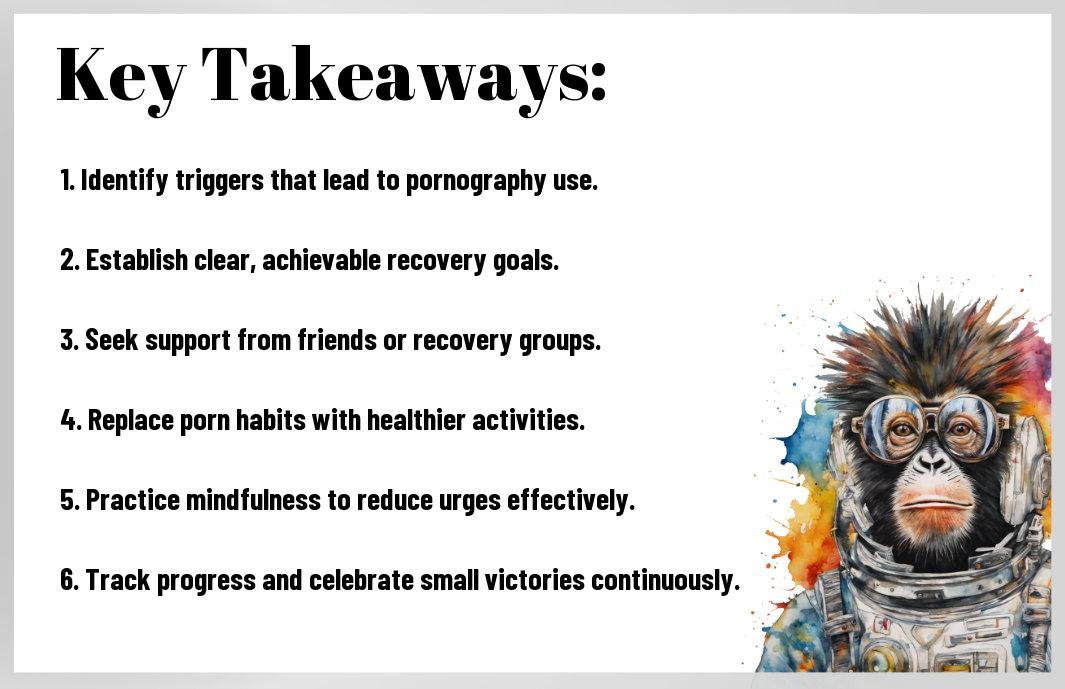
Key Takeaways:
- Identify triggers that lead to porn use to develop effective coping strategies.
- Set clear, achievable goals for your recovery journey to maintain motivation.
- Utilize support systems, such as therapy or support groups, to enhance accountability.
- Practice mindfulness and self-reflection to understand underlying emotions and behaviors.
- Replace porn with healthier activities that fulfill your needs and provide enjoyment.
- Educate yourself about the impacts of porn on the brain to strengthen your resolve.
- Celebrate small victories along the way to foster a positive mindset during recovery.
Understanding Porn Addiction
Before you can launch on your recovery journey, it’s vital to grasp what porn addiction is and how it specifically affects you. This addiction can infiltrate various aspects of your life, impacting your relationships, mental health, and overall well-being. Understanding its nature opens the door to meaningful change.
Defining Porn Addiction
About porn addiction – it occurs when you develop a compulsive need to view pornography, despite the negative consequences it brings to your life. This dependency often leads to increased tolerance and a diminishing interest in real-life intimacy, signaling a troubling pattern you may find difficult to break.
Signs and Symptoms
For many experiencing porn addiction, recognizing the signs can be challenging but vital for identifying the problem. Symptoms may include an overwhelming preoccupation with pornographic material, neglect of personal or professional responsibilities, and feelings of guilt or shame after consumption.
In fact, you might notice that your daily life is often disrupted by an urge to view porn, leading to an inability to focus on other tasks or relationships. You may find yourself justifying excessive use, isolating yourself from loved ones, or experiencing emotional fluctuations tied directly to your habits. Recognizing these signs is the first step toward recovery and regaining control of your life.
The Impact of Porn Addiction
Some individuals may underestimate the significant impact of porn addiction on their mental and emotional health. This dependency can lead to various psychological issues, including anxiety, depression, and low self-esteem. As you struggle with this addiction, you may find it increasingly difficult to form genuine connections, affecting overall well-being and happiness.
Psychological Consequences
An addiction to porn often results in distorted perceptions of intimacy and unhealthy coping mechanisms. You may experience heightened feelings of shame and guilt, leading to withdrawal from social interactions and a pervasive sense of isolation. Over time, these psychological consequences can stagnate personal growth and hinder your ability to form meaningful relationships.
Social and Relationship Effects
After becoming engulfed in porn addiction, you might notice a decline in the quality of your relationships. The addiction not only distorts your expectations of intimacy but can also create rifts between you and your partner, leading to misunderstandings or lack of communication.
Consequently, your personal relationships may suffer as trust erodes and emotional connections dwindle. Friends and family might feel alienated or hurt by your behavior, pushing you further away from crucial support networks. As unrealistic standards from porn affect your perceptions of intimacy, genuine connections become challenging, and the ability to engage in healthy, fulfilling relationships deteriorates. Addressing these effects is vital for restoring balance in your life and connecting meaningfully with others.

Step 1: Acknowledgment and Acceptance
Once again, confronting your porn addiction requires the first step of acknowledgment and acceptance. This process involves honestly evaluating your relationship with pornography and recognizing how it impacts your life. Understand that acknowledging the problem is not a sign of weakness, but rather the first move toward regaining control and embracing a healthier lifestyle.
Recognizing the Problem
Along your journey, the first task is to identify the signs of your addiction. This includes reflecting on your habits, triggers, and the consequences that arise from excessive use. By admitting that you have a problem, you open the door for personal growth and healing.
Commitment to Change
Acceptance of your situation leads to a commitment to change. It’s vital that you decide to take action, rather than simply wishing for things to improve. This commitment involves setting clear goals for yourself and dedicating time and energy to your recovery process.
Considering the impact of porn on your life, your commitment to change should be unwavering. Establish a daily routine that prioritizes healthy activities, like exercise or hobbies, which will help you reclaim your time and energy. Surround yourself with supportive individuals who encourage your journey, and seek professional help if needed. By demonstrating this commitment, you pave the way for sustainable recovery and a fulfilling life free from addiction.

Step 2: Setting Clear Goals
Keep in mind that establishing clear goals is important for your recovery journey. Goals give you a direction and a sense of purpose, guiding your actions and decisions. By setting specific, measurable, attainable, relevant, and time-bound goals, you can track your progress and celebrate your achievements, making your path to recovery more manageable and rewarding.
Defining Recovery Goals
Across your recovery journey, it’s vital to define what recovery looks like for you. Understanding your triggers, motivations, and the reasons behind your porn addiction will help you establish personalized goals that resonate with your values. Whether it’s limiting your exposure to certain media or strengthening your relationships, having clear recovery goals will serve as a roadmap for your progress.
Creating a Personal Action Plan
Against the challenges you may face, crafting a personal action plan can help you stay focused and committed. This plan should include specific strategies to achieve your recovery goals, such as seeking therapy, joining support groups, or incorporating mindfulness practices into your daily routine. An actionable plan allows you to break down larger goals into smaller, more manageable steps, ensuring that you have a clear path forward.
To ensure your action plan is effective, take time to evaluate your strengths and weaknesses. Identify activities that trigger the urge to engage with pornography and seek healthier alternatives. Integrate coping strategies, such as regular exercise or journaling, to manage cravings. Regularly revisiting and adjusting your action plan will keep it relevant and aligned with your evolving needs throughout your recovery journey.
Step 3: Seeking Professional Help
Unlike trying to overcome porn addiction on your own, seeking professional help can provide you with the guidance and support necessary for lasting recovery. A trained therapist can help you navigate underlying issues contributing to your addiction and develop healthier coping mechanisms. This step enhances your ability to stay committed to your recovery journey.
Types of Therapy
On your path to recovery, various types of therapy can support you:
| Cognitive Behavioral Therapy (CBT) | Focuses on changing negative thought patterns. |
| Motivational Interviewing | Helps strengthen your motivation to change. |
| Group Therapy | Encourages sharing experiences with peers. |
| Mindfulness-Based Therapy | Teaches you to stay present and reduce anxiety. |
| Psychodynamic Therapy | Explores past influences on current behavior. |
Assume that engaging in one or more of these therapies can significantly enhance your recovery process.
Support Groups and Resources
An additional layer of support in your recovery journey can come from joining support groups and utilizing various resources available for individuals facing similar struggles. These spaces encourage open discussions and shared experiences, fostering a sense of community.
With countless options available, you can find support groups in-person or online that focus specifically on porn addiction recovery. Many organizations offer resources, such as educational materials and workshops, empowering you with the knowledge and tools needed for lasting change. Connecting with others and exchanging encouragement can enrich your healing experience, reinforcing that you are not alone in this journey.
Step 4: Building a Support System
To successfully conquer porn addiction, establishing a strong support system is vital for your recovery journey. Surrounding yourself with individuals who understand your struggles can offer encouragement and motivation. Whether it’s friends, family, or support groups, having a reliable network can help you stay accountable and navigate the challenges ahead.
Engaging Friends and Family
Around you are people who care and want to help. By engaging friends and family in your recovery process, you open up valuable channels of support. Share your goals and struggles with them, and ask for their understanding and encouragement. Their involvement can significantly impact your motivation and willingness to overcome addiction.
Online and Offline Support Networks
Any journey is easier with a community by your side, and that includes finding support both online and offline. Utilize forums, social media groups, or local support meetings tailored to those dealing with similar challenges. Connecting with others can provide shared experiences, advice, and a sense of belonging that reinforces your commitment to recovery.
Family and friends can play a significant role, but seeking additional support through structured networks can be incredibly beneficial. Online platforms often allow anonymity, making it easier for you to discuss sensitive topics openly. Meanwhile, offline groups provide face-to-face interactions that foster deeper relationships. Both avenues offer tools and strategies for lasting change, allowing you to learn from others while also sharing your journey.
Step 5: Maintaining Long-term Recovery
Not achieving lasting change is a common struggle in pornography recovery. To maintain long-term recovery, you must integrate new habits into your daily routine that support your goals. Building a support network, embracing mindfulness, and remaining vigilant in your journey will help you navigate potential challenges that may arise. Staying committed to your recovery plan is important for lasting success.
Developing Healthy Habits
Recovery requires consistent effort in developing healthy habits that replace old behaviors. Focus on physical exercise, balanced nutrition, and engaging in activities that boost your mental well-being. By cultivating a lifestyle that prioritizes health, you create a foundation that supports your recovery, reduces cravings, and enhances your overall resilience against relapse.
Strategies for Relapse Prevention
Habits that foster resilience are indispensable in your journey. It’s important to identify triggers that may lead to a relapse and develop strategies to manage them effectively. Creating a personalized relapse prevention plan and employing mindfulness techniques can help you stay aware of your thoughts and emotions, keeping you grounded in your recovery goals.
Understanding triggers is vital in preventing relapse. You should track emotional states, environments, or interactions that may lead to cravings. Having a plan in place, such as engaging in alternative activities or reaching out to your support network, can empower you to act before you reach a vulnerable point. Incorporating daily mindfulness practices can also enhance your awareness, helping you to catch negative thought patterns early on, and redirect your energy towards healthier behaviors.
Final Words
Considering all points, overcoming porn addiction is a manageable journey when you apply the right strategies. By following these five proven steps, you can regain control of your habits and foster healthier relationships with both yourself and others. Embrace self-awareness, set clear goals, and seek support when needed. With commitment and determination, you have the power to reclaim your life and break free from the grips of this addiction.
FAQ
Q: What are the five proven steps for recovering from pornography addiction?
A: The five steps typically involve: 1) Acknowledgment of the problem, accepting that porn addiction exists and is impacting one’s life; 2) Setting realistic goals to reduce or eliminate porn consumption; 3) Finding accountability partners to share the journey; 4) Developing coping strategies to deal with triggers and temptations; and 5) Engaging in healthy alternatives and activities that promote a fulfilling lifestyle without reliance on pornography.
Q: How can I identify if I have a porn addiction?
A: Signs of porn addiction can include a compulsive need to watch porn, neglecting responsibilities to view pornography, feeling distressed or anxious when unable to watch it, or using porn as a way to escape reality or cope with emotional issues. If you notice these signs impacting your daily life or relationships, it may be time to explore recovery options.
Q: What role do accountability partners play in recovery?
A: Accountability partners provide support and encouragement throughout the recovery process. They can help you stay honest about your habits, set goals, and reinforce positive behaviors. This trusted individual can also create a safe space to discuss struggles, making the journey feel less isolating and more manageable.
Q: Are there alternative activities I can adopt to replace watching porn?
A: Yes, there are many alternative activities that can help divert attention from porn. Engaging in physical exercise, picking up new hobbies like painting or writing, practicing mindfulness or meditation, spending quality time with friends and family, and pursuing educational opportunities can fill your time and attention with healthier outlets.
Q: What resources are available for someone trying to overcome porn addiction?
A: Numerous resources are available, including support groups like Sex Addicts Anonymous, online forums, therapy sessions with counselors specializing in sexual health, and self-help books focused on recovery from porn addiction. Many apps designed to track habits and provide encouragement can also be beneficial in maintaining progress.