
With the ever-evolving landscape of digital media, recovering from porn addiction in 2025 requires the right tools and strategies tailored to your needs. You can leverage modern technology and therapeutic approaches to regain control over your habits and improve your overall well-being. In this post, we’ll explore seven effective resources designed to support your journey toward a healthier relationship with sexuality and self-image. Equip yourself with these crucial tools to foster lasting change and promote personal growth.
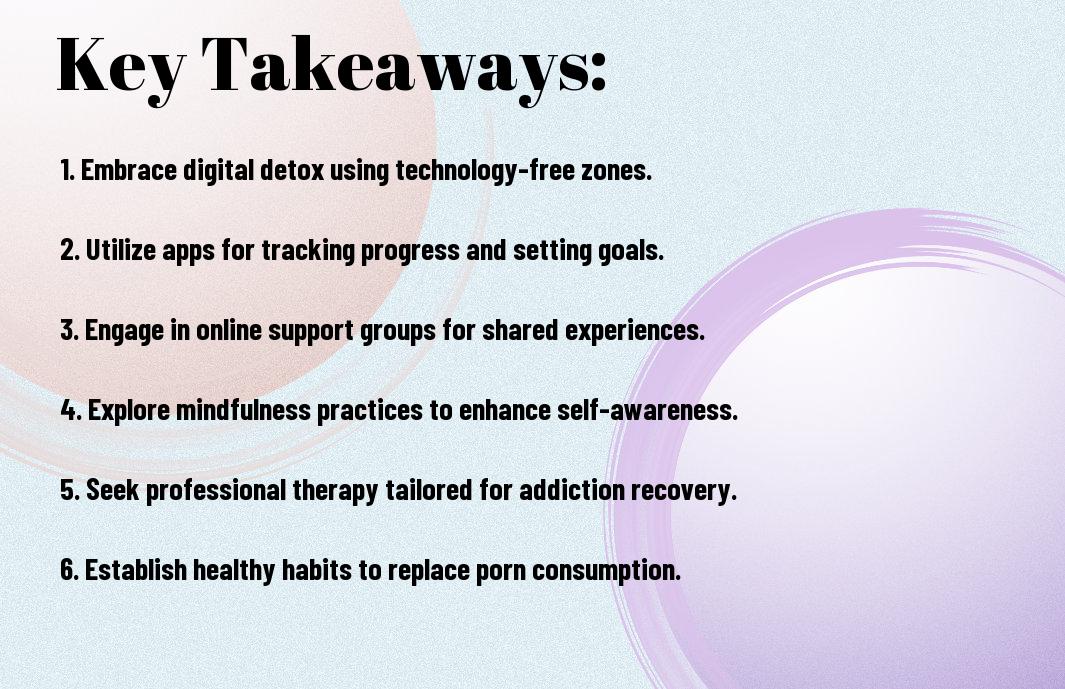
Key Takeaways:
- Utilize digital detox tools to limit access to pornographic content online.
- Engage in therapy options such as cognitive behavioral therapy (CBT) tailored for porn addiction.
- Explore support groups and communities to share experiences and receive encouragement.
- Incorporate mindfulness and meditation practices to enhance self-awareness and reduce urges.
- Adopt healthy lifestyle changes including exercise and proper nutrition to improve mental well-being.
- Implement tracking apps to monitor progress and identify triggers related to porn use.
- Educate oneself on the psychological and emotional impacts of porn addiction for better understanding and coping strategies.

Understanding Porn Addiction
For many, porn addiction can manifest in various ways that disrupt daily life and personal relationships. It often leads to compulsive behavior, where you find yourself drawn to pornographic material despite negative consequences. This can create a cycle that is difficult to break, affecting your mental well-being and personal connections.
The Psychological Impact
An increasing amount of research highlights how porn addiction can lead to anxiety, depression, and low self-esteem. You may experience feelings of loneliness or shame, which can compound over time. Understanding this psychological impact is crucial in reclaiming control over your life and addressing underlying issues.
The Neurobiological Effects
Before you can fully grasp recovery, it’s important to acknowledge how porn addiction affects your brain. Just like substance addiction, consuming porn can activate the brain’s reward system, releasing dopamine in unhealthy amounts. This can lead to changes in your brain’s structure and function, making it challenging for you to derive pleasure from everyday activities.
Effects of porn addiction on your neurobiology can be profound. The overexposure to high-stimulation content may desensitize your brain’s reward pathways, causing a diminished response to both sexual and non-sexual stimuli. As a result, you may find it increasingly difficult to feel arousal or satisfaction in real-life relationships, further entrenching your dependency on porn. This cycle can impact your mental health and overall quality of life, making awareness and intervention crucial for recovery.
Tool 1: Digital Detox Strategies
If you are struggling with porn addiction, implementing digital detox strategies can significantly help you regain control. By consciously limiting your exposure to screens and digital media, you create a healthier environment that supports your recovery journey. This means taking time away from devices to focus on activities that nurture your well-being, such as exercise, hobbies, or spending time with loved ones. Adopting a more mindful approach to technology can empower you to break away from compulsive behaviors linked to porn consumption.
Implementing Screen Time Limits
Detoxing from excessive screen time is necessary for your recovery. By setting strict limits on daily usage across platforms, you can significantly reduce the likelihood of falling into pornographic content. Utilizing apps or built-in device features to track and restrict your screen time can help cultivate a more balanced lifestyle. Establishing specific times during the day to disconnect enables you to focus on personal growth and healthy relationships rather than digital distractions.
Identifying Triggers
Strategies for identifying your triggers are fundamental in overcoming addiction. Understanding what prompts your urge to view porn allows you to address these underlying issues directly. This process involves self-reflection and keeping a journal to document specific situations, emotions, or environments that lead to cravings. By pinpointing your triggers, you can proactively avoid them or develop healthier coping mechanisms to deal with these urges when they arise.
Considering the potential challenges you face, identifying triggers is a vital step in your recovery journey. By being aware of your personal triggers, you can take actionable steps to alter your responses and break the cycle of addiction. Engaging in self-reflection or working with a therapist can provide further clarity on your triggers, helping you to navigate difficult moments with confidence. This increased awareness not only strengthens your resolve but also paves the way for creating a more supportive environment that promotes lasting recovery.
Tool 2: Support Groups and Community Resources
Once again, engaging with support groups and community resources can significantly enhance your recovery journey from porn addiction. These platforms offer a safe space where you can share experiences, gain insights, and find encouragement from others facing similar struggles. Whether in-person or online, connecting with a community can provide the accountability and understanding you need to stay focused on your goals. Utilizing these resources not only normalizes your experience but also fosters a sense of belonging and mutual support during your recovery process.
Online vs. In-Person Meetings
On your path to recovery, you may find yourself considering the benefits of both online and in-person meetings. Online gatherings offer the convenience of participating from anywhere, which can be particularly helpful if you’re navigating a busy schedule. Conversely, in-person meetings allow for deeper connections and a more personal interaction, fostering accountability through face-to-face engagement. Ultimately, the choice depends on your preferences; both forums can effectively provide support and resources tailored to your needs.
Building a Support Network
Online, establishing a strong support network is crucial for your recovery journey. Engaging with individuals who share similar experiences creates a collaborative environment where you can find encouragement and motivation. This can involve participating in forums, connecting with peers through social media groups, or attending virtual support meetings. Building relationships with others who understand your struggles can provide you with valuable perspectives and foster a sense of camaraderie, making your recovery process feel less isolating.
This connection is vital in maintaining your commitment to overcoming addiction. As you cultivate relationships with others who are also on their healing journeys, you can share strategies, celebrate progress, and navigate challenges together. Additionally, a support network can hold you accountable, reminding you of your goals and providing reinforcement when you encounter setbacks. Surrounding yourself with a community invested in mutual growth will enhance your resilience and encourage a deeper commitment to your recovery.

Tool 3: Cognitive Behavioral Therapy (CBT)
Many individuals grappling with porn addiction find that Cognitive Behavioral Therapy (CBT) provides structured and effective strategies for recovery. CBT focuses on identifying and modifying negative thought patterns that contribute to compulsive behaviors. Through this process, you can develop healthier coping mechanisms and set realistic goals to reclaim your life from addiction.
Overview of CBT Techniques
At its core, CBT employs techniques such as cognitive restructuring, where you challenge and replace negative beliefs, and exposure therapy, which gradually desensitizes you to triggers. You also learn mindfulness practices to stay present and manage urges, providing you with practical tools to shift your mindset and behavior over time.
Finding a Qualified Therapist
Against this backdrop, locating a qualified therapist well-versed in CBT is necessary for effective treatment. You should seek out professionals with experience in addiction and psychotherapy, as they can tailor the CBT approach to suit your specific needs.
Cognitive Behavioral Therapy is most beneficial when led by a trained professional who understands the nuances of porn addiction. Look for therapists with credentials in psychology or counseling, and consider their approach to ensuring it aligns with your values and recovery goals. You can enhance your therapy experience by ensuring the therapist has a solid track record of helping clients overcome similar challenges, which can significantly impact your journey toward recovery.
Tool 4: Mindfulness and Meditation Practices
Unlike traditional approaches, mindfulness and meditation practices empower you to develop awareness and self-regulation, aiding your recovery from porn addiction. By focusing on the present moment, you can reduce cravings and triggers associated with addictive behaviors. For insights on your journey, you can check the Porn Addiction Recovery Timeline.
Benefits of Mindfulness
After implementing mindfulness techniques, you may find enhanced emotional regulation and a decrease in habitual responses to triggers. This practice fosters a deeper understanding of your thoughts and feelings, helping you to navigate challenges with greater resilience.
Recommended Apps and Resources
Against the backdrop of your recovery journey, accessing practical tools can significantly enhance your mindfulness practice. Various apps offer guided meditations and mindfulness exercises tailored for addiction recovery, making it easier for you to integrate these habits into your daily routine.
Resources such as Headspace, Calm, and Insight Timer provide a range of guided meditations and mindfulness exercises specifically designed to support individuals overcoming porn addiction. These platforms make it simple for you to practice mindfulness anytime, helping reinforce your commitment to recovery.

Tool 5: Educational Resources and Workshops
Keep in mind that educational resources and workshops play a vital role in your recovery journey. Engaging in structured programs can provide you with insights into the damaging effects of porn addiction, as well as practical strategies for overcoming it. By participating in these sessions, you foster a deeper understanding of your addiction and build a supportive network that can help you stay on track.
Books and Online Courses
Across various platforms, you’ll find a plethora of books and online courses aimed at helping you navigate the challenges associated with porn addiction. Many of these resources not only share personal recovery stories but also integrate evidence-based techniques that can aid in your healing process. By incorporating these educational tools into your routine, you can gain valuable knowledge and perspective that supports your journey to recovery.
Scientific Research and Literature
Any effective recovery strategy should include a solid understanding of the underlying science governing porn addiction. Engaging with research studies and scholarly articles will help you learn how addiction affects the brain and relationships. This academic perspective can empower you with knowledge, making your personal recovery method more informed and effective.
Plus, exploring scientific research and literature allows you to recognize patterns and identify triggers in your own behaviors. Many studies probe into the psychological aspects of porn addiction, illuminating how it can alter your perceptions and habits. By grounding your recovery in scientific evidence, you can better understand your experiences and enact more effective change in your life.
Conclusion
Summing up, the journey to recover from porn addiction in 2025 can be significantly enhanced by utilizing these seven effective tools. By embracing digital wellness apps, support groups, educational resources, and mindfulness practices, you empower yourself to regain control over your habits. Incorporating these strategies into your daily routine can facilitate a healthier mindset and promote lasting change. Taking proactive steps not only aids your recovery but also encourages personal growth and well-being. Your commitment to this process is the key to developing a fulfilling life free from addiction.
FAQ about ‘7 Tools for Recovery from Porn Addiction in 2025’
Q: What are the seven tools recommended for recovering from porn addiction?
A: The seven tools include digital detox apps, support groups, cognitive behavioral therapy, mindfulness practices, self-help books, accountability partners, and professional counseling. Each tool addresses different aspects of addiction recovery, providing a comprehensive approach to overcoming challenges.
Q: How can digital detox apps assist in recovery from porn addiction?
A: Digital detox apps can help users track and limit their screen time, block access to explicit content, and provide reminders for periods of abstinence. They encourage healthy browsing habits and assist individuals in building a more balanced relationship with technology.
Q: Why are support groups important in the recovery process?
A: Support groups offer a safe space for individuals to share their experiences, challenges, and successes. They foster a sense of community and understanding among members, reducing feelings of isolation and providing encouragement and accountability on the journey of recovery.
Q: How does cognitive behavioral therapy (CBT) contribute to overcoming porn addiction?
A: Cognitive behavioral therapy helps individuals identify and change negative thought patterns and behaviors related to their addiction. By focusing on developing healthier coping strategies, CBT equips individuals with the tools to manage urges and triggers more effectively.
Q: What role do mindfulness practices play in recovery?
A: Mindfulness practices, such as meditation and deep breathing exercises, promote self-awareness and emotional regulation. By helping individuals stay present and observe their thoughts without judgment, these practices can reduce impulsive behaviors related to porn use and enhance overall well-being.
Q: Can self-help books be beneficial during recovery, and how?
A: Yes, self-help books provide valuable insights, coping strategies, and personal anecdotes from others who have faced similar challenges. They offer guidance on understanding addiction, developing healthier behaviors, and fostering motivation throughout the recovery journey.
Q: How can an accountability partner support someone recovering from porn addiction?
A: An accountability partner acts as a supportive ally who checks in regularly, discusses progress, and provides motivation and encouragement. This partnership creates a sense of responsibility and can help individuals stay committed to their recovery goals while reinforcing positive habits.