Tag: tools

  • Seeking Professional Help for Porn Addiction: When and How

    Seeking Professional Help for Porn Addiction: When and How

    Start with our signs of porn addiction guide for background.

    Addiction can manifest in many forms, and pornography use is increasingly recognized as a significant concern for many individuals. If you’re questioning whether your porn consumption has crossed a line into addiction, it’s vital to understand the signs and consequences associated with it.

    This post will equip you with nine vital tools to help assess your relationship with pornography and promote healthier habits moving forward in 2025. By recognizing these patterns, you can make informed decisions about your well-being and lifestyle.
    Seeking Professional Help for Porn Addiction: When and How

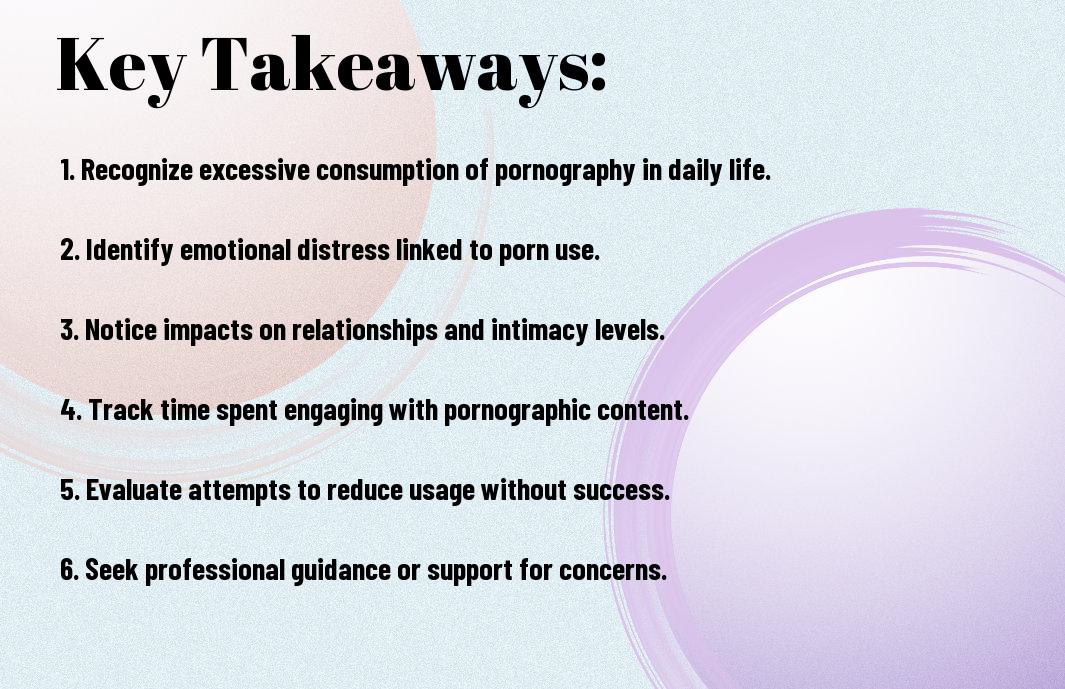
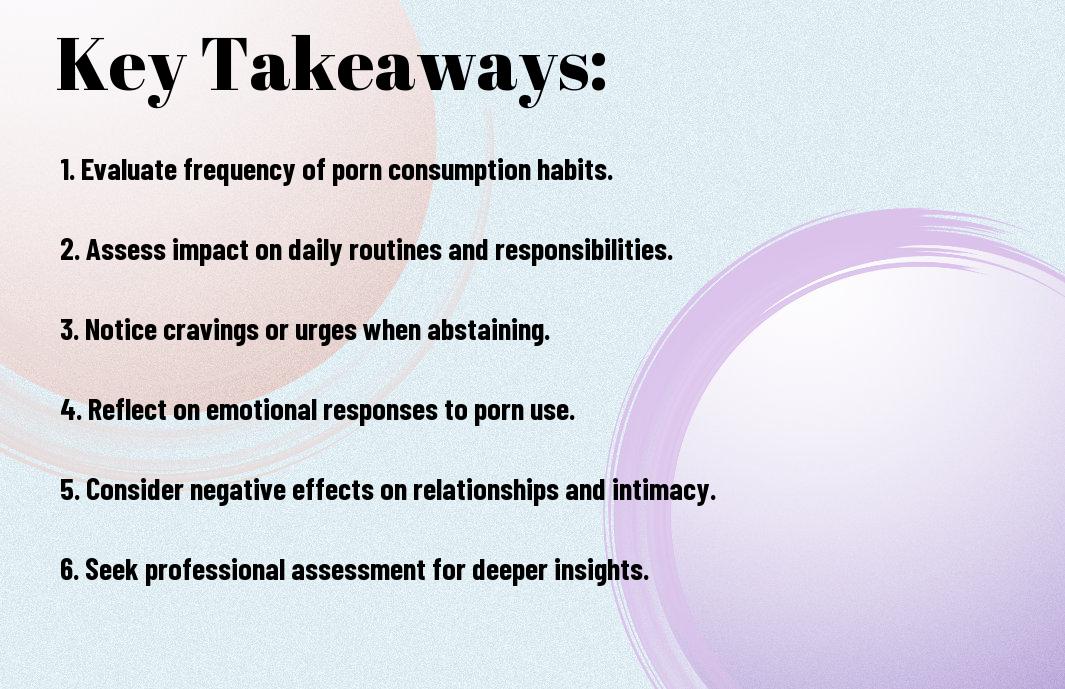
    Key Takeaways:

    • Assess the frequency of your viewing habits; a significant increase may indicate an issue.
    • Evaluate the impact of porn on your relationships, work, and personal life.
    • Consider feelings of guilt or shame associated with porn consumption.
    • Pay attention to your inability to cut back or stop despite wanting to.
    • Reflect on any reliance on porn for emotional relief or escapism.
    • Observe whether you seek increasingly explicit content to achieve the same level of arousal.
    • Utilize online quizzes and self-assessment tools for a clearer perspective on your habits.
    Seeking Professional Help for Porn Addiction: When and How — illustration 2

    Seeking Professional Help for Porn Addiction: When and How — illustration 3

    Understanding Porn Addiction

    For many individuals, distinguishing between casual consumption and unhealthy reliance on pornography can be challenging. Recognizing the signs of porn addiction is vital for addressing its potential impact on your life, relationships, and mental health.

    Understanding the nature of this issue helps in determining if your habits may be leading to compulsive behavior that needs attention.

    Defining Porn Addiction

    Addiction to pornography refers to an uncontrollable urge to consume pornographic material, resulting in detrimental effects on various aspects of your daily life.

    When pornography use transforms from a personal choice to a compulsion that interferes with personal relationships, responsibilities, and overall well-being, it may indicate a deeper issue requiring intervention.

    Signs and Symptoms

    Before you can assess your relationship with pornography, it’s important to identify the common signs and symptoms associated with addiction.

    These may include preoccupation with sexual content, neglecting responsibilities in favor of consuming pornography, and experiencing emotional distress or withdrawal symptoms when unable to engage with it.

    To better understand your habits, consider the frequency of your consumption and its impact on your life. Are you spending increasing amounts of time viewing pornography? Do you find yourself hiding this behavior from others or feeling guilt and shame afterwards?

    These signs can point to a problematic relationship with pornography, indicating that your consumption may have crossed the line into addiction. Addressing these symptoms early on can pave the way for healthier habits and improved well-being.

    The Impact of Porn Addiction

    There’s a growing recognition of the negative effects that porn addiction can have on your life. If you’re questioning your relationship with porn, exploring Top 10 Signs of Porn Addiction can help you identify potential issues affecting your mental health and overall well-being.

    Emotional Effects

    Emotional turmoil is often an overlooked consequence of porn addiction. You may find yourself experiencing feelings of guilt, shame, or anxiety, as these emotional states can complicate your ability to enjoy relationships and personal achievements.

    This ongoing cycle can lead to decreased self-esteem and heightened stress.

    Relationship Consequences

    With a reliance on porn, your romantic relationships may suffer significantly. You might struggle to connect with partners, leading to dissatisfaction and emotional distance.

    Increased comparison to unrealistic standards can prevent you from fully engaging with your loved ones, which in turn can create tension and misunderstandings.

    Even slight detachment in your relationships can snowball, causing trust issues and a lack of intimacy. You might find it challenging to communicate openly about your needs or desires, fostering resentment.

    If left unaddressed, this can erode the foundation of your relationships, leading to isolation or even breakups. Examining your porn use in the context of these dynamics could be an important step towards healthier connections.

    Self-Assessment Tools

    Now is the time to explore self-assessment tools to better understand your relationship with porn. Utilizing these tools can provide insights into your behaviors, triggers, and how they may affect your life.

    By engaging in self-reflection, you can gain a clearer picture of whether your usage may be crossing a line into addiction.

    Reflective Questionnaires

    Against the backdrop of your daily habits, reflective questionnaires serve as a tangible way to evaluate your relationship with porn.

    They prompt you to consider important aspects of your usage, such as frequency, emotional triggers, and the impact on your personal life, helping you gauge where you may stand.

    Journaling Techniques

    Across your journey of self-discovery, journaling techniques can serve as powerful tools for reflection. These methods encourage you to articulate your thoughts and feelings about your porn consumption, offering you clarity and perspective on how it affects your mental health and relationships.

    Hence, by maintaining a dedicated journal, you can track patterns and shifts in your emotions, helping to reveal underlying issues driving your behaviors. Regular entries allow you to visualize changes over time, identify triggers, and develop healthier coping strategies.

    This reflective practice not only enhances self-awareness but also fosters a deeper understanding of your motivations and desires.

    Seeking Professional Help for Porn Addiction: When and How — illustration 4

    Seeking Professional Help

    Keep in mind that seeking professional help is a vital step in addressing your pornography addiction. A mental health professional can guide you through the complexities of your situation, tailoring strategies for growth and healing.

    By engaging in therapy or support groups, you’ll find the encouragement needed to regain control of your life, leading to healthier relationships and a more fulfilling lifestyle.

    Therapy Options

    With numerous therapeutic approaches available, you can find one that fits your needs best. Cognitive Behavioral Therapy (CBT) is particularly effective in addressing unwanted behaviors and thought patterns.

    Additionally, some therapists specialize in sexual health and addiction, providing personalized guidance to help you establish healthier habits and coping mechanisms.

    Support Groups

    Before deciding on your path, consider joining a support group. Connecting with others who face similar challenges can foster a sense of community and understanding. These groups often create a safe space for you to share your experiences without fear of judgment.

    At support groups, you’ll find people who can relate to your struggles, which can validate your feelings and experiences. Sharing stories and insights encourages mutual support and accountability, helping you feel less isolated in your journey.

    Many groups also offer practical strategies and resources for overcoming addiction, providing you with tools to implement in your daily life. These connections can be invaluable as you work towards recovery and healthier habits.

    Building Healthy Habits

    Unlike merely cutting back on porn consumption, building healthy habits involves fostering a balanced lifestyle that supports your overall well-being. This includes nurturing relationships, exploring personal interests, and prioritizing self-care.

    By making intentional choices each day, you can create a more fulfilling life that diminishes the desire for excessive porn use and enhances your emotional resilience.

    Setting Boundaries

    Behind every healthy habit is a set of boundaries designed to protect your time and mental space. Establishing clear limits on when and where you use technology can significantly reduce temptations.

    For example, consider implementing screen-free zones or times in your day. This will empower you to regain control over your habits and create an environment conducive to healthier choices.

    Alternative Activities

    To navigate away from your porn habits effectively, seek out alternative activities that engage your mind and body positively. Exercising, reading, or learning a new skill can redirect your focus and energy into something productive and fulfilling.

    These activities not only fill your time but also enrich your life, offering new experiences and social interactions that may have been previously overlooked.

    But it’s not enough to just fill your time; you need to consciously choose activities that align with your values and goals. Try joining a local sports team, participating in community events, or exploring creative hobbies like painting or writing.

    Engaging with others through these activities can foster a sense of community and support, helping you to connect in meaningful ways and reduce the impulse to resort to porn. Prioritize activities that bring you joy and satisfaction, making them a pivotal part of your daily routine.

    Technology and Tools for Recovery

    After identifying your potential struggles with porn addiction, utilizing technology can serve as a powerful ally in your recovery journey. Resources like Porn Addiction Signs & Symptoms provide valuable insights to help you stay aware and proactive.

    Embracing modern tools can significantly enhance your path to a healthier relationship with sexuality.

    Apps and Software

    Above all, there are dedicated apps and software designed specifically for those aiming to overcome porn addiction. These tools can help you track usage patterns, set goals, and even connect with support networks.

    Engaging with such technology can empower you to make informed decisions and build a more positive routine.

    Online Resources

    Along with mobile apps, various online resources exist to support your recovery process. Websites, forums, and online communities provide critical information, shared experiences, and a sense of camaraderie.

    Technology now enables you to easily access educational materials and connect with individuals who share your journey, making it easier than ever to find the support you need.

    Technology plays an integral role in your recovery. It offers numerous online platforms where you can find articles, forums, or videos that help you understand your behaviors better.

    Additionally, some websites provide interactive workshops and webinars led by professionals, giving you valuable strategies and coping mechanisms. Engaging with these resources can enhance your understanding and foster a supportive environment for your healing process.

    Final Words

    With these considerations, you can better assess your relationship with pornography and identify if it’s turning into an addiction. Utilize the nine necessary tools presented to reflect on your habits, emotions, and behaviors surrounding porn use.

    By being honest with yourself and seeking support when needed, you can take proactive steps toward healthier patterns that promote well-being and balance in your life.

    FAQ

    Q: What are some signs that indicate I might have a porn addiction?

    A: Common signs of porn addiction include an inability to control your consumption of porn, the use of porn to escape from stress or emotions, neglecting responsibilities or relationships in favor of porn, and feeling compelled to watch porn despite negative consequences.

    If you notice persistent cravings and escalating use, it may be indicative of an addiction.

    Q: How can I assess my level of porn consumption?

    A: To assess your level of consumption, track the time you spend watching porn each week. Note how often you turn to porn in various situations, such as when you’re bored or stressed.

    Additionally, consider your thoughts and feelings associated with watching porn – do they lead to shame or guilt? Reflecting on these factors can give better insight into your habits.

    Q: What are some psychological tools to evaluate my relationship with porn?

    A: Tools such as self-assessment questionnaires or behavioral diaries can be helpful. These may include prompts that ask about your viewing habits, emotional responses, and the impact of porn on your life.

    Engaging in mindfulness practices can also assist you in understanding your urges and how they affect your mental health.

    Q: Can talking to a therapist help with porn addiction?

    A: Yes, seeking guidance from a mental health professional can be beneficial. Therapists can provide effective strategies, support, and coping mechanisms specific to your situation. They can help explore underlying issues, such as anxiety or depression, that may contribute to your porn use.

    Q: What role does setting boundaries play in overcoming porn addiction?

    A: Setting boundaries is vital in managing and reducing your porn consumption. This can involve creating specific times when you avoid triggers, limiting access to devices during certain hours, or finding alternative activities to engage in.

    Clear boundaries can help cultivate healthier behaviors and limit exposure.

    Q: Are there support groups available for porn addiction?

    A: Yes, there are various support groups such as Sex Addicts Anonymous (SAA) and online forums where individuals share their experiences and provide mutual support. These communities can offer a sense of belonging, encouragement, and resources to help individuals on their journey to recovery.

    Q: What other alternatives can help in reducing porn consumption?

    A: Engaging in hobbies, improving social interactions, and focusing on physical activity can significantly help divert your attention away from porn.

    Additionally, developing healthier coping mechanisms for stress and emotional challenges, such as journaling, meditation, or exercise, can enhance overall well-being and reduce reliance on porn as an escape.

    Understanding porn addiction is essential for recovery. Many people struggle with porn addiction silently, but recognizing the patterns of porn addiction is the first step toward change.
    Understanding porn addiction is essential for recovery. Many people struggle with porn addiction silently, but recognizing the patterns of porn addiction is the first step toward change.
    Understanding porn addiction is essential for recovery. Many people struggle with porn addiction silently, but recognizing the patterns of porn addiction is the first step toward change.

    Understanding porn addiction is essential for recovery. Many people struggle with porn addiction silently, but recognizing the patterns of porn addiction is the first step toward change.

    Related reading

  • Porn Addiction: 11 Powerful Facts You Must Know

    Porn Addiction: 11 Powerful Facts You Must Know

    Start with our signs of porn addiction guide for background.

    Porn consumption can quickly become a problematic behavior that affects your personal life, relationships, and overall well-being. If you find yourself questioning whether your viewing habits have turned into an addiction, you’re not alone.

    In this blog post, we’ll explore eleven effective tools you can use to assess your relationship with porn. By utilizing these resources, you can gain clearer insights into your habits and take proactive steps toward healthier choices.

    Key Takeaways:

    • Understanding the signs of porn addiction is imperative for identifying the issue, which may include excessive consumption and neglecting responsibilities.
    • Tools and resources available for self-assessment can help evaluate your relationship with porn.
    • Regular patterns of binge-watching porn may indicate a need for intervention and reflection on your habits.
    • Assessing the impact of porn on mental health and relationships is important in recognizing potential addiction symptoms.
    • Seeking support from professionals or support groups can be beneficial for those struggling with porn-related challenges.
    • Awareness of emotional triggers that lead to watching porn can aid in developing healthier coping mechanisms.
    • Creating a plan to reduce pornography consumption can support individuals in regaining control over their habits.

    Porn Addiction: 11 Powerful Facts You Must Know

    Understanding Porn Addiction

    While many people engage with adult content as a normal part of their sexuality, understanding when it crosses into addiction is important. Porn addiction can disrupt your daily life, relationships, and mental wellbeing.

    Identifying the signs early can help you regain control and improve your quality of life.

    Definition of Porn Addiction

    By definition, porn addiction refers to a compulsive pattern of viewing pornography that leads to negative consequences in various aspects of your life. It is characterized by an inability to stop or reduce consumption, despite your awareness of these consequences.

    Common Signs and Symptoms

    The most typical signs of porn addiction include an increased tolerance, where you require more extreme content to achieve the same level of satisfaction.

    Other symptoms may include neglecting personal relationships, feeling irritable when unable to view porn, and spending excessive time online searching for adult material.

    Addiction manifests itself through various behaviors that can significantly affect your life. You may find yourself withdrawing from social activities or relationships, prioritizing porn consumption over vital tasks.

    Additionally, you might use porn as a coping mechanism for stress or emotional turmoil. These patterns not only hinder personal growth but can also lead to feelings of shame and isolation.

    Porn Addiction: 11 Powerful Facts You Must Know — illustration 2

    Self-Assessment Tools

    It is imperative to explore self-assessment tools when evaluating your relationship with pornography. These tools can provide you with insight into your habits, behaviors, and emotional triggers surrounding porn use.

    By taking a proactive approach, you can better understand whether your consumption has crossed into addictive territory. The right self-assessment tool can guide you in making informed decisions about your health and well-being.

    Quizzes and Questionnaires

    On your journey to understanding your porn use, quizzes and questionnaires can serve as valuable instruments. Many online resources offer quick assessments that help identify patterns or problematic behaviors.

    These questions typically cover topics such as frequency of use, emotional responses, and impacts on your daily life, allowing you to evaluate your habits more objectively.

    Journaling and Reflection Techniques

    After engaging with quizzes, journaling and reflection techniques can deepen your self-awareness. Writing about your feelings and experiences related to porn use will help you uncover underlying motives that may drive your consumption.

    This practice allows you to process your emotions and develop a clearer picture of how this behavior affects your mental and emotional health.

    Another benefit of journaling and reflection techniques is that they encourage accountability. By regularly documenting your thoughts, triggers, and experiences, you can identify patterns in your behavior that may not be apparent at first.

    This ongoing dialogue with yourself not only fosters self-discovery but also helps track your progress as you work toward healthier habits. Over time, these reflections can empower you to make positive changes and develop a more balanced relationship with pornography.

    Porn Addiction: 11 Powerful Facts You Must Know — illustration 3

    Professional Assessment Tools

    Many individuals struggle with recognizing their relationship with pornography, and utilizing professional assessment tools can provide clarity.

    Engaging with resources such as QuitByHealing – beat p*rn addiction to level up your life can be an effective first step toward understanding your behaviors and finding support.

    Diagnostic Interviews

    For a comprehensive understanding of your situation, diagnostic interviews are conducted by trained professionals who explore your usage patterns, emotional triggers, and the impact on your daily life.

    These interviews facilitate a deep probe your experiences, helping you to better articulate your challenges.

    Clinical Assessments

    To gain a clearer picture of your habits, clinical assessments employ standardized questionnaires and psychological evaluations. These tools are designed to identify patterns of behavior, emotional responses, and potential co-occurring mental health issues that may be linked to porn consumption.

    Another significant advantage of clinical assessments is their ability to provide a quantitative measure of your behaviors. By analyzing your responses, clinicians can develop tailored treatment plans that address your unique needs and circumstances.

    This data-driven approach not only helps in pinpointing the severity of the addiction but also fosters a more informed recovery journey.

    Behavioral Tracking

    After gaining insight into your habits, behavioral tracking can significantly aid you in assessing your relationship with porn. This method allows you to monitor your usage patterns, triggers, and cravings, offering a comprehensive view of how and when porn impacts your daily life.

    By employing specific tools or apps dedicated to tracking these behaviors, you can make informed decisions about your consumption and take steps towards healthier patterns.

    Monitoring Usage Patterns

    Among the most effective ways to understand your porn usage is by monitoring your patterns over time. You can track how often you engage with porn and the contexts in which you typically do so.

    Keeping a record can help you recognize if there are particular times when you feel compelled to watch porn, leading to greater self-awareness and control over your habits.

    Identifying Triggers and Cravings

    Between various daily activities, specific situations or emotions may prompt cravings for pornographic content. Detecting these triggers can be beneficial as it allows you to develop healthier coping mechanisms.

    Identifying what prompts these cravings means you can find alternative ways to address the feelings or circumstances driving your desire to engage with porn.

    With consistent tracking, you can analyze patterns related to your triggers and cravings, helping you pinpoint emotional states or situations that lead to the urge to watch porn. This understanding can become your first step toward managing and potentially eliminating these urges.

    By recognizing these influences, you can better equip yourself with strategies to cope without relying on porn, leading to healthier habits and improved well-being.

    Support Systems

    Despite the challenges of facing a porn addiction alone, having a strong support system can make a significant difference in your recovery journey. Surrounding yourself with understanding individuals, whether through professional help or peer support, will give you the encouragement needed to overcome this struggle.

    Finding the right support can empower you to make lasting changes in your life.

    Therapy and Counseling Options

    Behind every effective recovery plan lies the importance of therapy and counseling. Engaging with a qualified therapist can help you explore the underlying issues contributing to your addiction.

    Professionals can provide you with personalized strategies and coping mechanisms, facilitating a deeper understanding of your relationship with pornography.

    Support Groups and Communities

    Against isolation, support groups and communities provide a safe space for you to share your experiences and learn from others. These gatherings foster a sense of belonging and understanding, allowing you to connect with individuals who face similar challenges.

    The shared experiences within these groups can often help you feel less alone in your journey.

    Communities focused on porn addiction support often offer various resources, including regular meetings, online forums, and educational materials. Being part of such a community encourages open dialogue about struggles and successes, allowing you to gain insights from others’ experiences.

    Engaging with a support group not only helps in recovery but also promotes accountability, making it easier for you to commit to your goals.

    Porn Addiction: 11 Powerful Facts You Must Know — illustration 4

    Coping Strategies

    To navigate the challenges of a porn addiction, developing effective coping strategies is imperative. These strategies can help you regain control over your habits, reduce urges, and promote a healthier lifestyle.

    By implementing these tools, you can foster a sense of well-being and make strides toward overcoming your addiction.

    Healthy Alternatives to Pornography

    Above all, finding healthy alternatives to pornography is vital for redirecting your focus and energy. Engage in activities such as exercise, reading, or pursuing hobbies that interest you.

    These alternatives not only distract you but help you develop new passions, thereby enriching your life and reducing the temptation to seek out pornographic material.

    Mindfulness and Self-Control Techniques

    Before addressing cravings, it’s imperative to cultivate mindfulness and self-control techniques. These methods will assist you in managing your impulses and becoming more aware of your triggers.

    Developing these skills allows you to better navigate situations that may provoke the urge to indulge in pornography.

    Techniques such as deep breathing exercises, meditation, and journaling can help you maintain control over your thoughts and reactions. Practicing mindfulness allows you to observe your urges without acting on them, while self-control techniques empower you to make better choices in those moments of temptation.

    By integrating these practices into your daily routine, you gradually build resilience against old habits and foster a sense of empowerment, ultimately supporting your journey towards recovery.

    Summing up

    As a reminder, identifying whether you have a porn addiction involves self-assessment, reflection, and utilizing tools that can help measure your habits. By evaluating your consumption patterns and their impact on your daily life, relationships, and responsibilities, you can gain valuable insights.

    It’s important to approach this topic with honesty and openness, allowing you to seek support or make necessary changes for your well-being. By taking these steps, you take charge of your health and empower yourself to make informed decisions about your relationship with pornography.

    FAQ

    Q: What are the common signs of porn addiction?

    A: Common signs of porn addiction include spending excessive time viewing pornographic material, feeling compelled to watch it despite negative consequences, experiencing withdrawal symptoms when not able to access porn, and using porn as a coping mechanism for stress or emotional issues.

    Q: How can I assess my relationship with porn?

    A: You can assess your relationship with porn by reflecting on how it impacts your daily life, relationships, and responsibilities. Consider keeping a journal to note your feelings and behaviors related to porn consumption, and evaluate how often and why you turn to it.

    Q: Are there specific tools available for evaluating porn addiction?

    A: Yes, there are various tools designed to evaluate porn addiction, including self-assessment questionnaires, online surveys, and structured interviews with mental health professionals. These tools often help identify patterns and severity of dependency related to porn use.

    Q: What resources are available for those seeking help with porn addiction?

    A: Resources for help include therapists specializing in sexual health, support groups for individuals struggling with porn addiction, online forums, and self-help books focused on overcoming addiction. Many organizations also provide hotlines for immediate support.

    Q: Can porn addiction affect my relationships?

    A: Yes, porn addiction can negatively impact relationships by creating unrealistic expectations, reducing intimacy, and leading to feelings of betrayal or inadequacy among partners. Open communication and seeking professional help can mitigate these effects.

    Q: How does one break free from porn addiction?

    A: Breaking free from porn addiction involves acknowledging the issue, setting clear goals, identifying triggers, and finding healthier coping mechanisms. Many individuals find success with therapy, support groups, and practicing mindfulness to reduce dependency on porn.

    Q: Is it possible to have a healthy relationship with porn?

    A: Yes, it is possible to have a healthy relationship with porn when consumption is moderate and doesn’t interfere with daily life, relationships, or mental well-being. Awareness and setting personal limits can help maintain a balanced approach to viewing pornographic material.

    Understanding porn addiction is essential for recovery. Many people struggle with porn addiction silently, but recognizing the patterns of porn addiction is the first step toward change.

    Understanding porn addiction is essential for recovery. Many people struggle with porn addiction silently, but recognizing the patterns of porn addiction is the first step toward change.

    Related reading

Skip to content