
Start with our signs of porn addiction guide for background.
Many people may not realize that porn-induced erectile dysfunction (PIED) can significantly contribute to anxiety. When you find it difficult to perform sexually due to your reliance on porn, it can create a cycle of self-doubt and stress. This can impact your self-esteem and relationships, making it challenging to engage with intimacy.
Understanding the link between PIED and anxiety is important for overcoming these challenges. For further insights, you might want to explore whether Can Porn Addiction Lead to Anxiety?
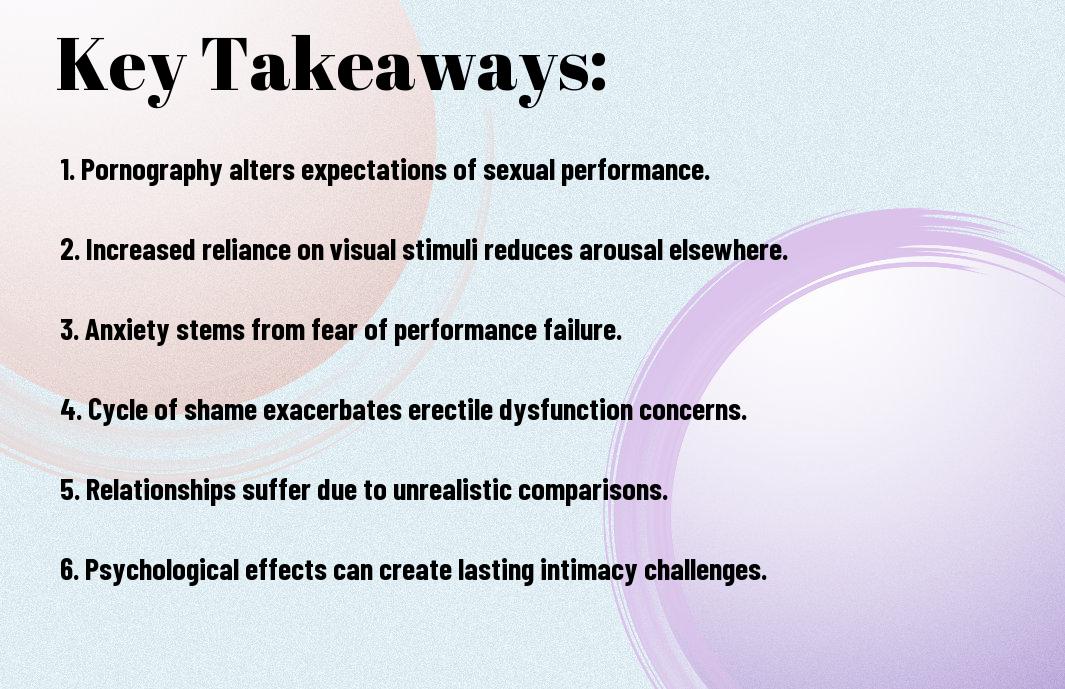
Key Takeaways:
- Porn-induced erectile dysfunction (PIED) can create a cycle of anxiety as individuals start to fear sexual performance and intimacy, leading to increased stress during real-life encounters.
- The unrealistic expectations set by pornography can contribute to performance anxiety, as individuals may feel inadequate when comparing themselves to actors and scenarios presented in adult films.
- Overconsumption of pornography can desensitize individuals to sexual stimuli, making it difficult to achieve arousal in real-life situations, which may heighten feelings of frustration and anxiety.
- Social and relational factors, such as fear of judgment and comparison with peers, can exacerbate anxiety linked to PIED, impacting self-esteem and interpersonal connections.
- Addressing PIED often requires a multifaceted approach, including therapy, open communication with partners, and adjusting personal consumption habits to rebuild confidence in sexual relationships.

Porn Addiction: Understanding Porn-Induced Erectile Dysfunction
To appreciate the impact of porn-induced erectile dysfunction (PIED), it’s important to recognize how excessive porn consumption disrupts your sexual health. PIED occurs when, after frequent exposure to pornography, you find it increasingly challenging to achieve or maintain an erection during sexual activity with a partner.
This condition can lead to feelings of inadequacy and anxiety, further complicating your sexual experiences.
Definition and Symptoms
Around 30% of men experience erectile dysfunction at some point, and this can often be linked to porn consumption. Symptoms of PIED include difficulty getting or sustaining an erection, reduced sexual desire, and feelings of shame or guilt related to your sexual performance.
These experiences can disrupt your intimate relationships and contribute to a cycle of anxiety and decreased self-esteem.
The Mechanism Behind Porn Addiction
At its core, porn addiction is driven by the brain’s reward system, where viewing explicit content triggers the release of dopamine, a neurotransmitter associated with pleasure. Over time, the continuous exposure to porn can rewire your brain’s pathways, making it difficult to find satisfaction in real-life sexual encounters.
Consequently, you may find that you depend on porn for arousal, leading to diminished sexual performance when interacting with a partner.
Understanding the mechanisms behind porn addiction is vital for addressing PIED effectively. When you engage with pornographic material, your brain establishes strong neural connections tied to instant gratification.
This conditioning can create unrealistic expectations regarding sexual performance and pleasure, leaving you feeling unsatisfied with natural intimacy. As a result, the more you rely on porn, the more difficult it becomes to engage in healthy sexual relationships, often leading to heightened anxiety and stress surrounding your sexual encounters.

The Link Between Erectile Dysfunction and Anxiety
Clearly, erectile dysfunction (ED) and anxiety are intertwined, creating a cycle that can significantly impact your mental health and sexual experiences. When you face difficulties in achieving or maintaining an erection, the resulting frustration and fear of failure can heighten your anxiety levels.
This connection can lead to a negative feedback loop where the more anxious you become about your performance, the more likely you are to experience ED, further deepening your feelings of inadequacy and stress.
Psychological Impact of ED
After struggling with erectile dysfunction, it’s common to experience feelings of embarrassment and low self-esteem. These negative emotions can seep into various aspects of your life, affecting your relationships and daily activities.
The psychological toll of ED can be substantial, leading to increased anxiety and a sense of hopelessness about your sexual health, which can create further barriers to intimacy and connection.
How Anxiety Affects Sexual Performance
On the other hand, anxiety directly impacts your sexual performance, often leading to a self-fulfilling prophecy. When you’re anxious about being unable to perform, your body may respond with physical tension and a racing mind, which can inhibit your ability to become fully aroused.
Consequently, this anxiety can manifest as a fear of failure, preventing you from enjoying the moment and, in turn, disrupting your sexual experience.
Considering the relationship between anxiety and sexual performance, it becomes evident that managing anxiety is necessary for improving your sexual health. When you are preoccupied with thoughts of inadequacy, your body may not respond as you hope, further reinforcing your fears.
You may find that simple relaxation techniques or addressing underlying issues with a professional can significantly enhance your sexual confidence and overall experience, allowing for a healthier and more satisfying intimate life.
Social Stigma and Isolation
Now, it’s necessary to understand how social stigma surrounding porn-induced erectile dysfunction can contribute to feelings of isolation. Many individuals feel an overwhelming sense of shame when dealing with this issue, often preventing them from reaching out for help or discussing their experiences openly.
This silence can create a feedback loop of anxiety, making it even more challenging to seek support or find solutions.
Fear of Judgment
Judgment from others can severely affect your willingness to confront erectile dysfunction related to porn use. You may worry that friends, family, or even healthcare professionals will ridicule or criticize you, leading to a reluctance to engage in necessary conversations about your sexual health.
This fear can exacerbate feelings of isolation and prevent you from accessing vital support and resources.
Impact on Relationships
Stigma surrounding your erectile dysfunction can also strain your relationships. You may find it challenging to be vulnerable with your partner, fearing that they will be disappointed or judge your sexual performance. This reluctance can create emotional distance and misunderstandings, leading to a cycle of anxiety and dissatisfaction in your relationship.
Plus, avoiding conversations about your struggles can limit intimacy, making it harder for you both to address underlying issues and strengthen your bond. Open communication is vital for fostering a supportive environment where both partners feel understood and valued.
Coping Strategies for Affected Individuals
For those experiencing porn-induced erectile dysfunction, it’s important to adopt coping strategies that can help manage anxiety while improving your overall sexual health. You may find it beneficial to engage in open communication with your partner to alleviate some of the pressure you feel.
Additionally, educating yourself about the effects of porn on sexual function can empower you while fostering a healthier perspective on intimacy. Implementing lifestyle changes like exercise, nutrition, and sleep hygiene can also significantly contribute to improving your mental and physical well-being.
Seeking Professional Help
Among the most effective ways to address porn-induced erectile dysfunction is to seek professional help. Consulting with a therapist or psychologist who specializes in sexual health can provide you with personalized guidance.
They can help you work through any underlying emotional or psychological issues while developing tailored coping strategies and action plans. Professional help can also offer a safe space to discuss your concerns, reinforcing the idea that you are not alone in this experience.
Mindfulness and Relaxation Techniques
For many individuals, incorporating mindfulness and relaxation techniques can be an effective coping strategy. These practices can help reduce anxiety and promote a more relaxed state of mind, which may improve your ability to achieve and maintain an erection.
Mindfulness involves focusing your attention on the present moment, allowing you to detach from anxious thoughts related to performance and self-worth.
Another approach you might find beneficial is practice in techniques such as deep breathing, yoga, or meditation. These methods help calm the nervous system and can ground you emotionally, enabling you to manage stress better.
By incorporating these relaxation techniques into your daily routine, you can develop greater emotional resilience and create a more supportive mental space for intimacy, ultimately improving your sexual health and overall well-being.
The Role of Education and Awareness
After understanding the connection between porn-induced erectile dysfunction and anxiety, it’s imperative to prioritize education and awareness on the topic. By becoming informed, you gain the tools to navigate your experiences and engage in healthier sexual practices.
Increased awareness can improve your emotional well-being, help dissolve misunderstandings, and foster a more supportive environment for those affected by these issues.
Reducing Stigma through Open Conversations
One of the most effective ways to combat stigma surrounding porn-induced erectile dysfunction is through open conversations. By discussing your experiences and challenges with trusted friends or partners, you can create a more supportive atmosphere, reducing feelings of isolation and shame.
These discussions empower you and others to share similar struggles, fostering a sense of community and understanding.
Informing Partners and Communities
Reducing stigma not only involves candid conversations, but also sharing knowledge with your partners and communities. When you inform those around you about the effects of porn on sexual performance, it can help foster understanding and empathy.
Through educational initiatives, social gatherings, and discussions, you can enlighten others about the challenges faced by individuals experiencing porn-induced erectile dysfunction.
Considering the impact porn-induced erectile dysfunction can have on relationships, it’s vital to inform your partner and community. This education encourages healthier discussions about sexual expectations and performance, promoting open communication strategies.
By addressing these issues collectively, you contribute to a more informed, compassionate environment that supports both your well-being and that of others. The knowledge shared can alleviate misunderstandings and foster stronger connections in your relationships.
Future Research Directions
Keep exploring the connection between porn-induced erectile dysfunction (PIED) and anxiety is crucial for developing effective interventions.
Future research should focus on understanding the psychological mechanisms at play and the long-term repercussions of PIED, allowing for more targeted treatments that address not only the symptoms but also the underlying causes.
Investigating Long-term Effects
To truly grasp the impact of PIED on mental health, researchers must investigate its long-term effects. This includes understanding how prolonged exposure to porn may alter your sexual response and overall emotional wellbeing.
By studying individuals over time, scientists can determine not only how PIED develops but also its potential implications for anxiety disorders.
Possible Therapeutic Approaches
Future studies should explore various therapeutic approaches to help you overcome PIED and its associated anxiety. These may include cognitive-behavioral therapy (CBT), mindfulness practices, or educational programs focused on healthy sexual behaviors.
Even combining these therapeutic strategies with lifestyle modifications—such as reducing screen time, engaging in physical activity, and fostering open communication in relationships—may further enhance your recovery.
As the understanding of PIED evolves, ongoing research can help shape effective programs to support your mental health, sexual function, and overall quality of life.
Final Words
With these considerations, it’s clear that porn-induced erectile dysfunction can generate significant anxiety as it affects your self-esteem and perception of sexual performance. The repetitive use of pornography can condition your brain to respond to unrealistic standards, making real-life intimacy feel inadequate.
This cycle can lead to increased pressure and anxiety, further exacerbating the issue. Understanding this relationship helps you to address the underlying factors, empowering you to take proactive steps toward regaining confidence and improving your sexual health.
FAQ
Q: What is porn-induced erectile dysfunction (PIED)?
A: Porn-induced erectile dysfunction (PIED) refers to a condition where an individual experiences difficulties in achieving or maintaining an erection, attributed to exposure to pornography.
Frequent and excessive consumption of pornographic content can change an individual’s sexual arousal patterns, leading to issues in real-life sexual encounters.
Q: How does PIED lead to anxiety in individuals?
A: PIED can lead to anxiety due to the psychological distress experienced when one is unable to perform sexually, especially if there is a perceived pressure to perform.
The fear of failing to achieve an erection can create a cycle of anxiety, making it even tougher to engage in sexual activity or intimacy.
Q: Is the anxiety caused by PIED different from general anxiety?
A: Yes, the anxiety related to PIED is often specifically linked to sexual performance and intimacy.
While general anxiety can stem from a range of issues, anxiety from PIED is typically tied to past experiences and the fear of repeating those experiences in intimate situations, creating a unique set of emotional responses.
Q: Can the anxiety from PIED affect relationships?
A: Absolutely. Anxiety stemming from PIED can create tension in relationships, as it may lead to avoidance of sexual encounters or issues with communication between partners.
This can strain intimacy and trust, making it vital for those affected to seek support to work through these challenges with their partner.
Q: Is there a way to recover from PIED and the associated anxiety?
A: Yes, recovery is possible. Many individuals benefit from a combination of nofap ( abstaining from pornography), therapy, and open communication with partners.
Engaging in mindful practices, such as meditation or cognitive-behavioral therapy (CBT), can also help in addressing both PIED and the accompanying anxiety.
Q: Are there any specific therapies recommended for treating anxiety related to PIED?
A: Often, cognitive-behavioral therapy (CBT) is recommended as it helps individuals reframe negative thoughts and develop healthier relationships with sexual stimuli.
Other approaches may include mindfulness practices, sex therapy, or group therapy to discuss shared experiences with others facing similar challenges.
Q: How can awareness and education about PIED help reduce anxiety?
A: Awareness and education about PIED can equip individuals with the knowledge needed to understand their experiences, which reduces feelings of shame and isolation.
Being informed allows for healthier coping mechanisms and opens up dialogues with partners, which can alleviate anxiety surrounding sexual performance and encourage supportive interactions.
Understanding porn addiction is essential for recovery. Many people struggle with porn addiction silently, but recognizing the patterns of porn addiction is the first step toward change.
Understanding porn addiction is essential for recovery. Many people struggle with porn addiction silently, but recognizing the patterns of porn addiction is the first step toward change.
Understanding porn addiction is essential for recovery. Many people struggle with porn addiction silently, but recognizing the patterns of porn addiction is the first step toward change.
Understanding porn addiction is essential for recovery. Many people struggle with porn addiction silently, but recognizing the patterns of porn addiction is the first step toward change.
Understanding porn addiction is essential for recovery. Many people struggle with porn addiction silently, but recognizing the patterns of porn addiction is the first step toward change.
Understanding porn addiction is essential for recovery. Many people struggle with porn addiction silently, but recognizing the patterns of porn addiction is the first step toward change.
Understanding porn addiction is essential for recovery. Many people struggle with porn addiction silently, but recognizing the patterns of porn addiction is the first step toward change.
Understanding porn addiction is essential for recovery. Many people struggle with porn addiction silently, but recognizing the patterns of porn addiction is the first step toward change.
Understanding porn addiction is essential for recovery. Many people struggle with porn addiction silently, but recognizing the patterns of porn addiction is the first step toward change.