
Start with our signs of porn addiction guide for background.
Addiction can be a complex and daunting challenge, especially when it comes to porn. If you are looking to support someone through their struggle with this issue, understanding the differences between expert and amateur advice is vital.
You will learn effective strategies backed by professionals as well as common misconceptions that friends and family members often share. This comprehensive guide will equip you with the knowledge you need to provide informed and compassionate support to your loved one on their journey to recovery.
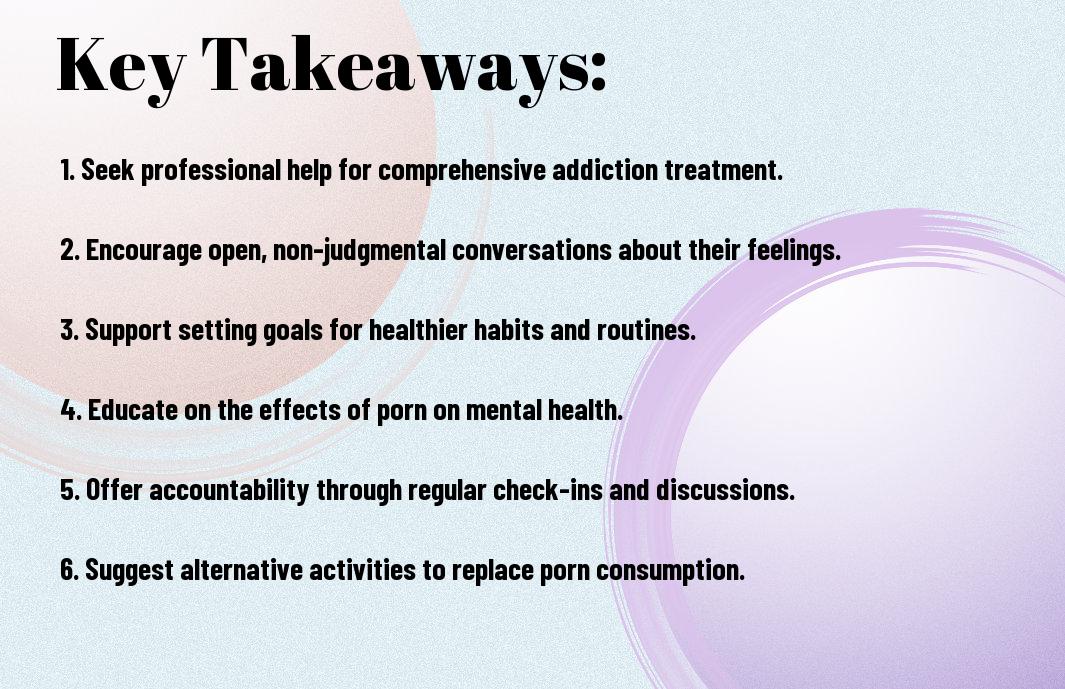
Key Takeaways:
- Professional help can provide a structured approach, including therapy and support groups, which may result in more effective recovery from porn addiction.
- Amateur advice often stems from personal experiences and may lack the depth of understanding of addiction as a mental health issue, making it less reliable in addressing core problems.
- Encouraging open communication with the person struggling can help them feel supported and less isolated, fostering a more conducive environment for change.
- Setting realistic goals and celebrating small victories is crucial for maintaining motivation throughout the recovery journey.
- Self-education and awareness about addiction can empower both the person affected and their support network, ensuring informed and empathetic assistance.

Understanding Porn Addiction
For many, porn addiction is a growing concern that significantly impacts relationships and personal well-being. It involves compulsive engagement with pornographic material, which can obscure genuine intimacy and emotional connection.
Recognizing the patterns and behaviors associated with porn addiction is important to understanding its effects on your life and those around you.
Defining Porn Addiction
Before you can address porn addiction, it’s important to identify what it entails. Porn addiction is characterized by an overwhelming desire to consume pornography, often leading to neglect of responsibilities, relationships, and overall life satisfaction.
You may find yourself preoccupied with finding and viewing pornography at the expense of other activities or obligations.
The Impact on Mental Health
After acknowledging your struggle with porn addiction, it becomes evident that mental health plays a significant role. You may experience heightened anxiety, depression, or loneliness, which can worsen as you remain stuck in a cycle of shame and guilt regarding your behavior.
Consequently, the detrimental effects of porn addiction on your mental health can lead to a variety of challenges, including impaired self-esteem and increased feelings of isolation. As you increasingly rely on pornography for emotional relief, it can replace healthy coping mechanisms, making it more difficult to manage stress and build meaningful connections.
Understanding these impacts is key to paving the way for recovery and improved mental well-being.

Signs and Symptoms
It can be challenging to identify a porn addiction, but certain signs and symptoms may indicate a problem. You might notice a preoccupation with pornography, escalating consumption, or neglecting personal relationships and responsibilities.
Recognizing these indicators early can help you address the issue effectively and support those affected.
Behavioral Indicators
Beside increased viewing habits, you may observe secrecy in behavior, compulsive usage, or a loss of interest in real-life intimacy. If you notice these signs, it can be an indication that the individual is struggling with their porn consumption.
Emotional and Physical Symptoms
The emotional and physical symptoms of porn addiction can vary widely. You may notice feelings of shame, guilt, or anxiety related to porn use, as well as mood swings and withdrawal symptoms when not consuming pornography.
For instance, anxiety or depression can arise when viewing pornography becomes a primary coping mechanism for stress or dissatisfaction. You might see physical manifestations like fatigue or insomnia due to excessive screen time.
These emotional and physical symptoms not only impact the individual but can affect relationships and overall life satisfaction. By identifying these signs, you can approach the situation with empathy and a focus on recovery.
Expert Advice on Addressing Porn Addiction
To effectively help someone struggling with porn addiction, it is vital to approach the situation with understanding and empathy. Experts advise creating a supportive environment that fosters open communication.
Encourage your friend to seek professional help, such as therapy or counseling, which can offer tailored strategies to address their addiction. Regular discussions can help maintain accountability and keep the individual motivated to make positive changes.
Therapeutic Approaches
Behind the scenes, therapeutic approaches like cognitive-behavioral therapy (CBT) are effective in addressing porn addiction. CBT focuses on identifying negative thought patterns and behaviors associated with addiction.
By guiding individuals to develop healthier coping mechanisms and relationships with sexual content, therapy can significantly help reshape their perspectives and habits, reinforcing their commitment to overcoming addiction.
Support Systems and Resources
Any support system, whether it’s friends, family, or support groups, plays a vital role in recovery from porn addiction. Having people who understand and accept your struggles can provide comfort and encouragement.
Online resources, forums, and local addiction support groups can also make a significant difference, offering valuable insights and strategies for your journey.
Consequently, building a strong support network is vital for long-lasting recovery. Engage with community resources, both in-person and online, where you can interact with others who share similar experiences. Consider finding local workshops that focus on healthy relationships and sexual wellness.
Additionally, self-help books and online courses can provide beneficial information and coping strategies. This layered approach not only enriches your understanding of the addiction but also empowers you and those you support on the path to recovery.
Amateur Advice and Common Misconceptions
Now, while you may find plenty of amateur advice online regarding porn addiction, it’s necessary to approach these insights with caution. Many misconceptions circulate, such as the belief that simply reducing screen time or avoiding specific stimuli will eliminate the addiction.
Often, these oversimplified methods overlook the psychological and emotional complexities involved, which can hinder rather than help your journey toward recovery.
Reasons for Seeking DIY Solutions
Beside the availability of easy-to-find resources, many individuals turn to DIY solutions due to a desire for immediate results and sometimes a reluctance to seek professional help. You may feel empowered at first, thinking that you can tackle the issue on your own without external intervention.
However, while self-help is well-intentioned, it can fall short in addressing deeper underlying issues.
Potential Risks of Amateur Advice
Along with the allure of accessible information, amateur advice can pose serious risks that you should be aware of.
This can include reinforcing negative behaviors, leading to feelings of guilt or shame, and ultimately prolonging your struggles with addiction rather than facilitating genuine recovery.
Amateur advice can inadvertently provide you with misleading strategies that fail to address the root causes of porn addiction. Often, this type of guidance lacks the depth and research-backed understanding that professionals offer.
You might find yourself trying out various unproven techniques or relying on anecdotal experiences that do not reflect your specific situation. Consequently, these risks can lead not only to frustration but may also worsen your addiction if not addressed properly.

Strategies for Supporting a Loved One
Keep in mind that supporting someone with a porn addiction requires patience and understanding. It’s imperative to create an environment where your loved one feels safe and not judged.
Engaging in open, honest discussions about their struggles can help alleviate feelings of isolation and encourage healthier habits. Focus on providing emotional support while also encouraging them to take steps towards recovery.
Communication Techniques
Around the topic of communication, it’s beneficial to approach conversations with empathy and openness. Practice active listening by giving your loved one the space to express their feelings without interruption.
Use “I” statements to express your concerns, which can prevent them from feeling defensive. This approach can foster understanding and build a stronger connection between you both.
Setting Boundaries and Encouraging Professional Help
About establishing boundaries, it’s important to create a framework that balances your needs with those of your loved one. Encourage them to seek professional help, as therapy can provide valuable tools and strategies for overcoming addiction.
Make it clear that you support their journey but also have limits regarding what you can handle.
But setting boundaries doesn’t mean cutting your loved one off; rather, it’s about defining what is acceptable for you while encouraging them to pursue professional treatment. Be explicit about your limits, whether it’s regarding certain behaviors or discussions, and ensure they understand your stance comes from a place of care.
Reinforcing the idea that seeking help is a sign of strength can motivate them to reach out to a therapist or support group, ultimately facilitating their recovery process.
The Role of Community and Support Groups
Unlike individual efforts, community and support groups can significantly enhance recovery from a porn addiction. Engaging with others who share similar experiences creates an environment of trust and understanding.
Resources such as glove_vocab.250k.txt may offer insight into the importance of connection in healing, showcasing how collective support can foster accountability and foster personal growth.
Finding a Support Network
By seeking a support network, you open yourself up to a community that understands and empathizes with your struggles. Consider local or online support groups specifically tailored for those battling porn addiction, where you can share your experiences and learn from others.
Connecting with individuals who resonate with your journey can make a profound difference in your recovery process.
The Importance of Shared Experiences
Support systems thrive on sharing experiences, which can alleviate feelings of isolation often associated with porn addiction. When you engage in discussions with others who have faced similar challenges, you gain unique perspectives and coping strategies that can aid your recovery.
This shared journey fosters deeper connections and a sense of belonging, providing the encouragement needed to overcome obstacles.
Support from those who have walked the same path allows you to express your feelings openly and without judgment. Hearing others articulate their struggles can validate your own experiences and reduce shame.
Additionally, this exchange of stories promotes the realization that recovery is a collective journey; you’re not alone, and others are navigating similar challenges. Being part of a supportive community encourages motivation and resilience as you work towards rekindling healthier relationship patterns.
Conclusion
Conclusively, addressing a porn addiction effectively requires a balanced approach, integrating both expert insights and supportive amateur advice. You can play a pivotal role in this journey by encouraging open communication and exploring professional resources, such as therapy or support groups.
Simultaneously, you should remain empathetic and understanding, strengthening your connection with the person affected. By combining these strategies, you not only help foster healthier habits but also contribute to their overall well-being and recovery process.
FAQ
Q: What are the signs that someone might have a porn addiction?
A: Signs of a porn addiction can vary from person to person, but common indicators include an inability to cut back on viewing habits, frequent preoccupation with pornographic content, neglecting responsibilities or relationships, and using porn as a way to escape stress or boredom.
If the individual starts to feel shame or guilt about their habits while feeling compelled to continue, it might further confirm a problem.
Q: How can I approach someone about their porn addiction without making them defensive?
A: Approach the conversation with empathy and understanding. Pick a private and calm setting to discuss the issue, and use “I” statements rather than “you” statements to express your concerns.
For example, say “I’ve noticed you seem withdrawn lately and I’m worried about you” rather than “You need to stop watching porn.” This can help reduce defensiveness and open the door to a more constructive dialogue.
Q: Is it better to suggest professional help or offer support as a friend?
A: It can be beneficial to provide both types of support. Suggesting professional help, such as therapy or support groups, can be pivotal for someone struggling with addiction, as professionals may offer structured methods for recovery.
Meanwhile, your support as a friend is invaluable; being there for them, helping them feel understood, and providing encouragement throughout their journey can make a significant difference.
Q: What resources are available for someone struggling with porn addiction?
A: Numerous resources are available for individuals battling porn addiction. Online support groups, such as local or international forums, can provide community and shared experiences. Websites like NoFap and Yourbrainonporn offer educational materials.
Additionally, consulting a licensed therapist specializing in addiction can help create tailored strategies for recovery. Books and workshops on the subject may also be helpful.
Q: Are there any self-help strategies that can be useful in overcoming porn addiction?
A: Yes, several self-help strategies can aid recovery. These may include setting clear goals to limit or eliminate porn consumption, utilizing apps that block access to adult content, and establishing healthier hobbies that offer fulfillment and distraction.
Journaling feelings and triggers can also uncover patterns and assist in understanding the underlying causes of the addiction.
Q: How can a loved one maintain their own well-being while supporting someone with a porn addiction?
A: It’s important for loved ones to prioritize their mental health while supporting someone with an addiction. This could involve setting boundaries regarding their involvement, engaging in self-care practices, and seeking support for themselves—whether through friends, family, or therapy.
Encouraging open communication can foster understanding while helping ensure that the caring for the individual does not come at their own expense.
Q: How long does it typically take for someone to overcome a porn addiction?
A: The time it takes to overcome a porn addiction varies widely depending on the individual and the severity of the addiction. Some people might start noticing improvements within a few weeks, while for others, it may take months or even years.
Recovery is not always linear, and setbacks can occur, but with sustained effort and support, many individuals can achieve positive change over time.