Tag: awareness

  • What Triggers Porn Addiction How to Know If You’re Affected

    What Triggers Porn Addiction How to Know If You’re Affected

    Acknowledging the potential impact of porn on your life is imperative for understanding your relationship with it. You may be wondering what factors could trigger porn addiction and how to recognize if you are affected. This informative post aims to shed light on the psychological and emotional triggers that contribute to this issue. By exploring these aspects, you can better understand your habits and make informed decisions about your well-being. Read more about porn addiction.

    What Triggers Porn Addiction How to Know If You’re Affected

    Key Takeaways:

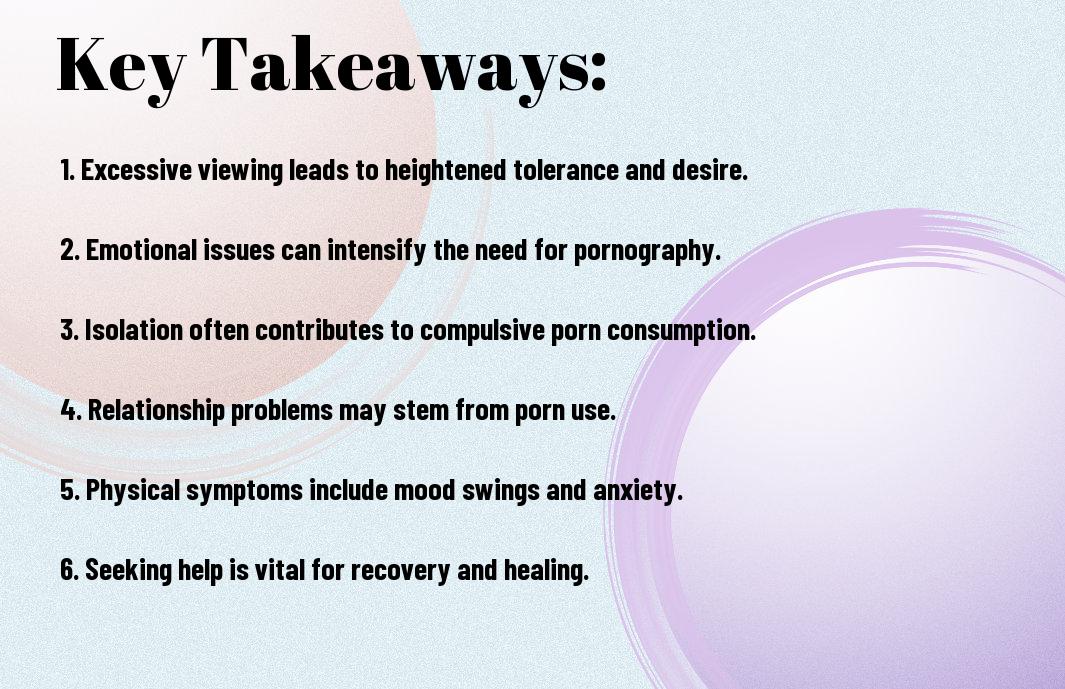
    • Pornography addiction can often be triggered by underlying issues such as stress, anxiety, or loneliness.
    • Compulsive behavior around porn consumption may lead to negative effects on personal relationships and mental health.
    • Signs of porn addiction include a preoccupation with porn, neglecting responsibilities, and using it as a coping mechanism.
    • Self-awareness is key; individuals should reflect on their habits and how they may be influencing their lives.
    • Seeking professional help can provide effective strategies and support for those struggling with addiction.
    • Establishing healthier coping mechanisms, such as exercise or social engagement, can reduce the reliance on porn.
    • Limitations on screen time and content filters can help manage consumption and prevent addictive behaviors.
    What Triggers Porn Addiction How to Know If You’re Affected — illustration 2

    Understanding Porn Addiction

    Before delving into the nature of porn addiction, it’s important to recognize the Signs of Porn Addiction. This awareness will help you identify if your consumption of pornography has crossed into problematic territory.

    Definition of Porn Addiction

    The term porn addiction refers to an excessive reliance on pornography that disrupts your daily life, relationships, and overall well-being. It often involves compulsive behaviors that are difficult to control, even when you are aware of the negative consequences.

    Prevalence and Statistics

    Between various studies, it has been found that a significant number of individuals, particularly young adults, experience porn addiction. Reports suggest that approximately one in three people may struggle with symptoms related to this issue.

    In addition to this, surveys and research indicate an alarming increase in consumption rates, with many individuals accessing pornographic content daily. This growing trend highlights the potential for addiction, as easy access to online pornography can exacerbate compulsive behaviors and create difficulties in personal, social, and professional realms.

    Triggers of Porn Addiction

    One of the key factors behind porn addiction lies in the various triggers that can lead you to engage with adult content. Understanding these triggers is important for recognizing your habits and ultimately addressing any issues that may arise from them.

    Triggers can stem from emotions, situations, or environments that prompt you to seek out pornographic material as a coping mechanism or form of instant gratification.

    Psychological Triggers

    Along your journey to understand porn addiction, it’s important to identify psychological triggers that may influence your behavior.

    Feelings such as anxiety, loneliness, or stress can push you toward porn as a means to escape or feel pleasure. You may find that these emotions create a cycle where you seek comfort in pornographic content, only to amplify feelings of guilt or shame afterward, perpetuating the addiction.

    Environmental Triggers

    Before you can effectively manage porn addiction, it’s vital to recognize environmental triggers that may lead you to seek out adult content.

    Your surroundings—such as specific locations, people, or even media—can play a significant role in your habits. Identifying these environmental cues will help you to develop strategies to reduce exposure and minimize the risk of returning to porn when faced with these triggers.

    The relationship between your environment and porn consumption is often understated. Familiar places where you previously engaged with porn, like your bedroom or office, can act as strong stimuli.

    Additionally, social interactions or media portrayals may revive cravings, impacting your thought patterns. By being mindful of these cues, you can create a healthier environment that supports your journey toward overcoming addiction.

    Signs You May Be Affected

    Unlike occasional viewing, if you find that your interest in pornography has escalated, it could indicate an issue. You may experience compulsive behaviors or find it challenging to control your consumption, affecting your daily life. If you’re unsure about your situation, check out Porn Addiction Symptoms: How to Recognize the Signs.

    Behavioral Symptoms

    Along with increased usage, behavioral symptoms may manifest as neglect of responsibilities or a decline in productivity. You might notice yourself prioritizing pornography over important activities, leading to negative consequences in your personal and professional life.

    Emotional and Relationship Impacts

    Along with behavioral changes, your emotional well-being and relationships might also suffer. You may experience feelings of guilt, shame, or anxiety related to your consumption of pornography. Over time, these feelings can create distance in your relationships, as you might withdraw from intimacy or hide your behavior from loved ones.

    Symptoms can include irritability or mood swings when not engaging with pornography, diminishing interest in real-life intimacy, and difficulties in maintaining healthy relationships. These emotional impacts often lead to isolation, causing you to feel disconnected and lonely, which further perpetuates the cycle of addiction.

    What Triggers Porn Addiction How to Know If You’re Affected — illustration 3

    Assessing Your Relationship with Porn

    Many individuals struggle with understanding their relationship with porn, often caught in a cycle of habitual use without realizing its impact.

    By evaluating your consumption patterns and emotional responses, you can gain insight into whether pornography is enhancing or detracting from your life. Acknowledging your feelings may lead you to make more informed decisions about your habits and how they align with your values.

    Self-Reflection and Awareness

    Before you can effectively assess your relationship with porn, it’s important to engage in self-reflection. Consider your feelings and thoughts when you view pornography and whether it influences your interactions, expectations, and self-image. This awareness can illuminate underlying motives, helping you discern if your habits are serving you well or leading to unwanted consequences.

    Tools for Assessment

    Above all, utilizing various tools can provide perspective and clarity on your porn consumption. Journals, questionnaires, or apps designed for tracking habits can facilitate personal insight. Such tools can help you evaluate how often you engage with porn, the contexts in which you do so, and the emotional states that accompany your viewing habits.

    Self-reflection tools are designed to point out patterns and triggers in your relationship with porn. By consistently tracking your usage, you can highlight moments of compulsivity or emotional discomfort. These insights will empower you to assess whether your porn habits align with your values and help you make any necessary adjustments moving forward.

    What Triggers Porn Addiction How to Know If You’re Affected — illustration 4

    Strategies for Overcoming Addiction

    To effectively overcome porn addiction, you can employ a combination of professional help and self-help techniques.

    Establishing a strong support system, setting realistic goals, and utilizing mindfulness practices can aid in managing triggers and reducing cravings. Engaging in healthier activities and focusing on personal development are also important steps in reclaiming control over your life.

    Professional Help and Therapy

    Before initiateing on your recovery journey, seeking professional help can provide you with tailored strategies and accountability. Therapists specializing in addiction can help you explore the underlying factors contributing to your behaviors and develop coping mechanisms. Support groups can also be an integral part of your healing process, offering a sense of community and shared experience.

    Self-Help Techniques

    Behind the journey towards recovery lies the importance of self-help techniques that empower you to take control of your life. Techniques such as journaling your thoughts, practicing mindfulness, and setting clear boundaries with technology can significantly reduce your urges. You might find that exploring hobbies or engaging in physical activities can help redirect your focus and energy.

    Help yourself by implementing consistent self-help techniques in your daily routine. Creating a structured schedule with designated times for activities you enjoy can keep your mind engaged and reduce idle moments that may lead to temptation.

    Additionally, practice gratitude journaling to shift your mindset towards positivity, and incorporate physical exercise, which can boost your mood and reduce stress. Start online support groups or communities that promote healthy discussions and share your experiences, enhancing your accountability and motivation.

    The Role of Support Systems

    Not addressing the significance of support systems can hinder your recovery journey from porn addiction. Seeking assistance from friends, family, or support groups can provide you with the understanding and encouragement needed to overcome your challenges.

    Surrounding yourself with individuals who empathize with your experience fosters a sense of community, making the road to recovery feel less isolating.

    Importance of Community and Understanding

    Around you, there are people who can relate to your struggles and offer valuable insights. Connecting with a community helps normalize your feelings and offers comfort in knowing that you are not alone in this battle. Engaging with like-minded individuals allows for open conversations, reducing feelings of shame and isolation, while also promoting accountability and growth.

    Resources for Recovery

    After acknowledging the need for change, exploring available resources can significantly enhance your recovery process. Various programs, websites, and self-help books offer tools tailored to help you confront and manage your addiction. These resources can guide you through vital steps for healing and personal development, ensuring you have adequate support for the challenges that lie ahead.

    Systems designed for recovery include online forums, counseling services, and structured programs that focus on building healthy habits and coping mechanisms.

    Many organizations provide free or low-cost resources that equip you with strategies to handle triggers effectively. Accessing these tailored tools can empower you to make informed choices, reinforcing your commitment to overcoming addiction and fostering a healthier lifestyle.

    Conclusion

    Now that you have insights into what triggers porn addiction and how to recognize if you’re affected, it’s vital to reflect on your habits and feelings regarding pornography.

    Understanding these triggers can empower you to make informed choices about your consumption. If you notice patterns of dependency or distress, consider seeking support to regain control over your relationship with porn. Acknowledging the issue is the first step toward a healthier mindset and improved well-being.

    FAQ

    Q: What are the main factors that trigger porn addiction?

    A: Porn addiction can be triggered by various factors, including emotional or mental health issues such as anxiety, depression, or loneliness. Environmental influences, such as exposure to sexual content at a young age or high-stress situations, can also contribute.

    Additionally, neurological factors, such as dopamine release in the brain which reinforces the desire to seek pleasurable experiences, play a significant role in the development of this addiction.

    Q: How can I identify if I have a porn addiction?

    A: Signs of porn addiction can include spending excessive amounts of time viewing pornography, prioritizing it over other important activities and relationships, feeling unable to control or reduce your consumption, and experiencing feelings of shame or guilt following use. If you find that using porn is interfering with your daily life and responsibilities, it may indicate a problem.

    Q: Are there specific symptoms that indicate someone is struggling with porn addiction?

    A: Yes, symptoms of porn addiction may include obsessive thoughts about porn, withdrawal symptoms when not viewing it, neglecting personal and social relationships, and using porn as a coping mechanism for stress or negative emotions. Other signs can include increased tolerance, needing more extreme content to achieve the same arousal, and difficulty in intimate relationships.

    Q: Can porn addiction affect my mental health?

    A: Absolutely, porn addiction can have significant effects on mental health. It may lead to increased feelings of anxiety, depression, and low self-esteem.

    The disparity between expectations created by porn and real-life relationships can also result in dissatisfaction and unhappiness. It can create a cycle where individuals turn to porn as a means of escape, further compounding these mental health challenges.

    Q: Is it possible to overcome porn addiction by myself?

    A: While some individuals successfully manage to overcome porn addiction on their own by implementing changes in their habits and routines, others may find it beneficial to seek professional help. Support groups, counseling, or therapy can provide the guidance and accountability necessary for recovery, especially in cases where the addiction is deeply ingrained.

    Q: How can I seek help for porn addiction?

    A: Seeking help for porn addiction can start with speaking to a trusted friend or family member about your struggles. Additionally, you can reach out to mental health professionals, such as therapists or counselors who specialize in addiction and sexual health. Support groups, either in-person or online, can provide community and shared experiences which can aid in recovery.

    Q: What are some strategies to help manage or reduce porn consumption?

    A: Strategies to manage or reduce porn consumption include setting clear personal boundaries regarding internet use, engaging in alternative activities that fulfill emotional needs, practicing mindfulness and meditation to increase awareness of urges, and utilizing website blockers to limit access.

    Educating oneself about the potential effects of porn addiction can also bolster motivation to change.

    Related reading

  • Porn Addiction: How to Know If You Have One – 5 Powerful Transformations

    Porn Addiction: How to Know If You Have One – 5 Powerful Transformations

    There’s a growing awareness around the effects of excessive porn consumption, and recognizing whether it has become an addiction can be life-changing. Understanding the signs of porn addiction is imperative for your emotional and mental well-being. Read more about porn addiction.

    In this post, you’ll discover five powerful transformations that will help you identify if your relationship with pornography is unhealthy, enabling you to take proactive steps towards a more balanced and fulfilling life.

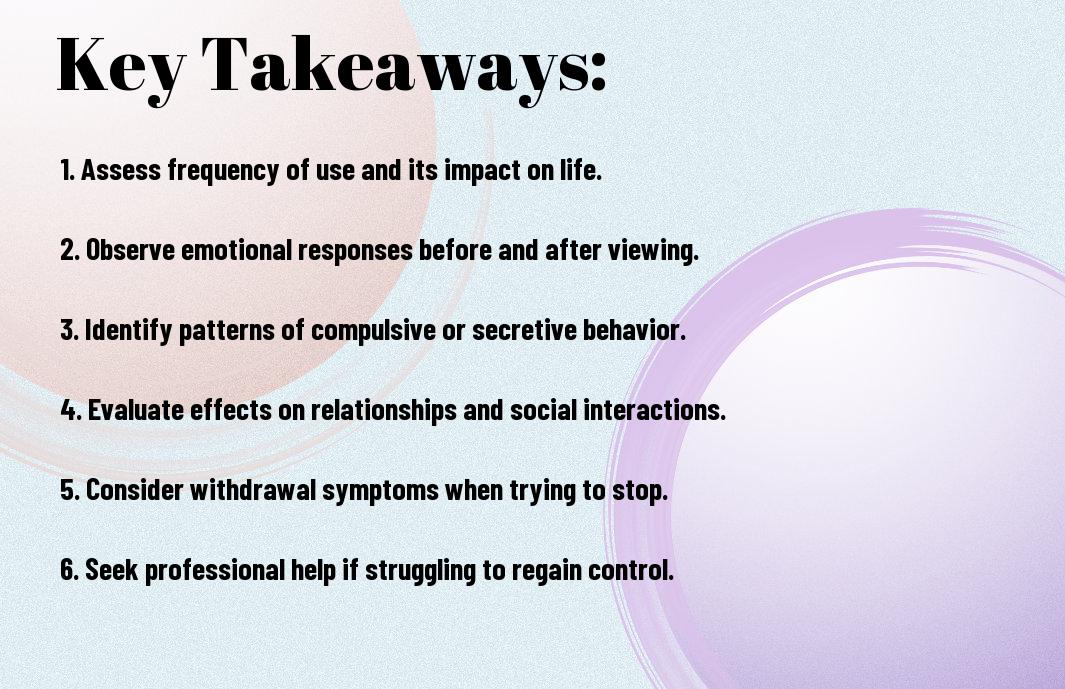
    Key Takeaways:

    • Understand the signs of porn addiction, such as compulsive use and neglecting daily responsibilities.
    • Assess your emotional well-being and note how porn consumption affects your relationships and mental health.
    • Identify triggers and situations where you are more likely to turn to porn, promoting self-awareness.
    • Consider the impact of porn on your sexual expectations and experiences, comparing fantasy to reality.
    • Seek support through therapy, counseling, or support groups to address addiction and promote healing.
    • Adopt healthier coping mechanisms to manage stress and emotions instead of relying on porn as an escape.
    • Commit to personal growth and transformational changes, focusing on building healthier relationships and self-esteem.

    Porn Addiction: How to Know If You Have One – 5 Powerful Transformations

    Understanding Porn Addiction

    For many individuals, the line between healthy sexual exploration and porn addiction can be blurred. It is crucial to understand that porn addiction can significantly impact your daily life, relationships, and mental health. Recognizing the signs and symptoms can empower you to take proactive steps towards healing and reclaiming control over your sexuality.

    Defining Porn Addiction

    After reviewing various psychological definitions, porn addiction can be understood as a compulsive behavior characterized by persistent engagement with pornography despite negative repercussions. This behavior often leads to a decline in overall well-being, affecting your emotional and social life while creating a disconnect from real intimacies.

    Signs and Symptoms

    After identifying the definition, it is crucial to recognize the signs and symptoms of porn addiction. You may notice an increase in the time spent viewing porn, as well as feelings of guilt or shame regarding your habits. Additionally, you might find it challenging to maintain intimate relationships or experience a decrease in sexual satisfaction.

    Also, other signs may include using porn as a stress-relief mechanism or as an escape from real-life issues. You might prioritize pornography over personal or professional responsibilities, leading to further complications in your life. Being aware of these patterns can help you assess your relationship with porn more effectively and decide if it is time to seek help.

    Porn Addiction: How to Know If You Have One – 5 Powerful Transformations — illustration 2

    The Impact of Porn on Mental Health

    The connection between porn consumption and mental health is significant. Studies show that excessive porn use can lead to increased anxiety, depression, and lower self-esteem. This can create a cycle that negatively impacts your relationships and overall quality of life. Understanding these mental health effects is the first step toward managing and transforming your relationship with porn.

    Emotional Effects

    Before you can address your porn consumption, it’s important to consider its emotional implications. Many individuals experience feelings of guilt, shame, or embarrassment stemming from their viewing habits. These emotions can decrease your overall happiness and lead to social withdrawal, creating a barrier between you and healthy interactions with others.

    Cognitive Consequences

    Behind the emotional effects, porn use can also impact your cognitive functioning. Prolonged exposure may alter how you perceive intimacy, relationships, and sexual expectations, leading to distorted beliefs about what is normal and desirable.

    Even more concerning is the way porn can affect your brain’s reward system. Regularly consuming porn can create unrealistic standards for sexual experience, leading to difficulty in forming genuine connections with real partners.

    You may find that your arousal levels decrease when interacting with actual intimacy, ultimately strengthening a cycle of reliance on porn for sexual gratification instead of fulfilling relationships.

    Porn Addiction: How to Know If You Have One – 5 Powerful Transformations — illustration 3

    Identifying Personal Patterns

    Your journey to understanding a potential porn addiction begins by identifying personal patterns that may indicate problematic behavior.

    Take a moment to reflect on your habits, thoughts, and feelings surrounding pornography use. By examining the ways in which it integrates into your daily life, you can start to unravel whether it has exceeded healthy boundaries and discover the motivations driving your consumption.

    Frequency and Compulsion

    Across various scenarios, take note of how often you find yourself seeking out pornography and whether you feel compelled to engage in this behavior despite your intentions.

    If you notice a pattern of increased frequency or a sense of urgency that overrides your better judgment, it may signal an unhealthy attachment to porn. Understanding how these patterns manifest is key to assessing your relationship with this content.

    Triggers and Situational Context

    Against this backdrop, it is important to examine the triggers and situational contexts that lead you to consume pornography.

    Identifying specific scenarios—such as feelings of stress, loneliness, or boredom—that precede your use can help paint a clearer picture of what drives your behavior. This awareness can guide you toward healthier coping mechanisms and allow you to make more conscious choices.

    Situational contexts often play a significant role in shaping your relationship with pornography. Factors such as stress from work, relationship challenges, or even an idle moment can serve as triggers, pushing you towards seeking fulfillment through porn.

    Understanding these contexts can help you develop alternative strategies for dealing with triggers, thereby fostering healthier habits and emotional responses when faced with similar situations in the future.

    Porn Addiction: How to Know If You Have One – 5 Powerful Transformations — illustration 4

    Transformative Steps Toward Recovery

    Unlike the notion that overcoming a porn addiction is a solitary endeavor, the journey to recovery often involves a series of transformative steps that can reshape your life.

    These steps provide a roadmap for regaining control and fostering healthy habits, allowing you to move beyond the confines of addiction and reconnect with your values and desires. Embracing this path not only brings personal growth but also enhances your relationships and overall well-being.

    Acknowledgment and Acceptance

    Among the first steps in your recovery journey is acknowledging the existence of your porn addiction. Acceptance is pivotal; it involves understanding how this behavior has affected your life and recognizing that change is not only necessary but possible. By owning your experience, you create a strong foundation that will empower you as you move forward on your path to recovery.

    Seeking Professional Help

    Recovery can be significantly enhanced by seeking professional help.

    A qualified therapist or counselor specializing in addiction can provide you with the tools and strategies necessary to confront underlying issues contributing to your addiction. They can guide you in developing healthier coping mechanisms and help you navigate the emotional challenges that arise during recovery.

    Engaging in group therapy can also foster a sense of community and shared experience, allowing you to connect with others who understand your struggles and victories. Investing in professional support can make a substantial difference in your journey toward lasting change.

    Building Healthy Relationships

    Keep in mind that developing healthy relationships is vital for overcoming porn addiction. This process involves fostering genuine connections with others, built on trust and openness. By prioritizing these relationships, you can create a support system that encourages growth and healing.

    Communication with Partners

    By fostering open communication with your partners, you can address any issues related to your addiction. Sharing your feelings, struggles, and progress allows for a deeper understanding and creates a safe space for both you and your partner. This transparency encourages emotional intimacy, which is important for nurturing a healthy relationship.

    Establishing Boundaries

    To establish boundaries in your relationships, it’s important to know what you need to support your recovery. Clear boundaries can help you maintain a balance between your personal growth and your relationships, preventing feelings of guilt or pressure to engage in behaviors that may hinder your progress.

    But setting boundaries requires honesty and self-awareness. You need to articulate your limits to your partner and ensure they understand your goals.

    This can involve discussing topics like physical intimacy, shared media consumption, and how you navigate social situations. By establishing these boundaries, you create an environment that supports your healing journey, allowing both you and your partner to thrive together.

    Maintaining Long-term Recovery

    After acknowledging your porn addiction, maintaining long-term recovery becomes paramount. This involves continuous self-reflection, setting personal goals, and fostering healthy habits that support your journey.

    Engaging in activities that align with your values and contribute positively to your life can significantly enhance your chances of sustained recovery. Embracing a mindset of growth and resilience will help you navigate challenges without falling back into old patterns.

    Support Systems

    The importance of a supportive network cannot be overstated. Surround yourself with understanding friends or family who respect your journey toward recovery. Consider joining support groups, either in person or online, where you can share experiences and gain insights from others facing similar challenges. Knowing that you are not alone can empower you to stay committed to your recovery process.

    Mindfulness and Coping Strategies

    By incorporating mindfulness and effective coping strategies into your daily routine, you can better manage triggers and cravings associated with porn addiction. Practicing mindfulness helps you stay present, reducing stress and anxiety that may lead to relapses.

    It is crucial to explore various coping techniques, such as meditation, deep-breathing exercises, and journaling, to strengthen your emotional resilience.

    These practices encourage self-awareness and help you identify thought patterns that may lead to urges. Additionally, creating a list of healthy alternatives to turn to when cravings arise can provide you with immediate options to redirect your thoughts and maintain your focus on recovery.

    Conclusion

    Drawing together the insights from the five powerful transformations can help you clearly recognize the signs of a porn addiction in your life. By assessing your behaviors, emotions, and interpersonal relationships, you can start to understand such patterns that may indicate a compulsion.

    Acknowledging these signs is the first step toward making informed changes and seeking support, empowering you to regain control over your habits and foster healthier relationships with intimacy and sexuality.

    FAQ

    Q: What are the signs that may indicate I have a porn addiction?

    A: Some common signs of porn addiction include the inability to control your consumption of pornography, spending excessive time viewing porn, neglecting personal and professional responsibilities, feeling compelled to watch porn even when you want to stop, and experiencing negative emotional states such as guilt or shame after viewing.

    Q: How can I differentiate between a healthy interest in porn and an addiction?

    A: It’s important to assess the impact of porn on your life. If your interest in porn leads to negative consequences—like relationship issues, impacts on your mental health, or interfering with daily activities—it might be a sign of addiction. In contrast, a healthy interest does not disrupt your life or cause distress.

    Q: What are the psychological effects of having a porn addiction?

    A: Porn addiction can lead to various psychological effects, including anxiety, depression, low self-esteem, and feelings of isolation. It may also alter perspectives on relationships and intimacy, making it harder to engage in healthy, real-life connections.

    Q: Can porn addiction affect my relationships with others?

    A: Yes, porn addiction can significantly affect personal relationships. It may lead to decreased intimacy with partners, unrealistic expectations about sex, and feelings of betrayal if a partner discovers the addiction. This can create trust issues and emotional distance in relationships.

    Q: What are some effective strategies for overcoming porn addiction?

    A: Overcoming porn addiction can involve several strategies, such as setting firm limits on usage, seeking professional counseling or therapy, joining support groups, practicing mindfulness techniques, and replacing porn consumption with healthier activities. Building a support system with friends or family can also be beneficial.

    Q: How does recognizing the problem aid in transformation from porn addiction?

    A: Acknowledging the existence of a porn addiction is the first step towards recovery. It allows individuals to take responsibility for their actions, seek help, and develop a concrete plan to transform their relationship with pornography. This recognition can empower individuals to make meaningful changes in their lives.

    Q: Are there resources available for individuals struggling with porn addiction?

    A: Yes, there are numerous resources available for those facing porn addiction. Online forums, support groups, dedicated websites, and professional therapists specialize in sexual health and addiction. Books and apps designed to help manage compulsive behaviors can also be effective tools in the recovery process.

    For additional support and clinical information on porn addiction recovery, see the Psychology Today overview.

    Related reading

Skip to content