
Start with our signs of porn addiction guide for background.
Over the years, the prevalence of pornographic content has skyrocketed, leading many individuals to question their relationship with it. In this informative blog post, you’ll explore what defines porn addiction, including common symptoms and behaviors that characterize it.
You’ll investigate into 11 real-life case study examples that illustrate the impact it can have on your life. By understanding this issue better, you can gain insight into your own habits and help foster a healthier relationship with pornography.
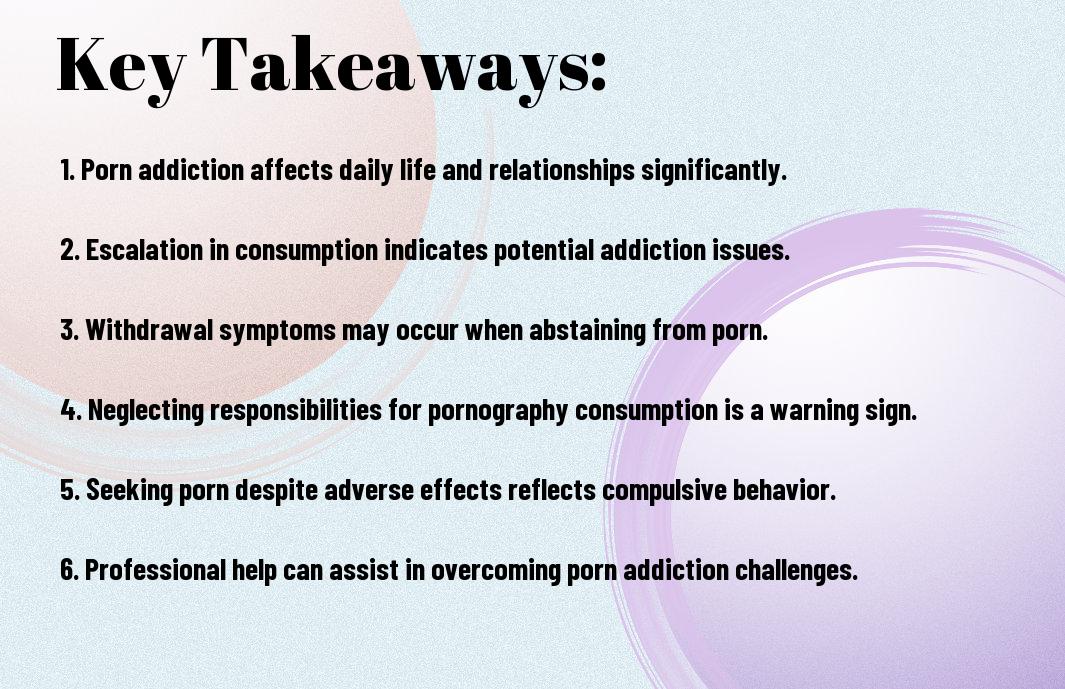
Key Takeaways:
- Porn addiction can manifest as compulsive behaviors that interfere with daily life, relationships, and responsibilities.
- Individuals may experience escalating use, leading to a need for more extreme content to achieve the same level of arousal.
- Common signs include loss of interest in real-life intimacy, withdrawal symptoms, and prioritizing porn over other activities.
- Case studies illustrate diverse backgrounds and experiences, highlighting that addiction can affect anyone regardless of age, gender, or socioeconomic status.
- It’s important to distinguish between casual use and addiction, with the latter often accompanied by negative emotional and psychological effects.
- Seeking professional help is a viable option, with many finding success in therapy or support groups tailored for porn addiction.
- Open discussions about porn consumption and its potential impacts can help reduce stigma and encourage individuals to seek assistance.
Understanding Porn Addiction
For many, distinguishing between casual use and problematic consumption of pornography can be challenging. Pornography addiction refers to compulsive behavior that negatively impacts various aspects of your life, including relationships, work, and mental health.
By recognizing the signs of addiction, you can take proactive steps to address it and improve your overall well-being.
Definition and Criteria
Beside exploring the behavioral patterns associated with pornography use, it’s important to understand the definition of addiction itself.
An individual might be considered to have a pornography addiction if they find themselves unable to control their consumption, despite experiencing adverse consequences in their daily life.
Psychological Effects
About the psychological effects of porn addiction, it’s important to note that compulsive behavior can lead to anxiety, depression, and reduced self-esteem.
Over time, you may find that your perception of intimacy is distorted, which can strain personal relationships and hinder emotional connections.
At its core, the impact of pornography addiction can create a vicious cycle. As you rely on porn for gratification, you may become desensitized, seeking more extreme content to achieve the same level of excitement.
This can lead to feelings of isolation and even shame, making it harder to seek help. Addressing these psychological effects is vital for regaining control and fostering healthier relationships with yourself and others.

Identifying Porn Addiction
If you find that your consumption of pornography negatively impacts your daily life, relationships, or emotional well-being, it may be time to explore whether you have a porn addiction.
Recognizing the patterns and effects it has on your life is the first step toward addressing the issue and seeking help if necessary.
Common Signs
At times, you may feel a compulsive urge to watch pornography, even when it interferes with work or personal obligations. You might notice feelings of guilt or shame after viewing, yet still find yourself returning to it, indicating a potential cycle of dependence.
Behavioral Indicators
Any frequent withdrawal from social activities, neglect of personal responsibilities, or an increasing tolerance for pornography can signify problematic usage. You may isolate yourself or prioritize adult content over meaningful interactions, impacting your relationships and overall lifestyle.
Hence, understanding these behavioral indicators is vital for assessing your addiction. If you find yourself constantly seeking out more explicit content or using porn as a coping mechanism for stress or anxiety, it may signal deeper issues that need to be addressed.
Tracking your habits and recognizing how they affect your daily life will provide insight into whether your relationship with pornography is healthy or problematic.

Case Study Example 1
To understand porn addiction better, let’s examine a specific case study that highlights key indicators and behaviors associated with this condition. This example will help you identify potential signs in yourself or someone you may be concerned about.
The following analysis provides a clearer picture of how porn addiction manifests in everyday life.
Overview
Case Study 1 involves a 28-year-old male who reported escalating pornography usage over three years. Initially, his viewing was occasional, but it gradually developed into daily habits.
He found himself prioritizing porn over social interactions, leading to increased feelings of isolation and dissatisfaction.
Key Findings
Across various sessions of therapy and assessment, several key findings emerged regarding the individual in this case study. You will note that the compulsive usage resulted in negative consequences, including strained relationships and decreased productivity.
These outcomes are common among those experiencing similar patterns of addiction.
Even as you explore these findings, it’s vital to understand that the impact of porn addiction extends beyond mere consumption. Individuals often report emotional distress, challenges in personal relationships, and decreased interest in real-life intimacy.
This case study illustrates how such patterns can obstruct your daily life, highlighting the importance of recognizing these signs for healthier habits and connections.

Case Study Example 2
Your lasting connection with adult content can significantly impact your daily life, relationships, and mental health. This case study explores an individual who gradually became more reliant on pornography, eventually leading to negative consequences for personal relationships and emotional well-being.
By analyzing relevant factors in their experience, you’ll gain insight into what constitutes porn addiction and how it manifests in daily life.
Overview
To understand this individual’s journey, it’s necessary to note their initial exposure to pornography and how it reinforced their desires and habits over time. The frequency of consumption escalated, creating a cycle that left little room for genuine intimacy or personal fulfillment.
Key Findings
Any healthy relationship can be compromised by excessive engagement with adult material. In this case, the individual experienced isolation, dampened social interactions, and a decline in overall life satisfaction due to their escalating consumption.
Understanding these key findings allows you to see the broader implications of porn addiction. The case illustrates how reliance on pornography can lead to withdrawal from real-life relationships, contributing to feelings of loneliness and disconnection.
Recognizing these patterns can empower you to assess your situation and seek healthier coping mechanisms, ultimately fostering a more fulfilling life and relationships.
Case Study Example 3
Not every individual who engages with pornography exhibits signs of addiction; however, variations in usage patterns can lead to problematic behaviors. A study on self-reported addiction to pornography in a nationally representative sample reveals significant insights into this complex issue.
Overview
Overview of the study highlights a diverse range of experiences and perceptions among individuals regarding pornography use. Participants reported varying levels of dependency that influenced their daily lives, relationships, and mental health.
Key Findings
At the heart of the findings is the recognition that many individuals report struggling with compulsive pornography use despite understanding its negative impact.
The study indicates a strong correlation between excessive consumption and feelings of isolation, anxiety, and disrupted interpersonal relationships.
In fact, the data shows that those identifying as having a pornography addiction often experience significant distress and an inability to control their usage. Many reported engagement in behaviors that interfere with their daily responsibilities, suggesting a deep-rooted struggle that extends beyond mere habit.
This illustrates how addiction to pornography can manifest in various life aspects, necessitating a reconsideration of your behaviors and their ramifications.
Treatment Options
Many individuals struggling with porn addiction find effective treatment options that can lead to recovery. These may include therapy, support groups, or a combination of different approaches tailored to your needs.
Identifying the root causes of your addiction is crucial, and various strategies can help you regain control over your habits and foster healthier relationships with sexuality.
Therapy Approaches
One effective option for treating porn addiction is therapy, which can help you explore underlying issues contributing to your behavior. Cognitive Behavioral Therapy (CBT) and other modalities encourage self-awareness and provide coping mechanisms to manage urges.
Working with a licensed therapist can empower you to address emotional triggers and develop healthier strategies that align with your goals.
Support Groups
One popular approach for individuals facing porn addiction is joining a support group, where you can connect with others who share similar challenges. These groups provide a safe space for open discussions, emotional support, and accountability, which can be instrumental in your recovery journey.
Further, being part of a support group offers an opportunity for collective healing and shared experiences. Engaging with others who understand your struggles can help reduce feelings of isolation.
In these groups, you can learn effective coping strategies, share personal stories, and develop friendships that reinforce your commitment to positive change. Finding the right support group can be an enlightening experience as you navigate your path toward recovery.
Conclusion
Conclusively, understanding what constitutes porn addiction is necessary for recognizing its impact on your life. Through the provided case studies, you can identify patterns and symptoms that may resonate with your experiences. Addressing these issues is vital for fostering healthier relationships and personal well-being.
If you want to probe deeper into the complexities of pornography use, you can explore Compulsive Pornography Use in Late Life: A Case Report. Taking action can significantly improve your life and relationships.
FAQ
Q: What is porn addiction?
A: Porn addiction refers to a compulsive pattern of viewing pornography that disrupts daily life, relationships, or self-esteem. It often leads individuals to prioritize pornography over other important activities or responsibilities, akin to other behavioral addictions.
Q: What are some signs that someone might have a porn addiction?
A: Signs of porn addiction can include excessive time spent viewing pornography, failed attempts to reduce consumption, neglect of personal relationships or careers, increased secrecy, and feelings of guilt or anxiety related to porn use.
Individuals may also find themselves seeking more extreme material to achieve the same level of satisfaction.
Q: How can porn addiction impact mental health and relationships?
A: Porn addiction can lead to various mental health issues such as anxiety, depression, and low self-esteem.
In relationships, it may cause intimacy problems, reduced sexual satisfaction, and emotional disconnection, as one partner may feel inadequate or betrayed by the other’s consumption of pornographic material.
Q: What are some common case study examples of individuals struggling with porn addiction?
A: Common case studies may include individuals who experience negative impacts such as job loss due to neglecting responsibilities, couples facing intimacy issues, or those who have sought therapy to address their compulsive behaviors.
Each case often illustrates the varying degrees to which porn addiction can affect personal and professional life.
Q: How can individuals overcome porn addiction?
A: Overcoming porn addiction typically involves recognizing the problem, seeking support from professionals or support groups, setting clear boundaries regarding porn use, and developing healthier coping mechanisms.
Therapy, particularly cognitive-behavioral therapy, can be effective in addressing underlying issues and promoting healthier habits.