
Start with our signs of porn addiction guide for background.
With increasing access to adult content, you may find yourself questioning how porn addiction impacts your emotional well-being. Understanding the timeline and signs of this addiction is vital for your emotional health.
As you explore the connection between porn consumption and emotional responses, you’ll gain insight into when these effects might begin to manifest in your life. This post will guide you through the stages of porn addiction and its potential effects on your emotions, helping you recognize when it becomes a concern that may need addressing.
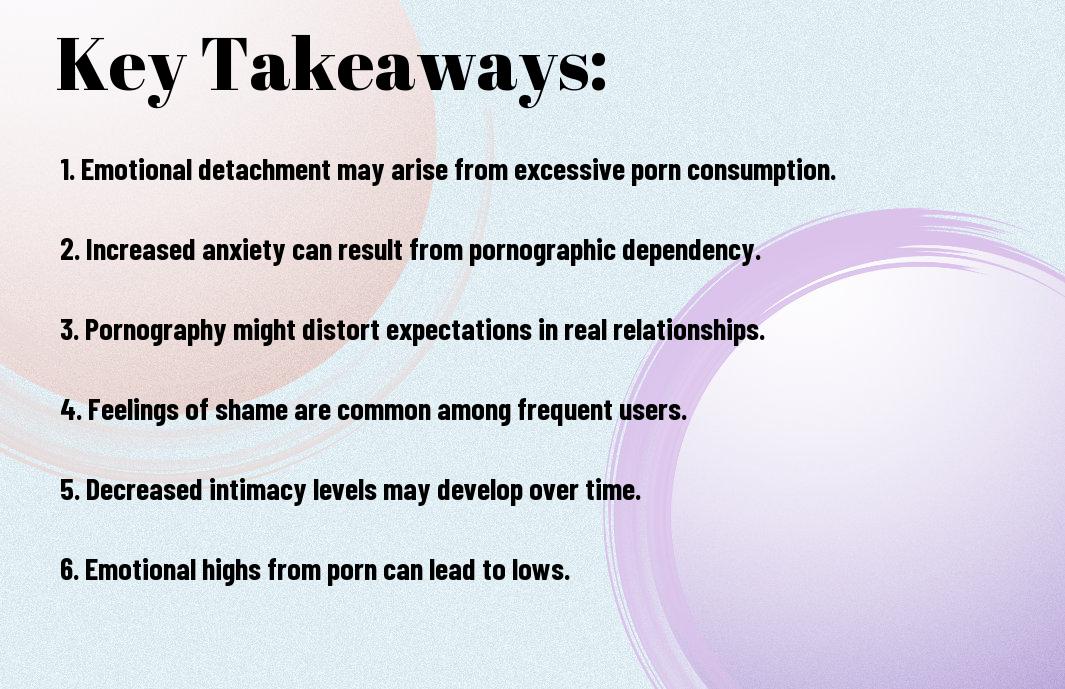
Key Takeaways:
- Porn addiction can lead to emotional desensitization, affecting one’s ability to feel pleasure in real-life situations.
- Increased reliance on pornography may lead to anxiety and depression due to unrealistic expectations and comparison with on-screen scenarios.
- Social interactions may be impacted, as porn addiction can cause withdrawal from relationships and a decrease in emotional intimacy.
- As addiction progresses, individuals might experience mood swings, irritability, and increased mood instability due to the dopamine cycle.
- Seeking help early on can mitigate emotional distress and improve overall mental health and relationships.

Understanding Porn Addiction
As you probe into the intricate world of porn addiction, it’s necessary to acknowledge its profound impact on your emotional landscape. This understanding can empower you to recognize harmful patterns within your own behavior and relationships.
Definition and Characteristics
Across various definitions, porn addiction is characterized by compulsive behaviors related to pornography consumption, leading to negative outcomes in your life. You may find yourself prioritizing porn over personal relationships, work, or other responsibilities, ultimately causing distress.
The Brain’s Response to Pornography
Behind the allure of pornography lies a powerful neurological response that can lead to addiction. You may experience heightened arousal and pleasure as the brain releases dopamine, reinforcing your desire for repeated exposure.
To further understand this phenomenon, consider how your brain’s reward system operates during porn consumption. With each viewing, the release of dopamine creates a feedback loop that conditions you to crave the stimulation, often desensitizing you to real-life intimacy.
Over time, excessive consumption can alter your brain’s natural responses, making it increasingly difficult to find satisfaction outside of pornography.

Emotional Consequences of Porn Addiction
Assuming you have started noticing changes in your emotions due to porn addiction, it’s vital to understand the depth of those emotional consequences. Many individuals experience a significant detachment from genuine feelings while heavily relying on pornography.
This disconnect can lead to an emotional void, prompting a need for support and guidance. You can explore more about this issue in the article on Navigating the Loss of Emotion in Pornography Addiction.
Impact on Relationships
For many individuals struggling with porn addiction, relationships can suffer immensely. You may find yourself withdrawing from loved ones, prioritizing online content over personal interactions.
This behavior creates a barrier, making it challenging to connect emotionally, which can lead to feelings of isolation and frustration in your relationships.
Changes in Mood and Anxiety Levels
Levels of anxiety and mood swings are often heightened due to porn addiction. As you become more reliant on this form of escapism, your ability to cope with real-life stressors diminishes, which can lead to increased agitation or sadness.
You might notice that moments of pleasure from pornography are often followed by feelings of guilt or shame, creating a cycle of emotional instability.
Relationships can further suffer due to these mood changes. As your anxiety levels rise, you may become irritable, impacting how you interact with those around you.
The emotional rollercoaster that accompanies porn addiction can strain bonds with friends and family, leading to misunderstandings and conflict. Finding healthier ways to manage your emotions is vital for restoring balance in your life.
Identifying Triggers for Addiction
To effectively manage porn addiction, you first need to identify the specific triggers that lead you to engage in this behavior. Triggers can be emotional, social, or situational, and understanding them can provide valuable insights into your habits and coping mechanisms.
Psychological Factors
Beside external influences, psychological factors play a significant role in triggering porn addiction. Common elements include:
- Stress or anxiety
- Loneliness or depression
- Low self-esteem
- Unresolved trauma
Perceiving these psychological triggers can help you develop healthier coping strategies and reduce reliance on porn for emotional relief.
Environmental Influences
Above all, your environment can significantly impact your susceptibility to porn addiction. This includes factors such as your social circle, online accessibility, and personal space. Being aware of how your surroundings contribute to your habits is necessary for making positive changes.
In addition, recognizing specific environments or situations that increase your temptation to engage with porn can help you create a more supportive atmosphere. For instance, if you often find yourself viewing porn in private spaces or while stressed, consider altering your routine.
Seeking healthier distractions and setting boundaries around certain environments can foster a positive shift in your relationship with porn.
The Developmental Timeline of Porn Addiction
Keep in mind that the onset of porn addiction often occurs during formative years. This timeline varies for each individual, influenced by factors such as social environment, exposure to sexual content, and personal circumstances.
Understanding this timeline helps you identify potential warning signs and emotional impacts early on, allowing for proactive measures to maintain a healthy relationship with sexuality.
Early Exposure and Its Effects
Among the many facets of porn addiction, early exposure plays a significant role in shaping your perception of sexuality. Research indicates that individuals exposed to pornography at a young age may develop unrealistic expectations about relationships and intimacy.
As you grapple with these distorted views, emotional connections to partners may suffer, leading to difficulties in fostering healthy, trusting relationships.
Age and Emotional Vulnerability
About 90% of teenagers have been exposed to pornography by the age of 18, a period when emotional growth and maturity are still developing. Younger individuals are particularly vulnerable due to their lack of experience and understanding of relationships.
Their emotional wiring is not fully formed, making it easy for them to misinterpret sexual dynamics, often resulting in anxiety, shame, or confusion surrounding intimacy.
Addiction to pornography during these formative years can lead to heightened emotional vulnerability. As you engage with sexually explicit content at a young age, it can blur the lines between fantasy and reality, making it challenging to form genuine emotional connections.
This struggle may manifest as feelings of isolation, depression, or even anxiety, further complicating your ability to navigate healthy relationships as you grow older.
Coping Mechanisms and Recovery
Your journey to recovery from porn addiction involves developing healthy coping mechanisms that can help you manage emotions and improve your overall well-being. Research indicates that emotional processing deficits in individuals with addiction can be addressed through various methods, enabling you to learn healthier ways to process and express your feelings.
Establishing support systems and engaging in activities that promote emotional stability are key aspects of the recovery process.
Therapy and Counseling Options
Mechanisms such as cognitive-behavioral therapy (CBT) and group therapy can empower you to explore the underlying emotional issues tied to your addiction. These professional approaches provide a structured environment for you to confront negative thought patterns, enhance emotional regulation, and develop healthier coping strategies.
Therapy allows for constructive conversations that promote healing and self-awareness, imperative in your recovery journey.
Self-Help Strategies
Coping with porn addiction can also be supplemented by self-help strategies that you can implement in your daily life. Engaging in activities that provide fulfillment, such as exercise, hobbies, or mindfulness practices, can help you channel your energy positively.
Journaling your thoughts and feelings can further aid in recognizing triggers and improving emotional awareness.
A combination of avoiding specific triggers and developing new interests can greatly assist in managing cravings. Creating a structured routine that includes self-care activities and regular check-ins with supportive friends or family members can foster accountability.
Explore support groups or online forums where you can share experiences and find encouragement, reinforcing your commitment to recovery. As you integrate these strategies into your life, you’ll find greater emotional resilience and clarity.

Preventive Measures for Individuals and Society
After recognizing the impact of porn addiction on emotions, it becomes important to implement preventive measures that benefit both individuals and the broader society.
By fostering a culture of understanding and support, you can help mitigate the emotional repercussions associated with porn dependency and develop healthier relationships with intimacy and sexuality.
Education and Awareness
To effectively combat porn addiction, you should prioritize education and awareness.
By openly discussing the emotional and psychological effects associated with porn consumption, you empower yourself and others to make informed decisions about media consumption and its potential consequences on relationships and mental health.
Community Support Systems
Before addressing porn addiction, it is important to build community support systems that facilitate understanding and recovery.
By establishing safe spaces and resources, you create an environment where individuals can openly share their experiences and struggles, promoting healing and personal growth.
Another vital aspect of community support systems includes organizing workshops, support groups, and online forums. These resources allow you to connect with others facing similar challenges, fostering a sense of belonging and reducing feelings of isolation.
By engaging in dialogue and sharing stories, you contribute to a supportive network that encourages accountability and personal development, ultimately leading to healthier emotional outcomes.
Final Words
Now that you understand when porn addiction begins to impact your emotions, it’s necessary to reflect on your own consumption habits. If you notice feelings of isolation, anxiety, or depression linked to porn use, it may be time to evaluate how it affects your life.
Being aware of these changes can empower you to seek healthier alternatives and improve your emotional well-being. Recognizing the signs early can help you take proactive steps towards a more balanced lifestyle.
FAQ
Q: When does porn addiction typically begin to impact emotions?
A: The impact of porn addiction on emotions can begin as early as the time an individual starts engaging with pornography regularly. For some, this might occur during adolescence, when many develop their first sexual interests.
Early exposure can create unrealistic expectations about relationships and sexual encounters, leading to emotional detachment or altered emotional responses.
Q: What emotional changes can occur as a result of porn addiction?
A: Individuals struggling with porn addiction may experience a range of emotional changes, including increased anxiety, depression, and feelings of guilt or shame.
The addiction can lead to desensitization toward real-life intimacy, causing individuals to feel less excitement in genuine relationships, and may also create issues with trust and connection.
Q: Are there specific behaviors that indicate emotional impact from porn addiction?
A: Yes, certain behaviors can signal emotional effects from porn addiction. These include withdrawing from social interactions, neglecting relationships for solitary viewing, displaying irritability or mood swings, and experiencing a diminished interest in sex with partners.
Such changes may indicate that their emotional health is being negatively affected.
Q: How does porn addiction affect relationships and emotional bonds?
A: Porn addiction can create emotional distance between partners, as it may lead to unrealistic expectations about sex and intimacy. It can also result in trust issues, as one partner may feel inadequate or threatened by the other’s consumption of porn.
This disconnect can hinder communication and intimacy, causing further emotional strain on the relationship.
Q: Can emotional well-being improve after addressing porn addiction?
A: Yes, many individuals report positive emotional changes after addressing their porn addiction. With the right support and strategies, individuals can regain healthier relationships, improve self-esteem, and develop better emotional regulation.
Therapy, support groups, and educational resources can all contribute to this healing process.
Q: How can family and friends support someone struggling with porn addiction and emotional issues?
A: Family and friends can provide support by expressing understanding and empathy rather than judgment. Encouraging open communication about feelings and struggles can help the individual feel less isolated.
Additionally, suggesting professional help or group therapy can guide them toward recovery and healthier emotional management.
Q: Is therapy beneficial for managing emotional issues related to porn addiction?
A: Absolutely, therapy can be highly beneficial for those dealing with emotional issues stemming from porn addiction. Therapeutic approaches can help individuals explore the underlying emotional causes of their addiction, learn healthier coping mechanisms, and work on rebuilding intimacy and trust in relationships.
Individual or couples therapy can both be effective depending on the individual’s needs.