Tag: porn

  • Communication in Porn Addiction Recovery: A Couple’s Guide

    Communication in Porn Addiction Recovery: A Couple’s Guide

    Start with our signs of porn addiction guide for background.

    Most individuals may not realize that pornography consumption can cross the line into addiction, significantly impacting your relationships. This post will explore the signs of porn addiction, its effects on intimacy, communication, and trust, and the ways it can create emotional distance between partners.

    Understanding the consequences of excessive porn use is imperative for preserving the health of your relationships and fostering open dialogues about sexual expectations and boundaries. By recognizing these potential pitfalls, you can take proactive steps to ensure a healthier connection with your loved ones.

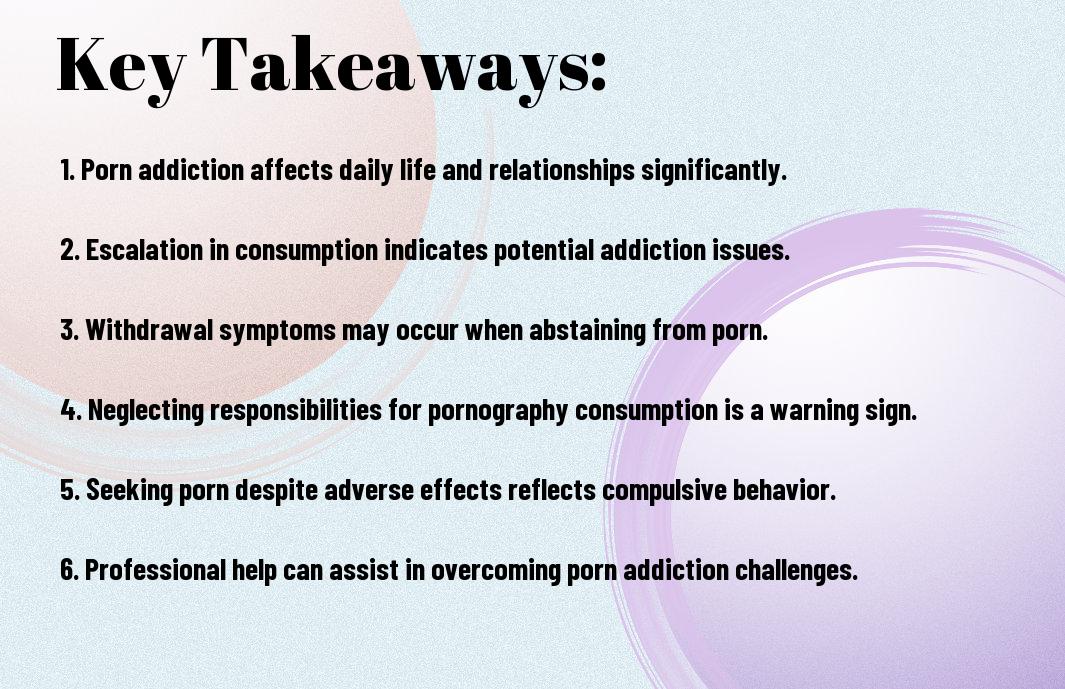
    Key Takeaways:

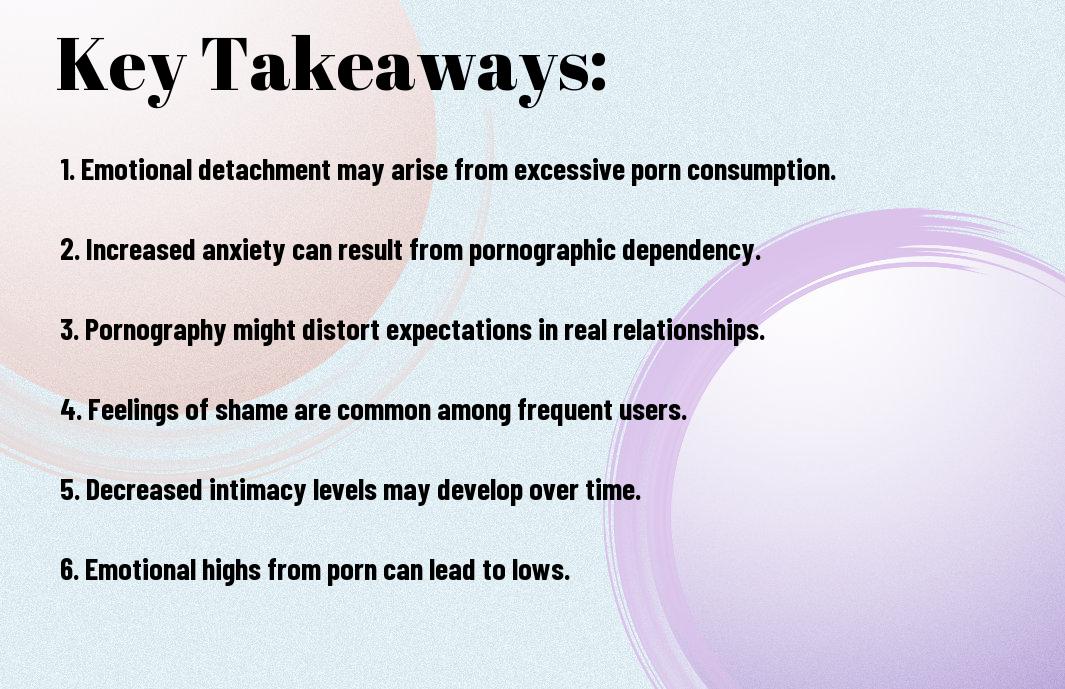
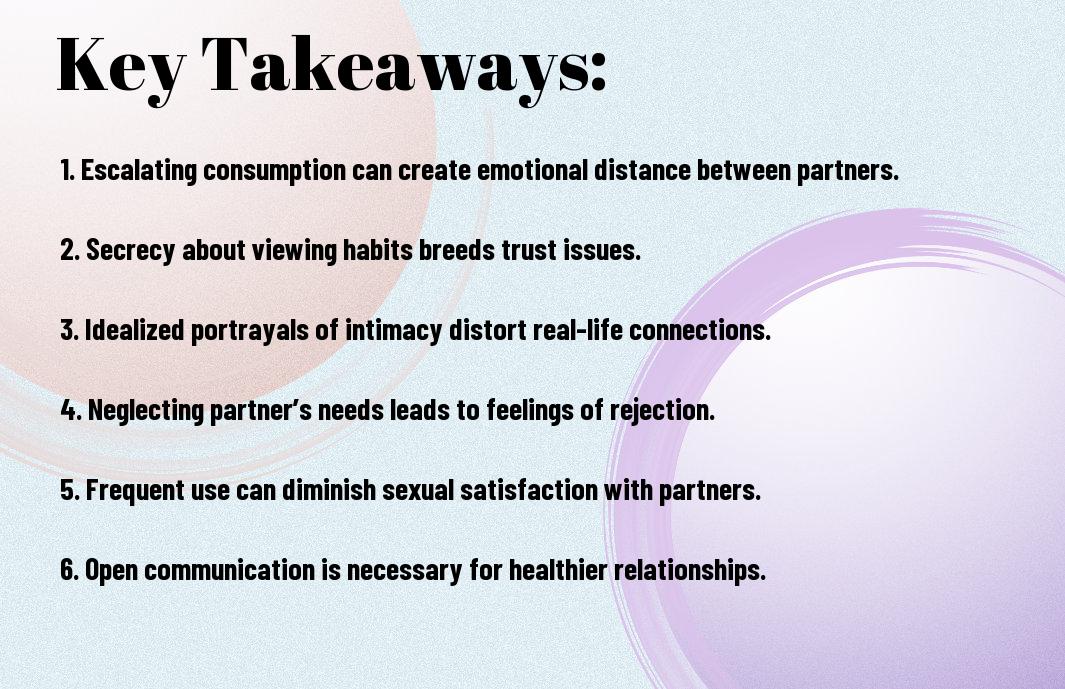
    • Porn addiction can lead to emotional disconnection between partners, creating feelings of neglect and isolation.
    • Excessive use of pornography may result in unrealistic expectations about sexual relationships, affecting intimacy.
    • Communication breakdown often occurs as one partner may become secretive about their pornography use.
    • Relationships may suffer from trust issues, particularly if one partner feels betrayed by the other’s hidden habits.
    • Porn addiction can disrupt sexual compatibility, leading to dissatisfaction in the bedroom.
    • Support and understanding between partners are vital for navigating the challenges of porn addiction.
    • Seeking professional help, such as therapy, can be beneficial in addressing the impacts of porn addiction on relationships.

    Communication in Porn Addiction Recovery: A Couple's Guide

    Communication in Porn Addiction Recovery: A Couple's Guide — illustration 2

    Understanding Porn Addiction

    For many, distinguishing between casual consumption and addiction can be challenging. If you or a loved one find yourselves struggling with obsessive use of porn, it may be time to explore whether this behavior is impacting your life.

    For assistance in identifying this issue, check out Signs of Porn Addiction: A Guide for Individuals and Loved Ones.

    Defining Porn Addiction

    Across various studies and definitions, porn addiction can be characterized as a compulsive behavior where you find it increasingly difficult to control your consumption, despite its negative impact on your life and relationships.

    It’s vital to recognize that this addiction is not merely about viewing explicit material, but rather how it affects your overall well-being and daily functioning.

    Signs of Pornography Dependency

    After engaging with porn for an extended period, you may notice a shift in your habits and relationships.

    Signs of dependency can manifest in various ways, including neglecting responsibilities or hobbies, increased secrecy surrounding your viewing habits, or feeling a continual urge to seek out more explicit content.

    Understanding the signs of pornography dependency is vital to address the escalating behaviors associated with this addiction. You might find yourself prioritizing viewing porn over social interactions, leading to isolation and withdrawal.

    Additionally, if you experience feelings of shame or anxiety related to your consumption, this can serve as a warning that your relationship with porn has transitioned to a problematic one. Identifying these signs early can help you seek the support you need to reclaim control over your life and relationships.

    The Psychological Impact of Pornography

    You may not realize the extent to which pornography can affect your mental health. Engaging with explicit content can lead to feelings of shame, anxiety, and depression, which may fundamentally alter your perception of intimacy and relationships.

    Over time, these emotional responses can manifest in various ways, creating a disconnect between your emotional needs and the fulfillment you seek in your personal life.

    Emotional Effects on the Individual

    The impact of pornography on your emotions often includes feelings of guilt, shame, or inadequacy. You might find yourself struggling with self-esteem, leading to further isolation and disconnection from your partner.

    These emotional effects can hinder your ability to form deep, meaningful connections, ultimately affecting your overall relationship satisfaction.

    Cognitive Dissonance and Conflict

    With the conflicting messages inherent in pornography, you may experience cognitive dissonance, a state of mental discomfort arising from holding two or more contradictory beliefs or values.

    This internal conflict can leave you questioning your beliefs about love, intimacy, and your goals within a relationship.

    Hence, navigating the disparity between your views on intimate relationships and the often exaggerated depictions found in pornography can lead to an internal battle. This dissonance may foster mistrust in yourself and your partner, complicating communication and eroding the foundation of your relationship.

    Such conflicts can prevent you from fully engaging with your partner, leading to emotional distance and dissatisfaction. It’s imperative to address these issues to cultivate a healthier relationship dynamic.

    Effects on Relationships

    After recognizing the signs of porn addiction, it’s vital to understand how it can impact your relationships. This type of addiction can create emotional distance, leading to misunderstandings and escalating conflicts.

    As you dive deeper into the cycle of addiction, you may find it increasingly challenging to connect with your partner, which can further undermine the relationship’s foundation. Trust, intimacy, and communication become strained, and it’s vital to address these issues head-on to foster a healthier connection.

    Communication Breakdowns

    Along the path of addiction, communication often suffers. You may begin to withdraw from open dialogues with your partner, choosing to engage with online content instead.

    This shift can lead to feelings of isolation for both of you, making it difficult to express needs, desires, or concerns. Healthy communication is vital for nurturing relationships, and when you avoid meaningful conversations, misunderstandings proliferate, leaving emotional wounds that require time and dedication to heal.

    Trust Issues and Betrayal

    Before diving deeper into the effects of porn addiction, it’s important to recognize how it raises significant trust issues. When you engage in secretive behavior, such as accessing pornographic content, your partner may feel betrayed, leading to feelings of inadequacy and jealousy.

    Trust forms the bedrock of any relationship; once it is shaken, rebuilding it demands transparency and commitment from both partners.

    And as trust erodes, you may find yourselves facing a cycle of suspicion and defensiveness. Your partner could start questioning your loyalty, assuming the worst even when intentions are harmless. This mistrust often creates tension, making honest conversations more difficult and leaving both of you feeling unloved and misunderstood.

    It’s vital to confront these issues directly and work towards rebuilding trust through open communication, transparency, and shared goals. Taking proactive steps together can lead to healing and a stronger bond.

    Communication in Porn Addiction Recovery: A Couple's Guide — illustration 3

    Navigating the Path to Recovery

    Keep in mind that recovery from porn addiction is a journey that requires patience, commitment, and self-awareness. Engaging in open, honest conversations with your partner about your struggles is imperative to rebuild trust and strengthen your bond.

    Establishing a plan for abstinence and finding healthier ways to cope with stress or triggers can also be beneficial as you work toward healing both yourself and your relationship.

    Seeking Professional Help

    Across various studies, many individuals struggling with porn addiction benefit from engaging with mental health professionals who specialize in addiction therapy. Seeking therapy can provide you with effective strategies to understand the root causes of your behavior while also offering support as you navigate the challenges of recovery.

    Consider looking for a therapist who has experience in dealing with sexual addiction to guide you on this path.

    Strategies for Rebuilding Relationships

    Beside therapy, there are numerous strategies you can implement to help rebuild trust and improve your relationship. Open communication is vital, as it allows you and your partner to express feelings, concerns, and expectations.

    Engaging in shared activities and spending quality time together can help reinforce your emotional connection. Setting boundaries regarding triggers and discussing your progress regularly can facilitate a healthier dynamic moving forward.

    Strategies for rebuilding relationships after porn addiction may include establishing clear communication channels where both you and your partner can express concerns and feelings without judgment. Engaging in shared activities can grow your emotional bond, so consider exploring hobbies or interests together.

    Setting boundaries around media consumption and being mindful of triggers helps to prevent relapse, fostering an environment where honesty and accountability thrive. Additionally, regular discussions about your progress can keep both you and your partner aligned in your recovery journey.

    Communication in Porn Addiction Recovery: A Couple's Guide — illustration 4

    The Role of Communication in Healing

    Not addressing the underlying issues surrounding porn addiction can lead to escalating tensions within your relationship. Open lines of communication are imperative in fostering understanding and healing.

    Engaging in open discourse about the challenges faced can promote a supportive environment. For helpful strategies, check out Four Things to Do When You’re Dating Someone Who …, which can guide your conversations effectively.

    Open Dialogue with Partners

    Beside regularly discussing your feelings, it’s important to encourage your partner to share their perspective without fear of judgment. Open dialogue fosters empathy and strengthens your emotional connection.

    Establishing a safe space for such exchanges can facilitate healing and mutual understanding, reinforcing your bond as you navigate the challenges together.

    Setting Boundaries and Expectations

    Across any relationship, establishing clear boundaries and expectations is necessary to promote healthy dynamics. It’s imperative to mutually agree on what behaviors are acceptable and how to support each other constructively.

    This not only helps maintain trust but also creates a framework for accountability. You should discuss what actions may trigger unhealthy behaviors and outline strategies for navigating these situations together.

    Further, involving both partners in the discussion of boundaries allows you to clarify what each of you needs for comfort and support. Constructing boundaries together not only communicates respect for one another’s feelings but also builds a collaborative approach to overcoming challenges.

    By setting these expectations, you foster a sense of teamwork that encourages both partners to thrive in the relationship while addressing the impact of porn addiction.

    Preventative Measures

    Unlike waiting for problems to arise, taking proactive steps can significantly reduce the likelihood of developing a porn addiction that damages your relationships. Establishing boundaries around media consumption and engaging in open discussions with your partner can create a healthy environment that fosters trust and understanding.

    You can also identify triggers and implement coping strategies to maintain control over your choices, ensuring that your relationship remains a priority over potential distractions.

    Promoting Healthy Sexual Attitudes

    Beside fostering open communication, you can promote healthy sexual attitudes by educating yourself and your partner about realistic expectations regarding intimacy. This involves discussing personal values and examining the influence of media representations of sex, which often skew perceptions.

    By seeking mutual understanding and expressing feelings without judgment, you can create a foundation of respect and support in your relationship.

    Fostering Emotional Intimacy

    Beside physical connection, emotional intimacy plays a vital role in maintaining strong relationships. You should prioritize activities that encourage vulnerability and openness between you and your partner, such as sharing thoughts and feelings about daily experiences or fears.

    This emotional connection helps build trust and makes it easier to discuss sensitive topics, including the impact of addiction. By nurturing this bond, you can create a safe space to navigate any challenges that arise.

    In addition to open conversations, consider engaging in shared interests or hobbies that encourage bonding and foster connection. Activities like couples’ counseling or workshops can also provide opportunities to grow together emotionally.

    By investing in your emotional intimacy, you develop a strong foundation for your relationship, making it easier to address any issues that may arise, including potential concerns around porn consumption.

    Final Words

    Taking this into account, understanding when porn consumption escalates into addiction is necessary for recognizing its potential to harm your relationships. If you find that your viewing habits are interfering with your partner’s emotional needs, intimacy, or trust, it may be time to reflect on your behavior.

    Open communication and seeking help can aid in addressing any negative impacts, fostering healthier connections. By acknowledging the signs of porn addiction, you can work towards rebuilding and maintaining strong, fulfilling relationships.

    FAQ

    Q: What is porn addiction and how does it develop?

    A: Porn addiction is often characterized by an excessive preoccupation with pornographic material, leading to compulsive behavior that interferes with daily life, emotional well-being, and relationships. It typically develops when an individual starts using pornography as a coping mechanism for stress, anxiety, or other emotional issues.

    Over time, this behavior can become more frequent and intense, creating a dependency that can be difficult to break.

    Q: How can porn addiction negatively impact relationships?

    A: Porn addiction can lead to numerous issues within a relationship, including decreased intimacy and emotional connection between partners. It may cause unrealistic expectations about sex and physical appearance, leading to feelings of inadequacy or insecurity.

    Additionally, if one partner feels neglected or betrayed due to the other’s compulsive use of pornography, it can create distrust and conflict, further harming the relationship.

    Q: What are the signs that someone may be struggling with porn addiction?

    A: Some signs of porn addiction include an increasing amount of time spent viewing pornography, neglecting responsibilities or relationships due to porn use, experiencing withdrawal symptoms when unable to view porn, and using porn as a way to escape emotional distress.

    Other indicators may include secrecy surrounding viewing habits and a decline in sexual satisfaction with a partner.

    Q: Can relationships recover from the damage caused by porn addiction?

    A: Yes, relationships can recover from the damage caused by porn addiction, but this process often requires open communication, commitment, and sometimes professional help. Couples may benefit from therapy, where they can explore the underlying issues related to addiction, improve communication skills, and work on rebuilding trust.

    It is vital for both partners to be willing to engage in this healing process together.

    Q: What steps can individuals take to address porn addiction and improve their relationships?

    A: Individuals struggling with porn addiction can take several steps to address the issue, including acknowledging the problem and its impact on their life and relationships, setting clear goals to limit or eliminate porn use, and seeking professional help such as counseling or support groups.

    Engaging in healthy activities, establishing boundaries regarding pornography consumption, and fostering open dialogues with partners about intimacy and sexual needs can also contribute to healing and restoring connection.

    Understanding porn addiction is essential for recovery. Many people struggle with porn addiction silently, but recognizing the patterns of porn addiction is the first step toward change.


    Related reading

  • Porn Addiction in Teens: Signs Causes & Prevention

    Porn Addiction in Teens: Signs Causes & Prevention

    Start with our signs of porn addiction guide for background.

    Just understanding the triggers of porn addiction in youth can help you recognize the signs and potentially guide those affected toward healthier habits. As you explore into this topic, it’s vital to explore various factors such as environmental influences, psychological aspects, and the role of accessibility in your daily life.

    By examining these elements, you can better understand how they contribute to developing unhealthy relationships with porn. For more detailed insights on Porn Addiction Causes, consider further educating yourself on this pressing issue.

    Porn Addiction in Teens: Signs Causes & Prevention

    Key Takeaways:

    • Porn addiction in youth may stem from early exposure to explicit content, leading to developed habits that interfere with daily life.
    • Increased accessibility of online pornography through smartphones and devices contributes significantly to the prevalence of porn addiction.
    • Behavioral patterns such as compulsive use, neglect of responsibilities, and withdrawal symptoms can signify porn addiction in adolescents.
    • The impact of peer influence and societal norms surrounding sexuality can play a role in shaping youth consumption of pornography.
    • Emotional and psychological factors, including anxiety and depression, may trigger or exacerbate addiction tendencies towards pornography.
    • Social isolation and a lack of healthy relationships can increase vulnerability to developing behaviors associated with porn addiction.
    • Open and informative discussions about sexuality, healthy relationships, and digital literacy can help mitigate the risk of porn addiction among youth.

    Porn Addiction in Teens: Signs Causes & Prevention — illustration 2

    Porn Addiction in Teens: Signs Causes & Prevention — illustration 3

    Understanding Pornography

    Your understanding of pornography is necessary in recognizing its potential impacts on youth. Pornography broadly refers to media explicitly designed to stimulate sexual excitement, encompassing various formats including videos, images, and written content.

    Its accessibility in the digital age has raised concerns about its effects on young people’s development and relationships.

    Definition of Pornography

    Alongside various definitions, pornography is typically characterized as any visual or textual material that depicts sexual acts or nudity with the intent to elicit sexual arousal.

    This definition can vary across cultures and legal jurisdictions but generally holds a consistent core value of sexual explicitness.

    Categories of Pornography

    Pornography encompasses a wide array of categories, reflecting diverse preferences and interests. These classifications may include amateur, professional, ethical, or niche-specific content, such as BDSM or gay pornography.

    Each category appeals to different audiences, showcasing the complexity of human sexuality.

    In fact, understanding the categories of pornography not only helps you comprehend what content is available but also sheds light on how some types may affect youth differently. For example, amateur pornography might be perceived as more relatable, while professional or fetish content may present unrealistic expectations.

    Recognizing these distinctions can aid in navigating the often overwhelming landscape of sexual media.

    Porn Addiction in Teens: Signs Causes & Prevention — illustration 4

    Signs of Porn Addiction in Youth

    There’s an increasing concern regarding porn addiction in youth, marked by specific signs that can disrupt their daily lives. Recognizing these signs early on can help you identify when your child may be struggling with this growing issue.

    Behavioral Indicators

    By observing changes in your child’s behavior, you can gain insight into their relationship with pornography.

    For instance, if they exhibit withdrawal from social activities, secretive behaviors regarding their internet use, or increased irritability when discussing the topic, it may indicate a deeper issue with porn consumption.

    Emotional and Psychological Effects

    Around many youth grappling with porn addiction, emotional and psychological effects often emerge. You may notice heightened anxiety, depression, or feelings of shame associated with their viewing habits, which can lead to isolation and decreased self-worth.

    Consequently, the constant exposure to unrealistic sexual expectations can skew your child’s perception of relationships and intimacy. This detachment from reality may foster unrealistic ideas about sex, leading to problematic beliefs and behaviors that affect their emotional health.

    Moreover, these feelings can create a cycle of shame and secrecy, further entrenching them in their addiction. Understanding these effects allows you to approach the situation more empathically, paving the way for open conversations and potential intervention.

    Factors Contributing to Porn Addiction

    All of us are affected by various elements that can lead to porn addiction, especially among youth. Key factors include:

    • Peer pressure and social influences
    • The desire for validation and acceptance
    • Curiosity about sex and relationships
    • Accessibility of explicit content
    • Mental health challenges, such as anxiety and depression

    Knowing these factors can help you better understand and address the issue of porn addiction in young people.

    Accessibility and Exposure

    At a time when information is just a click away, the accessibility and exposure to adult content have significantly increased. This ease of access can foster habitual viewing among youth, as various platforms and devices allow you to encounter pornographic material without much effort.

    With little regulation and an abundance of sites, young people might stumble across this content at a vulnerable age.

    Mental Health Considerations

    An increasing number of youth facing mental health issues may turn to porn as a coping mechanism. Factors such as anxiety, depression, and low self-esteem can drive you towards seeking solace in explicit content, which may initially appear to provide relief.

    However, this approach can lead to a cycle of dependency and worsen your mental well-being over time.

    In addition, it’s important to recognize how these mental health challenges can impact your susceptibility to developing a porn addiction. If you’re struggling with feelings of loneliness or inadequacy, you may find yourself using porn as an escape.

    Unfortunately, this can lead to a distorted perception of relationships and intimacy, making it even harder to forge healthy connections in the future. Addressing underlying mental health issues can be a key step in breaking the cycle of addiction and fostering overall well-being.

    The Role of Technology

    After examining the factors that contribute to porn addiction, it’s vital to recognize the role technology plays in this issue. With easy access to explicit content at your fingertips, the likelihood of developing unhealthy habits increases significantly.

    For a deeper understanding of this phenomenon, explore It’s Time for Answers: What Causes Porn Addiction?.

    Digital Platforms and Their Impact

    For many young people, digital platforms serve as the primary medium for consuming media, including adult content. The instant gratification offered by these platforms can lead to compulsive behaviors and desensitization, making it easier to fall into patterns of addiction.

    Social Media Influence

    Behind the scenes, social media platforms constantly expose you to an array of images and videos, some of which may normalize or glamorize explicit content.

    The curated feeds and peer discussions can shape your perceptions of relationships and intimacy, making it challenging to distinguish between healthy interactions and addictive behaviors.

    Platforms like Instagram and TikTok often showcase provocative media that can blur the lines of what’s considered appropriate. As you scroll through your feeds, the algorithm reinforces content that garners engagement, which can include sexually suggestive material.

    This continuous exposure shapes your expectations about intimacy and accelerates the risk of developing problematic relationships with adult content.

    Prevention Strategies

    Despite the rising concerns about porn addiction among youth, effective prevention strategies can significantly mitigate the risk. Implementing a combination of education, open communication, and responsible internet usage can help you guide young individuals towards healthier habits.

    By fostering resilience and understanding, you empower them to navigate the complexities of digital content more responsibly.

    Education and Awareness

    Across various platforms, educating young people about the potential risks associated with pornography is necessary. Understanding the difference between healthy relationships and unrealistic portrayals found in adult content can help reshape their perceptions.

    By facilitating discussions on this topic, you can enable them to develop a balanced view of sexuality and intimacy.

    Parental Guidance and Communication

    Guidance from parents or guardians is vital in navigating the challenges posed by online content. Establishing open lines of communication about sexual health and media consumption can cultivate trust and understanding.

    You can create a safe environment where young individuals feel comfortable discussing their opinions, experiences, and concerns regarding pornography.

    Indeed, fostering effective communication is fundamental in addressing the complexities of porn addiction. Engaging in regular discussions about the impacts of pornography on relationships and mental health can empower your child to make informed decisions.

    Sharing age-appropriate resources and encouraging questions will help them navigate their feelings, enhancing their understanding of healthy sexuality. By doing so, you not only create a supportive atmosphere but also instill lifelong values that promote respectful and responsible media consumption.

    Treatment Options

    To effectively address porn addiction in youth, a variety of treatment options can be employed. These approaches often combine professional support, personal reflection, and community engagement to foster healthier relationships with technology and sexual wellness.

    Employing a tailored program that combines counseling, support groups, and personal development can lead to positive outcomes and a sustainable path to recovery.

    Counseling and Therapy

    Before launching on a journey of healing, seeking out counseling or therapy can provide you with valuable insights and coping strategies.

    A professional therapist can help you identify the underlying issues contributing to your addiction, guiding you towards healthier behavioral patterns and emotional resilience, ultimately empowering you to regain control over your habits.

    Support Groups

    With the right support system, you can find a sense of community among those who share similar experiences.

    Joining a support group can provide you with a safe space to express your feelings, share your journey, and learn from others who have successfully navigated their own challenges with porn addiction.

    Treatment options often incorporate various types of support groups, such as those led by trained facilitators or peer-led organizations. These groups not only facilitate open discussions about struggles and successes but also foster accountability and encouragement.

    Engaging with others who understand your situation can reduce feelings of isolation, making your recovery journey more manageable and fostering a sense of belonging as you work towards healthier habits.

    Final Words

    The understanding of what triggers porn addiction in youth is important for you as a parent or guardian to help navigate this complex issue. Recognizing the signs of compulsive behavior, such as excessive viewing and emotional distress, is pivotal. You should be aware of the potential influence of accessibility in the digital age, societal norms, and individual psychological factors.

    Open communication about healthy sexual development and setting boundaries around technology can aid in mitigating risks associated with porn addiction. Being informed equips you to support the youth in your life more effectively.

    FAQ

    Q: What are the signs that a youth may be struggling with porn addiction?

    A: Signs of porn addiction in youth can include excessive time spent viewing pornographic material, neglecting responsibilities such as schoolwork or family obligations, experiencing withdrawal symptoms when not watching porn, using porn as a way to escape from personal problems, and increasing secrecy about their online activities.

    If these behaviors are observed, it may indicate a potential issue with porn consumption.

    Q: How does porn consumption affect the mental health of youth?

    A: Youth may experience a range of mental health issues related to porn consumption, such as anxiety, depression, or feelings of shame. Additionally, regular exposure to pornography can distort perceptions of sexuality and lead to unrealistic expectations in relationships.

    This can create a cycle of dissatisfaction when these expectations are not met in real-life interactions.

    Q: What factors can contribute to the development of porn addiction in youth?

    A: Various factors can contribute to the development of porn addiction, including exposure to pornography at a young age, peer pressure, lack of parental guidance or open discussions about sexuality, and pre-existing mental health challenges.

    Environmental factors, such as easy access to the internet and the normalization of porn consumption in media, also play a significant role.

    Q: What steps can parents take to address concerns about porn addiction in their children?

    A: Parents can initiate open dialogues about sexuality, relationships, and the potential dangers of pornography. Establishing trust and a non-judgmental environment encourages youth to share their experiences and concerns.

    Setting appropriate limits on internet use, providing educational resources about healthy sexual behavior, and seeking professional help if necessary are also effective strategies.

    Q: Are there treatments available for youth struggling with porn addiction?

    A: Yes, various treatment options exist for youth struggling with porn addiction. Cognitive-behavioral therapy (CBT) is often effective in addressing negative thought patterns and behaviors associated with addiction.

    Support groups, counseling, and workshops focused on healthy sexual development can also be beneficial. Professional guidance tailored to individual needs is vital for effective recovery.

    Related reading

  • Porn Addiction: 3 Powerful Facts You Must Know

    Porn Addiction: 3 Powerful Facts You Must Know

    Start with our signs of porn addiction guide for background.

    There’s a pervasive misunderstanding surrounding porn addiction that can cloud your judgment. Many individuals fall prey to three prominent myths that distort the actual nature of this issue.

    Understanding these misconceptions is necessary for a more accurate perspective and a healthier approach to managing your relationship with adult content. For an in-depth exploration of this topic, check out The Myth of Porn Addiction: Science Says It’s a Habit.

    Key Takeaways:

    • Myth 1: Porn addiction is universally recognized as a mental health disorder, which it is not; it remains a controversial topic within the medical community.
    • Myth 2: Engaging with porn always leads to addiction; however, many individuals can consume porn without detrimental consequences.
    • Myth 3: There is a standard definition and set of symptoms for porn addiction, but the lack of consensus on what constitutes addiction complicates this issue.
    • Mislabeling porn use as addiction oversimplifies complex issues related to mental health, relationships, and personal behavior.
    • The media often sensationalizes porn addiction, contributing to stigma and misunderstanding of genuine sexual health concerns.
    • Educational resources about healthy sexual behaviors can provide a more balanced perspective than focusing solely on negative consequences of porn consumption.
    • Open dialogues about porn use and its effects are important for fostering understanding and addressing individual experiences without judgment.

    Porn Addiction: 3 Powerful Facts You Must Know

    Understanding Porn Addiction

    While many people struggle to comprehend the complexities of porn addiction, it is necessary to acknowledge that this behavioral issue can significantly affect your mental health, relationships, and daily functioning.

    By recognizing the signs and understanding the underlying factors, you can take proactive steps toward addressing the problem and seeking appropriate help.

    Definition and Symptoms

    Beside the common misconceptions surrounding porn addiction, it is vital to define it clearly. Porn addiction involves compulsive consumption of pornography, leading to negative impacts on your life.

    Symptoms may include excessive time spent viewing porn, neglecting personal relationships, and experiencing distress when trying to cut back or quit.

    Prevalence and Impact

    With the rise of internet accessibility, the prevalence of porn addiction has become increasingly apparent. Many individuals, regardless of age or background, may find themselves struggling with this issue.

    The impact of porn addiction is profound, often leading to issues such as anxiety, depression, or sexual dysfunction.

    In fact, research indicates that a significant portion of the population engages in problematic porn consumption, affecting not only individuals but also their loved ones. You might experience decreased intimacy in relationships and distorted views on sex that can perpetuate unhealthy behaviors.

    Understanding the prevalence and impact can help you navigate your experiences and seek necessary support for a healthier relationship with sexuality.

    Porn Addiction: 3 Powerful Facts You Must Know — illustration 2

    Myth 1: Porn Addiction is Just a Lack of Willpower

    Even though many perceive porn addiction as a failure of willpower, it’s crucial to recognize that this issue is often far more complicated. Addiction can stem from deeper psychological factors, and simply exercising more self-control won’t address the underlying issues you may face.

    Psychological Factors

    Across various research findings, it’s evident that mental health conditions can contribute significantly to porn addiction. Various factors may include:

    • Previous trauma or abuse
    • Depression or anxiety disorders
    • Low self-esteem issues
    • Impulsivity or poor stress management skills

    Thou must understand that addressing these psychological factors is key to overcoming addiction effectively.

    Societal Misconceptions

    Just as significant are the societal misconceptions surrounding porn addiction, often leading to stigmatization and misunderstanding. Many people equate addiction solely with moral failure, which oversimplifies the complexities involved.

    In fact, societal beliefs can often deter you from seeking help, as the stigma may lead to feelings of shame. When society labels porn addiction as merely a lack of discipline, it ignores the nuanced interplay of psychological, environmental, and emotional factors that contribute to such behavior.

    Recognizing the complexity can help you make more informed choices regarding your mental health and well-being.

    Porn Addiction: 3 Powerful Facts You Must Know — illustration 3

    Myth 2: Only Heavy Users Can Be Addicts

    Not all porn addicts fit the stereotype of heavy users. The misconception that addiction is only defined by frequent consumption overlooks the complexity of addiction itself.

    It is important to recognize that even moderate consumption can lead to addictive behavior, resulting in negative consequences in various aspects of your life. Your relationship with pornography may not be about the volume but rather the impact it has on your daily activities and mental health.

    Spectrum of Consumption

    Consumption of pornography exists on a spectrum. You might use porn occasionally without issues, but as your relationship with it becomes more compulsive, it may begin to affect your well-being or relationships.

    This variability emphasizes that addiction is not strictly about quantity; rather, it concerns your inability to control your use and the negative repercussions that follow.

    Case Studies and Statistical Evidence

    Case studies and statistical evidence reveal that porn addiction can affect individuals regardless of usage frequency. Examining various data highlights alarming trends:

    • In a study by the University of Cambridge, 70% of participants who reported problematic use consumed porn less than five times a week.
    • According to the National Center on Sexual Exploitation, 30% of individuals seeking help for addiction describe their consumption as “occasional” but still experience negative consequences.
    • A survey from the Journal of Sex Research found that even infrequent users can experience symptoms similar to substance dependence, affecting their personal lives and mental health.

    Hence, the definition of porn addiction extends beyond heavy usage. You might find that even sporadic use can lead to distortions in your perception of relationships, intimacy, and emotional well-being.

    Building awareness of your consumption patterns is imperative, regardless of how often you engage with pornography, as even occasional usage can escalate into problematic behavior.

    Myth 3: Porn Addiction is Just a Phase

    Now, many people believe that porn addiction is a temporary issue that one can simply outgrow. This myth downplays the seriousness of the addiction, suggesting that it won’t have lasting effects on your life.

    However, for many individuals, porn addiction can persist over time, becoming more entrenched and leading to significant emotional and relationship issues if left unaddressed.

    Long-term Effects and Implications

    Before dismissing porn addiction as a phase, it’s important to consider the long-term effects it can have on your mental health, relationships, and daily functioning.

    Prolonged engagement with porn can lead to unrealistic expectations in intimacy, emotional detachment, and even difficulties in forming or maintaining healthy relationships.

    The Importance of Ongoing Support

    For those grappling with porn addiction, having ongoing support is vital to your recovery journey. This support can come from friends, family, or professional counselors who understand the complexities of addiction and can help guide you through challenges.

    This ongoing support allows you to cultivate strategies for managing triggers and emotional responses effectively. Surrounding yourself with a supportive community not only reinforces your commitment to recovery but also provides encouragement when facing setbacks.

    Whether through group therapy or personal connections, having people who understand your struggles can significantly enhance your healing process and help you develop healthier coping mechanisms.

    Porn Addiction: 3 Powerful Facts You Must Know — illustration 4

    The Role of Education and Awareness

    Keep in mind that understanding porn addiction requires a comprehensive view of education and awareness. By equipping yourself with accurate information, you can better navigate the complexities surrounding this issue.

    Recognizing the factors contributing to unhealthy relationships with pornography is key to fostering a healthier dialogue in society.

    Misconceptions in Media

    Around you, the media often perpetuates myths about porn addiction, misrepresenting its implications and effects on individuals. These sensationalist portrayals can lead to stigma and confusion, hindering accurate understanding.

    You must critically evaluate the information presented and seek out reliable sources to form an informed perspective.

    Promoting Healthy Discussions

    Before engaging in discussions about porn addiction, it’s important to create a safe and open environment. This involves breaking down barriers to communication and ensuring that you and others can express concerns without fear of judgment.

    Encouraging dialogue fosters understanding and promotes healthier attitudes toward sexuality and personal well-being.

    At the heart of promoting healthy discussions is recognizing the importance of empathy and support. By actively listening to different viewpoints, you can contribute to a more inclusive conversation.

    Sharing experiences and knowledge helps you and others navigate the complexities of porn addiction, reinforcing that it is a topic that can be addressed thoughtfully and collaboratively.

    Treatment Options and Resources

    Despite the misconceptions surrounding porn addiction, various treatment options and resources are available to help you regain control. You can explore materials like “Is Porn Addiction Real or Myth?” The Debate Continues to understand the challenges and solutions better.

    Keep in mind that the journey is unique to everyone, and seeking personalized guidance can significantly enhance your recovery experience.

    Therapy and Support Groups

    Treatment often includes therapy and support groups, which are valuable resources. Engaging with a professional can help you uncover underlying issues contributing to the addiction and develop coping mechanisms.

    Additionally, support groups provide a safe space to share experiences and connect with others facing similar challenges, enabling you to build a supportive network.

    Self-Help Strategies

    Strategies like setting personal goals, establishing healthy routines, and identifying triggers can aid your journey towards overcoming porn addiction. Utilizing journaling or mindfulness practices can enhance self-awareness, helping you manage cravings effectively.

    Therapy may complement self-help strategies well by encouraging self-reflection and fostering personal growth. You might benefit from techniques like cognitive-behavioral therapy, which can help you recognize destructive patterns and replace them with healthier choices.

    Engaging in constructive activities, such as exercise or hobbies, can also fill your time and reduce the urge to engage in compulsive behaviors, leading to a more fulfilling lifestyle.

    Final Words

    Presently, understanding the myths surrounding porn addiction is important for your awareness and well-being. By recognizing that porn addiction can be misunderstood as a mere lack of willpower, overemphasis on dopamine, or a simple habit, you can approach the issue more objectively.

    This clarity allows you to separate fact from fiction, ultimately empowering you to make informed decisions about your relationship with adult content, addressing any concerns you may have in a more effective manner.

    FAQ

    Q: What are the common myths surrounding porn addiction?

    A: There are several myths related to porn addiction, including the belief that it is the same as substance addiction, that all porn consumption is harmful, and that porn addiction only affects men.

    These misconceptions can distort our understanding of the complexity of sexual behavior and addiction.

    Q: Why do people think porn addiction is the same as drug or alcohol addiction?

    A: Many people confuse porn addiction with substance addictions because both involve compulsive behavior and can negatively impact individuals’ lives. However, the brain’s response to sexual stimuli is different from that of drugs or alcohol, making the nature of addiction distinct in this context.

    Additionally, unlike substance addiction, porn is often accessed in everyday life without the same environmental triggers, complicating the comparison.

    Q: Is all porn consumption considered harmful and a sign of addiction?

    A: Not all porn consumption is harmful. For many individuals, consuming porn can be a normal part of sexual expression.

    Issues arise when the consumption becomes compulsive to the point where it interferes with relationships, work, or daily functioning. Therefore, the context and frequency of usage are critical in assessing whether it signifies an addiction.

    Q: How does the belief that porn addiction only affects men misrepresent the issue?

    A: This belief misrepresents the vast spectrum of sexual behavior and its impact on all genders. Women also consume porn and can experience similar compulsive behavior or addiction.

    Research indicates that porn use among women is on the rise, and understanding addiction should encompass all genders to create an inclusive perspective about the issue.

    Q: Can misconceptions about porn addiction lead to stigma and misunderstanding?

    A: Yes, misconceptions can foster stigma, making individuals hesitant to seek help or discuss their experiences related to porn consumption. This stigma can create barriers to understanding healthy sexual behavior and can prevent individuals from addressing their concerns in a constructive manner.

    Related reading

  • Porn Addiction: 11 Proven Facts You Must Know

    Porn Addiction: 11 Proven Facts You Must Know

    Start with our signs of porn addiction guide for background.

    Over the years, the prevalence of pornographic content has skyrocketed, leading many individuals to question their relationship with it. In this informative blog post, you’ll explore what defines porn addiction, including common symptoms and behaviors that characterize it.

    You’ll investigate into 11 real-life case study examples that illustrate the impact it can have on your life. By understanding this issue better, you can gain insight into your own habits and help foster a healthier relationship with pornography.

    Key Takeaways:

    • Porn addiction can manifest as compulsive behaviors that interfere with daily life, relationships, and responsibilities.
    • Individuals may experience escalating use, leading to a need for more extreme content to achieve the same level of arousal.
    • Common signs include loss of interest in real-life intimacy, withdrawal symptoms, and prioritizing porn over other activities.
    • Case studies illustrate diverse backgrounds and experiences, highlighting that addiction can affect anyone regardless of age, gender, or socioeconomic status.
    • It’s important to distinguish between casual use and addiction, with the latter often accompanied by negative emotional and psychological effects.
    • Seeking professional help is a viable option, with many finding success in therapy or support groups tailored for porn addiction.
    • Open discussions about porn consumption and its potential impacts can help reduce stigma and encourage individuals to seek assistance.

    Porn Addiction: 11 Proven Facts You Must Know

    Understanding Porn Addiction

    For many, distinguishing between casual use and problematic consumption of pornography can be challenging. Pornography addiction refers to compulsive behavior that negatively impacts various aspects of your life, including relationships, work, and mental health.

    By recognizing the signs of addiction, you can take proactive steps to address it and improve your overall well-being.

    Definition and Criteria

    Beside exploring the behavioral patterns associated with pornography use, it’s important to understand the definition of addiction itself.

    An individual might be considered to have a pornography addiction if they find themselves unable to control their consumption, despite experiencing adverse consequences in their daily life.

    Psychological Effects

    About the psychological effects of porn addiction, it’s important to note that compulsive behavior can lead to anxiety, depression, and reduced self-esteem.

    Over time, you may find that your perception of intimacy is distorted, which can strain personal relationships and hinder emotional connections.

    At its core, the impact of pornography addiction can create a vicious cycle. As you rely on porn for gratification, you may become desensitized, seeking more extreme content to achieve the same level of excitement.

    This can lead to feelings of isolation and even shame, making it harder to seek help. Addressing these psychological effects is vital for regaining control and fostering healthier relationships with yourself and others.

    Porn Addiction: 11 Proven Facts You Must Know — illustration 2

    Identifying Porn Addiction

    If you find that your consumption of pornography negatively impacts your daily life, relationships, or emotional well-being, it may be time to explore whether you have a porn addiction.

    Recognizing the patterns and effects it has on your life is the first step toward addressing the issue and seeking help if necessary.

    Common Signs

    At times, you may feel a compulsive urge to watch pornography, even when it interferes with work or personal obligations. You might notice feelings of guilt or shame after viewing, yet still find yourself returning to it, indicating a potential cycle of dependence.

    Behavioral Indicators

    Any frequent withdrawal from social activities, neglect of personal responsibilities, or an increasing tolerance for pornography can signify problematic usage. You may isolate yourself or prioritize adult content over meaningful interactions, impacting your relationships and overall lifestyle.

    Hence, understanding these behavioral indicators is vital for assessing your addiction. If you find yourself constantly seeking out more explicit content or using porn as a coping mechanism for stress or anxiety, it may signal deeper issues that need to be addressed.

    Tracking your habits and recognizing how they affect your daily life will provide insight into whether your relationship with pornography is healthy or problematic.

    Porn Addiction: 11 Proven Facts You Must Know — illustration 3

    Case Study Example 1

    To understand porn addiction better, let’s examine a specific case study that highlights key indicators and behaviors associated with this condition. This example will help you identify potential signs in yourself or someone you may be concerned about.

    The following analysis provides a clearer picture of how porn addiction manifests in everyday life.

    Overview

    Case Study 1 involves a 28-year-old male who reported escalating pornography usage over three years. Initially, his viewing was occasional, but it gradually developed into daily habits.

    He found himself prioritizing porn over social interactions, leading to increased feelings of isolation and dissatisfaction.

    Key Findings

    Across various sessions of therapy and assessment, several key findings emerged regarding the individual in this case study. You will note that the compulsive usage resulted in negative consequences, including strained relationships and decreased productivity.

    These outcomes are common among those experiencing similar patterns of addiction.

    Even as you explore these findings, it’s vital to understand that the impact of porn addiction extends beyond mere consumption. Individuals often report emotional distress, challenges in personal relationships, and decreased interest in real-life intimacy.

    This case study illustrates how such patterns can obstruct your daily life, highlighting the importance of recognizing these signs for healthier habits and connections.

    Porn Addiction: 11 Proven Facts You Must Know — illustration 4

    Case Study Example 2

    Your lasting connection with adult content can significantly impact your daily life, relationships, and mental health. This case study explores an individual who gradually became more reliant on pornography, eventually leading to negative consequences for personal relationships and emotional well-being.

    By analyzing relevant factors in their experience, you’ll gain insight into what constitutes porn addiction and how it manifests in daily life.

    Overview

    To understand this individual’s journey, it’s necessary to note their initial exposure to pornography and how it reinforced their desires and habits over time. The frequency of consumption escalated, creating a cycle that left little room for genuine intimacy or personal fulfillment.

    Key Findings

    Any healthy relationship can be compromised by excessive engagement with adult material. In this case, the individual experienced isolation, dampened social interactions, and a decline in overall life satisfaction due to their escalating consumption.

    Understanding these key findings allows you to see the broader implications of porn addiction. The case illustrates how reliance on pornography can lead to withdrawal from real-life relationships, contributing to feelings of loneliness and disconnection.

    Recognizing these patterns can empower you to assess your situation and seek healthier coping mechanisms, ultimately fostering a more fulfilling life and relationships.

    Case Study Example 3

    Not every individual who engages with pornography exhibits signs of addiction; however, variations in usage patterns can lead to problematic behaviors. A study on self-reported addiction to pornography in a nationally representative sample reveals significant insights into this complex issue.

    Overview

    Overview of the study highlights a diverse range of experiences and perceptions among individuals regarding pornography use. Participants reported varying levels of dependency that influenced their daily lives, relationships, and mental health.

    Key Findings

    At the heart of the findings is the recognition that many individuals report struggling with compulsive pornography use despite understanding its negative impact.

    The study indicates a strong correlation between excessive consumption and feelings of isolation, anxiety, and disrupted interpersonal relationships.

    In fact, the data shows that those identifying as having a pornography addiction often experience significant distress and an inability to control their usage. Many reported engagement in behaviors that interfere with their daily responsibilities, suggesting a deep-rooted struggle that extends beyond mere habit.

    This illustrates how addiction to pornography can manifest in various life aspects, necessitating a reconsideration of your behaviors and their ramifications.

    Treatment Options

    Many individuals struggling with porn addiction find effective treatment options that can lead to recovery. These may include therapy, support groups, or a combination of different approaches tailored to your needs.

    Identifying the root causes of your addiction is crucial, and various strategies can help you regain control over your habits and foster healthier relationships with sexuality.

    Therapy Approaches

    One effective option for treating porn addiction is therapy, which can help you explore underlying issues contributing to your behavior. Cognitive Behavioral Therapy (CBT) and other modalities encourage self-awareness and provide coping mechanisms to manage urges.

    Working with a licensed therapist can empower you to address emotional triggers and develop healthier strategies that align with your goals.

    Support Groups

    One popular approach for individuals facing porn addiction is joining a support group, where you can connect with others who share similar challenges. These groups provide a safe space for open discussions, emotional support, and accountability, which can be instrumental in your recovery journey.

    Further, being part of a support group offers an opportunity for collective healing and shared experiences. Engaging with others who understand your struggles can help reduce feelings of isolation.

    In these groups, you can learn effective coping strategies, share personal stories, and develop friendships that reinforce your commitment to positive change. Finding the right support group can be an enlightening experience as you navigate your path toward recovery.

    Conclusion

    Conclusively, understanding what constitutes porn addiction is necessary for recognizing its impact on your life. Through the provided case studies, you can identify patterns and symptoms that may resonate with your experiences. Addressing these issues is vital for fostering healthier relationships and personal well-being.

    If you want to probe deeper into the complexities of pornography use, you can explore Compulsive Pornography Use in Late Life: A Case Report. Taking action can significantly improve your life and relationships.

    FAQ

    Q: What is porn addiction?

    A: Porn addiction refers to a compulsive pattern of viewing pornography that disrupts daily life, relationships, or self-esteem. It often leads individuals to prioritize pornography over other important activities or responsibilities, akin to other behavioral addictions.

    Q: What are some signs that someone might have a porn addiction?

    A: Signs of porn addiction can include excessive time spent viewing pornography, failed attempts to reduce consumption, neglect of personal relationships or careers, increased secrecy, and feelings of guilt or anxiety related to porn use.

    Individuals may also find themselves seeking more extreme material to achieve the same level of satisfaction.

    Q: How can porn addiction impact mental health and relationships?

    A: Porn addiction can lead to various mental health issues such as anxiety, depression, and low self-esteem.

    In relationships, it may cause intimacy problems, reduced sexual satisfaction, and emotional disconnection, as one partner may feel inadequate or betrayed by the other’s consumption of pornographic material.

    Q: What are some common case study examples of individuals struggling with porn addiction?

    A: Common case studies may include individuals who experience negative impacts such as job loss due to neglecting responsibilities, couples facing intimacy issues, or those who have sought therapy to address their compulsive behaviors.

    Each case often illustrates the varying degrees to which porn addiction can affect personal and professional life.

    Q: How can individuals overcome porn addiction?

    A: Overcoming porn addiction typically involves recognizing the problem, seeking support from professionals or support groups, setting clear boundaries regarding porn use, and developing healthier coping mechanisms.

    Therapy, particularly cognitive-behavioral therapy, can be effective in addressing underlying issues and promoting healthier habits.

    Related reading

  • Porn Addiction: 7 Shocking Facts You Must Know

    Porn Addiction: 7 Shocking Facts You Must Know

    Start with our signs of porn addiction guide for background.

    Most people are unaware of the fine line between healthy sexual exploration and porn addiction. Understanding what constitutes porn addiction is necessary for your well-being and relationships. In this article, you’ll discover the signs that may indicate a problem, as well as seven life-changing templates that can help you regain control.

    By recognizing these patterns, you can take actionable steps towards a healthier approach to intimacy and self-fulfillment. Let’s research into what porn addiction truly means and how it can impact your life.

    Key Takeaways:

    • Porn addiction is characterized by compulsive consumption of pornographic material despite negative consequences.
    • It often leads to impaired relationships, decreased sexual satisfaction, and unrealistic expectations about sex.
    • Symptoms may include an increased tolerance to porn, withdrawal symptoms when not viewing, and continued use despite a desire to stop.
    • Porn addiction can affect mental health, contributing to anxiety, depression, and low self-esteem.
    • Seeking professional help through therapy or support groups can be effective in overcoming porn addiction.
    • Creating structured templates for setting personal goals and tracking progress can aid in managing and reducing porn consumption.
    • Awareness and education around porn use and its potential consequences are important in combating porn addiction.

    Porn Addiction: 7 Shocking Facts You Must Know

    Understanding Porn Addiction

    Your journey to understanding porn addiction involves recognizing its impact on your life. This phenomenon can infiltrate your daily routine, interpersonal relationships, and overall mental health, leading to feelings of guilt, shame, or anxiety.

    By acknowledging its presence, you can take steps toward healing and regaining control over your behavior.

    Definition of Porn Addiction

    By definition, porn addiction refers to the compulsive use of pornography despite negative consequences. It often resembles other behavioral addictions, where the urge to consume porn overshadows your ability to engage in healthier activities or relationships.

    This can hinder personal growth and create barriers to emotional intimacy.

    Signs and Symptoms

    With porn addiction, you may notice various signs and symptoms that suggest your consumption has become problematic. These can include persistent cravings for porn, neglecting responsibilities, and feeling unable to stop despite the desire to do so.

    Relationships may suffer as your focus shifts to your addiction.

    Even subtle changes in your behavior can indicate a developing problem. You might find yourself spending increasing amounts of time viewing porn, leading to a decrease in your engagement in real-life relationships or pursuits.

    Emotional detachment, irritability, or feelings of isolation may emerge as you seek solace in this behavior, further complicating your ability to connect with others and enjoy life to its fullest. Recognizing these signs is the first step toward seeking help and reassessing your relationship with pornography.

    The Psychological Impact

    While the discussion around porn addiction often focuses on physical dependency, the psychological impact can be just as profound. You might find that your views on intimacy and relationships are altered, leading to unrealistic expectations and a warped perception of sexual experiences.

    To understand more about this, check out How Porn Warps A Sexual Arousal Template, which probes deeper into how viewing porn influences your brain’s wiring.

    Emotional Consequences

    Impact on your emotional well-being can be significant, resulting in feelings of guilt, shame, and anxiety. You may struggle with self-esteem issues as porn creates an unrealistic benchmark for sexual performance and desirability.

    As a result, your emotional health can deteriorate, making it harder to form meaningful connections with others.

    Behavioral Changes

    Along with emotional shifts, you may notice behavioral changes that reflect your relationship with porn. It could manifest as social withdrawal, diminished interest in real-life intimacy, or even compulsive seeking of pornography.

    Your everyday activities might start to revolve around your next encounter with porn, disrupting your overall life balance.

    Consequently, these behavioral changes can severely affect your relationships, work, and daily activities. You may prioritize porn over social interactions or hobbies that once brought you joy, leading to isolation.

    Understanding how these patterns develop can empower you to take proactive steps toward regaining control over your life and making healthier choices.

    Porn Addiction: 7 Shocking Facts You Must Know — illustration 2

    The Physiological Effects

    Once again, exploring the physiological effects of porn addiction reveals how it can profoundly impact your overall well-being. Engaging with pornography repeatedly can lead to various changes in your brain and body, significantly influencing your emotional and physical health.

    Recognizing these effects is crucial, as they can often be overlooked while focusing on the behavioral aspects of addiction.

    Brain Function and Wiring

    Below, you will discover how repeated exposure to pornography alters your brain function and wiring. This alteration can lead to a decrease in neuroplasticity, making it more challenging for you to form healthy connections and respond to intimacy naturally.

    These shifts in your brain’s structure and chemistry play a pivotal role in your addiction, making it crucial to understand their implications.

    Dependency and Tolerance

    On the topic of dependency and tolerance, it’s important to recognize how your relationship with porn can evolve over time. As you continually seek out explicit content, your brain may require more stimulation to achieve the same satisfaction, leading to increased consumption levels.

    This cycle can create a reliance on pornography, making it more difficult for you to find pleasure in real-life relationships and activities.

    Understanding the concepts of dependency and tolerance is vital in addressing porn addiction. As you become more accustomed to Pornography, your brain’s reward system may demand more extreme content to elicit the same feelings of pleasure, resulting in a dangerous pattern of escalation.

    This heightened tolerance can leave you feeling emotionally detached from genuine connections and hinder your ability to experience intimacy, reinforcing the cycle of addiction. Recognizing this dependency is the first step toward regaining control over your life and fostering healthier relationships.

    Assessing Your Own Habits

    Now, it’s important to take a closer look at your habits surrounding pornography consumption. You can start assessing your patterns by exploring how often you engage with porn and the emotional triggers that lead you there.

    For more insights, visit Pornography Addiction: Why Is Pornography Addictive?. This self-assessment can be a powerful first step toward understanding your relationship with porn.

    Self-Reflection Questions

    About diving deeper into your habits, consider asking yourself some reflective questions. Think about when and why you typically turn to pornography. Are there specific situations that lead you to seek it out? Understanding your motivations can help create awareness and foster change.

    Identifying Patterns

    Beside asking reflective questions, you should also focus on identifying patterns in your usage. Look for trends in your consumption, such as times of day, emotional states, or social situations that trigger your behavior.

    Acknowledging these patterns can highlight areas of concern and potential triggers that need addressing.

    Questions about when you feel compelled to view pornography can reveal a lot about your emotional and psychological state. Are there activities or stressors in your life that coincide with your cravings?

    By mapping these connections, you create a clearer picture of your habits and can better strategize your approach to managing them.

    Porn Addiction: 7 Shocking Facts You Must Know — illustration 3

    Life-Changing Templates for Recovery

    Keep in mind that overcoming porn addiction requires intentional effort and daily practice. Utilizing effective templates can significantly aid your recovery journey.

    These templates are designed to help you establish healthier habits, set boundaries, and reinforce positive thoughts. By implementing these strategies, you can create a supportive environment that nurtures your growth and transformation.

    Template 1: Setting Boundaries

    Templates for setting boundaries are vital in your recovery. Begin by identifying triggers and establish specific rules for yourself regarding technology use and online activities.

    For example, set time limits for your internet use, avoid certain websites, and inform trusted individuals in your life about your goals, so they can support you in honoring these boundaries.

    Template 2: Daily Affirmations

    About daily affirmations, these are powerful statements that help reinforce a positive mindset while combating negative thoughts related to porn addiction. Craft affirmations that resonate with you and declare your commitment to recovery.

    Consider phrases such as “I am in control of my choices” or “I choose healthier relationships.” Repeat these affirmations daily to gradually shift your thinking patterns.

    In addition, embedding daily affirmations into your routine can create a sense of empowerment and help you regain control over your habits. Write them down, create visual reminders, or even say them out loud in front of a mirror.

    Consistency is key; the more you engage with these affirmations, the more they can reshape your belief systems and reinforce your dedication to lasting change.

    Porn Addiction: 7 Shocking Facts You Must Know — illustration 4

    Seeking Professional Help

    All individuals struggling with porn addiction may find seeking professional help to be a transformative step towards recovery.

    Engaging with trained experts can provide you with tailored strategies to understand and combat compulsive behaviors, leading to a healthier relationship with sexuality and intimacy.

    Therapy Options

    One effective method for addressing porn addiction is therapy, which can take many forms, including cognitive-behavioral therapy (CBT), individual counseling, or couples therapy.

    These therapeutic approaches help you identify underlying issues, develop coping mechanisms, and create a supportive environment for positive change.

    Support Groups

    Beside therapy, support groups can offer a sense of community and understanding. Connecting with others who share similar experiences can help you feel less isolated, validate your feelings, and enhance your motivation to change.

    It is important to seek out support groups specifically designed for porn addiction, as they provide a safe space for open dialogue without judgment. These gatherings foster connections with peers who genuinely understand your struggles, offering insights and encouragement that can significantly aid your recovery journey.

    Sharing experiences and strategies with others can empower you and solidify your commitment to overcoming addiction.

    To wrap up

    With this in mind, understanding what constitutes porn addiction is imperative for recognizing its impact on your life. By utilizing the seven life-changing templates discussed, you can evaluate your relationship with pornography and take actionable steps toward healthier habits.

    Your journey to managing or overcoming porn addiction begins with awareness and the willingness to make positive changes. Armed with this knowledge, you can seek support, set boundaries, and ultimately foster a more fulfilling and balanced life.

    FAQ

    Q: What is porn addiction?

    A: Porn addiction refers to a compulsion to engage in excessive or compulsive consumption of pornography despite negative consequences. It often leads to an inability to control one’s viewing habits, which can interfere with daily life, relationships, and overall well-being.

    Q: How can I tell if I or someone I know has a porn addiction?

    A: Signs of porn addiction might include spending excessive amounts of time viewing adult content, neglecting responsibilities or personal relationships, experiencing anxiety or distress when unable to access pornography, or using porn as a coping mechanism for stress or emotional issues.

    Q: What are the potential effects of porn addiction on mental health?

    A: Porn addiction can lead to various mental health challenges such as increased anxiety, depression, and issues with self-esteem. It may also contribute to distorted views about sex and relationships, making it difficult to form healthy connections with partners.

    Q: Are there effective treatments for porn addiction?

    A: Yes, effective treatments may include therapy options such as cognitive-behavioral therapy (CBT), support groups, and developing healthier coping mechanisms. Some individuals may also benefit from mindfulness practices or establishing sex-positive attitudes about intimacy.

    Q: How can family and friends support someone dealing with porn addiction?

    A: Family and friends can support someone with porn addiction by fostering open, non-judgmental conversations about their struggles, encouraging them to seek professional help, and offering emotional support during recovery.

    It’s also helpful to educate themselves about addiction to better understand the challenges their loved one is facing.

    Related reading

  • Porn Addiction: 7 Proven Facts You Must Know

    Porn Addiction: 7 Proven Facts You Must Know

    Start with our signs of porn addiction guide for background.

    With the rise of easily accessible online content, understanding what constitutes porn addiction has never been more important. You may find yourself wondering if your habits have crossed the line into addiction, affecting your daily life and relationships.

    In this post, you’ll learn about the signs of porn addiction and explore seven practical fixes to help you take control and initiate positive change. Your journey toward healthier habits starts here.


    Key Takeaways:

    • Porn addiction can manifest as compulsive behavior surrounding the consumption of pornography, affecting daily life and relationships.

    • Signs of porn addiction may include increased tolerance, neglecting responsibilities, and an inability to cut back despite negative consequences.
    • Understanding the triggers that lead to porn use is key to addressing the addiction effectively.
    • Setting limits on screen time and accessing adult content can help reduce dependence and establish healthier habits.
    • Exploring alternative activities, such as exercise or hobbies, can provide fulfilling distractions from porn consumption.
    • Seeking support from friends, family, or professional counseling can significantly aid in overcoming porn addiction.
    • Implementing mindfulness techniques, such as meditation, can enhance self-awareness and help manage urges to view pornography.

    Porn Addiction: 7 Proven Facts You Must Know

    Porn Addiction: 7 Proven Facts You Must Know — illustration 2

    Understanding Porn Addiction

    While porn can be a normal part of sexual expression, for some individuals, it can escalate to an addiction, impacting your relationships, work, and mental well-being. Understanding the intricacies of porn addiction is vital for recognizing when it crosses the line from casual viewing to compulsive behavior that disrupts your life.

    This awareness can empower you to take control and seek help if needed.

    Defining Porn Addiction

    Around 5-10% of individuals may experience symptoms related to porn addiction, characterized by an uncontrollable urge to consume explicit material. This compulsion often leads to negative consequences, whether emotional, psychological, or social.

    Recognizing these symptoms is the first step toward understanding and addressing the issue.

    Signs and Symptoms

    Behind the facade of casual viewing, you might notice signs that indicate a growing dependence on pornography. This may include spending excessive time watching porn, neglecting other activities, or feeling distress when unable to access it.

    These symptoms can affect your daily life and relationships, leading you to seek out help.

    But being aware of these signs can help you identify if you’re struggling with addiction. Look for patterns such as escalating usage, relying on porn for emotional relief, or using it as a coping mechanism for stress or anxiety.

    If you find yourself increasingly isolating from friends and family or feeling guilt after viewing, these are vital indicators that you may need to reassess your relationship with porn.

    Porn Addiction: 7 Proven Facts You Must Know — illustration 3

    The Impact of Porn Addiction

    The impact of porn addiction extends beyond individual habits, affecting various aspects of your life. It can lead to emotional distress, psychological issues, and strained relationships, causing a ripple effect that can disrupt both your personal well-being and social interactions.

    Understanding these consequences is vital for recognizing the signs of addiction and seeking effective solutions.

    Emotional and Psychological Effects

    With porn addiction, you may experience heightened feelings of anxiety, depression, or low self-esteem. These emotional struggles often stem from unrealistic expectations set by the content you consume, leading to dissatisfaction with your own life and relationships.

    Over time, such feelings can create a vicious cycle that exacerbates your dependency on pornography.

    Effects on Relationships

    Effects of porn addiction on relationships can manifest in various ways, including decreased intimacy, poor communication, and trust issues. It’s common to prioritize virtual interactions over real-life connections, which can alienate partners and missed the opportunity for meaningful engagement.

    Relationships suffer significantly when you turn to porn as a primary source of satisfaction. You may find it challenging to form authentic connections or maintain the emotional closeness needed for intimacy.

    This disconnection can breed resentment and insecurity in your partner, further complicating your emotional landscape. Ultimately, restoring balance in your relationships often requires addressing the underlying addiction and rebuilding trust with your loved ones.

    The Science Behind Porn Addiction

    After gaining insight into what porn addiction entails, it’s imperative to explore the science behind it. Understanding the neurological and psychological aspects can empower you to break free from compulsive habits.

    Research indicates that frequent consumption of porn can alter your brain’s pathways, affecting desire, motivation, and the way you experience pleasure. This knowledge serves as a foundation for addressing your relationship with porn.

    Brain Chemistry and Addictive Behaviors

    The interactions of neurotransmitters in your brain play a significant role in developing addictive behaviors, including porn addiction. When you engage with pornographic material, your brain releases chemicals that affect your emotions and impulses.

    Over time, these changes can create a cycle where you’re driven to seek out porn repeatedly to achieve the same level of satisfaction, leading to compulsive behavior.

    The Role of Dopamine

    Below the surface of addiction lies dopamine, a neurotransmitter that plays a pivotal role in pleasure and reward systems. Your brain releases dopamine not just during pleasurable activities, but also in anticipation of them, making it a significant factor in addiction.

    This means that even thinking about porn can trigger a dopamine response, reinforcing your desire and leading you towards a cycle of addiction.

    In addition to its role in immediate pleasure, dopamine contributes to the brain’s learning mechanisms. When you experience something pleasurable, your brain encodes that behavior as something to repeat.

    As you engage with porn, your brain learns to associate it with rewards, thus solidifying the habit in your neural pathways. This understanding of dopamine’s role can help you grasp why breaking free from addiction is so challenging and emphasizes the importance of strategies to interrupt those patterns.

    Porn Addiction: 7 Proven Facts You Must Know — illustration 4

    Quick Fixes for Overcoming Porn Addiction

    For those looking to break free from porn addiction, implementing practical and actionable fixes can lead to significant change. This list provides you with imperative strategies to manage your relationship with pornography and regain control over your habits.

    Setting Boundaries

    With clear boundaries in place, you create a framework that empowers you to manage your exposure to pornographic material. Defining where and when you engage with digital content can help you establish a healthier balance in your life.

    Seeking Support

    Above all, reaching out for support can provide you with the necessary tools and encouragement to overcome porn addiction. Whether it’s friends, family, or support groups, sharing your struggles can lighten your burden.

    This supportive network can offer different perspectives on coping mechanisms and shared experiences. Connecting with others who understand your challenges can foster a sense of accountability and motivate you to stick to your goals.

    Finding Alternatives

    By actively seeking alternative activities, you can redirect your focus away from porn and towards more fulfilling pursuits. Engaging in hobbies, exercise, or creative outlets can provide a sense of satisfaction and help reduce cravings.

    Alternatives can be an effective way to occupy your time and energy in a positive manner. The more fulfilling activities you incorporate into your daily routine, the less room there is for old habits to creep back in.

    Mindfulness and Awareness

    Alternatives to unhealthy coping mechanisms can include employing mindfulness and awareness techniques. Being mindful allows you to recognize triggers that lead to porn usage and understand your emotional responses better.

    Fixes such as meditation or journaling can help you tune in to your thoughts and feelings, enabling you to address underlying issues that fuel your addiction. This self-awareness aids in making conscious decisions regarding your habits.

    Professional Help

    Support from professionals specializing in addiction recovery can make a significant difference. Engaging with therapists or counselors can provide personalized strategies and insights tailored to your situation.

    Indeed, professional help is a valuable resource that can guide you through the complexities of porn addiction. These experts can equip you with practical tools and coping strategies while offering a safe space to explore underlying emotional or psychological issues.

    Limiting Access

    Before you can fully tackle porn addiction, it’s vital to limit your access to triggering material. This includes utilizing apps or software that block pornographic content and instituting time restrictions on devices.

    It creates an additional layer of protection against impulsive browsing and can significantly decrease the chances of temptation arising. By making it less convenient to access porn, you set the stage for more mindful choices.

    Developing Healthy Habits

    Against the backdrop of overcoming porn addiction, developing healthy habits is imperative. Establishing routines focused on well-being and self-care can help build resilience against triggers.

    At the same time, incorporating positive habits like exercise, balanced nutrition, and adequate sleep can bolster both your physical and mental health. These adjustments will empower you to nurture a more fulfilling lifestyle, further diminishing reliance on pornography.

    Building a Support System

    Many individuals struggling with porn addiction find that building a strong support system significantly enhances their recovery journey. By surrounding yourself with understanding friends, family, or support groups, you create an environment that encourages accountability and shared experiences.

    Engaging with others who understand your challenges can help you maintain motivation and provide comfort as you navigate your path to recovery.

    The Importance of Community

    Community plays an necessary role in your healing process. Being part of a group that shares similar struggles helps you feel less isolated and encourages open discussions about your experiences.

    Through connections with others, you’ll gain insights, inspiration, and empathy that can facilitate your progress.

    Resources and Tools

    Across various platforms, there are numerous resources and tools available to help you tackle porn addiction effectively. These may include online forums, helplines, mobile apps, and literature tailored to support your journey.

    Utilizing these tools can provide you with strategies, insights, and motivation to stay focused on your goals.

    And there are many types of resources you can explore to enrich your recovery experience. Self-help books, podcasts, and online courses offer valuable information and coping strategies.

    Additionally, consider joining workshops or support groups, both in-person and virtual, to foster connections with others facing similar issues. These resources can empower you to develop healthier habits and regain control over your life.

    Maintaining Long-Term Success

    All your efforts to overcome porn addiction can lead to sustained recovery with the right mindset and support. By creating new healthy routines, building supportive relationships, and addressing underlying issues, you can enhance your resilience against relapse.

    Staying committed to your goals and continuously learning about yourself will empower you to maintain your progress and enjoy a healthier, fulfilling life.

    Strategies for Long-Term Recovery

    Against the temptation to fall back into old habits, it is imperative to adopt effective strategies for long-term recovery. Engaging in regular physical activity, practicing mindfulness, and seeking social support can help reinforce your commitment to change.

    Surrounding yourself with understanding individuals and embracing healthy coping mechanisms will strengthen your resolve and encourage ongoing personal growth on your journey.

    Monitoring Progress

    Progress is key in your recovery journey, so it’s vital to track your growth and setbacks. Regularly reviewing your journey promotes self-awareness and allows you to identify patterns that may lead to relapses.

    Set measurable goals and celebrate small victories to maintain motivation, while also addressing areas that may need improvement as part of your ongoing recovery strategy.

    Another effective way to monitor your progress is to maintain a journal documenting your thoughts and feelings throughout the recovery process. Reflecting on both positive changes and challenges can provide valuable insight into your triggers and responses.

    By analyzing your entries, you can make informed adjustments to your strategy, helping you cultivate a balanced and healthy lifestyle over time.

    To wrap up

    Ultimately, understanding what constitutes porn addiction and recognizing its signs is the first step towards regaining control over your life. By implementing the seven quick fixes tailored for beginners, you can start your journey to healthier habits.

    Seek support and resources like How People Get Better from Porn Addiction to aid your progress. Take action today and prioritize your well-being as you work towards a fulfilling lifestyle free from addiction.

    FAQ

    Q: What is porn addiction?

    A: Porn addiction refers to a compulsive pattern of seeking and consuming pornography that interferes with daily life, relationships, and overall mental health.

    Individuals may find it difficult to control their use, experience withdrawal symptoms when not engaging with porn, or prioritize porn over important responsibilities or activities.

    Q: How can someone identify if they have a porn addiction?

    A: Signs of porn addiction can include a preoccupation with pornographic material, frequent use that escalates over time, neglecting personal relationships and responsibilities due to porn, and feelings of guilt or shame afterward.

    Additionally, withdrawal symptoms, such as irritability or anxiety when unable to access porn, can indicate an issue.

    Q: What are the potential effects of porn addiction on mental health?

    A: Porn addiction can lead to various mental health challenges, such as anxiety, depression, low self-esteem, and unrealistic expectations about sexual relationships. It can also create a distorted view of intimacy and lead to difficulties in forming healthy, real-life connections.

    Q: What are some quick fixes for individuals looking to address porn addiction?

    A: Here are some quick fixes to help combat porn addiction:
    1. Set specific time limits for media usage.
    2. Use website blockers to reduce access to adult content.
    3.

    Find alternative hobbies or activities to fill your time.
    4. Seek professional help or counseling for support.
    5. Participate in support groups to connect with others facing similar struggles.

    Q: Is recovery from porn addiction possible?

    A: Yes, recovery from porn addiction is possible with the right strategies and support. Many individuals find that therapy, mindfulness practices, and lifestyle changes can significantly help them overcome their addiction, regain control of their lives, and improve their overall well-being.

    Related reading

  • How Porn Addiction Develops: Triggers & Timeline

    How Porn Addiction Develops: Triggers & Timeline

    Start with our signs of porn addiction guide for background.

    With increasing access to adult content, you may find yourself questioning how porn addiction impacts your emotional well-being. Understanding the timeline and signs of this addiction is vital for your emotional health.

    As you explore the connection between porn consumption and emotional responses, you’ll gain insight into when these effects might begin to manifest in your life. This post will guide you through the stages of porn addiction and its potential effects on your emotions, helping you recognize when it becomes a concern that may need addressing.

    Key Takeaways:

    • Porn addiction can lead to emotional desensitization, affecting one’s ability to feel pleasure in real-life situations.
    • Increased reliance on pornography may lead to anxiety and depression due to unrealistic expectations and comparison with on-screen scenarios.
    • Social interactions may be impacted, as porn addiction can cause withdrawal from relationships and a decrease in emotional intimacy.
    • As addiction progresses, individuals might experience mood swings, irritability, and increased mood instability due to the dopamine cycle.
    • Seeking help early on can mitigate emotional distress and improve overall mental health and relationships.

    How Porn Addiction Develops: Triggers & Timeline

    Understanding Porn Addiction

    As you probe into the intricate world of porn addiction, it’s necessary to acknowledge its profound impact on your emotional landscape. This understanding can empower you to recognize harmful patterns within your own behavior and relationships.

    Definition and Characteristics

    Across various definitions, porn addiction is characterized by compulsive behaviors related to pornography consumption, leading to negative outcomes in your life. You may find yourself prioritizing porn over personal relationships, work, or other responsibilities, ultimately causing distress.

    The Brain’s Response to Pornography

    Behind the allure of pornography lies a powerful neurological response that can lead to addiction. You may experience heightened arousal and pleasure as the brain releases dopamine, reinforcing your desire for repeated exposure.

    To further understand this phenomenon, consider how your brain’s reward system operates during porn consumption. With each viewing, the release of dopamine creates a feedback loop that conditions you to crave the stimulation, often desensitizing you to real-life intimacy.

    Over time, excessive consumption can alter your brain’s natural responses, making it increasingly difficult to find satisfaction outside of pornography.

    How Porn Addiction Develops: Triggers & Timeline — illustration 2

    Emotional Consequences of Porn Addiction

    Assuming you have started noticing changes in your emotions due to porn addiction, it’s vital to understand the depth of those emotional consequences. Many individuals experience a significant detachment from genuine feelings while heavily relying on pornography.

    This disconnect can lead to an emotional void, prompting a need for support and guidance. You can explore more about this issue in the article on Navigating the Loss of Emotion in Pornography Addiction.

    Impact on Relationships

    For many individuals struggling with porn addiction, relationships can suffer immensely. You may find yourself withdrawing from loved ones, prioritizing online content over personal interactions.

    This behavior creates a barrier, making it challenging to connect emotionally, which can lead to feelings of isolation and frustration in your relationships.

    Changes in Mood and Anxiety Levels

    Levels of anxiety and mood swings are often heightened due to porn addiction. As you become more reliant on this form of escapism, your ability to cope with real-life stressors diminishes, which can lead to increased agitation or sadness.

    You might notice that moments of pleasure from pornography are often followed by feelings of guilt or shame, creating a cycle of emotional instability.

    Relationships can further suffer due to these mood changes. As your anxiety levels rise, you may become irritable, impacting how you interact with those around you.

    The emotional rollercoaster that accompanies porn addiction can strain bonds with friends and family, leading to misunderstandings and conflict. Finding healthier ways to manage your emotions is vital for restoring balance in your life.

    Identifying Triggers for Addiction

    To effectively manage porn addiction, you first need to identify the specific triggers that lead you to engage in this behavior. Triggers can be emotional, social, or situational, and understanding them can provide valuable insights into your habits and coping mechanisms.

    Psychological Factors

    Beside external influences, psychological factors play a significant role in triggering porn addiction. Common elements include:

    • Stress or anxiety
    • Loneliness or depression
    • Low self-esteem
    • Unresolved trauma

    Perceiving these psychological triggers can help you develop healthier coping strategies and reduce reliance on porn for emotional relief.

    Environmental Influences

    Above all, your environment can significantly impact your susceptibility to porn addiction. This includes factors such as your social circle, online accessibility, and personal space. Being aware of how your surroundings contribute to your habits is necessary for making positive changes.

    In addition, recognizing specific environments or situations that increase your temptation to engage with porn can help you create a more supportive atmosphere. For instance, if you often find yourself viewing porn in private spaces or while stressed, consider altering your routine.

    Seeking healthier distractions and setting boundaries around certain environments can foster a positive shift in your relationship with porn.

    The Developmental Timeline of Porn Addiction

    Keep in mind that the onset of porn addiction often occurs during formative years. This timeline varies for each individual, influenced by factors such as social environment, exposure to sexual content, and personal circumstances.

    Understanding this timeline helps you identify potential warning signs and emotional impacts early on, allowing for proactive measures to maintain a healthy relationship with sexuality.

    Early Exposure and Its Effects

    Among the many facets of porn addiction, early exposure plays a significant role in shaping your perception of sexuality. Research indicates that individuals exposed to pornography at a young age may develop unrealistic expectations about relationships and intimacy.

    As you grapple with these distorted views, emotional connections to partners may suffer, leading to difficulties in fostering healthy, trusting relationships.

    Age and Emotional Vulnerability

    About 90% of teenagers have been exposed to pornography by the age of 18, a period when emotional growth and maturity are still developing. Younger individuals are particularly vulnerable due to their lack of experience and understanding of relationships.

    Their emotional wiring is not fully formed, making it easy for them to misinterpret sexual dynamics, often resulting in anxiety, shame, or confusion surrounding intimacy.

    Addiction to pornography during these formative years can lead to heightened emotional vulnerability. As you engage with sexually explicit content at a young age, it can blur the lines between fantasy and reality, making it challenging to form genuine emotional connections.

    This struggle may manifest as feelings of isolation, depression, or even anxiety, further complicating your ability to navigate healthy relationships as you grow older.

    Coping Mechanisms and Recovery

    Your journey to recovery from porn addiction involves developing healthy coping mechanisms that can help you manage emotions and improve your overall well-being. Research indicates that emotional processing deficits in individuals with addiction can be addressed through various methods, enabling you to learn healthier ways to process and express your feelings.

    Establishing support systems and engaging in activities that promote emotional stability are key aspects of the recovery process.

    Therapy and Counseling Options

    Mechanisms such as cognitive-behavioral therapy (CBT) and group therapy can empower you to explore the underlying emotional issues tied to your addiction. These professional approaches provide a structured environment for you to confront negative thought patterns, enhance emotional regulation, and develop healthier coping strategies.

    Therapy allows for constructive conversations that promote healing and self-awareness, imperative in your recovery journey.

    Self-Help Strategies

    Coping with porn addiction can also be supplemented by self-help strategies that you can implement in your daily life. Engaging in activities that provide fulfillment, such as exercise, hobbies, or mindfulness practices, can help you channel your energy positively.

    Journaling your thoughts and feelings can further aid in recognizing triggers and improving emotional awareness.

    A combination of avoiding specific triggers and developing new interests can greatly assist in managing cravings. Creating a structured routine that includes self-care activities and regular check-ins with supportive friends or family members can foster accountability.

    Explore support groups or online forums where you can share experiences and find encouragement, reinforcing your commitment to recovery. As you integrate these strategies into your life, you’ll find greater emotional resilience and clarity.

    How Porn Addiction Develops: Triggers & Timeline — illustration 3

    Preventive Measures for Individuals and Society

    After recognizing the impact of porn addiction on emotions, it becomes important to implement preventive measures that benefit both individuals and the broader society.

    By fostering a culture of understanding and support, you can help mitigate the emotional repercussions associated with porn dependency and develop healthier relationships with intimacy and sexuality.

    Education and Awareness

    To effectively combat porn addiction, you should prioritize education and awareness.

    By openly discussing the emotional and psychological effects associated with porn consumption, you empower yourself and others to make informed decisions about media consumption and its potential consequences on relationships and mental health.

    Community Support Systems

    Before addressing porn addiction, it is important to build community support systems that facilitate understanding and recovery.

    By establishing safe spaces and resources, you create an environment where individuals can openly share their experiences and struggles, promoting healing and personal growth.

    Another vital aspect of community support systems includes organizing workshops, support groups, and online forums. These resources allow you to connect with others facing similar challenges, fostering a sense of belonging and reducing feelings of isolation.

    By engaging in dialogue and sharing stories, you contribute to a supportive network that encourages accountability and personal development, ultimately leading to healthier emotional outcomes.

    How Porn Addiction Develops: Triggers & Timeline — illustration 4

    Final Words

    Now that you understand when porn addiction begins to impact your emotions, it’s necessary to reflect on your own consumption habits. If you notice feelings of isolation, anxiety, or depression linked to porn use, it may be time to evaluate how it affects your life.

    Being aware of these changes can empower you to seek healthier alternatives and improve your emotional well-being. Recognizing the signs early can help you take proactive steps towards a more balanced lifestyle.

    FAQ

    Q: When does porn addiction typically begin to impact emotions?

    A: The impact of porn addiction on emotions can begin as early as the time an individual starts engaging with pornography regularly. For some, this might occur during adolescence, when many develop their first sexual interests.

    Early exposure can create unrealistic expectations about relationships and sexual encounters, leading to emotional detachment or altered emotional responses.

    Q: What emotional changes can occur as a result of porn addiction?

    A: Individuals struggling with porn addiction may experience a range of emotional changes, including increased anxiety, depression, and feelings of guilt or shame.

    The addiction can lead to desensitization toward real-life intimacy, causing individuals to feel less excitement in genuine relationships, and may also create issues with trust and connection.

    Q: Are there specific behaviors that indicate emotional impact from porn addiction?

    A: Yes, certain behaviors can signal emotional effects from porn addiction. These include withdrawing from social interactions, neglecting relationships for solitary viewing, displaying irritability or mood swings, and experiencing a diminished interest in sex with partners.

    Such changes may indicate that their emotional health is being negatively affected.

    Q: How does porn addiction affect relationships and emotional bonds?

    A: Porn addiction can create emotional distance between partners, as it may lead to unrealistic expectations about sex and intimacy. It can also result in trust issues, as one partner may feel inadequate or threatened by the other’s consumption of porn.

    This disconnect can hinder communication and intimacy, causing further emotional strain on the relationship.

    Q: Can emotional well-being improve after addressing porn addiction?

    A: Yes, many individuals report positive emotional changes after addressing their porn addiction. With the right support and strategies, individuals can regain healthier relationships, improve self-esteem, and develop better emotional regulation.

    Therapy, support groups, and educational resources can all contribute to this healing process.

    Q: How can family and friends support someone struggling with porn addiction and emotional issues?

    A: Family and friends can provide support by expressing understanding and empathy rather than judgment. Encouraging open communication about feelings and struggles can help the individual feel less isolated.

    Additionally, suggesting professional help or group therapy can guide them toward recovery and healthier emotional management.

    Q: Is therapy beneficial for managing emotional issues related to porn addiction?

    A: Absolutely, therapy can be highly beneficial for those dealing with emotional issues stemming from porn addiction. Therapeutic approaches can help individuals explore the underlying emotional causes of their addiction, learn healthier coping mechanisms, and work on rebuilding intimacy and trust in relationships.

    Individual or couples therapy can both be effective depending on the individual’s needs.

    Related reading

  • Porn Addiction’s Effects on Physical & Mental Health

    Porn Addiction’s Effects on Physical & Mental Health

    Start with our signs of porn addiction guide for background.

    Addiction to pornography can significantly alter your brain’s functioning and personal relationships, leading to various negative outcomes. You may find yourself experiencing decreased intimacy with partners, distorted views of sexuality, and potential mental health issues like anxiety and depression.

    Understanding these critical impacts is important for recognizing how porn addiction can harm your life and relationships. In this post, we will explore the effects of porn addiction and provide insights to help you navigate its challenges effectively.

    Key Takeaways:

    • Porn addiction can lead to unrealistic expectations about sexual relationships and intimacy, which affects real-life connections.
    • Excessive consumption of pornography may result in decreased sexual satisfaction and performance anxiety among individuals.
    • Porn addiction has been linked to mental health issues such as anxiety, depression, and low self-esteem, impacting overall well-being.
    • It can cause a desensitization to sexual stimuli, making it difficult for individuals to feel aroused or satisfied in normal sexual experiences.
    • Social isolation and strained relationships can occur, as individuals may prioritize porn over personal interactions with partners and family.

    Understanding Porn Addiction

    As you research into the complexities of porn addiction, it’s vital to recognize its nature and how it may affect your life. Porn addiction can manifest as an obsessive compulsion, where you find yourself increasingly reliant on pornographic content for sexual arousal or emotional relief.

    This reliance can harm your relationships, daily functioning, and mental health, making it vital to understand this phenomenon deeply.

    Definition and Symptoms

    Any patterns of behavior that involve excessive consumption of pornography, often despite negative consequences, can indicate porn addiction. Symptoms may include an inability to reduce usage, lying about consumption, and neglecting responsibilities or relationships in favor of pornographic content.

    You might also experience feelings of guilt, anxiety, or depression related to your viewing habits.

    Prevalence and Demographics

    Understanding the prevalence and demographics of porn addiction is vital in recognizing its wide-reaching impact. Research indicates that addiction can affect individuals across various age groups, genders, and socio-economic backgrounds.

    You might find it surprising that young adults, particularly males, report higher rates of addiction, but the phenomenon is increasingly seen in females and older demographics as well.

    Hence, the prevalence of porn addiction is a significant concern in today’s society. With the proliferation of internet access and the ease of obtaining adult content, addiction affects a diverse range of individuals. Statistics suggest that millions struggle with this issue, emphasizing that it’s not limited to specific demographics or backgrounds.

    You are not alone in facing this challenge, as many are navigating similar experiences. This widespread issue highlights the need for awareness and understanding to foster healthier attitudes toward sexuality and relationships.

    Porn Addiction's Effects on Physical & Mental Health

    Emotional and Psychological Consequences

    Any reliance on pornography can lead to serious emotional and psychological consequences that affect your overall well-being. Engaging with this addiction can distort your perceptions of intimacy, self-worth, and relationships.

    For a deeper understanding of the specific effects, visit What Are the Effects of Porn Addiction?.

    Anxiety and Depression

    Anxiety and depression often accompany porn addiction, as you may find yourself trapped in a cycle of guilt and shame after consumption. This emotional turmoil can lead to feelings of isolation, making it difficult for you to engage in healthy social interactions and relationships.

    Relationship Strain

    Above all, your relationships can suffer significantly due to the time and energy spent on pornography instead of connecting with loved ones. You may feel emotionally distant from your partner or friends, prioritizing digital experiences over real-life intimacy and communication.

    It is vital to recognize how porn addiction can result in unrealistic expectations and hinder genuine connection. As you become engrossed in online fantasies, you might neglect the emotional and physical aspects of your relationships.

    This can cause partners to feel unappreciated or insecure, leading to further strain and potential breakups. Understanding this aspect allows you to take actionable steps towards rebuilding trust and intimacy in your relationships.

    Porn Addiction's Effects on Physical & Mental Health — illustration 2

    Physical Health Impacts

    Many individuals fail to recognize the physical health implications of porn addiction. Research indicates significant changes occur in the brain’s structure and function for those addicted to pornography.

    You can explore more about these changes in The Brains of Porn Addicts, which sheds light on how this addiction alters key brain pathways vital for healthy functioning.

    Effects on Sexual Function

    Effects on your sexual function can be profound, as porn addiction may lead to diminished libido and erectile dysfunction.

    You might find that your ability to become aroused is heavily influenced by the unrealistic scenarios portrayed in pornography, ultimately impacting your intimate relationships.

    Overall Health Concerns

    Across the spectrum of overall health, porn addiction can contribute to various physical issues, including obesity and cardiovascular diseases.

    The sedentary lifestyle often associated with excessive pornography consumption means you may be neglecting physical activity, which can lead to weight gain and other related health problems.

    Physical consequences extend beyond just sexual performance; the addictive behavior often leads you to prioritize porn over healthy lifestyle choices. This neglect can result in poor nutrition, lack of exercise, and increased stress levels.

    Over time, these factors compound, posing serious risks to your well-being, making it vital to acknowledge and address this addiction for a healthier life.

    Behavioral Changes

    All porn addiction can lead to significant behavioral changes that impact your life. You may start to experience shifts in your social interactions, emotional regulation, and ultimately, your overall satisfaction with life.

    These changes can manifest in various ways, affecting everything from your relationships to your professional responsibilities.

    Compulsive Behaviors

    Behavioral patterns associated with porn addiction often escalate into compulsive behaviors. You might find yourself engaging in excessive viewing, even when you intend to stop, and prioritizing porn over other important aspects of your life.

    This compulsion can lead to feelings of guilt, shame, and isolation, ultimately reinforcing the cycle of addiction.

    Impact on Daily Life

    Behaviors influenced by porn addiction can seep into many aspects of your daily life, impairing productivity and interpersonal relationships. You may struggle to focus at work, miss deadlines, or withdraw from social activities.

    The cycle of consumption becomes a primary focus, overshadowing responsibilities and passions, leading to a pervasive sense of dissatisfaction.

    In addition, the impact on your daily life can result in negative consequences, such as damage to your career prospects, strained relationships with family and friends, and an inability to fully engage in personal interests. This ongoing struggle can leave you feeling trapped, pushing you further into isolation while your emotional well-being deteriorates.

    Addressing these behavioral changes is imperative for reclaiming control and improving your overall quality of life.

    Social Implications

    Once again, the pervasive nature of porn addiction affects not just individuals but society at large. You may find that relationships deteriorate because of unrealistic expectations or a distorted perception of intimacy.

    As you engage with others, the influence of porn can shape your understanding of sexuality, making healthy connections difficult. This ultimately fosters a culture that undervalues emotional connection and overemphasizes objectification.

    Effects on Community and Culture

    Around you, the normalization of porn can lead to shifts in societal values and behaviors. It often fosters a culture that prioritizes surface-level connections and objectification, which can undermine the foundations of healthy relationships.

    As you navigate these changes, you’ll likely notice a decline in community values, where empathy and understanding take a backseat to fleeting gratification.

    Stigmatization and Isolation

    One of the most concerning aspects of porn addiction is the stigmatization and isolation individuals may experience. You may feel ashamed or embarrassed to seek help, fearing judgment from others.

    This stigma can create a cycle of secrecy, making it challenging to break free from the addiction and find support.

    Considering the emotional toll of stigmatization, you might feel increasingly isolated, as admitting to a porn addiction can lead to feelings of shame or unworthiness. This isolation can prevent you from reaching out for help, compounding the negative impact of the addiction on your life.

    The longer you remain in this cycle, the harder it can become to engage with support systems, leaving you trapped in a world of secrecy and despair. By understanding the importance of open conversation and community support, you can begin to address the underlying issues and work towards recovery.

    Porn Addiction's Effects on Physical & Mental Health — illustration 3

    Treatment and Recovery Options

    To effectively combat porn addiction, exploring various treatment and recovery options is necessary. Approaches can range from therapy to engaging with support networks, each designed to help you regain control over your behaviors and restore balance in your life.

    By taking these steps, you can address the underlying issues fueling your addiction and pave the way toward healthier habits.

    Therapy and Counseling

    With professional guidance from a therapist, you can investigate into the emotional and psychological factors contributing to your porn addiction. Therapy methods like cognitive-behavioral therapy (CBT) can be particularly effective, helping you identify triggers and develop coping strategies to resist urges.

    Personalized counseling supports your journey toward recovery and equips you with necessary tools.

    Support Groups and Resources

    Around the world, various support groups offer a safe space for individuals struggling with porn addiction. Engaging with others who share your experiences fosters a sense of community and accountability, making recovery more achievable.

    You can learn from peers and share your own journey, reinforcing your commitment to a healthier lifestyle.

    For instance, organizations like Sex Addicts Anonymous (SAA) provide a structured environment where you can connect with others in similar situations. These groups often follow a 12-step model, encouraging shared experiences and mutual support.

    Additionally, numerous online resources and forums exist, allowing you to access valuable information and connect with others from the comfort of your home. By participating in these support systems, you can find encouragement and strength to continue your recovery journey.

    Conclusion

    Now that you understand the critical impacts of porn addiction, it’s clear that it can negatively affect your mental health, relationships, and overall well-being. You might experience diminished satisfaction in intimate relationships, increased isolation, and distorted perceptions of sexuality.

    Recognizing these effects can empower you to take control of your habits and seek healthier alternatives. By addressing porn addiction, you can improve your emotional health and create more meaningful connections in your life.

    FAQ

    Q: What are the signs that someone might be struggling with porn addiction?

    A: Signs of porn addiction can include excessive consumption of pornography despite negative effects, neglecting personal relationships or responsibilities in favor of viewing porn, withdrawal symptoms when not able to access it, and an increase in the time spent watching porn.

    Additionally, individuals may feel a loss of control over their viewing habits, experience significant shame or guilt, and find it difficult to engage in physical intimacy with partners.

    Q: How does porn addiction affect personal relationships?

    A: Porn addiction can lead to diminished intimacy and emotional disconnection in relationships. Partners may feel inadequate, insecure, or betrayed if they discover their significant other is consuming porn excessively.

    Over time, this can result in decreased sexual satisfaction, reduced trust, and even the potential for relationship breakdowns, as individuals may prioritize porn over genuine human connections.

    Q: Can porn addiction lead to psychological issues?

    A: Yes, porn addiction can contribute to various psychological issues such as anxiety, depression, and low self-esteem. The compulsive behavior associated with porn consumption can create feelings of guilt and shame, exacerbating these mental health issues.

    Additionally, the unrealistic portrayals of sex in pornography may distort perceptions of physical relationships, leading to dissatisfaction with real-life intimacy.

    Q: What impact does porn addiction have on sexual performance?

    A: Porn addiction can negatively impact sexual performance and function. Many individuals experiencing porn addiction may develop issues such as erectile dysfunction or decreased arousal toward real-life partners.

    This can happen due to habituation to the stimuli presented in pornographic content, leading to desensitization which diminishes sexual excitement in actual relationships.

    Q: How can porn addiction interfere with daily life?

    A: Porn addiction can interfere with daily life in numerous ways. Individuals may find themselves prioritizing porn over work, school, or social activities, leading to poor academic or occupational performance.

    Daily routines can be disrupted as individuals may spend excessive time viewing porn, leading to missed obligations and commitments, further affecting their overall quality of life.

    Q: Is it possible to recover from porn addiction?

    A: Yes, recovery from porn addiction is possible. Many individuals seek therapy or counseling to address their addiction, utilize support groups, or turn to educational resources that provide coping strategies.

    Establishing a support system, practicing mindfulness, and developing healthier coping mechanisms are all effective methods for overcoming this addiction and building healthier relationships with sexuality.

    Q: What resources are available for those struggling with porn addiction?

    A: There are various resources available for individuals struggling with porn addiction, including therapy options such as cognitive-behavioral therapy (CBT) and mindfulness practices. Support groups like Sex Addicts Anonymous (SAA) provide a community for those seeking help.

    Additionally, numerous online platforms and helplines offer educational materials and guidance on how to address and recover from porn addiction.

    Related reading

  • Porn Addiction Recovery: Proven vs Unproven Methods

    Porn Addiction Recovery: Proven vs Unproven Methods

    Start with our signs of porn addiction guide for background.

    It’s important to understand the complexities surrounding porn addiction and the various methods available for recovery. In this post, you will explore both proven and unproven recovery techniques that can influence your journey to healing.

    By examining the scientific evidence and common misconceptions, you’ll gain insights into effective strategies that support your well-being. Whether you’re seeking help for yourself or someone you care about, this guide aims to provide the clarity you need to make informed decisions about recovery options.

    Key Takeaways:

    • Pornography addiction can lead to negative effects on personal relationships, mental health, and overall well-being.
    • Proven recovery methods often include therapy, support groups, and mindfulness practices to address addiction behavior and underlying issues.
    • Unproven methods, such as certain self-help techniques and anecdotal practices, may lack substantial scientific backing and effectiveness.
    • Individual experiences with porn addiction vary widely, and recovery approaches should be customized to meet personal needs and circumstances.
    • Raising awareness and education about porn addiction is key in promoting healthier attitudes and understanding of this issue.

    Understanding Porn Addiction

    The prevalence of porn addiction in today’s digital age has raised significant concerns regarding its impact on mental health and relationships.

    If you or someone you know is struggling with this issue, reaching out to a professional such as the National Helpline for Mental Health, Drug, Alcohol Issues can provide support and guidance.

    Defining Pornography Addiction

    Among the various forms of behavioral addiction, pornography addiction is defined as a compulsive and excessive consumption of pornographic material that interferes with daily life and responsibilities.

    This pattern may lead to negative consequences, impacting your relationships, self-esteem, and overall well-being.

    Symptoms and Effects

    Beside feelings of guilt and shame, porn addiction may manifest through a variety of symptoms, including a preoccupation with pornography, inability to control usage, and neglecting personal and professional obligations.

    You might also experience emotional detachment or difficulty forming intimate connections with others.

    Another significant aspect to consider is that the effects of porn addiction extend beyond the individual. You may find yourself withdrawing from social interactions or losing interest in real-life relationships, which can exacerbate feelings of loneliness and depression.

    Additionally, habitual consumption may lead to unrealistic expectations regarding sex and intimacy, thereby affecting your self-image and interactions with partners.

    The Science Behind Addiction

    Some experts suggest that understanding the science of addiction is important in differentiating between healthy behaviors and damaging habits. Pornography addiction, much like substance dependencies, alters brain chemistry, affecting your capacity for pleasure and satisfaction.

    Recognizing these impacts can help you assess your own relationship with pornography and spur you towards a healthier path.

    Neurological Impact of Pornography

    To grasp the neurological repercussions of pornography, you must consider how your brain responds to stimuli. When you consume pornographic material, your brain releases dopamine, a chemical associated with pleasure.

    Over time, your brain can become desensitized, requiring more intense material to achieve the same level of satisfaction. This cycle can lead to compulsive behaviors that resemble those found in substance addiction.

    Psychological Aspects

    To truly understand the psychological dimensions of porn addiction, it’s vital to consider your emotional and cognitive responses. Many individuals find themselves trapped in a cycle of guilt, shame, or anxiety related to their consumption of pornography.

    These feelings can distort your self-image and lead to avoidance behaviors, making it challenging to form meaningful relationships and achieve personal goals.

    Impact on your mental state can manifest in various ways, ranging from anxiety and depression to challenges in intimacy and personal relationships. You may notice a heightened sense of isolation, as reliance on pornography can diminish your ability to connect emotionally with others.

    Addressing these psychological aspects is important for recovery, as they significantly influence not only your behavior but also your overall well-being.

    Proven Recovery Methods

    Despite the various opinions on porn addiction, proven recovery methods exist that can support you in overcoming your challenges. Integrating these methods into your daily life can significantly enhance your journey toward healing and reclaiming control over your desires.

    Your commitment to these evidence-based approaches can create a solid foundation for lasting change.

    Professional Therapy and Counseling

    Beside self-help resources, professional therapy and counseling provide tailored support for your specific situation. A trained therapist can help you navigate the emotional and psychological aspects of your addiction, offering strategies and coping mechanisms that resonate with you.

    With ongoing guidance, you can uncover the underlying issues contributing to your addiction while building a healthier relationship with intimacy.

    Support Groups and Community Resources

    One valuable aspect of recovery is the sense of community found in support groups and local resources. These groups foster an environment where you can share experiences and connect with others facing similar challenges, alleviating feelings of isolation.

    Proven support groups, such as Sex Addicts Anonymous (SAA) and Porn Addicts Anonymous (PAA), provide a safe space for open dialogue and understanding. Connecting with others who share similar struggles allows you to exchange experiences, seek advice, and gain encouragement.

    Additionally, community resources such as workshops and seminars can equip you with tools and strategies to strengthen your recovery. Engaging in these groups not only promotes accountability but also reinforces the belief that you are not alone in your journey toward freedom from addiction.

    Porn Addiction Recovery: Proven vs Unproven Methods

    Unproven Recovery Methods

    To address porn addiction, many have turned to unproven recovery methods that promise quick fixes or magical solutions. These methods often lack scientific backing and may not provide the long-term transformation necessary for healthy habits.

    It is vital for you to approach recovery with evidence-based strategies rather than relying solely on these popular but unsupported alternatives, as they may delay your progress and undermine your efforts.

    Alternative Therapies and Their Efficacy

    Any claims regarding the efficacy of alternative therapies, such as hypnosis or energy healing, should be approached with skepticism. While these methods may offer some relief or coping strategies for stress, they largely lack rigorous scientific validation specific to porn addiction.

    You may find momentary benefits, but they are unlikely to address the root causes of your addiction effectively.

    Myths and Misconceptions Surrounding Porn Addiction

    Misconceptions about porn addiction can hinder your recovery journey. Many people believe that porn addiction is simply a moral failing or just a phase, which can prevent you from seeking help.

    This type of thinking dismisses the complex interplay of psychological, emotional, and social factors that contribute to your addiction.

    And while some portray porn addiction as a harmless indulgence, the reality can be quite different. You may feel shame or confusion regarding your habits, but it’s important to understand that addiction can lead to significant emotional and relational issues.

    Dispelling these myths helps you gain clarity on your struggles and seek the appropriate support to promote genuine healing.

    Porn Addiction Recovery: Proven vs Unproven Methods — illustration 2

    The Role of Lifestyle Changes

    All aspects of your lifestyle can influence your relationship with porn addiction. By making targeted changes to your daily routines, you can establish healthier patterns that aid in recovery, fostering an environment conducive to long-term success.

    Whether it’s your diet, exercise regimen, or social interactions, assessing these elements can substantially enhance your ability to overcome addiction.

    Healthy Habits and Their Impact

    Role models exist in various forms; adopting healthy habits can significantly affect your mental and physical well-being. Engaging in regular exercise, eating a balanced diet, and ensuring adequate rest help stabilize your mood and reduce stress, minimizing your temptation to engage with pornographic material.

    By prioritizing these lifestyle changes, you cultivate a more resilient mindset, allowing you to confront challenges effectively.

    Mindfulness and Meditation Techniques

    To foster a sense of inner peace and self-awareness, incorporating mindfulness and meditation into your daily routine can be beneficial in overcoming porn addiction. These practices help ground you in the present moment, allowing you to better manage cravings and emotional triggers that may arise.

    Hence, techniques such as deep breathing, body scans, and guided visualizations can create a buffer between you and compulsive behaviors. As you develop a consistent mindfulness practice, you cultivate increased awareness of your thoughts and feelings, empowering you to make conscious decisions rather than succumbing to impulse.

    Establishing a routine that includes meditation can help ease feelings of anxiety or restlessness, further supporting your recovery journey.

    Porn Addiction Recovery: Proven vs Unproven Methods — illustration 3

    Case Studies and Personal Testimonials

    Now, various case studies and personal testimonials highlight the impact of porn addiction and its recovery. Here are some notable findings:

    • Study 1: 65% of participants reported reduced cravings after 6 months of abstinence.
    • Study 2: 70% claimed improved relationships post-recovery.
    • Testimonial 1: A 32-year-old man stated that he regained focus and motivation after 3 months of no porn.
    • Testimonial 2: A 25-year-old woman shared that therapy helped her understand her emotional triggers, leading to significant progress.

    Success Stories

    Success stories from individuals who overcame porn addiction can inspire your journey. Many share that by committing to a support group or therapy, they found healthier coping strategies and rebuilt relationships.

    Overcoming addiction has led to improved well-being and fulfillment in personal and professional lives.

    Challenges Faced in Recovery

    On your path to recovery, you may encounter various challenges that can hinder your progress. These might include urges, emotional struggles, and social pressure, which can make staying committed difficult.

    Due to the nature of porn addiction, you may find yourself grappling with cravings triggered by stress or boredom, which can be particularly tough to manage. Additionally, emotional issues such as anxiety or depression can surface during the recovery process, creating further obstacles.

    Social situations, especially those involving peer pressure, can also test your resolve, making it necessary to develop a strong support system to help navigate these challenges.

    To wrap up

    Taking this into account, you should consider the varying viewpoints on porn addiction and the different recovery methods available. While some claims about the negative impacts of porn addiction are supported by research, others are based on anecdotal evidence.

    As you explore recovery options, it’s important to assess the effectiveness of proven methods versus unproven ones. Tailoring your approach to what resonates with your personal experiences can empower you in your journey towards a healthier relationship with sexuality, ultimately enhancing your overall well-being.

    FAQ

    Q: What are the signs of porn addiction?

    A: Signs of porn addiction can include spending excessive time watching pornography, neglecting personal relationships or responsibilities, experiencing a decrease in sexual satisfaction with a partner, feeling compelled to view porn despite negative consequences, and using porn as a primary means to cope with stress or emotional issues.

    Q: How does porn addiction impact mental health?

    A: Porn addiction can lead to various mental health issues, such as anxiety, depression, and low self-esteem. Individuals may experience feelings of guilt or shame regarding their habits, which can exacerbate existing mental health conditions and create a cycle of dependency.

    Q: Are there proven recovery methods for porn addiction?

    A: Yes, there are several proven recovery methods for porn addiction, including cognitive-behavioral therapy (CBT), support groups like Sex Addicts Anonymous (SAA), and professional counseling.

    These methods focus on addressing underlying issues, developing coping strategies, and fostering healthier relationships with sexuality and intimacy.

    Q: What are some unproven recovery methods for porn addiction?

    A: Unproven recovery methods can include self-help books without empirical backing, unregulated online programs, and certain holistic or alternative therapies that lack scientific validation.

    While some individuals may report positive outcomes from these methods, they do not have extensive research supporting their effectiveness in treating porn addiction.

    Q: Can lifestyle changes aid in the recovery process?

    A: Yes, incorporating lifestyle changes can significantly aid recovery from porn addiction. This may involve establishing a healthy routine, engaging in physical activities, improving social connections, and pursuing hobbies that promote personal growth.

    These changes can help rebuild self-esteem and provide alternative coping mechanisms.

    Q: How can someone find support for porn addiction?

    A: Support can be found in various places, including therapy sessions with licensed professionals, community support groups, and online forums dedicated to discussing porn addiction.

    Engaging with others who share similar experiences can provide valuable insights, encouragement, and strategies for overcoming addiction.

    Q: Is it possible to recover from porn addiction without professional help?

    A: While some individuals may successfully manage their addiction through self-guided strategies and peer support, professional help is often recommended for a comprehensive recovery.

    This is because mental health professionals can offer tailored guidance, address underlying issues, and provide tools necessary for sustained recovery.

    Related reading

  • The Science Behind Porn Addiction: Brain Chemistry and Recovery Steps

    The Science Behind Porn Addiction: Brain Chemistry and Recovery Steps

    Start with our signs of porn addiction guide for background.

    Over the years, the conversations around porn addiction have evolved, making it important for you to understand its implications on your mental and emotional well-being. This guide will offer insights into the signs of porn addiction, its potential effects on relationships, and practical strategies for successfully overcoming this challenge.

    By addressing your habits and seeking recovery, you can reclaim control of your life and enhance your personal relationships. Let’s explore the ultimate recovery guide that empowers you to achieve success in breaking free from porn addiction.

    Key Takeaways:

    • Porn addiction can significantly impact mental health, relationships, and overall well-being, making understanding its effects imperative for recovery.
    • Identifying triggers and patterns of consumption is vital for developing effective strategies to overcome porn addiction and regain control.
    • Seeking professional help, such as therapy or support groups, can provide guidance and accountability throughout the recovery process.
    • Developing healthier coping mechanisms and hobbies can replace the negative tendencies associated with porn addiction, fostering a more fulfilling lifestyle.
    • Success in recovery requires patience and persistence, as it can be a gradual process with ups and downs along the way.

    The Science Behind Porn Addiction: Brain Chemistry and Recovery Steps

    Understanding Porn Addiction

    Your understanding of porn addiction is important for fostering healthier habits and relationships. Porn addiction can impact various aspects of your life, including emotional well-being, interpersonal connections, and overall mental health.

    By recognizing its significance, you can take informed steps toward recovery and a more fulfilling life.

    What is Porn Addiction?

    After reviewing its definition, you may find that porn addiction is characterized by compulsive consumption of pornography despite negative consequences. It often leads to an inability to control your viewing habits and might distract you from daily responsibilities and relationships.

    Signs and Symptoms

    Among the signs of porn addiction, you might experience increased secrecy, neglecting personal and professional commitments, and feelings of guilt or shame related to your viewing habits. It’s vital to recognize these symptoms as the first step toward recovery.

    And as you become more aware of these signs, you may also notice physical symptoms such as changes in mood, fatigue, or even withdrawal-like reactions when unable to access pornographic material. Additionally, you may find that your relationships suffer due to a diminished sexual or emotional connection with your partner, as your focus on porn may hinder genuine intimacy.

    Acknowledging these symptoms is the first step in addressing your addiction and initiating change.

    The Impact of Porn Addiction

    Clearly, porn addiction can have far-reaching consequences on various aspects of your life. While it may initially seem like a harmless indulgence, it can lead to emotional distress, psychological complications, and deteriorating social connections.

    Understanding these impacts is crucial for recognizing the urgency of addressing the addiction and commenceing on a path toward recovery.

    Emotional and Psychological Effects

    Below, you may find that porn addiction significantly influences your emotional and psychological well-being. Many individuals report feelings of guilt, shame, and anxiety stemming from their compulsive viewing habits.

    This cycle can create low self-esteem and a distorted view of intimacy, further complicating your ability to form healthy emotional connections.

    Effects on Relationships

    At the same time, porn addiction can severely affect your relationships. You might find yourself disengaging from your partner, leading to feelings of isolation and neglect.

    As your focus shifts towards pornography, your emotional and physical intimacy may diminish, creating a rift that can be challenging to bridge.

    But it is important to recognize that the impact on relationships goes beyond mere disengagement. Your reliance on porn can alter your expectations and desires in real-life relationships, leading to dissatisfaction with partners and diminished personal connections.

    This can create a vicious cycle where the need for instant gratification further isolates you from the intimacy and connection crucial for nurturing meaningful relationships.

    The Science Behind Addiction

    Despite the stigmas surrounding porn addiction, understanding the science behind it can aid your recovery journey. Neurobiological changes in your brain are significantly affected by repetitive exposure to pornography, making it harder to break free from these patterns.

    For more insights into this journey, check out Recovery From Porn Addiction (Updated Guide for 2023).

    Brain Chemistry and Pornography

    Addiction to pornography triggers the release of feel-good hormones like dopamine, creating a cycle of pleasure and reward in your brain.

    This overstimulation can lead to desensitization, requiring more explicit content to experience the same satisfaction, impacting your ability to form healthy relationships.

    Behavioral Patterns

    Behind this addiction lies a series of behavioral patterns that can trap you in a cycle of poor choices and self-destructive habits. Your brain associates these behaviors with instant gratification, making it difficult to resist urges.

    Understanding these patterns can help you identify triggers and develop healthier coping strategies.

    And as you recognize these behavioral patterns, it becomes easier to create a roadmap for change. By monitoring your triggers and understanding the emotions tied to your porn use, you can start to replace these habits with more positive, reinforcing activities.

    Committing to this self-awareness is a step towards cultivating a fulfilling life free from addiction.

    The Science Behind Porn Addiction: Brain Chemistry and Recovery Steps — illustration 2

    Steps to Recovery

    For those seeking to overcome porn addiction, the path to recovery involves several intentional steps. It begins with acknowledging the issue, followed by developing strategies that promote healthier habits and mindsets.

    Engaging in self-reflection and seeking support from others can be instrumental in maintaining progress and creating lasting change.

    Acknowledgment and Acceptance

    For successful recovery, you must first acknowledge that porn addiction is affecting your life. Accepting this reality is vital, as it lays the groundwork for change.

    By confronting your habits and understanding the impact they have on your mental and emotional well-being, you can begin to take meaningful steps toward recovery.

    Developing Healthy Coping Mechanisms

    Among the most effective strategies for overcoming porn addiction is to cultivate healthy coping mechanisms. Replacing addictive behaviors with positive activities can significantly improve your overall well-being and lessen the urge to engage in pornographic content.

    This may include exercise, mindfulness practices, or developing new hobbies to channel your energy and focus away from unhealthy habits.

    Mechanisms like journaling or practicing mindfulness can serve to heighten your awareness and help you process emotions without relying on porn. Engaging in physical activities not only takes your mind off the addiction but also releases endorphins that enhance your mood.

    Exploring creative outlets or social interactions can also provide satisfaction and fulfillment, reinforcing a more positive lifestyle centered around connection and self-growth.

    Support Systems for Recovery

    Many individuals recovering from porn addiction find that support systems play a vital role in their journey toward healing. Engaging with both professional help and community resources can provide you with the tools and emotional backing needed to overcome challenges.

    These support systems not only foster accountability but also create a sense of belonging, allowing you to connect with others who understand your struggles.

    Professional Help and Therapy

    The guidance of professionals can be invaluable in your recovery process. Therapists specializing in addiction can help you explore the underlying issues contributing to your porn use and offer strategies to develop healthier habits.

    They provide a safe space for you to address your feelings, track your progress, and reinforce positive changes in your life.

    Support Groups and Community

    To strengthen your recovery journey, engaging with support groups and community resources can be beneficial. These groups offer a platform for sharing experiences, gaining insights from others, and holding each other accountable on your paths to recovery.

    Understanding the importance of connection in recovery can help you feel less isolated. Support groups often create an environment where you can discuss your experiences openly, gain encouragement, and receive practical advice from peers who relate to your situation.

    By participating actively, you can foster relationships that inspire growth and resilience, making your recovery journey more manageable and enriching.

    The Science Behind Porn Addiction: Brain Chemistry and Recovery Steps — illustration 3

    Maintaining Long-Term Success

    Not maintaining your progress after overcoming porn addiction can lead to setbacks. It’s important to implement effective strategies to ensure lasting change.

    For more insights, check out these Effective Strategies for Porn Addiction Help. Focus on integrating what you’ve learned into your daily life to foster continued growth and resilience.

    Building New Habits

    Beside overcoming addiction, you need to build new, healthier habits that support your recovery. This may include engaging in new hobbies, exercising regularly, or practicing mindfulness.

    By creating a structured routine filled with positive activities, you’ll reduce the temptation to revert back to old patterns.

    Strategies for Relapse Prevention

    Below, you should focus on implementing specific strategies to prevent future relapses. This involves identifying triggers and developing coping mechanisms to address them effectively. Surround yourself with a supportive network, and don’t hesitate to seek professional help when needed.

    In fact, having a solid plan for relapse prevention is key to maintaining your progress. Cultivate self-awareness to recognize warning signs before they escalate, and implement techniques like journaling or meditation to keep yourself grounded.

    Regularly evaluate your goals and motivations, and don’t shy away from discussing your challenges with trusted friends or professionals, which can strengthen your commitment to recovery.

    To wrap up

    With this in mind, understanding the impacts of porn addiction is necessary for your personal growth and emotional well-being. Recognizing the signs and taking proactive steps toward recovery will empower you to reclaim control over your life.

    By implementing the strategies outlined in this guide, you can foster healthier habits and develop a more fulfilling relationship with yourself and others. Your journey toward success depends on your willingness to confront challenges and embrace positive change.

    FAQ

    Q: What is porn addiction and how does it affect individuals?

    A: Porn addiction refers to a compulsive need to consume pornography to the point where it interferes with daily life and responsibilities. It can lead to distorted views of intimacy, unrealistic expectations in relationships, and may contribute to feelings of guilt, anxiety, or depression.

    Individuals might find it difficult to engage in real-life sexual relationships, preferring the fantasy world of porn over genuine connections.

    Q: How can I identify if I have a porn addiction?

    A: Indicators of porn addiction include the inability to control pornography consumption despite wanting to cut back, using porn as a coping mechanism for stress or negative emotions, neglecting responsibilities or social relationships because of porn use, and experiencing withdrawal-like symptoms when not watching porn.

    Reflecting on these patterns can help individuals gain insight into their behavior.

    Q: What are some effective strategies for overcoming porn addiction?

    A: Overcoming porn addiction often involves several strategies, including setting clear personal goals, establishing limits on internet use, seeking professional help through therapy or support groups, and replacing porn with healthier activities.

    Mindfulness practices and self-reflection can assist in understanding triggers and developing coping mechanisms that do not involve porn.

    Q: How can therapy help with porn addiction recovery?

    A: Therapy can be beneficial for individuals struggling with porn addiction by providing a safe space to explore underlying issues, such as anxiety or low self-esteem, that may contribute to their addiction.

    Therapists can introduce cognitive-behavioral techniques that help modify thoughts and behaviors associated with porn consumption, as well as support in developing healthier coping mechanisms and relationship skills.

    Q: Are there any support groups specifically for porn addiction?

    A: Yes, there are several support groups dedicated to individuals dealing with porn addiction. Organizations such as Sex Addicts Anonymous (SAA) and NoFap provide community support where members can share experiences, challenges, and strategies for recovery in a judgment-free environment.

    Online forums and local meetings are often available, making it easier to find help.

    Q: What role does self-discipline play in porn addiction recovery?

    A: Self-discipline is crucial in the recovery process, as it involves creating and adhering to personal boundaries regarding porn consumption. Developing self-discipline can help individuals resist impulse urges and make more constructive choices in their daily lives.

    Techniques such as setting specific goals or keeping a journal to track progress can bolster self-discipline and accountability.

    Q: How long does it take to recover from porn addiction?

    A: The timeline for recovery from porn addiction can vary widely among individuals. It depends on various factors, including the severity of the addiction, the individual’s support system, and their willingness to engage in recovery efforts.

    Some may notice improvements within a few weeks, while others may take months or longer. Commitment to the recovery process and patience with oneself are important for achieving lasting change.

    Related reading

Skip to content