Tag: pornography

  • Why Do 3 Critical Factors Lead to Porn Addiction?

    Why Do 3 Critical Factors Lead to Porn Addiction?

    Most people don’t realize how easily porn can become an addiction, driven by a combination of emotional, psychological, and environmental factors. Understanding these three critical elements is crucial for you to grasp the underlying reasons that may contribute to your dependence on pornography. By recognizing these influences, you can empower yourself to make informed choices and seek healthier alternatives, ultimately reclaiming control over your media consumption and mental well-being.

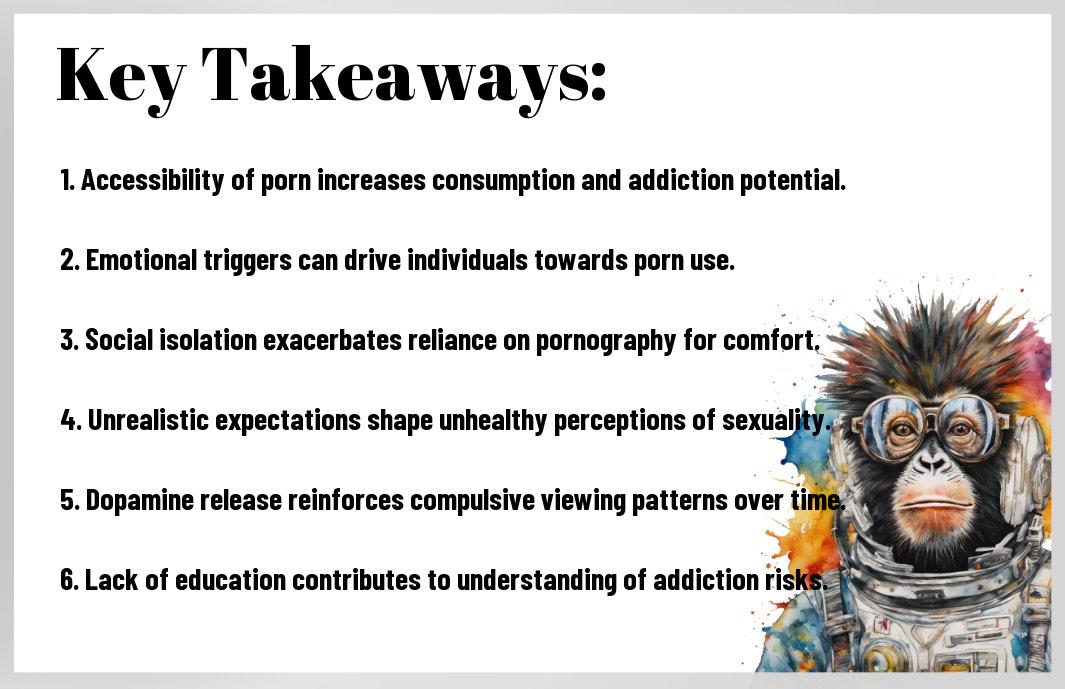
    Key Takeaways:

    • Increased accessibility of pornography through the internet can contribute to habitual use and dependence.
    • Escapism often drives individuals to pornography as a means to cope with stress, emotional pain, or dissatisfaction in other areas of life.
    • Cultural attitudes and societal norms can normalize porn consumption, leading to increased acceptance and usage among various age groups.
    • Brain chemistry changes, particularly related to dopamine release, can create a cycle of addiction similar to substance use disorders.
    • Underlying psychological issues, such as anxiety or depression, can make individuals more susceptible to developing a dependence on pornography.
    • Social isolation and lack of meaningful relationships can push individuals towards porn as a substitute for intimacy and connection.
    • Desensitization due to frequent exposure can lead users to seek more extreme content, perpetuating a cycle of addiction and further detachment from reality.

    Understanding Porn Addiction

    The phenomenon of porn addiction can significantly affect your life, relationships, and mental well-being. It often starts subtly but can escalate into compulsive behaviors that consume your time and thoughts, impacting your daily activities and interpersonal connections. Understanding the underlying factors and dynamics is necessary for addressing and overcoming this issue.

    Definition and Context

    For many individuals, porn addiction is characterized by the compulsive consumption of pornography despite negative consequences. This behavior can lead to an inability to control or limit consumption, ultimately causing distress and dysfunction in various areas of your life.

    Prevalence and Impact

    Definition shows that porn addiction is increasingly recognized as a significant issue that affects a large portion of the population. Numerous studies indicate that a substantial number of individuals engage with online pornography on a regular basis, pointing to a growing trend towards compulsive use. The impact of porn addiction can manifest as relationship problems, diminished self-esteem, and even anxiety or depression, affecting not just your personal life but also your overall quality of life.

    Plus, the pervasive nature of online content means that many people encounter pornography at an early age, often leading to distorted beliefs about intimacy and relationships. This early exposure can set the stage for addictive patterns, making it crucial for you to understand these dynamics in order to seek appropriate guidance and support for a healthier relationship with sexuality and intimacy.

    Critical Factor 1: Accessibility

    Even in a world where information is predominantly accessible, the availability of pornographic content has surged dramatically. With just a few clicks, you can access an overwhelming array of choices, making it all too easy to indulge. This convenience leads many to engage in viewing habits that can spiral into a pattern of addiction, as the constant accessibility removes any barriers that once limited consumption.

    Digital Availability

    On almost every device, whether it’s a smartphone, tablet, or computer, you have instant access to explicit material. With countless websites dedicated to adult content, finding what you seek has never been easier. This digital landscape encourages frequent viewing, which can contribute to the formation of compulsive behaviors.

    Social Acceptance

    Critical to understanding porn addiction is the rising social acceptance surrounding it. What was once taboo is now openly discussed and often glamorized, normalizing frequent consumption. You might find yourself feeling justified in viewing such content due to the pervasive cultural narratives that promote its accessibility.

    In fact, societal attitudes have shifted significantly over the years, leading to the perception that consuming porn is a mainstream and acceptable activity. Many influencers and media outlets advocate for a more open dialogue regarding sexual expression, often neglecting to mention the potential risks associated with excessive viewing habits. As you navigate these evolving norms, it’s important to remain vigilant about how they might shape your own behaviors and understanding of healthy sexuality.

    Critical Factor 2: Psychological Triggers

    Your mental state plays a significant role in the development of porn addiction. Psychological triggers encompass a variety of stressors, emotional challenges, and situational factors that can prompt you to seek out porn as a means of relief or escape. Understanding these triggers is necessary to breaking the cycle of addiction and fostering healthier responses to emotional distress.

    Stress and Emotional Regulation

    Beside the obvious effects of stress, emotional regulation challenges can push you toward compulsive behaviors like porn consumption. When faced with overwhelming emotions, you may struggle to cope, leading to an increased reliance on porn as a temporary fix, which can further entrench unhealthy habits.

    Escapism and Coping Mechanisms

    Psychological triggers often lead you to seek escapism through porn, providing a mental getaway from life’s challenges. This reliance may initially feel comforting but can evolve into a cycle of addiction, as the temporary satisfaction from porn replaces healthier coping strategies that could address your issues more effectively.

    Factor in the pressure of daily life and the inevitable emotional strain you face; escapism through porn can become an appealing but destructive coping mechanism. You might find it easier to turn to porn rather than confront uncomfortable feelings or situations. Over time, this behavior can erode your ability to handle stress, ultimately reinforcing the need for escapism and deepening your addiction.

    Critical Factor 3: Social Factors

    Now, it’s imperative to acknowledge that social factors significantly contribute to the risk of developing a porn addiction. Your environment, community norms, and social interactions may drive you toward unhealthy behaviors. Consider these influences:

    • Peer pressure to conform to sexual behaviors
    • Normalization of porn within your social circle
    • Exposure to sexual content in media and conversations

    Thou must account for these social dynamics in your journey toward understanding addiction.

    Peer Influence

    After surrounding yourself with peers who endorse or engage in porn consumption, you may feel pressured to mimic those behaviors to fit in. This can create a cycle where your exposure increases due to others’ influence, leading to potential addiction.

    Relationship Dynamics

    Above all, the quality and type of relationships you foster can impact your vulnerability to porn addiction. Lacking healthy, intimate connections may lead you to seek validation and satisfaction elsewhere, including through porn.

    Plus, unhealthy relational patterns, such as dependency or co-dependency, can exacerbate feelings of loneliness or inadequacy. In these instances, you may turn to porn as a way to cope or escape, further entrenching the addiction. Establishing sound, emotionally fulfilling relationships could serve as a protective factor against turning toward porn for comfort or validation.

    Signs of Porn Addiction

    Many individuals struggling with porn addiction may not recognize the signs. Symptoms can manifest in various forms, affecting both your daily life and overall well-being. You may find yourself losing interest in activities that once brought you joy, or you may prioritize porn over important relationships or responsibilities. For deeper insights into the physiological, psychosocial, and substance abuse effects of porn addiction, you can explore this resource.

    Behavioral Indicators

    On noticing a compulsion to view porn despite negative consequences, you could be facing behavioral indicators of addiction. You might engage in secretive or covert behavior, struggling to set limits on your usage, or feel a sense of relief when you indulge. These patterns often indicate an unhealthy relationship with porn.

    Emotional Symptoms

    Beside behavioral signs, emotional symptoms can also play a significant role in identifying porn addiction. You may experience heightened levels of anxiety, guilt, or loneliness tied to your porn consumption. These emotions can escalate, impacting your self-esteem and overall mental health.

    Considering the emotional symptoms associated with porn addiction, it’s necessary to recognize how they can affect your life. Feelings of isolation might lead to avoidance of social situations, while guilt can create a cycle that perpetuates your addiction. Understanding these emotional responses can help you take proactive steps towards recovery and address the underlying issues fueling your addiction.

    Addressing Porn Addiction

    To effectively tackle porn addiction, it’s necessary to recognize the underlying issues and take proactive steps towards change. Understanding the triggers behind your behavior is the first vital step in regaining control. Through self-reflection, therapy, and perhaps lifestyle changes, you can begin to mend the patterns that have developed over time. Addressing the addiction takes time and commitment, so be patient with yourself during this process.

    Strategies for Recovery

    Any effective recovery plan should incorporate various strategies tailored to your specific needs. These may include cognitive-behavioral therapy to challenge harmful thoughts, setting clear goals, and developing healthier coping mechanisms. Engaging in activities that bring you joy and fulfillment can also aid in redirecting your focus. Establishing a routine that prioritizes mindfulness and self-care can significantly bolster your recovery journey.

    Support Systems and Resources

    For lasting recovery, it’s beneficial to build a solid support system that includes trusted friends, family, or support groups. Connecting with individuals who understand your struggles can provide encouragement and accountability. Additionally, online resources and educational materials can offer insights and strategies that resonate with your personal journey, enhancing your healing process.

    Recovery from porn addiction often requires the involvement of a well-rounded support system and access to various resources. Consider joining support groups, whether in-person or online, where you can share experiences and learn from others who are facing similar challenges. Books, podcasts, and webinars focused on addiction recovery can further augment your understanding and provide valuable coping strategies. Engaging with these resources not only helps in building a foundation for your recovery but also creates a community that fosters accountability and encouragement.

    Conclusion

    Hence, understanding the three critical factors that lead to porn addiction—escalation, emotional dysregulation, and social isolation—can empower you to take control of your habits and make informed decisions. Acknowledging these elements allows you to develop strategies for healthier coping mechanisms and relationships. By focusing on self-awareness and support systems, you can combat the cycle of addiction and foster a more fulfilling life beyond pornography.

    FAQ

    Q: What are the three critical factors that can lead to porn addiction?

    A: The three critical factors that can lead to porn addiction are accessibility, psychological triggers, and social acceptance. Accessibility refers to how easily individuals can access adult content through the internet. Psychological triggers relate to how certain emotional states, such as stress or loneliness, can drive individuals to seek out pornography for immediate gratification. Social acceptance refers to the normalization of pornography in society, leading individuals to engage with it without considering the potential negative impacts on their lives.

    Q: How does accessibility contribute to porn addiction?

    A: Accessibility plays a significant role in porn addiction due to the widespread availability of adult content online. High-speed internet and the presence of various platforms make it easier than ever to view pornography. This easy access can lead to compulsive behaviors, as individuals may turn to porn out of habit or boredom. The lack of barriers can result in frequent use, reinforcing the addictive cycle.

    Q: In what ways do psychological triggers influence the development of porn addiction?

    A: Psychological triggers can significantly influence the development of porn addiction by creating a reliance on pornography as a coping mechanism. For instance, individuals experiencing anxiety, depression, or loneliness may seek out adult content as a form of escape. Over time, this behavior can evolve into an addiction, where the individual continuously turns to pornography for emotional relief, further entrenching their compulsive behavior.

    Q: What role does social acceptance play in the prevalence of porn addiction?

    A: Social acceptance plays a considerable role in the prevalence of porn addiction by normalizing the consumption of pornography. Media portrayals and discussions surrounding adult content can downplay potential risks, making it seem like a standard aspect of modern life. This normalization can lead individuals to view pornography as harmless, making it easier for some to justify excessive consumption, potentially leading to addiction.

    Q: Can understanding these factors help in overcoming porn addiction?

    A: Yes, understanding these factors can be a vital step in overcoming porn addiction. By recognizing how accessibility, psychological triggers, and social acceptance contribute to the issue, individuals can devise strategies to manage their consumption. This might include setting boundaries for internet usage, identifying emotional triggers, and seeking support from peers or professionals to address the underlying causes of their addiction. Awareness and education can empower individuals to make healthier choices regarding their relationship with pornography.

  • Fast Fix – How Long Does It Take to Recover from Porn Addiction

    Fast Fix – How Long Does It Take to Recover from Porn Addiction

    There’s a significant journey ahead of you if you’re seeking to recover from porn addiction. Understanding the recovery timeline is important as you navigate through this process, which often includes various emotional and psychological challenges. You may wonder how long it will take to overcome your addiction and reclaim a healthier relationship with intimacy and sexuality. In this blog post, we will explore the factors that influence recovery duration and offer insights to guide you on your path to healing.

    Key Takeaways:

    • Recovery from porn addiction varies widely, with timelines ranging from a few months to several years depending on individual circumstances and support systems.
    • Understanding the psychological and physical effects of porn addiction is important for effective recovery.
    • Developing healthier coping mechanisms and habits can significantly aid in the recovery process.
    • Support from therapy, support groups, and understanding friends and family plays a vital role in sustaining progress.
    • Setting realistic goals and celebrating small achievements can help maintain motivation throughout recovery.
    • Relapses may occur, but they can be viewed as learning experiences rather than failures.
    • Staying informed about the potential triggers and underlying issues can empower individuals to navigate their recovery journey more successfully.

    Understanding Porn Addiction

    While many view porn as a harmless pastime, it can lead to significant issues in your life. Porn addiction occurs when you find yourself compulsively engaging with pornographic content to the point where it interferes with your daily activities, relationships, and overall well-being. Recognizing this as an addiction can be the first step towards reclaiming control over your life.

    Defining Porn Addiction

    For some individuals, porn addiction manifests as an uncontrollable urge to watch pornography, even when it leads to negative outcomes. It’s often characterized by an inability to set limits on viewing or a persistent desire to consume more content despite adverse effects on your life.

    Signs and Symptoms

    By being aware of the signs and symptoms of porn addiction, you can better assess your relationship with porn. Common indicators include spending excessive time viewing porn, neglecting responsibilities, and experiencing cravings or withdrawal symptoms when not consuming it.

    It’s imperative to recognize that these signs can vary from person to person. You might notice that your usage has escalated, requiring more extreme content to achieve the same thrill. You may also find yourself lying about your habits to others or using porn as a coping mechanism to deal with stress or emotional issues. If you relate to these experiences, it could be time to explore healthier alternatives and seek support.

    The Recovery Process

    The journey to overcome porn addiction is a multifaceted process that requires time, commitment, and often professional support. You will encounter various stages of recovery, including awareness, understanding triggers, and building healthier habits. Each person’s experience is unique, but gradually, you can expect to see improvements in your emotional and mental well-being as you navigate this transformative path.

    Initial Steps to Take

    Around your initial steps, it’s important to acknowledge your addiction and assess its impact on your life. Begin by reflecting on your usage patterns and identifying situations that trigger your urge to engage with pornography. Seeking support from friends, family, or support groups can greatly enhance your journey toward recovery.

    Setting Realistic Goals

    To effectively navigate your recovery, it’s important to set realistic and achievable goals. This will help you stay motivated and track your progress without feeling overwhelmed.

    Recovery involves establishing incremental goals that align with your personal circumstances. Start with small, manageable targets, such as reducing the frequency of use or abstaining for a few days each week. As you achieve these milestones, gradually increase the challenge. This approach not only builds confidence but also reinforces your commitment to lasting change, allowing you to create a healthier relationship with yourself and others.

    Duration of Recovery

    Your journey towards recovery from porn addiction can vary widely from person to person. Factors such as the length of time you’ve struggled with the addiction, your support system, and your personal motivations play significant roles in determining how long the recovery process will take.

    Factors That Influence Recovery Time

    Recovery from porn addiction is influenced by various factors that can either accelerate or hinder your progress. Consider these aspects:

    • Your commitment to change
    • Access to support networks
    • Underlying mental health issues
    • The presence of triggers in your environment

    Assume that by addressing these factors, you can enhance your chances of a smoother recovery process.

    Expected Timeline for Recovery

    Below are general expectations regarding the timeline you might experience during recovery from porn addiction. While some may notice improvements within a few weeks, lasting change typically requires sustained effort over several months or even years, depending on individual circumstances and level of commitment.

    Recovery journeys are not linear and can differ significantly among individuals. Generally, you may start to feel initial benefits after a month, yet full recovery can take up to six months or longer. The continued development of healthier habits and coping mechanisms will be vital during this time. Stay focused on your goals and be patient with yourself; incremental progress is the key to long-term success.

    Techniques and Strategies

    Keep in mind that your recovery journey may involve various techniques and strategies tailored to your needs. Exploring professional guidance, incorporating mindfulness practices, or considering lifestyle changes can aid significantly in breaking free from porn addiction. For more insights into How Long Does it Take to Break a Porn Addiction?, understanding these methods can empower you to take control of your life.

    Cognitive Behavioral Therapy (CBT)

    Among the effective methods for overcoming porn addiction is Cognitive Behavioral Therapy (CBT). This structured approach helps you identify and change negative thought patterns and behaviors associated with your addiction. By working with a qualified therapist, you can develop healthier coping mechanisms and reinforce positive habits that lead to lasting change.

    Support Groups and Resources

    For many individuals, support groups and resources provide a vital network during recovery. Engaging with others who share similar experiences can foster a sense of community and accountability while offering valuable insights and coping strategies.

    Cognitive behavioral therapy is complemented well by various support groups and resources available online and in your community. These connections enable you to share your experiences, hear from others who have faced similar challenges, and draw strength from their journeys. Joining a support group can also create an environment that encourages open dialogue and self-discovery as you work toward healthier patterns in your life.

    Overcoming Relapses

    Once again, relapses can be a part of your journey in overcoming porn addiction. They can feel discouraging, but understanding that setbacks are normal can help you maintain your focus on recovery. What matters is how you respond to these relapses, learning from them instead of allowing them to derail your progress.

    Identifying Triggers

    Beside developing a plan, recognizing what triggers your urges is vital. Keep a journal to note down situations, feelings, or environments that precede your relapses. By identifying these patterns, you can begin to avoid or manage these triggers effectively.

    Developing Coping Mechanisms

    Overcoming situations related to your triggers involves creating healthy coping mechanisms. Implement strategies like mindfulness, engaging in physical activities, or building a support network to divert your attention when faced with urges.

    Even small changes can lead to significant benefits. Consider activities that make you feel fulfilled, such as creative hobbies or exercise, to redirect your energy. Practicing mindfulness techniques, like meditation, can help you become more aware of your thoughts and emotions. Additionally, connecting with friends or support groups allows you to share experiences and gain encouragement, further strengthening your commitment to recovery.

    Maintaining Long-term Recovery

    All individuals recovering from porn addiction must develop strategies to maintain their progress and avoid relapse. This journey involves cultivating a healthy and supportive environment, practicing self-care, and continually monitoring your emotional well-being. By making conscious choices and implementing lifestyle adjustments, you can build resilience against future challenges and encourage lasting recovery.

    Lifestyle Changes

    With a focus on positive lifestyle changes, you can create an environment that supports your recovery. This includes engaging in regular physical activity, adopting a balanced diet, and ensuring adequate sleep. Surrounding yourself with positive influences and reducing exposure to triggering content can also significantly enhance your recovery journey.

    Continuing Support Systems

    With continued support systems, you can navigate the complexities of recovery more effectively. Building a network of accountability through trusted friends, family, or support groups provides you with encouragement and understanding. These connections are important as you face the challenges and emotions that may arise on your path to a healthier mindset.

    But staying connected to your support systems is not just about accountability; it enhances your sense of belonging and understanding. Engaging in regular discussions with peers who share similar experiences can help you process your feelings and reinforce your commitment to recovery. Support groups, therapists, or online communities offer valuable resources and insights, making it easier for you to share your journey while learning from others, ultimately strengthening your resolve against relapse.

    Conclusion

    To wrap up, overcoming porn addiction is a journey that varies for each individual, depending on factors like commitment, support systems, and personal circumstances. Understanding that recovery can take time allows you to approach the process with patience. If you’re navigating this path and want to know more about the impact on relationships, you can explore How Long Does It Take a Couple to Recover from Sexual … for additional insights. Embrace the changes you need to make for a healthier future.

    FAQ

    Q: What is porn addiction?

    A: Porn addiction refers to a compulsive need to consume pornography that interferes with daily life, relationships, and mental health. It can lead to negative consequences such as decreased sexual satisfaction, issues with intimacy, and feelings of shame or guilt.

    Q: How do I know if I am struggling with porn addiction?

    A: Signs of porn addiction may include spending excessive amounts of time viewing pornography, neglecting responsibilities or relationships to do so, experiencing withdrawal symptoms when not watching, or feeling unable to control or reduce consumption despite wanting to do so.

    Q: How long does recovery from porn addiction take?

    A: Recovery time varies for each individual. Some may see improvements in a few weeks, while others might take several months or even years. Recovery largely depends on factors like the severity of addiction, individual commitment to change, and support systems in place.

    Q: What steps can I take to start my recovery from porn addiction?

    A: Start by acknowledging the problem and seeking help through therapy, support groups, or educational resources. Setting clear goals, finding healthier activities to replace porn consumption, and surrounding yourself with supportive people can also aid in the recovery process.

    Q: Are there any therapies specifically designed for porn addiction?

    A: Yes, several therapeutic approaches can effectively address porn addiction, including Cognitive Behavioral Therapy (CBT), which helps change negative thinking patterns, and support groups like Sex Addicts Anonymous (SAA), which provide a community of shared experiences.

    Q: Can porn addiction lead to other mental health issues?

    A: Yes, porn addiction can contribute to various mental health concerns such as anxiety, depression, and low self-esteem. The compulsive nature of the addiction often exacerbates underlying issues, making it crucial to address both the addiction and any related mental health challenges.

    Q: How can I maintain my recovery long-term?

    A: Long-term maintenance involves creating a supportive environment, developing healthy coping mechanisms, and continuing to engage with therapy or support groups. It’s also helpful to establish a routine that promotes overall well-being, such as exercising, journaling, and maintaining social connections.

  • Beat It – How Long Does It Take to Recover from Porn Addiction

    Beat It – How Long Does It Take to Recover from Porn Addiction

    Many individuals struggling with porn addiction often wonder about the recovery timeline. Understanding how long it takes to regain control over your habits is crucial for your journey toward healing. This post will explore the various factors influencing recovery time, including personal commitment, support systems, and the impact of individual circumstances. By gaining insights into the process, you can better prepare yourself for the challenges ahead and set realistic expectations for your recovery journey.

    Key Takeaways:

    • Porn addiction recovery can vary significantly from person to person, often taking weeks to months.
    • Withdrawal symptoms may include anxiety, irritability, and cravings, similar to other types of addiction.
    • Developing a supportive network, including therapy and support groups, can enhance recovery success.
    • Setting realistic goals and tracking progress helps maintain motivation throughout the recovery process.
    • Identifying and addressing underlying emotional or psychological issues is important for long-term recovery.
    • Replacing unhealthy habits with positive activities, such as exercise and hobbies, can aid in transitioning away from pornography.
    • Patience and self-compassion are imperative; setbacks may occur, but they do not signify failure.

    Understanding Porn Addiction

    To comprehend porn addiction, it is crucial to recognize that it affects many individuals across diverse backgrounds. This condition often manifests through compulsive behaviors surrounding the consumption of pornographic material, leading to negative impacts on personal relationships, work, and mental health. Being aware of this addiction helps you take necessary steps toward recovery.

    Definition and Symptoms

    Porn addiction can be defined as an excessive and compulsive use of pornographic content that interferes with your daily life. Symptoms may include an inability to reduce or control your consumption, increased secrecy about viewing habits, and neglect of responsibilities or interests that used to be important to you.

    Psychological Effects

    Beside the blatant signs of addiction, the psychological effects of porn addiction can be profound and far-reaching. These may manifest as anxiety, depression, or negative self-esteem. You might find that your perceptions of intimacy and relationships become distorted, ultimately affecting your connection with others.

    Further exploration of the psychological effects reveals that porn addiction can create a cycle of guilt and shame, leading you to retreat further into isolation. As you become more dependent on porn for gratification, you may find it harder to establish genuine emotional connections, which can create a sense of loneliness. Over time, this can erode your self-worth and lead to increased feelings of inadequacy, leaving you trapped in a vicious cycle that is difficult to escape without intervention.

    Recovery Process

    Clearly, the recovery process from porn addiction is not a linear journey but rather a path filled with ups and downs. You will experience a range of emotional and physical changes as you work through your challenges. Engaging with a support group or a mental health professional can provide you with guidance and tools to navigate this transition, enabling you to reclaim control over your life and relationships.

    Stages of Recovery

    To understand your recovery, it is vital to identify the stages involved. Each stage represents a unique aspect of your healing journey. You may find that you cycle through these stages multiple times, as recovery is an ongoing process that requires patience and dedication.

    Duration of Each Stage

    Recovery from porn addiction varies widely in duration, depending on individual circumstances. Each stage can last anywhere from weeks to months, influenced by factors such as the severity of addiction, personal motivation, and available support systems.

    Stages of recovery often unfold over time, beginning with awareness and acknowledgment of the problem. You might then move into acceptance, followed by making behavioral changes. Each stage may require different lengths of time to navigate based on your specific experiences and emotional state. It’s vital to be gentle with yourself during this process, as progress may not always be immediate. Emphasizing personal growth and healing can facilitate a more effective recovery journey.

    Factors Influencing Recovery Time

    Keep in mind that various factors can affect how long it takes you to recover from porn addiction. These include:

    • Your level of addiction
    • Your psychological makeup
    • Access to treatment resources
    • Support from friends and family

    Assume that understanding these factors can help you better navigate your journey. For more insights, check out How to Stop a Porn Addiction: Samarpan’s Practical Guide.

    Individual Differences

    To fully grasp the recovery process, it’s vital to acknowledge that individual differences play a significant role. Your emotional resilience, coping mechanisms, and past experiences can all shape how you respond to treatment and setbacks along the way.

    Support Systems

    Against this backdrop, having a robust support system can significantly impact your recovery journey. People who surround you, including friends, family, or support groups, can provide emotional encouragement and hold you accountable.

    Even small acts of support, like having someone to discuss your feelings with or share your progress, can boost your motivation and help you stay committed. Strong relationships often create a positive environment, making it easier for you to face challenges and remain focused on your recovery goals.

    Strategies for Overcoming Addiction

    Your journey to overcome porn addiction can be effectively navigated by employing a combination of strategies tailored to your needs. Recognizing triggers, establishing supportive environments, and setting clear goals will empower you to take control of your impulses. Incorporating mandatory breaks from digital devices and engaging in healthier activities can significantly reduce cravings and reinforce your commitment to recovery.

    Professional Help

    For many, seeking professional help can provide vital support on the road to recovery. Therapists specializing in addiction can help you identify underlying issues, develop coping strategies, and offer accountability. Joining support groups allows you to connect with others facing similar challenges, fostering a sense of community and encouragement.

    Self-Help Techniques

    For those preferring to take matters into their own hands, self-help techniques offer valuable methods to regain control. Journaling, meditation, and engaging in physical fitness can help you redirect energy and focus on positive habits. Setting up a structured daily routine can also provide stability and aid in breaking the addiction cycle.

    In fact, self-help techniques can create a significant impact on your recovery process. By incorporating mindfulness practices, you can develop greater awareness of your triggers and emotional responses, allowing you to make informed decisions. Furthermore, engaging in hobbies or new interests acts as a welcome distraction from cravings, ultimately helping to solidify your commitment to overcoming addiction.

    The Role of Relapse

    For many facing porn addiction, relapse can feel discouraging and overwhelming. Understanding that it is often a part of the recovery journey allows you to approach your path with realism and patience. Successful recovery involves navigating setbacks, learning from them, and continuing to move forward, rather than letting relapse define your progress.

    Understanding Relapse

    To effectively manage your recovery, it’s important to recognize what triggers a relapse. Acknowledging the emotional and situational factors that contribute to these setbacks can empower you to develop strategies to counteract them. By viewing relapse not as a failure, but as an opportunity for growth, you can enhance your resilience and commitment to recovery.

    Coping Mechanisms

    Beside understanding your triggers, cultivating effective coping mechanisms is vital in your recovery journey. These strategies not only help you manage cravings but also strengthen your overall well-being, making you less susceptible to relapse. Incorporating mindfulness practices, engaging in physical activities, and building a support network are practical ways to maintain focus and enhance self-discipline.

    Understanding the importance of coping mechanisms in your recovery can make a significant difference. You might consider journaling your thoughts and feelings, which can help you identify patterns and triggers. Additionally, exploring new hobbies or interests can provide a healthy distraction. Surrounding yourself with supportive individuals or groups who share similar goals can offer encouragement and accountability, further reinforcing your resolve to overcome addiction. Ultimately, these strategies can create a solid foundation for lasting recovery.

    Long-Term Outlook

    Despite the challenges that come with overcoming porn addiction, the long-term outlook is decidedly positive. Many individuals find that after dedicating time and effort to recovery, they experience not only improved relationships but also enhanced emotional well-being and mental clarity. Although the journey may vary from person to person, maintaining focus on your goals will yield rewarding results over time.

    Maintaining Recovery

    Maintaining your recovery requires ongoing commitment and self-awareness. You will likely benefit from establishing a support network, whether through therapy, online forums, or community groups. Regular self-reflection and identifying triggers will help you navigate any challenges that may arise, empowering you to stay on your path to recovery.

    Benefits of Recovery

    After achieving recovery, you’ll uncover numerous benefits that extend beyond the absence of addiction. You may notice improved relationships, heightened self-esteem, and a renewed sense of purpose in your life.

    Considering the transformative nature of recovery, the benefits can significantly enrich your day-to-day existence. Freed from the compulsions of porn addiction, you will have more energy to invest in meaningful activities and relationships. As you reclaim your time and focus on personal growth, you’ll find yourself embracing new opportunities for connection and fulfillment, ultimately leading to a more balanced and rewarding life.

    Conclusion

    Ultimately, overcoming porn addiction is a personal journey that varies for everyone. The recovery timeline depends on factors such as the severity of your addiction, your support system, and the strategies you employ. Engaging in healthy habits, seeking professional help, and fostering self-awareness can significantly impact your progress. Be patient with yourself as you navigate this path, and focus on building a fulfilling life beyond addiction.

    FAQ

    Q: What is porn addiction?

    A: Porn addiction refers to the compulsive consumption of pornography that interferes with daily life, personal relationships, and well-being. It can lead to a range of problems, including decreased sexual satisfaction, emotional distress, and difficulty forming healthy romantic connections.

    Q: How can I tell if I have a porn addiction?

    A: Signs of porn addiction may include spending excessive time viewing porn, neglecting responsibilities or relationships, experiencing cravings, and using porn as a way to cope with stress or emotional issues. If you find it challenging to stop despite negative consequences, it might be worth seeking help.

    Q: How long does it take to recover from porn addiction?

    A: The recovery time can vary significantly from person to person. Some individuals may start to see improvements within a few weeks, while complete recovery can take several months or even years. Factors influencing recovery include the duration and severity of the addiction, individual support systems, and commitment to change.

    Q: What are the stages of recovery from porn addiction?

    A: Recovery typically involves several stages: acknowledgment of the problem, seeking support, making lifestyle changes, developing coping strategies, and ongoing maintenance. Each individual may progress through these stages at their own pace, often requiring time and patience.

    Q: Are there any methods or treatments to help with recovery?

    A: Yes, various approaches can aid in recovery from porn addiction. These may include therapy (such as cognitive-behavioral therapy), support groups, self-help resources, and lifestyle changes. Seeking guidance from a mental health professional can provide tailored strategies for overcoming the addiction.

    Q: Can physical withdrawal symptoms occur during recovery?

    A: Some individuals may experience withdrawal-like symptoms during recovery, such as anxiety, irritability, mood swings, and cravings. This is a normal part of the process as the brain adjusts to a reduced dependency on pornography. Engaging in supportive activities can help mitigate these symptoms.

    Q: Is it possible to relapse during the recovery process?

    A: Relapse is common during recovery and should not be seen as a failure. It is important to approach any setbacks with understanding and to utilize them as learning experiences. Continuing to seek support and reinforcing healthy coping mechanisms can aid in staying on track after a relapse.

Quit a Porn Addiction Skip to content