Tag: templates

  • Porn Addiction Self-Assessment: Are You Addicted?

    Porn Addiction Self-Assessment: Are You Addicted?

    Start with our signs of porn addiction guide for background.

    Most people don’t realize that their porn consumption can escalate into problematic behavior. If you find yourself questioning whether your habits around pornography are becoming harmful, it’s important to evaluate your situation thoughtfully.

    This post will guide you through seven key templates designed for beginners to help you identify signs of porn addiction and understand its impact on your life. By the end, you’ll have valuable insights that can empower you to take control of your relationship with pornography.

    Porn Addiction Self-Assessment: Are You Addicted?

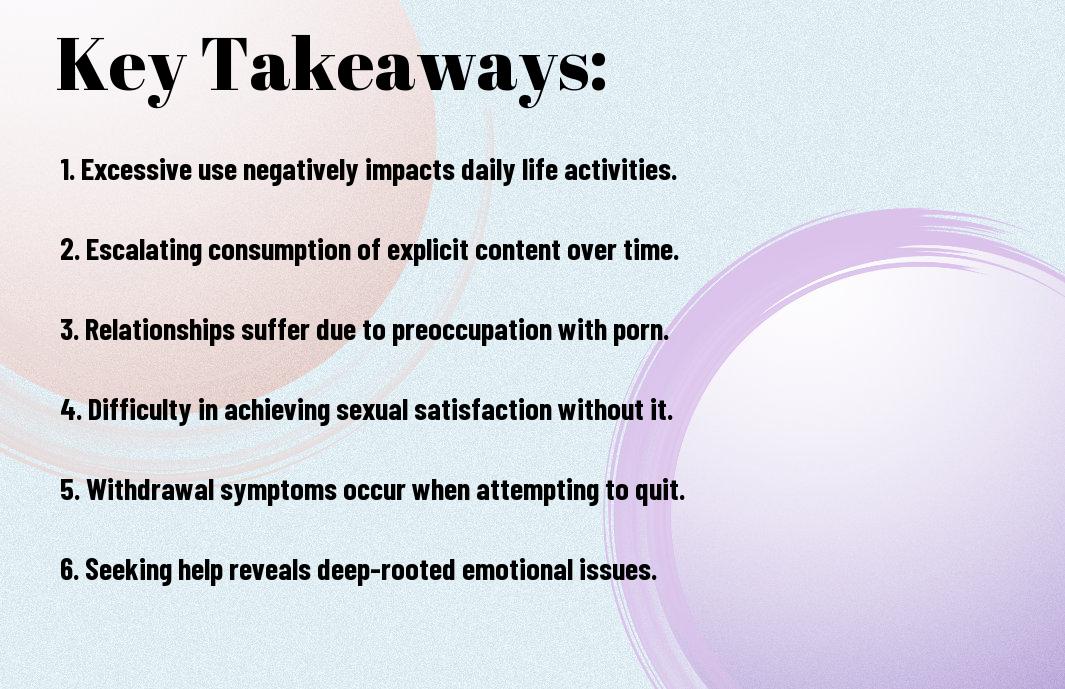
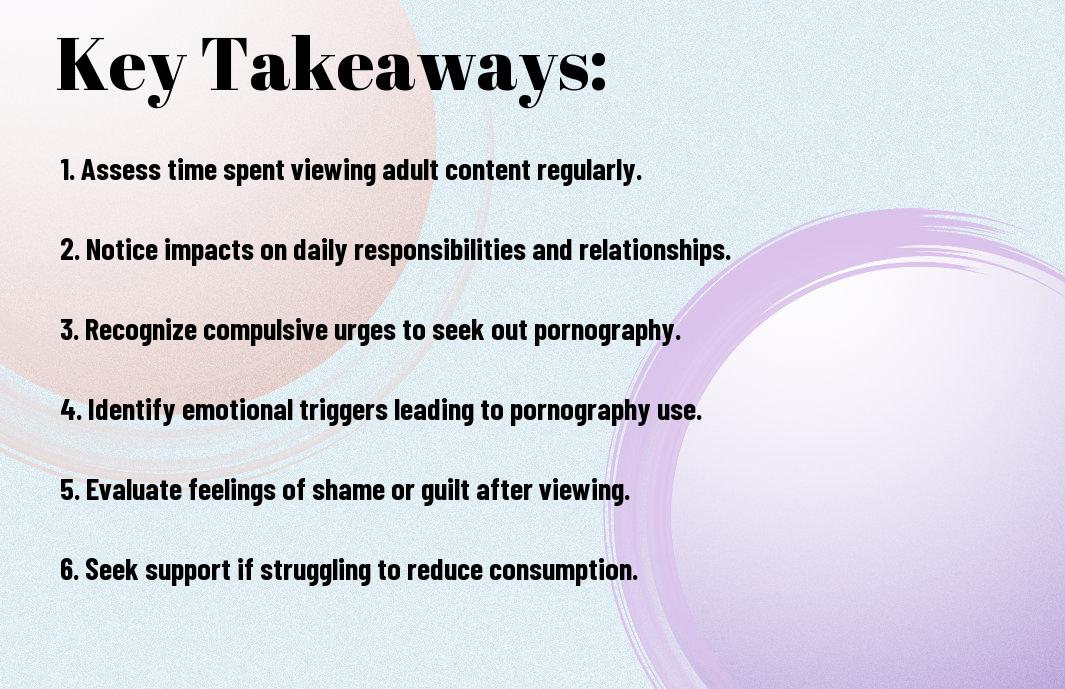
    Key Takeaways:

    • Identify behavioral patterns: Regularly assess your habits to see if watching porn interferes with daily responsibilities or relationships.
    • Consider emotional responses: Note if you rely on pornography as a coping mechanism for stress or emotional issues.
    • Evaluate time spent: Track the amount of time allocated to viewing porn and whether it has increased over time.
    • Observe withdrawal symptoms: Be aware of feelings of irritability or anxiety if unable to access pornographic content.
    • Reflect on secrecy: Check if you feel compelled to hide your porn consumption from others or if you feel guilt or shame about it.
    • Recognize the impact on intimacy: Notice if pornography negatively affects your intimate relationships or expectations of partners.
    • Seek professional guidance: Consider speaking to a therapist or support group if you suspect that your behavior may be problematic.
    Porn Addiction Self-Assessment: Are You Addicted? — illustration 2

    Understanding Porn Addiction

    Your journey to understanding porn addiction starts with recognizing its impact on your life. This type of addiction can manifest in various ways, affecting not just your mental health, but also your personal relationships and daily routines.

    By acknowledging the signs, you’re empowering yourself to seek necessary help and reclaim your life.

    Definition and Overview

    Against common misconceptions, porn addiction is more than just frequently watching adult content. It is characterized by compulsive behaviors associated with porn consumption, leading to a significant disruption in your life and challenges in controlling the urges.

    Understanding this addiction is the first step towards overcoming it.

    Signs of Addiction

    After acknowledging your concerns, identifying the signs of porn addiction is vital. These can include escalating consumption, neglecting responsibilities, and experiencing emotional distress when not watching porn.

    Recognizing these patterns can guide you toward making informed decisions about your habits.

    A key indication of porn addiction is the escalation of your consumption habits. You might find yourself seeking out more extreme content, spending excessive amounts of time watching, or feeling unable to stop despite negative impacts on your life.

    You may also notice that activities you once enjoyed are less appealing, and this increasing dependency can lead to feelings of guilt or shame. By acknowledging these signs and understanding their implications, you’re taking important steps towards addressing any potential issues you may face.

    The Impact of Pornography

    Clearly, engaging with pornography can significantly affect your life in various ways, leading to both psychological challenges and relational issues. Understanding these impacts can help you identify whether you’re developing unhealthy patterns in your consumption of adult content.

    Psychological Effects

    Psychological symptoms often include anxiety, depression, and even low self-esteem. You might find that habitual viewing alters your perception of sex and intimacy, leading to unrealistic expectations of physical relationships.

    This can create a constant cycle of dissatisfaction that’s tough to break, affecting your overall mental health.

    Relationship Consequences

    The impact of pornography on your relationships can be profound, leading to issues like emotional disconnect and intimacy challenges with your partner. As you become more entrenched in your habits, you may prioritize screen time over meaningful connections.

    Hence, this disengagement can result in distrust, jealousy, and even conflict in your relationship. Your partner may feel unvalued or inadequate in comparison to the unrealistic scenarios portrayed in pornography.

    The discrepancy between fantasy and reality can erode the emotional foundation necessary for a healthy relationship, making communication and intimacy increasingly difficult.

    Self-Assessment Templates

    Not all habits are detrimental, but understanding the nuances of your relationship with pornography is imperative. Self-assessment templates can help identify patterns and behaviors that may indicate an addiction.

    By using these templates, you can gain clarity about your use and how it impacts various aspects of your life.

    Template 1: Frequency and Duration

    Against the backdrop of your routine, take note of how often and how long you engage with pornography. Tracking these metrics can unveil whether your usage has escalated over time or if it occupies a significant portion of your day.

    Awareness of frequency and duration is the first step toward recognizing potential concerns.

    Template 2: Emotional Responses

    Emotional responses play a significant role in understanding your relationship with pornography. It’s imperative to evaluate how you feel before, during, and after viewing adult content.

    Are you experiencing guilt, shame, or anxiety? Recognizing these emotions can guide your self-assessment and illuminate patterns in your behavior.

    To effectively gauge your emotional responses, consider keeping a journal detailing your feelings related to pornography use. Reflect on how different situations trigger your viewing habits and the emotions that arise in conjunction.

    This exercise will not only clarify your emotional state but also aid in identifying underlying issues that may contribute to unhealthy patterns.

    Porn Addiction Self-Assessment: Are You Addicted? — illustration 3

    Professional Help

    All individuals grappling with porn addiction can benefit from professional help. Seeking guidance from a qualified therapist or counselor can provide you with tailored strategies to overcome your challenges.

    Engaging with experts who specialize in addiction can offer a safe environment to explore your feelings and behaviors. This support can empower you to make positive changes in your life and reclaim control over your habits.

    Therapy Options

    One option for overcoming porn addiction is therapeutic intervention. Cognitive Behavioral Therapy (CBT) is particularly effective, as it helps you identify and change negative thought patterns and behaviors related to your addiction.

    Individual therapy can enable you to address personal issues while also providing a space for accountability and reflection. Group therapy may also be beneficial, as it fosters a sense of community and shared experience.

    Support Groups

    Between professional therapy sessions, support groups can serve as an invaluable resource. Joining a group composed of individuals who face similar struggles can help you feel less isolated and more understood.

    Sharing experiences, setbacks, and successes with others can motivate you and strengthen your commitment to recovery. You can also learn from the strategies that fellow members use to cope and manage their addiction.

    Also, support groups provide a platform for ongoing encouragement and guidance. Many of them are led by trained facilitators who have experience dealing with porn addiction, allowing you to gain insight into effective coping strategies.

    Whether it’s in-person meetings or online forums, these peer connections can be an necessary part of your recovery journey. Engaging in regular discussions with others who understand your challenges can enhance your resolve and offer hope as you progress toward healthier habits.

    Porn Addiction Self-Assessment: Are You Addicted? — illustration 4

    Strategies for Recovery

    Many individuals struggling with porn addiction can find effective strategies for recovery. It’s important to first recognize the Signs of Porn Addiction: Key Indicators & Help, allowing you to understand your behavior and seek necessary support.

    Engaging in these strategies can assist you in regaining control over your life and fostering healthier relationships.

    Setting Boundaries

    Above all, establishing clear boundaries is imperative for your recovery process. Identify the triggers that lead you to engage with pornography and take proactive steps to eliminate or reduce exposure to these influences.

    This might involve restricting access to certain websites, removing apps from your devices, or even seeking accountability from trusted friends or family members who can support you in maintaining these boundaries.

    Developing Healthy Habits

    Around your journey to recovery, focus on cultivating healthy habits that replace the time and energy previously spent on pornography. Engaging in activities such as exercise, reading, or pursuing hobbies can significantly enhance your well-being.

    Surrounding yourself with positive influences and building strong social connections will contribute to a supportive environment that encourages growth and healing.

    For instance, incorporating daily routines that include physical activity or mindfulness practices can shift your mindset and decrease cravings. You may find that joining a local sports team, taking a class, or volunteering in your community can provide a sense of purpose and fulfillment.

    These new habits not only keep you occupied but also connect you with like-minded individuals who encourage you to stay on track.

    To wrap up

    Drawing together the insights shared in this guide, it’s necessary to reflect on your habits and feelings surrounding pornography use. By assessing the seven key templates outlined, you can gain clarity on whether your behavior may indicate a porn addiction.

    Understanding the signs and seeking support can empower you to make informed choices about your relationship with pornography and enhance your overall well-being.

    FAQ

    Q: What are the common signs of porn addiction?

    A: Common signs of porn addiction include an increased tolerance to pornography, spending excessive time consuming adult content, neglecting personal responsibilities, and experiencing emotional distress when unable to access porn.

    Individuals may also realize they are unable to reduce or control their consumption despite wanting to.

    Q: How can I self-assess my relationship with porn?

    A: To self-assess, consider keeping a journal of your porn consumption, noting how it affects your mood, relationships, and daily life. Reflect on any feelings of shame, guilt, or anxiety associated with your viewing habits.

    An honest evaluation of whether your use interferes with personal goals or daily activities can provide valuable insights.

    Q: What are the potential impacts of porn addiction on personal relationships?

    A: Porn addiction can strain personal relationships by creating unrealistic expectations about sex and intimacy, fostering feelings of inadequacy or jealousy between partners, and leading to emotional disconnection.

    It can also diminish sexual satisfaction in real-life partnerships as individuals may find it difficult to feel aroused without the stimuli often found in pornography.

    Q: Is it possible to quit porn cold turkey, or is there a gradual approach recommended?

    A: While some individuals may successfully quit cold turkey, a gradual approach is often more sustainable and effective. This can involve setting limits on consumption, identifying triggers, and gradually reducing the amount of time spent viewing porn.

    Implementing healthy coping mechanisms can also support this process and enhance long-term success.

    Q: Are there any support resources available for those struggling with porn addiction?

    A: Yes, there are various support resources available, including counseling or therapy focused on addiction, support groups (both online and in-person), and websites dedicated to providing information and community for those dealing with porn addiction.

    Utilizing these resources can help individuals find guidance and connect with others facing similar challenges.

    Q: Can porn addiction affect mental health?

    A: Yes, porn addiction can significantly impact mental health, contributing to conditions such as anxiety, depression, and low self-esteem. Individuals may experience heightened feelings of isolation and frustration, which can exacerbate underlying mental health issues.

    Seeking professional help can be beneficial to address these concerns effectively.

    Q: How can I create healthier habits around sexuality and intimacy?

    A: To cultivate healthier habits, consider engaging in open conversations about sexuality with partners, setting realistic expectations, and exploring intimacy without the influence of pornography. Educating yourself on healthy sexual practices and fostering emotional connections with partners can also enhance the quality of intimate relationships.

    Engaging in hobbies and activities that promote overall well-being is a great step towards balance.

    Understanding porn addiction is essential for recovery. Many people struggle with porn addiction silently, but recognizing the patterns of porn addiction is the first step toward change.

    Understanding porn addiction is essential for recovery. Many people struggle with porn addiction silently, but recognizing the patterns of porn addiction is the first step toward change.

    Related reading

  • Talking to a Partner About Porn Addiction: Identifying Triggers Together

    Talking to a Partner About Porn Addiction: Identifying Triggers Together

    Start with our signs of porn addiction guide for background.

    There’s a significant impact to consider when supporting a loved one struggling with porn addiction. You may feel uncertain about how to approach this sensitive subject, but it’s important to know that your support can make a difference.

    In this post, you will find three practical templates to help guide your conversations and offer constructive help. If you or someone you know needs immediate assistance, you can contact the National Helpline for Mental Health, Drug, Alcohol Issues for professional guidance.

    Talking to a Partner About Porn Addiction: Identifying Triggers Together

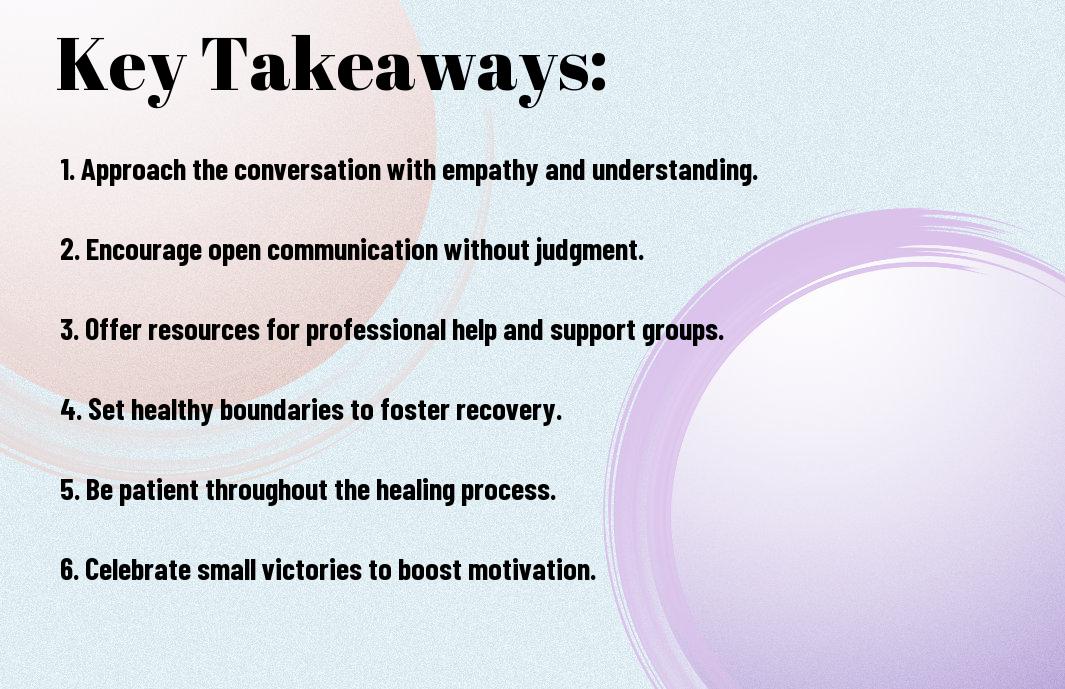
    Key Takeaways:

    • Approach the topic with empathy and understanding, as shame and judgment can hinder progress.
    • Encourage open communication, allowing the individual to express their feelings and struggles without fear of backlash.
    • Suggest professional help if necessary, such as therapy or support groups that specialize in addiction recovery.
    • Offer practical strategies for managing triggers, including creating a plan for avoiding situations that lead to porn use.
    • Be patient and supportive throughout the recovery process, recognizing that overcoming addiction takes time and effort.

    Talking to a Partner About Porn Addiction: Identifying Triggers Together — illustration 2

    Understanding Porn Addiction

    To truly assist someone grappling with a porn addiction, it’s crucial to comprehend the complexities of the condition. Porn addiction manifests when an individual develops a compulsive habit of consuming pornography that interferes with daily life and responsibilities.

    This understanding forms the foundation for providing effective support and guidance.

    Definition and Symptoms

    Across various studies, porn addiction is defined as an excessive and compulsive use of pornography that can lead to significant distress and impairment in various aspects of life.

    Symptoms may include neglecting personal and professional responsibilities, withdrawal from social situations, and experiencing an inability to reduce or control porn consumption despite negative consequences.

    Impact on Mental Health and Relationships

    Across research, the effects of porn addiction on mental health and relationships are substantial and often detrimental. You may notice increased anxiety, depression, and feelings of isolation in yourself or the individual you are trying to help.

    This addiction can also create unrealistic expectations about intimacy, which can harm your personal relationships and hinder emotional connections.

    Due to the nature of porn addiction, individuals often find themselves trapped in a cycle of shame and guilt, further exacerbating mental health issues. This can lead to a withdrawal from intimate relationships, making it challenging to sustain meaningful connections.

    As the addiction progresses, you may witness a decline in self-esteem and overall life satisfaction, affecting not just the individual but also their loved ones. Recognizing these impacts is an important step in providing the necessary support for recovery.

    Creating a Supportive Environment

    Clearly, a supportive environment plays a vital role in helping someone overcome a porn addiction. This means fostering an atmosphere where the individual feels understood and accepted, free from judgment.

    By actively ensuring that they know you are there for them, you can help reduce feelings of isolation, which can often exacerbate their challenges. Your encouragement and empathy can go a long way in motivating them to seek help and make positive changes in their life.

    Open Communication Strategies

    Creating open communication strategies is key to establishing a positive support system. Encourage honest conversations about their feelings and experiences without fear of reprimand.

    Use open-ended questions to facilitate dialogue, which can help them express their thoughts and concerns more freely. Actively listen and validate their emotions, as this can enhance their willingness to share and connect with you.

    Establishing Trust and Safety

    Creating an atmosphere of trust and safety is crucial for supporting someone dealing with porn addiction. To achieve this, prioritize confidentiality and express a non-judgmental attitude, showing that you’re there to help, not criticize. Be reliable and consistent in your support, as this will strengthen their sense of security.

    Additionally, set clear boundaries to prevent any misunderstandings, allowing them to open up without fear. This foundation fosters meaningful and constructive discussions, ultimately promoting their recovery process.

    Identifying Triggers

    Despite your best intentions, understanding the triggers that lead to porn use is necessary for helping someone with a porn addiction. Triggers can include specific feelings, situations, or environments that evoke a desire to engage with pornographic content.

    Encourage the person to reflect on their daily routines and note any patterns that precipitate their urges, as this self-awareness lays the groundwork for developing healthier coping mechanisms.

    Recognizing Behavioral Patterns

    Around the individual’s daily habits and emotional states, there may be predictable behavior patterns associated with their porn use. Identifying these patterns can help you support them in pinpointing when and why they turn to porn, whether it’s due to stress, loneliness, or boredom.

    By documenting these moments, they can gain insight into their actions and the underlying motivations behind them.

    Strategies for Coping with Urges

    Strategies for coping with urges involve developing a personalized plan of action that can help manage cravings whenever they arise. This may include distracting themselves with physical activity, seeking social support from friends or family, or engaging in hobbies that require focus.

    It’s also beneficial to practice mindfulness techniques to enhance awareness of these urges without succumbing to them.

    And cultivating a toolkit of coping strategies allows you to handle cravings more effectively. For instance, when an urge strikes, you might encourage engaging in deep breathing exercises or stepping outside for fresh air.

    Seeking out alternative activities or even setting specific times for digital detox can further enhance their ability to resist these temptations. By fostering self-discipline and developing healthier routines, you can help them move toward a more balanced relationship with lifelong habits.

    Encouraging Professional Help

    Many individuals struggling with porn addiction can benefit significantly from professional help. Encouraging your loved one to seek therapy shows that you care and provides them with an opportunity to explore the underlying issues contributing to their addiction.

    Finding a qualified therapist who specializes in sexual health or addiction is vital, as they can offer the right tools and strategies for recovery. Normalizing seeking help can erode the stigma and foster an environment where they feel supported in their journey toward healing.

    Identifying Suitable Therapies

    On your journey to support a loved one with a porn addiction, identifying suitable therapies is important. Options may include cognitive-behavioral therapy (CBT), group therapy, or specialized rehabilitation programs.

    Researching different therapists and approaches can help you find the best fit for their unique needs, ensuring that they receive effective treatment tailored to their situation. Exploring these options together can empower them to take the necessary steps toward recovery.

    How to Support Therapy Engagement

    Any step taken toward seeking therapy can feel overwhelming, but supporting your loved one’s engagement in their treatment is vital. You can assist them by offering to help locate therapists, attending sessions together if they are comfortable, or simply being there for emotional support.

    Encouragement and validation of their efforts will strengthen their commitment to the therapeutic process. Being proactive in discussing their therapy can create a positive atmosphere around their healing journey.

    Suitable support for therapy engagement goes beyond merely providing encouragement. Regularly check in with your loved one about their therapy experiences and how they feel about the progress they’re making.

    Celebrate small victories and be patient during challenging times. Your empathetic listening and positive reinforcement will make a significant difference in their commitment to therapy and overall healing journey.

    Templates for Communication

    After learning about your loved one’s struggle with pornography addiction, it’s important to approach the situation with care and empathy. Utilize these templates to communicate effectively while providing support.

    Offering guidance is vital, and assistance from professionals is available; check out Porn Addiction Treatments for more resources.

    Template 1: Expressing Concern

    Communication is key when addressing your loved one’s addiction. Begin by expressing your concern in a non-judgmental manner.

    You might say, “I’ve noticed you seem more withdrawn lately and I care about your well-being. I’m here if you want to talk about anything.” This approach opens the door for a conversation without adding pressure.

    Template 2: Encouraging Professional Help

    Around this sensitive topic, it’s vital to encourage your loved one to seek professional help.

    You can gently suggest, “I believe talking to someone who understands these issues could really help you feel better.” Reinforce that seeking assistance is a sign of strength and that it’s vital for long-term recovery.

    Even though the idea of professional help might be daunting, let your loved one know that many people have found success in overcoming similar challenges. Emphasize that therapists and support groups offer a safe space to explore their feelings and gain tools to manage their addiction effectively.

    Template 3: Offering Continued Support

    An vital part of helping someone with a porn addiction is to let them know you are there for them. You can state, “I want you to know I am here for you, no matter what. We can work through this together.” This reassurance can make a significant difference in their recovery journey.

    Another way to show support is by regularly checking in with them, offering to participate in healthy activities together, or providing resources that may help them on their path.

    Your consistent presence can significantly enhance their motivation and diminish feelings of isolation during this challenging time.

    Talking to a Partner About Porn Addiction: Identifying Triggers Together — illustration 3

    Resources for Additional Support

    Now that you understand the importance of supporting someone with a porn addiction, it’s necessary to explore various resources available for additional help.

    These resources can guide you and the individual in need towards healing and recovery, providing invaluable insights and support frameworks that work.

    Books and Articles

    Above all, various books and articles research into the intricacies of porn addiction, offering both theoretical and practical insights. Recommended titles include “Your Brain on Porn” by Gary Wilson and “Out of the Shadows” by Dr.

    Patrick Carnes. These resources will help you understand the addiction better and provide effective strategies for overcoming it.

    Support Groups and Hotlines

    Against the stigma that often surrounds porn addiction, it’s important to know that support groups and hotlines are available for you and the individual struggling. These networks offer a safe space to discuss challenges and experiences, connecting you with others on a similar journey.

    Many groups incorporate structured meetings and professional guidance to ensure comprehensive support.

    Hence, making use of support groups and hotlines can significantly strengthen your efforts. Organizations like Sex Addicts Anonymous (SAA) provide community-based support and regular meetings, while hotlines offer immediate assistance and advice.

    Engaging with these resources can foster a sense of belonging, reduce feelings of isolation, and empower both you and the person seeking help in the recovery process.

    Talking to a Partner About Porn Addiction: Identifying Triggers Together — illustration 4

    Conclusion

    With this in mind, supporting someone with a porn addiction involves empathy, patience, and clear communication. Use the templates provided to open up conversations, encourage healthy habits, and promote professional help when needed.

    Your understanding and commitment can be a significant part of their recovery journey, guiding them towards healthier choices and a more fulfilling life. Trust your instincts, and be there for them as they work through their challenges.

    FAQ

    Q: What are the signs that someone may have a porn addiction?

    A: Signs of porn addiction can vary, but common indicators include excessive time spent watching porn, neglecting responsibilities, feeling distressed about their habits, and experiencing difficulty in real-life sexual situations.

    They might also exhibit secrecy around their online activities and could become irritable when unable to access pornographic material.

    Q: How can I approach someone about their porn addiction without making them defensive?

    A: Approach the topic with compassion and understanding. Choose a relaxed, private setting to have the conversation.

    Use “I” statements to express your concern, such as “I’ve noticed you seem upset sometimes, and I care about you.” This reduces the chance of defensiveness. Be prepared to listen and avoid judgment during the discussion.

    Q: What resources are available for someone struggling with porn addiction?

    A: There are various resources available, including online forums, support groups, and therapy options. Websites like NoFap and YourBrainOnPorn offer community support and information.

    Professional help from therapists who specialize in addiction is also beneficial. Self-help books and programs might also provide useful strategies for recovery.

    Q: Is it helpful to engage in activities together, and what types are recommended?

    A: Yes, engaging in activities together can strengthen bonds and provide a distraction from addictive behaviors. Recommended activities include exercising, exploring new hobbies, volunteering, or attending social events.

    These activities can improve overall well-being and promote healthier habits, creating a more positive environment for change.

    Q: How can I support someone through their recovery process?

    A: Supporting someone through recovery involves being patient and understanding. Offer to check in regularly, help set achievable goals, and celebrate their progress, no matter how small.

    Encourage them to seek professional help, be available for discussions, and refrain from enabling behaviors that may trigger their addiction.

    Q: Should I suggest they seek professional help, and how can I encourage that?

    A: Suggesting professional help can be beneficial, as therapists are trained to handle addictions effectively. To encourage this, express your belief in their ability to overcome the addiction and frame therapy as a positive opportunity for self-improvement.

    Offer to help them find a therapist or accompany them to the first appointment if they are open to it.

    Q: What should I avoid doing when trying to help someone with porn addiction?

    A: It’s important to avoid shaming or blaming the person for their addiction, as this can increase feelings of guilt and isolation. Avoid making ultimatums or demands, as they can lead to defensiveness.

    Instead, focus on supportive communication and expressing your concern for their well-being in a non-judgmental way.

    Understanding porn addiction is essential for recovery. Many people struggle with porn addiction silently, but recognizing the patterns of porn addiction is the first step toward change.

    Understanding porn addiction is essential for recovery. Many people struggle with porn addiction silently, but recognizing the patterns of porn addiction is the first step toward change.
    Understanding porn addiction is essential for recovery. Many people struggle with porn addiction silently, but recognizing the patterns of porn addiction is the first step toward change.

    Related reading

  • Porn Addiction: 7 Shocking Facts You Must Know

    Porn Addiction: 7 Shocking Facts You Must Know

    Start with our signs of porn addiction guide for background.

    Most people are unaware of the fine line between healthy sexual exploration and porn addiction. Understanding what constitutes porn addiction is necessary for your well-being and relationships. In this article, you’ll discover the signs that may indicate a problem, as well as seven life-changing templates that can help you regain control.

    By recognizing these patterns, you can take actionable steps towards a healthier approach to intimacy and self-fulfillment. Let’s research into what porn addiction truly means and how it can impact your life.

    Key Takeaways:

    • Porn addiction is characterized by compulsive consumption of pornographic material despite negative consequences.
    • It often leads to impaired relationships, decreased sexual satisfaction, and unrealistic expectations about sex.
    • Symptoms may include an increased tolerance to porn, withdrawal symptoms when not viewing, and continued use despite a desire to stop.
    • Porn addiction can affect mental health, contributing to anxiety, depression, and low self-esteem.
    • Seeking professional help through therapy or support groups can be effective in overcoming porn addiction.
    • Creating structured templates for setting personal goals and tracking progress can aid in managing and reducing porn consumption.
    • Awareness and education around porn use and its potential consequences are important in combating porn addiction.

    Porn Addiction: 7 Shocking Facts You Must Know

    Understanding Porn Addiction

    Your journey to understanding porn addiction involves recognizing its impact on your life. This phenomenon can infiltrate your daily routine, interpersonal relationships, and overall mental health, leading to feelings of guilt, shame, or anxiety.

    By acknowledging its presence, you can take steps toward healing and regaining control over your behavior.

    Definition of Porn Addiction

    By definition, porn addiction refers to the compulsive use of pornography despite negative consequences. It often resembles other behavioral addictions, where the urge to consume porn overshadows your ability to engage in healthier activities or relationships.

    This can hinder personal growth and create barriers to emotional intimacy.

    Signs and Symptoms

    With porn addiction, you may notice various signs and symptoms that suggest your consumption has become problematic. These can include persistent cravings for porn, neglecting responsibilities, and feeling unable to stop despite the desire to do so.

    Relationships may suffer as your focus shifts to your addiction.

    Even subtle changes in your behavior can indicate a developing problem. You might find yourself spending increasing amounts of time viewing porn, leading to a decrease in your engagement in real-life relationships or pursuits.

    Emotional detachment, irritability, or feelings of isolation may emerge as you seek solace in this behavior, further complicating your ability to connect with others and enjoy life to its fullest. Recognizing these signs is the first step toward seeking help and reassessing your relationship with pornography.

    The Psychological Impact

    While the discussion around porn addiction often focuses on physical dependency, the psychological impact can be just as profound. You might find that your views on intimacy and relationships are altered, leading to unrealistic expectations and a warped perception of sexual experiences.

    To understand more about this, check out How Porn Warps A Sexual Arousal Template, which probes deeper into how viewing porn influences your brain’s wiring.

    Emotional Consequences

    Impact on your emotional well-being can be significant, resulting in feelings of guilt, shame, and anxiety. You may struggle with self-esteem issues as porn creates an unrealistic benchmark for sexual performance and desirability.

    As a result, your emotional health can deteriorate, making it harder to form meaningful connections with others.

    Behavioral Changes

    Along with emotional shifts, you may notice behavioral changes that reflect your relationship with porn. It could manifest as social withdrawal, diminished interest in real-life intimacy, or even compulsive seeking of pornography.

    Your everyday activities might start to revolve around your next encounter with porn, disrupting your overall life balance.

    Consequently, these behavioral changes can severely affect your relationships, work, and daily activities. You may prioritize porn over social interactions or hobbies that once brought you joy, leading to isolation.

    Understanding how these patterns develop can empower you to take proactive steps toward regaining control over your life and making healthier choices.

    Porn Addiction: 7 Shocking Facts You Must Know — illustration 2

    The Physiological Effects

    Once again, exploring the physiological effects of porn addiction reveals how it can profoundly impact your overall well-being. Engaging with pornography repeatedly can lead to various changes in your brain and body, significantly influencing your emotional and physical health.

    Recognizing these effects is crucial, as they can often be overlooked while focusing on the behavioral aspects of addiction.

    Brain Function and Wiring

    Below, you will discover how repeated exposure to pornography alters your brain function and wiring. This alteration can lead to a decrease in neuroplasticity, making it more challenging for you to form healthy connections and respond to intimacy naturally.

    These shifts in your brain’s structure and chemistry play a pivotal role in your addiction, making it crucial to understand their implications.

    Dependency and Tolerance

    On the topic of dependency and tolerance, it’s important to recognize how your relationship with porn can evolve over time. As you continually seek out explicit content, your brain may require more stimulation to achieve the same satisfaction, leading to increased consumption levels.

    This cycle can create a reliance on pornography, making it more difficult for you to find pleasure in real-life relationships and activities.

    Understanding the concepts of dependency and tolerance is vital in addressing porn addiction. As you become more accustomed to Pornography, your brain’s reward system may demand more extreme content to elicit the same feelings of pleasure, resulting in a dangerous pattern of escalation.

    This heightened tolerance can leave you feeling emotionally detached from genuine connections and hinder your ability to experience intimacy, reinforcing the cycle of addiction. Recognizing this dependency is the first step toward regaining control over your life and fostering healthier relationships.

    Assessing Your Own Habits

    Now, it’s important to take a closer look at your habits surrounding pornography consumption. You can start assessing your patterns by exploring how often you engage with porn and the emotional triggers that lead you there.

    For more insights, visit Pornography Addiction: Why Is Pornography Addictive?. This self-assessment can be a powerful first step toward understanding your relationship with porn.

    Self-Reflection Questions

    About diving deeper into your habits, consider asking yourself some reflective questions. Think about when and why you typically turn to pornography. Are there specific situations that lead you to seek it out? Understanding your motivations can help create awareness and foster change.

    Identifying Patterns

    Beside asking reflective questions, you should also focus on identifying patterns in your usage. Look for trends in your consumption, such as times of day, emotional states, or social situations that trigger your behavior.

    Acknowledging these patterns can highlight areas of concern and potential triggers that need addressing.

    Questions about when you feel compelled to view pornography can reveal a lot about your emotional and psychological state. Are there activities or stressors in your life that coincide with your cravings?

    By mapping these connections, you create a clearer picture of your habits and can better strategize your approach to managing them.

    Porn Addiction: 7 Shocking Facts You Must Know — illustration 3

    Life-Changing Templates for Recovery

    Keep in mind that overcoming porn addiction requires intentional effort and daily practice. Utilizing effective templates can significantly aid your recovery journey.

    These templates are designed to help you establish healthier habits, set boundaries, and reinforce positive thoughts. By implementing these strategies, you can create a supportive environment that nurtures your growth and transformation.

    Template 1: Setting Boundaries

    Templates for setting boundaries are vital in your recovery. Begin by identifying triggers and establish specific rules for yourself regarding technology use and online activities.

    For example, set time limits for your internet use, avoid certain websites, and inform trusted individuals in your life about your goals, so they can support you in honoring these boundaries.

    Template 2: Daily Affirmations

    About daily affirmations, these are powerful statements that help reinforce a positive mindset while combating negative thoughts related to porn addiction. Craft affirmations that resonate with you and declare your commitment to recovery.

    Consider phrases such as “I am in control of my choices” or “I choose healthier relationships.” Repeat these affirmations daily to gradually shift your thinking patterns.

    In addition, embedding daily affirmations into your routine can create a sense of empowerment and help you regain control over your habits. Write them down, create visual reminders, or even say them out loud in front of a mirror.

    Consistency is key; the more you engage with these affirmations, the more they can reshape your belief systems and reinforce your dedication to lasting change.

    Porn Addiction: 7 Shocking Facts You Must Know — illustration 4

    Seeking Professional Help

    All individuals struggling with porn addiction may find seeking professional help to be a transformative step towards recovery.

    Engaging with trained experts can provide you with tailored strategies to understand and combat compulsive behaviors, leading to a healthier relationship with sexuality and intimacy.

    Therapy Options

    One effective method for addressing porn addiction is therapy, which can take many forms, including cognitive-behavioral therapy (CBT), individual counseling, or couples therapy.

    These therapeutic approaches help you identify underlying issues, develop coping mechanisms, and create a supportive environment for positive change.

    Support Groups

    Beside therapy, support groups can offer a sense of community and understanding. Connecting with others who share similar experiences can help you feel less isolated, validate your feelings, and enhance your motivation to change.

    It is important to seek out support groups specifically designed for porn addiction, as they provide a safe space for open dialogue without judgment. These gatherings foster connections with peers who genuinely understand your struggles, offering insights and encouragement that can significantly aid your recovery journey.

    Sharing experiences and strategies with others can empower you and solidify your commitment to overcoming addiction.

    To wrap up

    With this in mind, understanding what constitutes porn addiction is imperative for recognizing its impact on your life. By utilizing the seven life-changing templates discussed, you can evaluate your relationship with pornography and take actionable steps toward healthier habits.

    Your journey to managing or overcoming porn addiction begins with awareness and the willingness to make positive changes. Armed with this knowledge, you can seek support, set boundaries, and ultimately foster a more fulfilling and balanced life.

    FAQ

    Q: What is porn addiction?

    A: Porn addiction refers to a compulsion to engage in excessive or compulsive consumption of pornography despite negative consequences. It often leads to an inability to control one’s viewing habits, which can interfere with daily life, relationships, and overall well-being.

    Q: How can I tell if I or someone I know has a porn addiction?

    A: Signs of porn addiction might include spending excessive amounts of time viewing adult content, neglecting responsibilities or personal relationships, experiencing anxiety or distress when unable to access pornography, or using porn as a coping mechanism for stress or emotional issues.

    Q: What are the potential effects of porn addiction on mental health?

    A: Porn addiction can lead to various mental health challenges such as increased anxiety, depression, and issues with self-esteem. It may also contribute to distorted views about sex and relationships, making it difficult to form healthy connections with partners.

    Q: Are there effective treatments for porn addiction?

    A: Yes, effective treatments may include therapy options such as cognitive-behavioral therapy (CBT), support groups, and developing healthier coping mechanisms. Some individuals may also benefit from mindfulness practices or establishing sex-positive attitudes about intimacy.

    Q: How can family and friends support someone dealing with porn addiction?

    A: Family and friends can support someone with porn addiction by fostering open, non-judgmental conversations about their struggles, encouraging them to seek professional help, and offering emotional support during recovery.

    It’s also helpful to educate themselves about addiction to better understand the challenges their loved one is facing.

    Related reading

Skip to content