
Addiction to pornography can quietly infiltrate your life, often leading to negative repercussions that extend beyond mere viewing habits. You may find that it affects your relationships, self-esteem, and even your mental health. Read more about porn addiction.
Understanding the signs of porn addiction is vital for recognizing its impact and taking steps toward recovery. This post will explore into the damaging effects of porn addiction and provide guidance on how to identify if you are struggling with it, enabling you to take charge of your well-being.
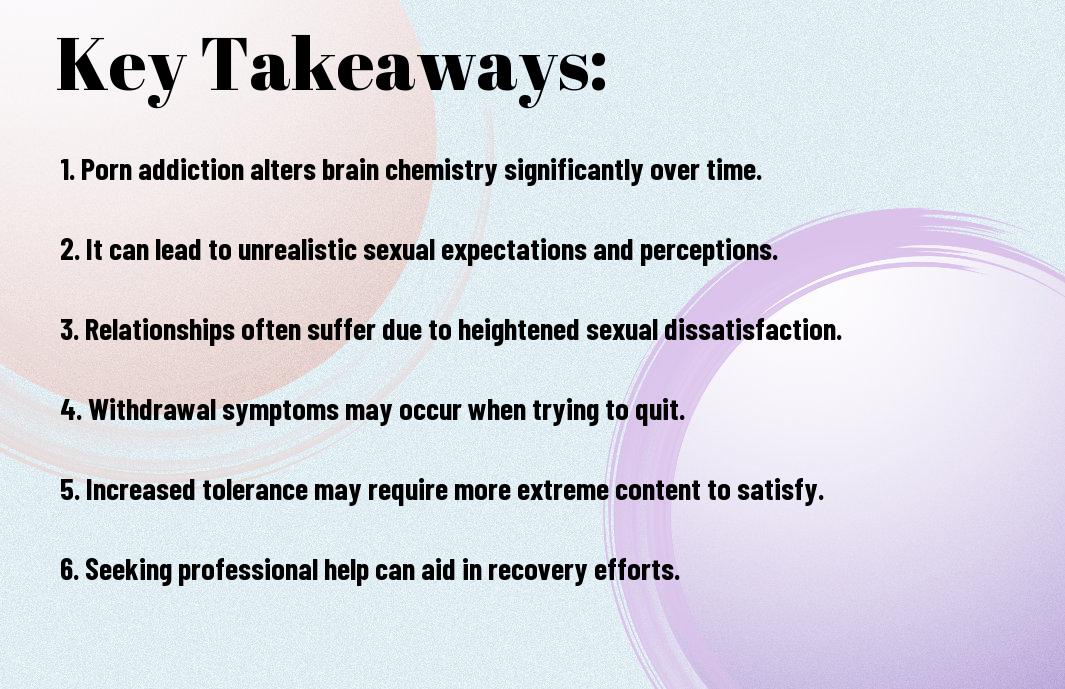
Key Takeaways:
- Porn addiction can lead to unrealistic expectations about sex, impacting real-life relationships and intimacy.
- It may result in decreased arousal to real partners, as individuals become desensitized to natural sexual stimulation.
- The compulsive nature of porn consumption can lead to neglect of personal responsibilities and social interactions.
- Physical and mental health issues such as anxiety, depression, and sexual dysfunction can arise as a result of porn addiction.
- Signs of porn addiction include spending excessive time watching porn, experiencing withdrawal when unable to access it, or using it as an escape from stress.
- Seeking help, whether through therapy or support groups, can be an effective way to address and manage porn addiction.
- Self-reflection and honesty about one’s consumption habits are important steps in determining if porn usage has become problematic.

Understanding Porn Addiction
Your journey to understanding porn addiction starts with recognizing its impact on your life. It’s important to evaluate your habits and behaviors surrounding pornography consumption, as this can provide insights into your relationship with it. If you’re concerned about your usage, consider exploring Porn Addiction Symptoms: How to Recognize the Signs for guidance.
Definition and Characteristics
Characteristics of porn addiction include compulsive viewing, persistent urges to seek out pornography, and neglecting responsibilities or relationships due to your consumption habits. These behaviors often lead to a cycle of shame and secrecy, making it challenging to break free from the addiction.
The Psychology Behind Addiction
Among the factors contributing to porn addiction, psychological components play a significant role. The brain’s reward system can become hyper-stimulated by frequent exposure to pornography, which may lead you to seek out increasingly extreme content to achieve the same satisfaction.
This cycle of reward and craving can result in dependency, altering your brain chemistry and reinforcing the desire for pornography over real-life connections. Understanding these psychological mechanisms empowers you to take control and seek healthier alternatives that better fulfill your emotional and relational needs.
The Damaging Effects of Porn Addiction
Any form of addiction can have devastating effects, and porn addiction is no exception. You may find that it compromises various aspects of your life, including companionship and mental well-being.
Engaging with pornography excessively alters your brain’s neural pathways, making it increasingly difficult to develop authentic emotional connections. Over time, these changes can lead to significant personal and interpersonal challenges.
Impact on Relationships
Beside the personal turmoil, porn addiction can take a significant toll on your relationships. You might notice a decline in intimacy with your partner, as expectations shaped by unrealistic portrayals of sex take precedence over genuine connections. This can lead to feelings of inadequacy, resentment, and ultimately, fractures in important relationships.
Psychological Consequences
Against the backdrop of your changing relationships, porn addiction can also have severe psychological implications. You may experience heightened anxiety, depression, and feelings of guilt or shame regarding your compulsion, creating a vicious cycle that is hard to escape.
Consequently, the psychological consequences of porn addiction can manifest as low self-esteem, emotional detachment, or isolation. You might feel an ongoing sense of dissatisfaction with your life, as the dopamine rush from porn often leaves you craving more, leading to greater dependence.
This constant cycle can shape your self-image, making it challenging to form authentic connections or experience genuine joy in daily activities.
Recognizing the Signs of Addiction
To effectively understand if you are struggling with porn addiction, it’s important to recognize the signs. These can manifest in various ways, including changes in your relationships, daily life, and emotional wellbeing. Acknowledging these indicators early can lead to necessary changes and help you regain control over your habits.
Self-Assessment Criteria
With a clear self-assessment, you can identify key factors that may indicate an addiction. Ask yourself if your porn consumption interferes with important aspects of your life, such as work, relationships, or personal goals. Consider how you feel when you try to reduce your viewing habits, which can reveal your level of dependency.
Common Behavioral Indicators
After assessing your behavior, you may notice several common indicators of porn addiction. These can include feelings of guilt or shame related to your viewing habits, spending excessive time watching pornography, and using it as a coping mechanism for stress or negative emotions.
Addiction often leads you to prioritize porn over your responsibilities and relationships. You might find yourself lying about your habits, experiencing withdrawal symptoms when attempting to cut back, or feeling a diluting sense of pleasure from the material. Understanding these behavioral indicators can be empowering, allowing you to seek help and make necessary changes in your life.

The Cycle of Addiction
After you begin to engage with porn, a cycle often emerges that can be challenging to break. Initially, the act may provide temporary relief from stress or boredom, establishing a pattern of immediate gratification.
However, this habitual behavior can quickly spiral into compulsive actions, leaving you feeling shame and guilt. Each subsequent engagement can reinforce the desire, further entrenching you in this damaging cycle, where the brief pleasure only leads to longer-lasting negative consequences.
Triggers and Temptations
Any event or situation in your daily life can serve as a trigger, compelling you to seek out porn as a distraction or escape. Common triggers may include feelings of loneliness, stress, or even boredom. Recognizing these temptations is the first step in taking control of your choices and understanding the factors that contribute to your addiction.
Consequences of Acting on Impulses
The consequences of succumbing to these impulses can be severe and wide-ranging. Each time you indulge in porn, it can lead to increased isolation, distorted perceptions of intimacy, and even difficulties in maintaining relationships. Furthermore, you may find that the fleeting satisfaction only deepens your need for further engagement, creating a relentless cycle that is difficult to escape.
Consequences can manifest not just on a personal level but also in emotional and relational contexts. As you repeatedly act on these impulses, you may find that your ability to connect with others diminishes, leading to feelings of isolation or inadequacy.
Ultimately, this behavior can undermine your mental health, contributing to anxiety, depression, or a decline in your overall well-being. Addressing these consequences early can help you begin to rebuild your life and relationships, promoting healthier behaviors and perspectives.

Strategies for Overcoming Porn Addiction
Despite the challenges you may face, overcoming porn addiction is achievable by implementing effective strategies. These can include seeking professional help, engaging in therapy, and using self-help techniques that empower you to regain control over your habits and thoughts. Establishing a support system and setting clear goals can also reinforce your commitment to recovery.
Professional Help and Therapy
Porn addiction can significantly impact your mental health, and seeking professional help is a step towards healing. Therapists trained in addiction treatment can help you identify underlying issues, develop coping strategies, and rebuild your relationship with intimacy and sexuality in a healthier context.
Self-Help Techniques and Resources
Overcoming porn addiction may also involve utilizing various self-help techniques and resources that cater to your individual needs. Exploring books, online resources, and support groups can provide valuable insights and motivation to aid your journey towards recovery.
A structured self-help approach can make a significant difference in your recovery process. Consider journaling your feelings and triggers, setting daily goals, and creating an action plan to replace porn consumption with healthier activities.
Engaging with supportive online communities or local groups can offer accountability and encouragement. Staying informed through articles and books dedicated to overcoming porn addiction can also empower you with knowledge and strategies that reinforce your commitment to recovery.
Building a Healthier Relationship with Sexuality
Not understanding the impact of pornography on your mental and emotional well-being can hinder your ability to form healthy relationships. Developing a balanced view of your sexuality can help you reclaim intimacy and joy in your personal connections. For more insight on the implications of Pornography Addiction, consider researching healthy practices and engaging with supportive communities.
Educating Yourself and Others
Building a solid foundation of knowledge about sexuality and its complexities is vital for nurturing healthier interactions. By educating yourself, you gain better insight into your behaviors, while also being equipped to share this knowledge with others. This dialogue can help reduce stigma and promote understanding surrounding pornography and its effects on individual lives.
Cultivating Emotional Intimacy
Building emotional intimacy is imperative for fostering deeper connections in your relationships. This involves establishing open communication and trust with your partner while being vulnerable about your feelings, desires, and needs.
Prioritizing emotional closeness not only enhances physical intimacy but also supports mutual respect and understanding, paving the way for a more fulfilling sexual experience.
Cultivating a safe space for emotional intimacy allows you and your partner to share insecurities and experiences without judgment. Engaging in active listening and validating each other’s feelings can strengthen your bond, making it easier to discuss desires and boundaries.
As you develop this emotional closeness, it’s important to express gratitude for one another, creating a positive feedback loop that encourages a healthy sexual relationship. Over time, this emotionally intimate foundation will help mitigate the negative effects of porn and foster lasting intimacy.
Conclusion
On the whole, porn addiction can profoundly impact your emotional and relational well-being, leading to unrealistic expectations and hindered intimacy. Recognizing the signs of addiction is the first step toward regaining control and improving your mental health.
If you find that your consumption is interfering with your daily life or relationships, it may be time to seek help. Understanding the complexities of this issue can empower you to make healthier choices and create a more fulfilling life.
FAQ
Q: What are the signs of porn addiction?
A: Signs of porn addiction can include an increasing amount of time spent watching pornography, the inability to cut back on viewing habits despite wanting to, neglecting responsibilities or relationships due to porn use, and experiencing feelings of shame or guilt after viewing. If you find that your porn use is impacting other areas of your life, it might be a sign of addiction.
Q: How can porn addiction affect mental health?
A: Porn addiction can lead to various mental health issues, including anxiety, depression, and low self-esteem. It can create unrealistic expectations about sex and intimacy, leading to difficulties in real-life relationships. Users may also experience feelings of isolation and frustration as they struggle with their compulsive behavior.
Q: Is porn addiction a recognized condition?
A: While porn addiction is not classified as a formal mental health disorder in diagnostic manuals like the DSM-5, many health professionals acknowledge it can have serious repercussions similar to other forms of addiction. It can disrupt personal lives and relationships, and various treatment approaches are being explored to address it.
Q: What are some long-term effects of porn addiction?
A: Long-term effects of porn addiction can include desensitization to sexual stimuli, which often leads to difficulty achieving arousal with real-life partners. Users may also develop distorted views of sex and relationships, leading to problems in romantic or sexual relationships, and might experience social withdrawal or conflict in their personal lives.
Q: How can someone overcome porn addiction?
A: Overcoming porn addiction typically requires a combination of self-awareness, behavioral changes, and possibly professional help. Individuals can start by tracking their usage, setting boundaries, finding alternative activities, and seeking support from therapists or support groups geared towards addiction recovery.
Q: Are there healthy alternatives to watching porn?
A: Yes, there are various healthy alternatives to porn consumption. Engaging in physical activities, exploring personal hobbies, or fostering social connections can serve as positive distractions. Additionally, educating oneself about healthy sexual relationships and intimacy can help replace reliance on pornography.
Q: How can I talk to someone about my porn addiction?
A: Approaching someone about your porn addiction can be daunting, but it’s important to choose a trusted friend, family member, or therapist. Be honest about your struggles and express your desire for support. Setting the conversation in a safe and non-judgmental environment can also encourage open discussions about your feelings and experiences.