Just like any addiction, porn addiction can severely impact your life and relationships. If you find yourself struggling with this issue, understanding its effects and finding a pathway to recovery is vital. In this post, we will guide you through 7 key steps that can facilitate your healing journey.
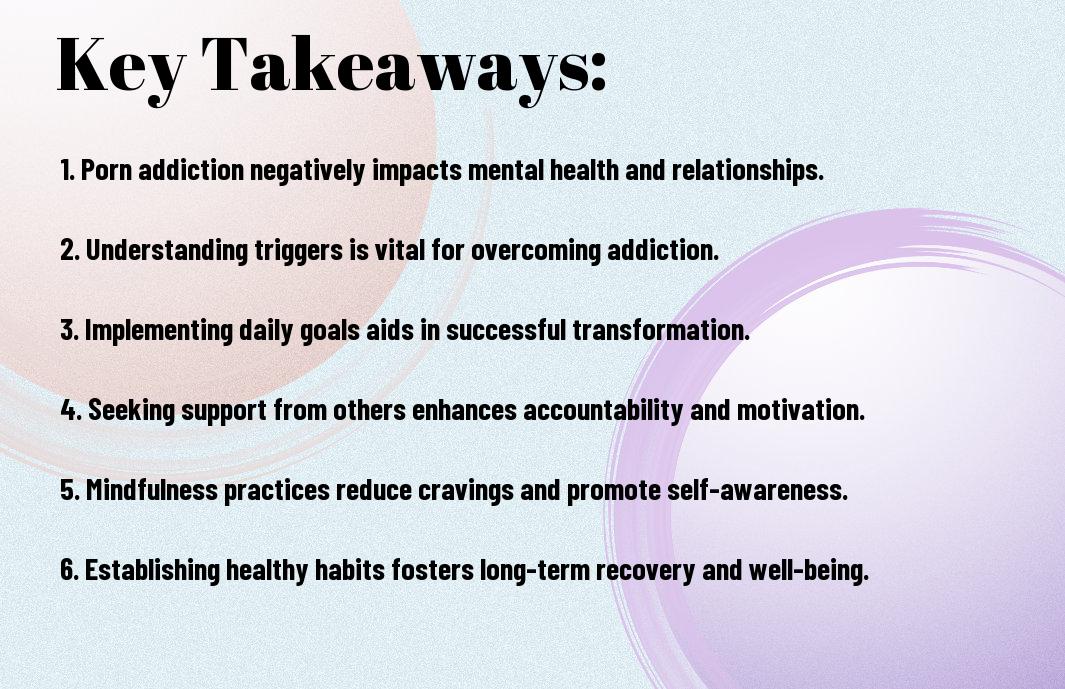
Porn addiction can have a significant impact on mental health, relationships, and personal well-being.
Identifying triggers and understanding the underlying reasons for porn use are vital steps in the healing process.
Implementing practical strategies, such as setting limits and finding alternative activities, can aid in overcoming addiction.
Support networks, whether from friends, family, or professional counselors, can provide valuable encouragement and accountability.
Engaging in mindfulness and self-reflection practices can foster a healthier perspective towards sexuality and personal habits.
Understanding Porn Addiction
For many, porn addiction may begin as a casual pastime but can evolve into a compulsive behavior that disrupts daily life and personal relationships. It can lead to a cycle of shame and guilt, further entrenching your dependency.
Understanding porn addiction is vital as it helps you recognize its effects on your mental, emotional, and social well-being, ultimately guiding you toward effective healing and recovery.
Defining Porn Addiction
On a fundamental level, porn addiction is characterized by an excessive preoccupation with pornographic material that negatively impacts your life. This may manifest as a loss of control over consumption, despite awareness of its adverse consequences.
Unlike casual viewing, porn addiction can lead to an unhealthy reliance on pornography as a coping mechanism or source of pleasure.
Signs and Symptoms
Any signs of porn addiction may manifest as changes in your habits, relationships, or emotional state. You might find yourself spending increasing amounts of time viewing porn, interfering with your daily responsibilities or social interactions.
It could also lead to feelings of isolation, disappointment, and anxiety when unable to access pornographic content.
At this stage, you may also notice physical symptoms associated with your addiction. These can include an increased tolerance, where you need more extreme content to achieve the same level of arousal, or withdrawal symptoms such as irritability and anxiety when you haven’t been able to engage with porn.
You might avoid intimate relationships with others as the addiction becomes your primary source of sexual gratification. Understanding these signs and symptoms is vital in taking the first steps toward healing and regaining control over your life.
The Impact of Porn Addiction
While many individuals may initially overlook the implications of porn addiction, its effects can permeate various aspects of life. This addiction can lead to distorted views on sexuality, hinder personal development, and adversely affect emotional well-being.
Recognizing the impact it has on your mental and emotional landscapes is necessary for healing and recovery.
Mental Health Consequences
Around 80% of individuals struggling with porn addiction report experiencing anxiety or depression, often stemming from feelings of guilt or shame. This persistent cycle of negative emotions can hinder your ability to enjoy life fully, leading to low self-esteem and a distorted sense of reality.
Effects on Relationships
About 50% of those with porn addiction experience relationship difficulties. This can manifest as decreased intimacy, unrealistic sexual expectations, and emotional withdrawal. Such barriers can breed resentment and misunderstandings, pushing partners apart instead of fostering a deeper connection.
Health consequences might escalate beyond personal struggles to impact your relationships significantly. When you engage with porn frequently, it can set unrealistic standards for sexual performance and intimacy, leaving your partner feeling inadequate.
Over time, this might lead to reduced emotional closeness or even intimacy issues, as your focus shifts from genuine connection to fantasy-driven experiences. Prioritizing open communication and understanding can help mitigate these effects, enabling healthier relational dynamics as you work towards recovery.
The Importance of Healing
To truly address the complexities of porn addiction, healing becomes vital. This journey not only mitigates the negative impacts on your mental and emotional well-being but also helps restore relationships and improve your overall quality of life.
By prioritizing healing, you open doors to healthier coping mechanisms and rediscover the fulfillment that life has to offer beyond screens. Recognizing the importance of this process is the first step towards reclaiming control over your habits and reconnecting with your true self.
Why Recovery Matters
Healing from porn addiction is vital for rebuilding your self-esteem and fostering healthier relationships. Engaging in recovery allows you to gain a deeper understanding of your triggers and behaviors, paving the way for more meaningful connections with others.
Recovery not only promotes personal growth but also enhances your overall emotional health, empowering you to lead a more authentic and fulfilling life.
The Journey to Recovery
Recovery is an ongoing process that requires dedication, self-reflection, and patience. It involves confronting personal challenges while also adopting new habits that support a healthier lifestyle.
As you launch on this journey, you will encounter setbacks, but learning from them is part of the process. Embracing support systems, whether through therapy or community groups, can significantly enhance your resilience and commitment to change.
Also, the journey to recovery includes setting realistic goals and celebrating small achievements along the way. Each step forward contributes to a renewed sense of purpose and hope for your future.
It’s important to find strategies that work for you—whether that’s journaling, practicing mindfulness, or engaging in physical activities. This holistic approach not only aids in overcoming addiction but also enriches your life, helping you build a more satisfying and healthy lifestyle.
Key Step 1: Acknowledging the Problem
Once again, you may find it challenging to confront your relationship with porn. Acknowledging the problem is the first step toward healing. It involves recognizing how your habits affect your mental health, relationships, and overall well-being.
By facing the reality of your consumption, you empower yourself to take action. Accept that this pattern may be harmful and consider how it impacts your daily life. Understanding that you have an issue is not a sign of weakness; it’s an vital part of taking control and moving forward.
Key Steps 2-7: Strategies for Fast-Track Healing
Many individuals seeking to overcome porn addiction find success through a structured approach. By implementing the seven key strategies outlined here, you can expedite your healing process.
These steps empower you to take charge of your recovery, fostering personal growth and promoting healthier habits in your life.
Step 2: Setting Goals
Any journey toward healing begins with clear goals. Establishing what you want to achieve—whether it’s reducing consumption or eliminating it entirely—will help you stay focused and motivated.
As you set realistic, achievable benchmarks, you’ll create a roadmap that guides your recovery and enables you to measure your progress.
Step 3: Seeking Professional Help
Along your path to recovery, consulting a mental health professional can provide invaluable support. A therapist who specializes in addiction can offer personalized strategies to address underlying issues while equipping you with tools to reshape your behavior.
Plus, having an expert on your side can help you navigate obstacles that arise during your recovery. They can identify patterns in your behavior and offer evidence-based therapies that promote long-lasting change.
Their guidance can also ensure you’re employing the most effective strategies tailored specifically to your situation.
Step 4: Building a Support Network
With a solid support network, your journey to recovery becomes more manageable. Connecting with others who understand your struggle can provide comfort, encouragement, and motivation as you move forward.
This could involve friends, family, or support groups tailored for individuals facing similar challenges.
Setting a strong foundation for your support network involves reaching out to trusted individuals who can offer insights and encouragement. Engaging in group therapy or online forums can facilitate sharing experiences and strategies, fostering a collective healing experience.
This sense of community can significantly enhance your commitment to recovery.
Step 5: Developing Healthy Coping Mechanisms
Coping with urges can be challenging, but developing healthy mechanisms is imperative. Identifying activities that bring you joy or relaxation—such as exercise, meditation, or hobbies—can serve as effective distractions.
Building these alternatives into your routine aids in redirecting your focus away from unhealthy habits.
The process of incorporating healthy coping mechanisms into your daily life requires time and experimentation. As you uncover activities that resonate with you, these practices will not only occupy your time but also enrich your life, promoting emotional well-being and resilience against triggers.
Step 6: Setting Boundaries with Technology
After recognizing the role technology plays in your addiction, it’s vital to create boundaries. This might involve limiting your access to specific websites or applications and employing filtering software to help prevent unwanted exposure.
Establishing these limits is an important step in your healing journey.
Healthy technology boundaries provide a framework for navigating the digital landscape safely. As you enforce these limits, consider incorporating tech-free times throughout your day.
This approach not only minimizes exposure to potential triggers but also encourages you to engage in more fulfilling offline activities and connections.
Step 7: Maintaining Accountability
Step into a future of mindful living by maintaining accountability in your recovery journey. Checking in regularly with someone you trust can keep you honest about your progress, reinforcing your commitment to your goals.
This could involve sharing your successes and challenges as you navigate this healing path.
Accountability partners can play a significant role in your recovery, offering motivation while providing constructive feedback.
By discussing your progress and setbacks openly, you create a system of mutual support, enabling you to hold yourself accountable and fostering a consistent commitment to change.
Resources for Recovery
Not all paths to healing are the same, but various resources are available to support your journey in overcoming porn addiction. Seek out online forums, support groups, or therapy sessions where you can share your experiences and gain insights from others who understand your struggle.
Consider reading books or articles that focus on recovery techniques tailored to your needs, as well as apps designed to help you track your progress and stay motivated. Utilize these resources to empower yourself and create a personalized recovery plan that addresses your specific challenges.
To wrap up
Considering all points, it’s clear that overcoming porn addiction is a journey that requires dedication and effective strategies. By following these 7 key steps, you can fast-track your healing process and regain control over your habits.
It’s vital to approach this challenge with patience and commitment to see significant improvements in your life. Your well-being and understanding of healthy relationships are worth the effort you put into this change, ultimately leading to a more fulfilling and connected existence.
FAQ
Q: What is porn addiction and how can it affect my life?
A: Porn addiction is characterized by an excessive or compulsive use of pornographic material. It can lead to negative consequences in various aspects of life, including relationships, self-esteem, and productivity.
Those struggling with porn addiction may find it difficult to form real-life connections, face emotional distress, and experience decreased satisfaction in sexual relationships.
Q: What are some signs that I might be struggling with porn addiction?
A: Common signs of porn addiction include spending excessive time watching porn, prioritizing porn over other activities or responsibilities, feeling guilt or shame after viewing, and experiencing a decreased interest in intimate relationships.
If you notice that porn consumption interferes with your daily life or emotional well-being, it may indicate a problem.
Q: How can I initiate the healing process from porn addiction?
A: Healing from porn addiction can begin with self-awareness and acknowledgment of the issue. Setting clear goals for reducing consumption, seeking support from friends, family, or professional counseling, and educating oneself about the effects of porn can all contribute to the healing journey.
Implementing healthy coping mechanisms is also key to overcoming addiction.
Q: What are the 7 key steps for fast-tracking healing from porn addiction?
A: The 7 key steps include: 1) Acknowledge the addiction, 2) Develop a clear plan to reduce porn consumption, 3) Identify triggers and avoid them, 4) Seek support from trusted individuals or professionals, 5) Incorporate healthy hobbies and interests, 6) Practice mindfulness and self-care, and 7) Set realistic goals and celebrate progress.
Q: How important is the role of support when healing from porn addiction?
A: Support plays a valuable role in the healing process. Sharing the struggle with trusted individuals can provide accountability, encouragement, and perspective. Support groups and professional therapy can offer guidance and help individuals feel less isolated in their journey towards recovery.
Q: Can lifestyle changes help reduce porn addiction?
A: Yes, lifestyle changes can significantly aid in reducing porn addiction. Engaging in physical activity, establishing a routine, practicing mindfulness, and fostering healthy relationships can create a positive environment that discourages reliance on porn as a coping mechanism.
Additionally, these changes can enhance overall well-being and life satisfaction.
Q: Is it possible to overcome porn addiction on my own, or is professional help necessary?
A: While it is possible for some individuals to overcome porn addiction on their own through self-discipline and awareness, many find professional help beneficial. Therapy can provide tailored strategies and support that make the healing process more effective.
Depending on the severity of the addiction, seeking expert guidance may lead to faster and more sustainable recovery.
Just as you may seek to improve various aspects of your life, understanding your relationship with pornography can significantly impact your well-being. In this informative guide, we will explore whether porn addiction is detrimental and how you can commence on a transformative 30-day journey to regain control.
Drawing insights from research on pornography addiction, you’ll learn practical strategies to navigate your challenges, empowering you to foster healthier habits and improve your overall mental health.
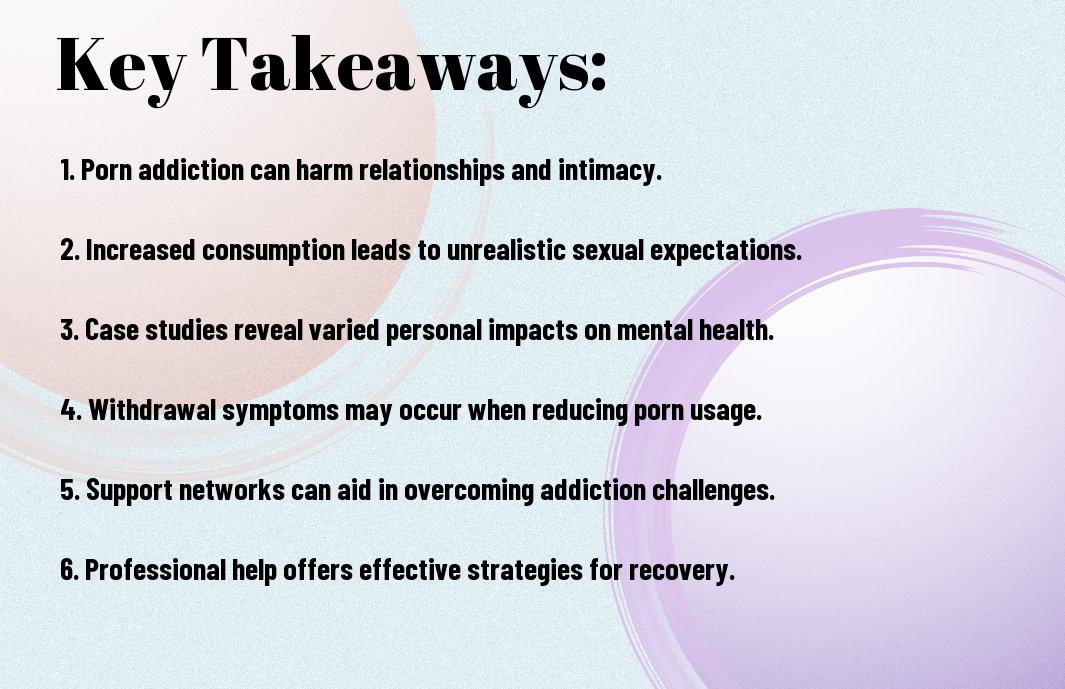
Key Takeaways:
The program focuses on helping individuals recognize and break free from unhealthy patterns associated with porn consumption.
A 30-day structured plan is provided to guide participants through a transformative journey, promoting healthier behaviors and perspectives.
Emphasis is placed on understanding the psychological and emotional impacts of porn addiction, fostering self-awareness and personal growth.
Supportive community resources and accountability measures are encouraged to enhance motivation and sustain change.
Practical exercises and daily reflections are integrated to help individuals establish new habits and improve their overall well-being.
Understanding Porn Addiction
For many individuals, the consumption of porn can become an uncontrollable habit, leading to negative effects on both mental and emotional well-being. Understanding porn addiction helps you recognize its impact on your life and relationships, enabling you to pursue healthier pathways.
As you explore this topic, you will gain valuable insights into how this behavior may affect your day-to-day experiences and personal growth.
Definition of Porn Addiction
Porn addiction refers to the compulsive consumption of pornographic material, which can lead to various struggles in your personal life, relationships, and overall mental health.
It often manifests when you find yourself unable to stop or reduce your usage despite knowing the adverse effects it creates.
Signs and Symptoms
On your journey to understanding porn addiction, recognizing the signs and symptoms can empower you to take action.
Common indicators include consuming pornographic content excessively, prioritizing it over important activities, or feeling a sense of shame or guilt associated with your viewing habits.
Plus, be aware of how porn addiction may affect your emotional connections with others. You may notice a diminished interest in real-life intimacy, difficulty in forming genuine relationships, or even experiencing anxiety and depression related to your habits.
Identifying these signs can help you assess the extent of your addiction and motivate you to seek guidance and support for change.
The Impact of Porn Addiction
If you find yourself relying on pornography, it’s important to understand how this addiction can significantly affect various aspects of your life. From mental health to interpersonal relationships, the repercussions can be profound, potentially leading to decreased satisfaction in both personal and romantic domains.
Recognizing these effects is the first step toward making positive changes.
Psychological Effects
Below the surface, pornography addiction can lead to a range of psychological issues. You may experience heightened anxiety, depression, or feelings of inadequacy as your self-esteem diminishes.
This constant comparison to unrealistic standards set by porn can distort your perception of intimacy, leaving you feeling more isolated and disconnected.
Physical and Relationship Consequences
Among the many consequences, physical health issues and relationship strain are common. You might face difficulties in sexual performance or a decrease in sexual desire, which can lead to frustration and disconnect with your partner.
Over time, this disconnection can further damage your relationships, making it harder to establish genuine emotional connections.
Considering the physical and relationship consequences, it’s vital to understand how porn addiction can manifest in your daily life. You may find that your sexual experiences become less satisfying, and communication with your partner can suffer.
As you increasingly turn to porn for gratification, your relationships may lack the deep emotional bonding necessary for intimacy. This could lead to resentment, misunderstandings, and ultimately, the deterioration of significant connections in your life.
The 30-Day Transformation Program
Unlike other methods, a focused 30-day transformation program can significantly reshape your relationship with porn. This structured approach helps you identify triggers and establish new habits.
To begin your transformation, the program combines daily challenges, mindfulness exercises, and community support to help you stay accountable and motivated. It fosters an environment conducive to growth, allowing you to replace old habits with positive ones.
Step-by-Step Guide
Behind each successful transformation is a detailed plan that outlines your daily goals. The following table showcases the important steps you’ll take during this 30-day journey:
Day
Task
1
Set your goals and intentions
2
Identify triggers
3
Start daily journaling
…
Additional Step-by-Step Breakdown
In addition to the daily tasks, focusing on specific themes can enhance your understanding and commitment throughout the program. The following table outlines the weekly themes designed to guide your progress:
Week
Theme
1
Awareness and Reflection
2
Healthy Coping Mechanisms
3
Building a Support Network
4
Sustaining Positive Change
Strategies for Overcoming Porn Addiction
Now that you recognize the impact of porn addiction, it’s important to implement effective strategies to reclaim control over your life. Various approaches, such as setting personal boundaries, identifying triggers, and practicing mindfulness, can significantly enhance your journey toward recovery.
Embrace these strategies as you work through the 30-day transformation, focusing on consistent progress and self-improvement. You are on a path to a healthier mindset and lifestyle.
Coping Mechanisms
Before tackling your porn addiction, it’s vital to develop coping mechanisms that will help you manage cravings and emotional triggers. Techniques such as journaling, meditation, or engaging in physical activities can serve as outlets for stress and anxiety.
By replacing your urges with healthier alternatives, you can cultivate resilience throughout your transformation journey.
Building a Support System
Mechanisms for recovery become significantly stronger when paired with a supportive network. Seek encouragement from friends, family, or support groups who understand your struggles and can uplift you during challenging moments.
Surrounding yourself with people who share similar goals can provide accountability, motivation, and valuable insights to navigate your journey toward overcoming porn addiction.
This support system serves as a lifeline, allowing you to express your feelings and fears openly. Engaging with like-minded individuals, either in person or online, fosters an environment where you can learn from one another.
You may find that sharing your experiences and concerns leads to personal growth and the realization that you are not alone in this battle. Investing time in nurturing these relationships will enhance your recovery and strengthen your resolve to break free from addiction.
Success Stories and Testimonials
Not everyone believes they can overcome their porn addiction, but countless individuals have transformed their lives by committing to change.
These success stories serve as powerful reminders that with dedication and the right strategies, you can reclaim control over your mind and your habits, leading to healthier relationships and enhanced well-being.
Real-Life Transformations
Before initiateing on their journey, many individuals felt trapped in a cycle of compulsive behavior, struggling with feelings of shame and isolation. Through consistent effort and support, they discovered profound personal growth and the power of healthier choices.
As they shared their experiences, it became evident that transformation is not only possible but attainable for you too.
Key Takeaways
Between the various success stories, a few key themes emerge that can guide your own transformation. The importance of support networks, the value of personal accountability, and the necessity of understanding triggers are vital components in overcoming addiction.
As you initiate on your journey, focusing on these elements can aid you immensely.
Understanding that your journey may mirror those of others can be empowering. You may find strength in connecting with people who have faced similar challenges. Emphasizing community support, setting achievable goals, and practicing self-compassion can greatly enhance your chances of success.
By focusing on these key takeaways, you can create a sustainable plan for change that aligns with your personal values and goals. Your transformation is not just about stopping a habit; it’s about embracing a healthier, more fulfilling life.
Resources for Further Support
Despite the challenges you may face in overcoming porn addiction, numerous resources are available to help you on your journey. Utilizing these tools can empower you to transform your relationship with pornography and foster a healthier mindset.
Engaging with literature and support systems tailored to your needs can be instrumental in achieving your goals.
Recommended Books and Articles
Any thorough exploration of porn addiction can be significantly enhanced by delving into well-researched books and articles. Literature on the psychological, emotional, and practical aspects of addiction provides insights that can fuel your progress.
These resources will bolster your understanding and equip you with strategies for overcoming this challenge.
Support Groups and Online Communities
Against the backdrop of personal struggles, connecting with others who understand your experience can be transformative. Support groups and online communities offer safe spaces where you can share your challenges and celebrate your victories.
These platforms provide crucial encouragement and accountability as you work through your addiction.
This shared experience fosters camaraderie and allows you to gain insights from individuals facing similar challenges. In these supportive environments, you can exchange coping strategies, celebrate milestones, and feel less isolated in your journey.
Exploring forums, social media groups, or local meetups will enhance your ability to connect with others and create a supportive network around you.
Final Words
To wrap up, overcoming porn addiction can significantly enhance your well-being and relationships. By following a structured 30-day transformation plan, you can break free from unhealthy habits and gain a deeper understanding of your desires.
This journey not only empowers you to reclaim control over your life but also fosters healthier perspectives on intimacy and connection. Embrace this opportunity to grow and redefine your relationship with yourself and others, paving the way for a more fulfilling future.
FAQ
Q: What is ‘Is Porn Addiction Bad Proven Guide – 30-Day Transformation’?
A: The ‘Is Porn Addiction Bad Proven Guide – 30-Day Transformation’ is a comprehensive program designed to help individuals understand the negative impacts of porn addiction and guide them through a 30-day process to overcome it.
The guide offers resources, techniques, and insights aimed at fostering healthier relationships with sexuality and enhancing personal well-being.
Q: Who can benefit from this guide?
A: This program is suitable for anyone who feels that their porn consumption is affecting their life negatively. This includes individuals struggling with addiction, those looking to reshape their sexual habits, or even partners of those who might be dealing with porn addiction.
It aims to provide support and understanding for a wide audience.
Q: What methods are used in the transformation process?
A: The transformation process incorporates various methods, including journaling exercises, mindfulness practices, educational resources, and actionable tasks to help individuals identify triggers and develop healthier coping mechanisms.
It also focuses on promoting self-awareness and rebuilding self-esteem.
Q: How long does the program take to complete?
A: The program is structured over a 30-day period, allowing participants to engage with the content at a manageable pace. The daily tasks and reflections are designed to create gradual yet significant changes over the month.
Q: Is there any scientific backing for the claims made in the guide?
A: Yes, the guide draws on research from psychology, neuroscience, and addiction studies to highlight how excessive porn consumption can alter brain chemistry and affect personal relationships. It provides evidence-based insights that support the need for change in certain habits and behaviors.
Q: Can the guide be used alongside therapy or counseling?
A: Absolutely. The program can serve as a supplementary tool to therapy or counseling.
Many individuals find that combining such resources with professional support enhances their understanding and progress. It’s encouraged to communicate with healthcare providers about the use of additional self-help resources.
Q: What happens after the 30 days are completed?
A: After completing the 30-day program, participants are encouraged to continue implementing the learned strategies into their daily lives for lasting change.
They may choose to set new goals, join community support groups, or further explore self-growth opportunities to maintain progress and reinforce positive habits.
Understanding porn addiction is essential for recovery. Many people struggle with porn addiction silently, but recognizing the patterns of porn addiction is the first step toward change.
Understanding porn addiction is essential for recovery. Many people struggle with porn addiction silently, but recognizing the patterns of porn addiction is the first step toward change.
Tips for dealing with porn addiction are more important than ever in today’s fast-paced digital world. Understanding the potential negative effects on your mental health and relationships can empower you to make informed choices.
In this post, you will discover nine necessary strategies to help navigate and overcome porn addiction, ensuring a healthier future. For more insights, check out the Effective Strategies for Porn Addiction Help.
Key Takeaways:
Porn addiction can interfere with real-life relationships and sexual performance, leading to dissatisfaction in personal interactions.
Recognizing the signs of porn addiction is the first step towards seeking help and addressing underlying issues.
Establishing healthy habits, such as setting boundaries with technology, can reduce reliance on pornographic content.
Support groups and therapy can provide effective strategies for those struggling with porn addiction, fostering a path toward recovery.
Staying informed about the evolving landscape of pornography and its potential impacts is key to understanding and managing its effects on mental health.
Understanding Porn Addiction
To truly grasp the concept of porn addiction, you must recognize that it is more than just a habit; it can significantly interfere with your daily life and relationships. Similar to other forms of addiction, it often leads to compulsive behavior where you may find yourself unable to stop, despite knowing its negative impact.
Understanding the complexities of this addiction is vital for those seeking to regain control over their lives.
Definition and Symptoms
Beside being defined as an excessive preoccupation with pornographic material, porn addiction comes with various symptoms. These can include a persistent urge to view porn, feelings of guilt or shame after consumption, and neglecting responsibilities or relationships as a result.
If you find that you’re unable to reduce the amount of time spent on pornographic content despite its adverse effects, it may indicate an addiction.
Causes and Triggers
Above all, understanding the causes and triggers of porn addiction can provide you with insight into your behavior. Various factors, including emotional distress, loneliness, or a history of trauma, can contribute to developing such an addiction.
Additionally, easy access to explicit material through the internet plays a significant role and can escalate your viewing habits.
Understanding the causes and triggers behind your porn addiction is a vital step toward recovery. These factors can range from biological predispositions to psychological conditions like anxiety or depression.
Emotional triggers such as stress or boredom could push you to seek comfort in pornographic content. Identifying what prompts you to engage in this behavior can aid in developing healthier coping mechanisms and strategies for overcoming the addiction.
Psychological Impact of Porn Addiction
One of the most significant repercussions of porn addiction is its psychological impact. You may experience feelings of guilt, shame, or anxiety, which can stem from engaging in behaviors that are at odds with your values.
This conflict can create emotional distress and hinder your ability to enjoy healthy relationships and life experiences.
Emotional Consequences
The emotional consequences of porn addiction can be profound. You might find yourself struggling with feelings of isolation or depression due to your compulsive behaviors.
Additionally, this addiction can lead to an emotional disconnect from your daily life, making it difficult for you to engage fully with friends, family, or even hobbies that once brought you joy.
Effects on Relationships
Effects on relationships can be particularly damaging in the context of porn addiction. You might notice a decline in emotional intimacy with your partner, as your preoccupation with porn can replace real-life connections.
This disconnection may lead to arguments, mistrust, and resentment, further straining the fabric of your relationships.
Also, the unrealistic expectations set by the content you consume can create dissatisfaction in your current relationships. You may find yourself comparing your partner to performers, leading to critical thoughts and a lack of appreciation for the genuine qualities they offer.
Over time, this can erode trust and intimacy, making it challenging for you to build a fulfilling partnership.
The Biology of Addiction
Now, understanding the biology of addiction is imperative to grasp the complexities of porn addiction. Your brain’s wiring and chemistry can significantly change when exposed to addictive behaviors.
These alterations can impact your emotions, decision-making, and overall mental health, making it challenging to break free from the cycle of addiction.
Brain Changes and Responses
The changes in your brain due to addiction can lead to increased sensitivity to certain stimuli, which may make it difficult to control your impulses. Over time, repeated exposure to pornography can alter neural pathways, impacting how you experience pleasure and reward.
These changes can create a cycle of dependency that reinforces addictive behaviors.
Dopamine and Pleasure
On the subject of dopamine, this neurotransmitter plays a vital role in how you experience pleasure and reward. When engaging with pornography, your brain releases a surge of dopamine, resulting in feelings of euphoria.
However, in the long run, your brain becomes desensitized to these levels, requiring increasingly stimulating content for the same pleasurable response.
Further, this heightened pursuit of pleasure through dopamine can lead to a cycle of seeking more intense forms of stimulation to achieve the same effect, reinforcing addictive patterns. As a result, you may find that everyday activities lose their appeal, forcing you to rely on pornography as your primary source of pleasure.
Understanding this relationship between dopamine and your pleasure-seeking behavior is key in addressing and overcoming porn addiction.
Recognizing the Signs of Addiction
Unlike other forms of addiction, porn addiction can often conceal itself behind the facade of normal behavior. You may find yourself spending increasing amounts of time viewing pornography, neglecting responsibilities, or experiencing changes in your mood and relationships.
Identifying these signs early is key to addressing the issue effectively and regaining control over your life.
Self-Assessment Techniques
To effectively gauge your relationship with pornography, you can utilize self-assessment techniques such as journaling your viewing habits and emotional responses. Establishing a clear picture of how often and why you engage with porn can help illuminate patterns of dependency.
Reflecting on your feelings before and after viewing can also provide valuable insights into the impact it has on your life.
Seeking Professional Help
At times, recognizing your addiction may not be enough, and you might feel overwhelmed by the desire to change. Seeking professional help can be a beneficial step in breaking free from the cycle of addiction.
Therapists specializing in sexual behavior can provide tailored strategies to help you overcome compulsive behaviors and address the underlying issues contributing to your addiction.
Help is available through various avenues, including therapy, support groups, and online resources. You should consider finding a therapist who specializes in addiction or a healthcare provider familiar with the complexities of porn addiction.
Through professional guidance, you can explore personal triggers and develop healthier coping mechanisms, significantly improving your relationship with both yourself and others.
Tips to Overcome Porn Addiction
Once again, overcoming porn addiction requires commitment and effective strategies. Here are vital tips to help you on your journey:
Identify triggers and avoid them.
Set specific goals for your recovery.
Establish a daily routine.
Practice mindfulness and meditation.
Limit screen time and access to pornographic material.
After acknowledging your addiction, establishing healthy habits is vital for successful recovery. Focus on developing a structured daily routine that includes physical activity, healthy eating, and sufficient sleep.
Integrating mindfulness practices, such as meditation or journaling, can help you manage urges and cultivate self-awareness. These changes lay the groundwork for a healthier lifestyle.
Building a Support System
One of the key aspects of overcoming porn addiction is building a reliable support system. Surround yourself with individuals who understand your struggle and encourage your progress.
Whether it’s close friends, family members, or support groups, having a network of empathetic people can provide motivation and accountability. Participating in discussions with others facing similar challenges can also foster a sense of community and belonging.
Porn addiction can feel isolating, but establishing connections with others who share your experiences is vital. Seek local or online support groups that cater to your needs, and consider therapy if you need more personalized guidance.
Engaging with a mentor or pairing up with an accountability partner can provide an extra layer of support, making your journey to recovery less daunting.
Resources for Recovery
Not finding the right resources can hinder your recovery journey. It’s imperative to explore various options that support your path to healing from porn addiction.
By leveraging professional help and community support, you can gain the tools and strategies needed to overcome your challenges and build a healthier relationship with intimacy.
Therapy and Counseling Options
Along your recovery journey, therapy and counseling can provide invaluable support. Professional therapists, particularly those specializing in sex addiction, can offer personalized strategies and address underlying issues contributing to your addiction.
Engaging in one-on-one or group therapy can foster open dialogue and enhance your understanding of triggers, ultimately promoting healthier behaviors.
Online Support Communities
To foster a sense of connection and accountability, many individuals turn to online support communities tailored for those struggling with porn addiction. These platforms allow you to share experiences, seek advice, and find encouragement from those who understand your journey.
They provide a space where you can explore your feelings, learn from others, and receive support without judgment.
Online support communities are a valuable resource for anyone dealing with porn addiction. They enable you to connect with others who share similar experiences, fostering a sense of belonging and understanding.
Through forums, chat rooms, and dedicated social media groups, you can access a wealth of information, strategies for recovery, and real-time support from peers committed to overcoming similar challenges. Engaging with such communities can invigorate your recovery and help sustain motivation over time.
Conclusion
Now that you have explored the potential risks of porn addiction and the nine vital tips for managing it in 2025, it’s important to evaluate your relationship with pornography. Assess your habits and consider how they affect your mental, emotional, and social well-being.
By taking proactive steps to develop a healthier mindset and behaviors, you can foster a more balanced life that prioritizes meaningful connections and personal growth. Your journey towards a more fulfilling existence starts with awareness and intentional choices today.
FAQ
Q: What is porn addiction?
A: Porn addiction is characterized by excessive consumption of pornography that interferes with daily life, relationships, and overall well-being. Individuals may feel compelled to seek out pornography even when it leads to negative consequences, such as issues with intimacy or productivity.
Q: How do I know if I have a porn addiction?
A: Signs of porn addiction may include feeling unable to control the use of pornography, spending excessive time viewing it, prioritizing porn over other activities, experiencing distress or anxiety when trying to cut back, and neglecting responsibilities or social activities.
Q: What are the negative effects of porn addiction?
A: Porn addiction can lead to various negative effects, including unrealistic expectations about sex and relationships, decreased sexual satisfaction with real partners, social withdrawal, anxiety, depression, and difficulty in establishing intimate relationships due to dependence on pornography for arousal.
Q: Are there effective strategies to overcome porn addiction?
A: Yes, several strategies can help manage porn addiction, including setting limits on screen time, finding support groups, speaking with a therapist, engaging in healthy activities to reduce idle time, and utilizing apps designed to block adult content.
Q: How can I prevent developing a porn addiction?
A: Prevention involves maintaining a healthy balance between technology and personal interaction, understanding the impact of porn on perceptions of intimacy, educating oneself on the potential psychological effects, and fostering open communication about sexuality with partners.
Q: What role does technology play in porn addiction?
A: Technology significantly contributes to porn addiction by providing easy access to a vast array of adult content. The instant gratification and anonymity offered by the internet can make it easier for individuals to develop addictive behaviors while reducing barriers to consumption.
Q: When should I seek professional help for porn addiction?
A: It’s advisable to seek professional help if you find that porn use is negatively impacting your life, relationships, or mental health, or if attempts to control your consumption have been unsuccessful.
A qualified mental health professional can help you address underlying issues and develop healthier coping strategies.
Many individuals struggle with the question of whether porn addiction is detrimental to their lives. You may find yourself grappling with the impacts it has on your mental health, relationships, and overall well-being.
In this blog post, we’ll explore five compelling case studies that highlight the various effects of porn addiction, providing you with valuable insights into this complex issue. By examining these real-life scenarios, you’ll gain a deeper understanding of how porn addiction can shape your experiences and the potential paths toward healthier habits.
Key Takeaways:
Porn addiction can lead to negative psychological effects, including anxiety and depression in some individuals.
Case studies highlight the impact of porn addiction on relationships, often causing intimacy issues and communication breakdowns.
The prevalence of porn addiction varies across demographics, with younger audiences often being more affected.
Therapeutic approaches, such as cognitive-behavioral therapy, can be beneficial in addressing porn addiction and its associated challenges.
Increasing awareness and understanding of porn addiction is vital for fostering healthier attitudes towards sexuality and media consumption.
Understanding Porn Addiction
While the conversation around pornography often focuses on its impact, understanding porn addiction is important for identifying how it can affect your life. Many people engage with porn without issue; however, for some, it can evolve into a compulsive behavior that disrupts relationships, productivity, and mental health.
Recognizing this addiction can lead to personal insights and effective strategies for recovery.
Definition and Overview
Above all, porn addiction is characterized by an excessive dependence on pornography despite negative consequences. It can lead to the escalation of viewing habits, where more extreme content is sought to achieve the same level of arousal.
This compulsive behavior may impair your ability to enjoy intimacy in real-life relationships and can create feelings of shame or isolation.
Signs and Symptoms
An important aspect of understanding porn addiction lies in recognizing its signs and symptoms. These may include a preoccupation with porn, an inability to cut back or stop viewing, and neglecting personal responsibilities, relationships, or activities.
If you find that accessing porn is impacting your emotional well-being, it may indicate an unhealthy pattern.
Indeed, signs of porn addiction can manifest in various ways, and they often go beyond mere excessive consumption. Frequent feelings of anxiety or irritability when unable to access porn, spending significant time seeking or viewing content, and experiencing a loss of interest in sex or intimacy with a partner can all be indicators.
If you notice these patterns, it’s beneficial to assess your relationship with porn and consider seeking support to facilitate healthier behaviors.
Case Study 1: The Early Warning Signs
Now that you understand the seriousness of porn addiction, it’s imperative to identify early warning signs. Symptoms can vary, but they often manifest in compulsive viewing habits and a growing detachment from reality.
Learning more can help you understand your experiences. Explore if Is Porn Addiction Real? by reading case studies and personal experiences that illustrate these patterns.
Background of the Individual
The individual in this case study is a 25-year-old male who began consuming porn at an early age. Initially, it was a casual activity, but over time, he found himself progressively relying on it to unwind after a long day.
This dependence escalated, and he started to lose interest in other hobbies and social interactions.
Impact on Relationships
Relationships with family and friends began to suffer. As his porn consumption grew, the individual noticed a decline in his ability to connect emotionally with his partner. Common interests faded, and intimacy was replaced with feelings of isolation and stress.
Another aspect of this issue was the impact on communication. Conflicts arose more frequently due to misunderstandings and assumptions, leading to feelings of resentment from both parties.
By failing to engage meaningfully, he risked losing not only his partner but also vital social connections, which are important for emotional support and personal growth.
Case Study 2: Coping Mechanisms
To understand the impact of porn addiction on your life, examining coping mechanisms can be illuminating. Individuals often turn to porn to escape stress, anxiety, or loneliness, creating a cycle that may lead to dependency.
Recognizing how you cope can help you shift towards healthier strategies and address underlying issues.
Strategies Used
To address porn addiction, you might consider various strategies such as mindfulness practices, journaling, or engaging in physical activities. These techniques help divert your focus and contribute to emotional well-being.
By integrating such healthy alternatives, you gradually replace the need for porn with positive habits that nourish your mental state.
Outcomes
To evaluate the success of these coping strategies, it’s necessary to monitor how they affect your overall quality of life. Positive outcomes may include improved mental health, increased focus, and stronger relationships.
As you implement healthier coping mechanisms, you’ll likely notice fewer urges to revert to porn as a source of comfort.
Considering the outcomes of employing effective coping mechanisms, you may experience enhanced emotional resilience and a greater sense of control over your daily choices. As you engage more with healthy activities, your reliance on porn can diminish, allowing you to cultivate more enjoyable and fulfilling relationships both with yourself and others.
This journey not only aids in reducing addiction but also encourages personal growth and self-discovery.
Case Study 3: The Role of Mental Health
Not all porn addiction cases are the same, but mental health plays a significant role in many situations. Individuals struggling with anxiety, depression, or low self-esteem may turn to porn as a coping mechanism.
Understanding the connection between your mental health and porn consumption can help you recognize potential underlying causes and address them effectively.
Psychological Impact
Health issues often arise from excessive porn use, such as increased anxiety, relationship problems, and distorted views of intimacy. These effects can deepen feelings of isolation and exacerbate existing mental health challenges.
By addressing these issues, you can begin to understand how your behaviors impact your overall well-being.
Recovery Journey
Below the surface, recovery from porn addiction is a multifaceted process that involves addressing both the addiction itself and the associated mental health challenges. You may find it helpful to seek support from mental health professionals or support groups that specialize in addiction.
This journey often includes developing healthier coping mechanisms, improving communication skills, and building self-esteem. It may require you to reflect on personal habits and triggers, while learning to replace those with positive practices.
Engaging in therapy, joining support networks, and staying committed to change are all crucial components for living a healthier, more balanced life.
Case Study 4: Social Consequences
Despite the notion of pleasure linked to pornography, its addiction can lead to severe social consequences. You may find yourself withdrawing from meaningful relationships and social activities, which can hinder your personal and professional life.
About you may experience feelings of isolation and loneliness when porn addiction takes hold. This can stem from prioritizing online content over real-life connections, leading to a lack of emotional fulfillment and connection with others.
Social Interactions
With sustained addiction, your approach to social interactions can drastically change. Engaging with others may become uncomfortable or stressful, making it difficult to form or maintain relationships.
This shift in social behavior is often marked by avoidance of social gatherings, a reduction in communication skills, and an increased reliance on virtual interactions rather than face-to-face connection.
Such changes can leave you feeling disconnected and frustrated, which only perpetuates the cycle of addiction as you retreat further into isolation.
Case Study 5: Overcoming Addiction
Keep in mind that overcoming porn addiction is a journey. One individual shared their success in breaking free from this habit by incorporating research-based strategies into their daily life.
Before you initiate on your path to recovery, consider establishing a strong support system. Surrounding yourself with friends, family, or support groups can create an encouraging environment that promotes accountability and understanding.
Sharing your challenges and triumphs with others who empathize with your experiences can strengthen your resolve.
Long-term Strategies
Among the most effective long-term strategies for overcoming porn addiction is developing healthier coping mechanisms. This can include engaging in physical activities, pursuing hobbies, and practicing mindfulness meditation, which can help reduce urges over time.
Systems, when implemented correctly, will provide you with ongoing guidance and resources to support your journey. Consider setting achievable goals and tracking your progress.
This can involve journaling your thoughts, creating a schedule to limit exposure to triggering content, and even seeking professional therapy if necessary. Adapting these strategies can greatly enhance your ability to maintain long-lasting changes in your behaviors and cultivate a healthier relationship with sexuality over time.
Summing up
Upon reflecting on the cases presented, you can understand that porn addiction can have significant consequences on various aspects of your life. By examining the experiences of others, you gain insights into how this addiction may impact your relationships, work, and mental health. Recognizing the signs and effects can empower you to make informed decisions regarding your habits.
It is important to seek help if you find yourself struggling, as addressing the issue early can lead to a healthier and more fulfilling life. Your journey towards betterment begins with awareness and understanding.
FAQ
Q: What is porn addiction?
A: Porn addiction is characterized by an individual’s compulsive consumption of pornographic material, which can negatively impact their relationships, emotional well-being, and daily functioning. It often leads to a cycle of seeking out more explicit content despite adverse consequences.
Q: How can porn addiction affect mental health?
A: Porn addiction can lead to various mental health issues, including anxiety, depression, and low self-esteem. Individuals may experience heightened feelings of loneliness or isolation as their reliance on pornography grows, impacting their real-life interactions and emotional connections.
Q: What are some signs that someone may have a porn addiction?
A: Signs of porn addiction include spending excessive time viewing porn, inability to control viewing behavior, neglecting responsibilities or relationships, experiencing withdrawal symptoms when not viewing, and using pornography as a coping mechanism for stress or emotional discomfort.
Q: Are there any physical effects associated with porn addiction?
A: Yes, porn addiction can lead to physical effects such as sexual dysfunction, desensitization to sexual stimuli, and altered brain chemistry. These changes can affect an individual’s ability to enjoy real-life intimacy or maintain healthy sexual relationships.
Q: What are five case study examples that illustrate the negative effects of porn addiction?
A: 1) A young man struggled to maintain relationships due to unrealistic expectations from porn; 2) An individual faced erectile dysfunction after excessive porn use; 3) A couple experienced intimacy issues as one partner became reliant on porn; 4) A person lost interest in real-life sexual encounters after becoming desensitized through porn; 5) A user reported increased anxiety and guilt after indulging in porn regularly, impacting their overall happiness and social life.
Q: How can one address porn addiction?
A: Addressing porn addiction often involves therapy, such as cognitive-behavioral therapy (CBT), support groups, and developing healthier coping mechanisms.
Establishing boundaries around internet use, finding alternative activities, and fostering open communication with partners can also be effective strategies.
Q: Is recovery from porn addiction possible, and how long does it take?
A: Yes, recovery from porn addiction is possible, though it varies for each individual. The journey can take weeks or months, depending on the person’s commitment, engagement in therapy, and support from peers or loved ones.
Sustaining recovery often involves ongoing self-reflection and a commitment to healthier behaviors.
Porn consumption can sometimes lead to addiction, affecting various aspects of your life. Understanding whether your habits have crossed the line into addiction is necessary for your personal well-being.
This blog post dives into 11 proven templates for assessment, helping you evaluate your relationship with pornography. By using these templates, you can gain insights into the potential impact of porn on your mental health, relationships, and daily functioning.
Key Takeaways:
Porn addiction can lead to negative impacts on mental health, relationships, and sexual functioning.
Assessment templates provide structured methods for individuals to evaluate their porn consumption patterns.
Recognizing symptoms of addiction is vital for seeking appropriate help and intervention.
Support systems, such as therapy and support groups, can be beneficial for those struggling with porn addiction.
Awareness of personal triggers and developing coping strategies can aid in overcoming addictive behaviors.
Understanding Porn Addiction
To fully grasp the concept of porn addiction, you must understand its implications and how it manifests in daily life. This behavioral addiction can significantly affect your relationships, mental health, and well-being.
About porn addiction, it is characterized by an overwhelming compulsion to consume pornography despite negative consequences. Symptoms may include neglecting responsibilities, engaging in secrecy, and experiencing emotional distress such as anxiety or guilt when trying to reduce usage.
Psychological Impact
Below the surface, porn addiction can lead to significant psychological challenges. It can create distorted perceptions of intimacy or sexual relationships, often contributing to feelings of isolation and depression.
You may also find that it affects your self-esteem and ability to connect with others on a meaningful level.
Plus, the impact of porn addiction extends into various aspects of your mental health. It may exacerbate issues such as anxiety and depression, creating a cycle that is difficult to break.
As your reliance on porn increases, your expectations of real-life relationships may become unrealistic, leading to further disconnection from individuals in your life. Recognizing these effects is the first step toward regaining control and seeking help.
The Science Behind Pornography
Some studies indicate that pornography may lead to significant changes in your brain’s structure and function. Understanding the underlying science can help you discern if you might be experiencing Porn Addiction Effects – What Are the Long-Term Effects of ….
Being informed is the first step toward addressing any potential issues that may arise from excessive consumption.
Brain Chemistry and Addiction
By examining how pornography interacts with your brain chemistry, researchers have found that repeated exposure can activate the reward system, releasing dopamine.
This neurotransmitter is responsible for feelings of pleasure, which can create a cycle of craving and reward, leading to compulsive behaviors over time.
Long-term Effects on Behavior
Behind the scenes, habitual consumption of pornography can alter your behavior in various ways. You might find that your expectations regarding intimacy and sexual relationships are skewed, making it difficult to connect with real partners.
Additionally, this behavior can lead to emotional detachment, reduced satisfaction in relationships, and increased anxiety or depression.
Behavior modifications stemming from long-term pornography use can manifest in several dimensions of your life. You may notice a decline in communication skills and difficulties in forming genuine connections with others.
The unrealistic standards presented in porn could lead you to hold unrealistic expectations toward your sexual encounters, harming your relationships further. A progressive detachment from reality can impact your overall mental health, prompting feelings of dissatisfaction and isolation.
Assessing Porn Addiction
Unlike some other behavioral issues, assessing porn addiction requires a deeper understanding of your habits and their impacts on your daily life. Understanding the signs and symptoms is vital in determining the extent of your dependency.
By recognizing patterns in your viewing habits, emotional responses, and social interactions, you can gain insights into whether your behavior constitutes an addiction that needs addressing.
Self-Assessment Tools
Behind the understanding of addiction lies the power of self-assessment tools. These often include questionnaires and scales designed to help you evaluate your relationship with porn.
By engaging in self-reflection, you can assess the emotional and situational factors influencing your consumption, which aids in identifying potential addiction.
Clinical Assessment Techniques
Addiction professionals often utilize clinical assessment techniques to diagnose porn addiction accurately. These methods can include interviews, standardized questionnaires, and behavioral observations.
An expert will explore your experiences, emotions, and habits in relation to porn to provide an informed perspective on your situation.
Consequently, understanding clinical assessment techniques can offer you a structured approach to addressing porn addiction. These assessments probe into various aspects of your behavior and mental health, allowing clinicians to gauge severity and provide tailored recommendations.
Equip yourself with knowledge about these techniques, so when you seek help, you can engage confidently in discussions about your experiences and needs.
Consequences of Porn Addiction
Now, the consequences of porn addiction can be far-reaching, impacting various aspects of your life. Individuals often struggle with diminished sexual satisfaction, which can perpetuate the cycle of seeking out more explicit content.
The effects can echo through your emotional well-being, relationships, and everyday interactions, leading to a need for greater awareness and understanding of these challenges.
Impacts on Relationships
Relationships can suffer significantly due to porn addiction. Your obsession with pornography can create unrealistic expectations about intimacy and sexual performance, causing disconnection with your partner.
Trust may erode as you prioritize virtual experiences over genuine emotional connections, leading to potential conflicts and even the breakdown of relationships.
Effects on Mental Health
Health issues related to porn addiction often manifest as anxiety, depression, and low self-esteem. You may find yourself trapped in a cycle where reliance on pornography distorts your perception of intimacy, making real-life connections more challenging.
As your mental health deteriorates, feelings of guilt and shame can compound, leading to further isolation and distress.
Impacts on your mental health can be profound and lasting. You might notice a decrease in motivation, increased social withdrawal, and difficulty concentrating, all of which can impede your daily functioning.
Additionally, the dopamine-driven feedback loop created by porn consumption can lead to heightened cravings for more intense content, further exacerbating feelings of inadequacy, anxiety, and depressive symptoms, making it imperative to seek support and reassess your engagement with pornography.
Treatment Options
Not addressing a porn addiction can lead to negative impacts on your relationships, mental health, and overall well-being. Fortunately, various treatment options are available to help you manage and overcome this challenge.
From therapy to support systems, you can find the methods that work best for your situation and help you regain control of your life.
Therapy Approaches
To effectively tackle porn addiction, consider exploring different therapy approaches. Cognitive Behavioral Therapy (CBT) can help you identify and change unhealthy thought patterns associated with your addiction.
Additionally, individual or group therapy sessions with a trained professional may provide you with the tools and support needed to navigate your feelings and behaviors surrounding porn use.
Support Groups and Resources
The journey to overcoming porn addiction can be daunting, but you don’t have to face it alone. Support groups and resources offer a safe space where you can connect with others experiencing similar challenges.
Sharing your experiences and hearing from others can help you learn valuable coping strategies and provide encouragement as you commence on your recovery journey.
At these support groups, you will find a community of individuals who understand your struggles and can relate to your feelings. Many groups operate both in-person and online, allowing you to choose a format that feels comfortable for you.
Additionally, numerous resources, such as books and online forums, can provide further insights and tips to assist in your recovery process. Engaging in these communities can empower you and reinforce your commitment to overcoming porn addiction.
Prevention Strategies
All individuals must recognize the importance of proactive measures in preventing porn addiction. By implementing various strategies such as fostering healthy relationships and engaging in media literacy education, you can mitigate the risks associated with consuming pornography.
Maintaining open communication and understanding your emotional needs are important steps in creating a supportive environment for yourself and others.
Building Healthy Relationships
Behind every strong connection is the ability to communicate openly and honestly. As you focus on building healthy relationships, prioritize expressing your feelings and needs with your partner.
This can help you establish trust and intimacy, reducing the likelihood of turning to pornography as an emotional substitute. Engaging in shared activities and nurturing your emotional bond will fortify your relationship, ultimately promoting mental well-being.
Media Literacy Education
With the constant influx of media and advertising, you may be exposed to unrealistic portrayals of sexuality that can skew your perceptions. It’s important to equip yourself with media literacy skills to critically analyze the content you consume.
By understanding the underlying messages and recognizing the difference between fantasy and reality, you can make more informed choices about the media you engage with.
Strategies for enhancing your media literacy include seeking out diverse sources of information, discussing media portrayals with peers, and practicing critical thinking when viewing content. You can also explore workshops or resources focused on media literacy to enhance your skills further.
By staying informed and questioning the narratives presented to you, you empower yourself to better navigate the complexities of modern media. This proactive approach not only aids in preventing porn addiction but also promotes healthier perspectives on sexuality and relationships.
Summing up
Ultimately, understanding whether porn addiction is detrimental to your life hinges on assessing its impact on your mental, emotional, and relational well-being. By utilizing the 11 proven templates for assessment, you can gain valuable insights into your habits and their consequences.
Engaging with these tools empowers you to make informed decisions about your consumption and seek support if necessary. By addressing potential addiction, you are taking a proactive step toward achieving a healthier relationship with intimacy and connection in your life.
FAQ
Q: What is porn addiction?
A: Porn addiction refers to the compulsive consumption of pornographic material to the extent that it interferes with daily life, relationships, and mental well-being. Individuals may find themselves requiring increased amounts of pornographic content to achieve the same level of satisfaction, which can lead to significant distress and dysfunction.
Q: What are the signs of porn addiction?
A: Signs of porn addiction can include spending excessive time watching porn, neglecting responsibilities or social activities, experiencing withdrawal symptoms when not viewing, and using pornography as a way to cope with stress or negative emotions. Other signs may include an increasing tolerance that requires more extreme content for arousal.
Q: How does porn addiction affect relationships?
A: Porn addiction can negatively impact relationships by creating unrealistic expectations about sex and intimacy, causing emotional distance between partners, and leading to decreased sexual satisfaction. It may also lead to feelings of guilt or shame, which can further strain relationships as one partner may grapple with these feelings in solitude.
Q: Are there any psychological effects of porn addiction?
A: Yes, porn addiction may contribute to various psychological effects, including anxiety, depression, and low self-esteem. Individuals may also experience social withdrawal or isolation as they prioritize their addiction over real-life connections.
Furthermore, the addictive behavior can disrupt daily routines and lead to persistent feelings of regret and frustration.
Q: Can porn addiction impact sexual performance?
A: Yes, porn addiction can impact sexual performance by leading to issues such as erectile dysfunction or decreased libido in real-life sexual situations. Many individuals find that their reliance on pornography for arousal makes it challenging to connect with a partner or respond to sexual stimuli outside of the pornographic context.
Q: What are some effective assessment tools for porn addiction?
A: Effective assessment tools for porn addiction include self-report questionnaires, clinical interviews, and standardized tests like the Pornography Consumption Inventory (PCI) or the Problematic Pornography Use Scale (PPUS). These tools help to evaluate the frequency of usage, emotional responses, and the impact on personal and social aspects of life.
Q: What steps can someone take to address porn addiction?
A: To address porn addiction, individuals can seek professional help, such as therapy or counseling focused on sexual health and addiction. Setting limits on usage, finding alternative coping mechanisms, and joining support groups can also be effective strategies.
It’s important to develop healthy habits that foster intimacy and connection in personal relationships while working through underlying issues that contribute to the addiction.
Just as you might seek to understand any dependency in your life, it’s important to explore the implications of porn addiction on your overall well-being. This blog post researchs into seven key examples that illustrate how pornography can affect your relationships, mental health, and productivity.
By gaining insight into these aspects, you can make informed choices that promote a healthier, more fulfilling life. Join us as we unravel the complexities surrounding porn addiction and its impact on your daily existence.
Key Takeaways:
Porn addiction can negatively impact personal relationships and intimacy, leading to feelings of isolation and disconnection from partners.
Excessive consumption of porn can alter brain chemistry, potentially diminishing sexual satisfaction and leading to unrealistic expectations regarding sexual performance.
Developing a deeper understanding of one’s triggers and patterns related to porn use can empower individuals to make healthier choices and promote better emotional well-being.
Seeking professional help or engaging in support groups can provide valuable tools and resources for those struggling with porn addiction.
Promoting open communication about sexual health and desires can foster more satisfying relationships and reduce dependence on porn as a source of sexual gratification.
Understanding Porn Addiction
To grasp the complexities of porn addiction, it’s important to recognize that it can significantly affect various aspects of your life. This addiction often goes beyond mere consumption, becoming a compulsion that can reshape your habits, relationships, and perception of intimacy.
By acknowledging the signs and understanding its underlying mechanisms, you can begin to address any negative consequences it may bring.
Definition and Symptoms
Between compulsively watching porn and struggling to control your consumption, you may find yourself experiencing symptoms like increasing tolerance, withdrawal, and neglecting responsibilities.
These indicators can signal that your porn habits have crossed the line into addiction, impacting your everyday life and emotional well-being.
Impact on Mental Health
By understanding the impact of porn addiction on your mental health, you can take steps towards recovery and better living. This addiction often leads to heightened anxiety, depression, and feelings of isolation, ultimately affecting your self-esteem and relationships.
Hence, the effects of porn addiction on mental health are profound and far-reaching. You may find that your mood fluctuates more dramatically and your ability to form genuine connections suffers.
Furthermore, the cycle of guilt and shame that often accompanies excessive porn consumption can leave you feeling trapped, exacerbating existing mental health challenges. Recognizing these patterns is a significant first step towards seeking support and making positive changes in your life.
Effects on Relationships
It is important to understand that porn addiction can have significant negative effects on your relationships. You may find that dependency on pornography alters your perception of intimacy and love, creating barriers between you and your partner.
Along the course of dealing with porn addiction, communication with your partner can suffer greatly. You might find yourself withdrawing from open dialogue about your needs and desires, leading to feelings of isolation.
This breakdown in communication can be damaging, as it prevents you both from expressing your feelings and working through challenges together.
Intimacy Issues
After grappling with porn addiction, you may experience profound intimacy issues in your relationship. This could manifest as a lack of interest in physical closeness with your partner or an unrealistic expectation of intimacy shaped by pornographic content.
Such disconnect can lead to feelings of inadequacy and disappointment for both you and your partner.
Further, as you continue to rely on pornography for sexual gratification, your ability to engage in genuine, emotional intimacy may diminish. You might notice that real-life interactions feel less satisfying compared to the fantasy world of porn.
This ongoing struggle can create resentment and frustration in your relationship, making it necessary to address the underlying addiction to rebuild those intimate connections.
Consequences on Daily Life
Many individuals struggling with porn addiction may find it negatively affects their daily life. This can manifest in various ways, such as decreased motivation to engage in social activities, challenges in personal relationships, and an overall decline in mental and physical health.
Spending excessive time consuming porn can disrupt your routines and responsibilities, leading to feelings of guilt and anxiety, further complicating your life. Recognizing these consequences is the first step toward change.
Productivity and Focus
By allowing porn to dominate your time, you may find it increasingly challenging to concentrate on important tasks. This diversion of focus can result in missed deadlines and unfinished projects, impacting both your personal and professional life.
The time that could be spent on productive pursuits is instead replaced with fleeting moments of distraction, causing frustration and inefficiency in your everyday activities.
Emotional Well-being
Focus on how porn addiction can severely impact your emotional well-being. Over time, you may develop feelings of shame or isolation, as your consumption patterns might create a wedge between you and your loved ones.
This struggle can generate anxiety, depression, or low self-esteem, as you may begin to view yourself through a lens of inadequacy. As you confront these feelings, it’s vital to seek healthier coping mechanisms to foster genuine connections and emotional balance in your life.
At its core, the emotional turmoil stemming from porn addiction extends beyond momentary feelings of guilt. You may notice a shift in your overall emotional landscape, feeling less joy in activities you once enjoyed.
By addressing the root of these emotions and actively working on your self-image, you can begin to rebuild a positive sense of self and improve your interpersonal relationships, leading to a more fulfilling life overall.
Breaking the Cycle
Unlike a temporary habit, porn addiction can profoundly affect your life and relationships. To effectively break this cycle, you need to identify patterns and develop healthier coping mechanisms.
Across various environments, identifying what triggers your urge to engage with porn is vital. These triggers could be emotional, situational, or even linked to specific times of the day. Acknowledging these patterns enables you to anticipate and manage cravings effectively.
Strategies for Recovery
Recognizing your triggers is just the first step; implementing effective recovery strategies is crucial for long-term change.
You can create a personalized action plan that includes setting boundaries, seeking therapy, or finding support through community groups to address your addiction effectively.
For instance, incorporating mindfulness techniques can help you stay grounded during moments of temptation. Developing alternative activities, like exercise or hobbies, fills your time productively and diverts your attention away from triggers.
Building a support network is also beneficial, as sharing experiences and strategies with others can foster accountability and encouragement in your recovery process.
Seeking Help
For anyone struggling with porn addiction, seeking help is a vital step towards recovery. Engaging with resources can provide you with the necessary tools and support.
Against the backdrop of addiction, professional resources can facilitate your journey to recovery. Therapists specializing in behavioral addictions can offer tailored strategies to help you overcome challenges.
Don’t hesitate to seek out counselors or support groups that focus on addressing porn addiction, as these services can significantly improve your chances of success.
Support Systems
By engaging with support systems, you enhance your recovery experience and gain shared understanding. Connecting with others facing similar challenges can foster a sense of community and belonging.
Systems of support can include online forums, local support groups, or even friends and family who understand your journey. These connections can provide encouragement, accountability, and valuable insights as you navigate your recovery.
Building a robust support network is imperative for sustaining your commitment to change and fostering a healthier lifestyle.
Moving Towards Better Living
Once again, embracing a lifestyle free from the grips of porn addiction is about taking positive steps forward. You can transform your life by focusing on healthier choices, nurturing personal growth, and setting achievable goals.
It’s imperative to understand that this journey is not about deprivation; rather, it’s about building a richer, more fulfilling existence that aligns with your values and passions.
Building Healthy Habits
Among the first steps you can take to improve your life is to establish healthy habits that support your well-being. This might involve dedicating time to physical fitness, adopting a nutritious diet, or engaging in mindfulness practices.
By prioritizing these habits, you’ll not only enhance your physical health but also cultivate a sense of balance and tranquility in your daily life.
Fostering Positive Relationships
By nurturing positive relationships, you can create a supportive network that encourages your growth and well-being. Surrounding yourself with individuals who uplift and inspire you can greatly impact your journey towards a healthier lifestyle.
Fostering strong, positive relationships is imperative for your overall mental and emotional health. Engage with friends and family who share your values and respect your goals.
Open communication about your struggles and aspirations allows you to feel supported and understood. Participating in social activities or group hobbies will also provide opportunities to forge deeper connections, making your journey not only about recovery but about enriching your life and enjoying meaningful companionship.
To wrap up
To wrap up, understanding the implications of porn addiction can significantly impact your overall well-being. By recognizing the key examples related to its effects, you empower yourself to make informed decisions about your habits and relationships. Reflect on how porn consumption might influence your mental health, self-esteem, and intimate connections, and consider healthier alternatives.
By being proactive in addressing this issue, you can enhance your life and relationships, paving the way for a more fulfilling existence. Your journey towards better living starts with awareness and intention.
FAQ
Q: What is porn addiction?
A: Porn addiction refers to a compulsive pattern of consuming pornography that negatively affects an individual’s life.
This can include excessive use that leads to disruptions in personal relationships, work, or daily activities, and might involve a reliance on porn for sexual gratification or emotional relief.
Q: How can porn addiction impact mental health?
A: Individuals struggling with porn addiction may experience higher levels of anxiety, depression, and low self-esteem. The cycle of guilt and shame often associated with excessive porn consumption can exacerbate these feelings, leading to a significant decline in overall mental well-being.
Q: Are there physical effects linked to porn addiction?
A: Yes, porn addiction can lead to various physical issues, such as sexual dysfunction, including erectile difficulties or diminished libido. Overexposure to unrealistic portrayals of sexuality can also distort one’s expectations and experiences in real-life sexual relationships.
Q: How does porn addiction affect relationships?
A: Porn addiction can significantly strain personal relationships. It might lead to intimacy issues between partners, create unrealistic standards for sexual performance, and may instigate feelings of betrayal or jealousy when one partner discovers the other’s consuming habits.
Q: What are some effective strategies to overcome porn addiction?
A: Overcoming porn addiction often involves a combination of strategies, including setting clear boundaries on internet usage, seeking therapy or support groups, practicing mindfulness, and finding healthier coping mechanisms for stress and emotional challenges.
Q: How can someone recognize if they have a porn addiction?
A: Signs of porn addiction may include an inability to control the urge to watch pornography, neglecting responsibilities due to excessive use, using porn as a primary source of sexual gratification, and feeling distressed or ashamed about the consumption but continuing to engage in it anyway.
Q: What are the long-term effects of sustaining a porn addiction?
A: Long-term effects can include lasting damage to personal relationships, chronic issues with intimacy, emotional numbness in sexual situations, and potential development of other addictive behaviors.
Additionally, sustained usage over time can shape one’s worldview and sexual attitudes negatively, making it difficult to form healthy, fulfilling connections.