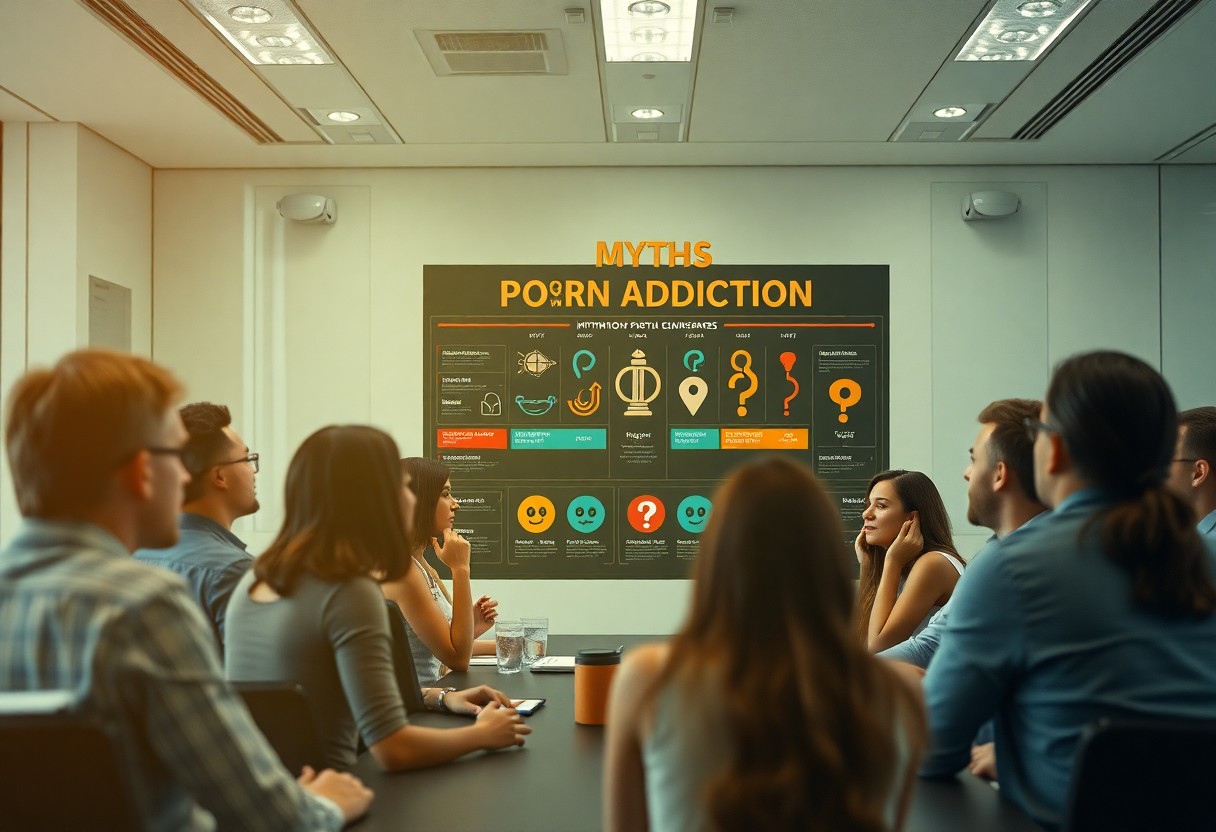
Tag: addiction

  • Porn Addiction: 9 Essential Facts You Must Know

    Porn Addiction: 9 Essential Facts You Must Know

    Start with our signs of porn addiction guide for background.

    It’s important to recognize that helping someone with a porn addiction can be a challenging yet rewarding journey. You may feel overwhelmed, unsure of how to provide the right support.

    In this post, you will discover nine effective tools that can empower you to assist your loved one in overcoming their addiction and fostering healthier habits. With understanding and patience, you can play a vital role in their recovery process.

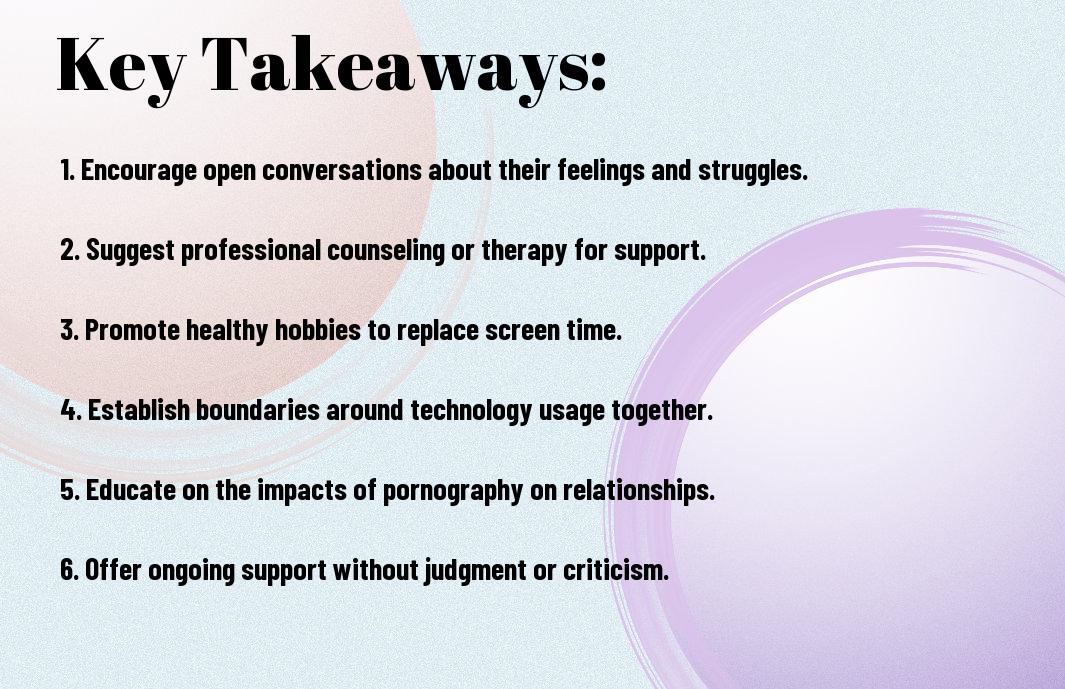
    Key Takeaways:

    • Approach the conversation with empathy and understanding, creating a safe space for open dialogue.
    • Encourage professional help, such as therapy or support groups, to provide the individual with expert guidance.
    • Assist in setting realistic goals and strategies to reduce pornography consumption gradually.
    • Promote healthy alternatives and activities that can replace the time spent on pornography, such as hobbies or physical exercise.
    • Be patient and supportive throughout the recovery journey, acknowledging that setbacks may occur but progress can be made over time.

    Porn Addiction: 9 Essential Facts You Must Know

    Understanding Porn Addiction

    Before plunging into strategies for helping someone with a porn addiction, it’s necessary to understand the nature of this condition. Porn addiction can significantly impact various aspects of life, including relationships, mental health, and overall wellbeing.

    For more insights, you can explore What Is Porn Addiction? | Learn The Signs, Symptoms & ….

    Defining Porn Addiction

    About porn addiction, it is characterized by an overwhelming urge to consume pornographic material despite negative consequences. This compulsive behavior can lead to a loss of control over your sexual impulses and a growing dependency on pornography for arousal and satisfaction.

    Signs and Symptoms

    Signs of porn addiction may include increasing consumption over time, neglecting responsibilities, and feeling distressed when unable to access porn. You might also notice a decreased interest in intimate relationships or real-life sexual experiences.

    Even if you initially believed occasional viewing was harmless, the signs can escalate into problematic behaviors. You may find yourself spending more time on pornography than intended, making attempts to stop without success, or experiencing irritability or anxiety when trying to cut back.

    Recognizing these symptoms is the first step toward addressing the issue effectively.

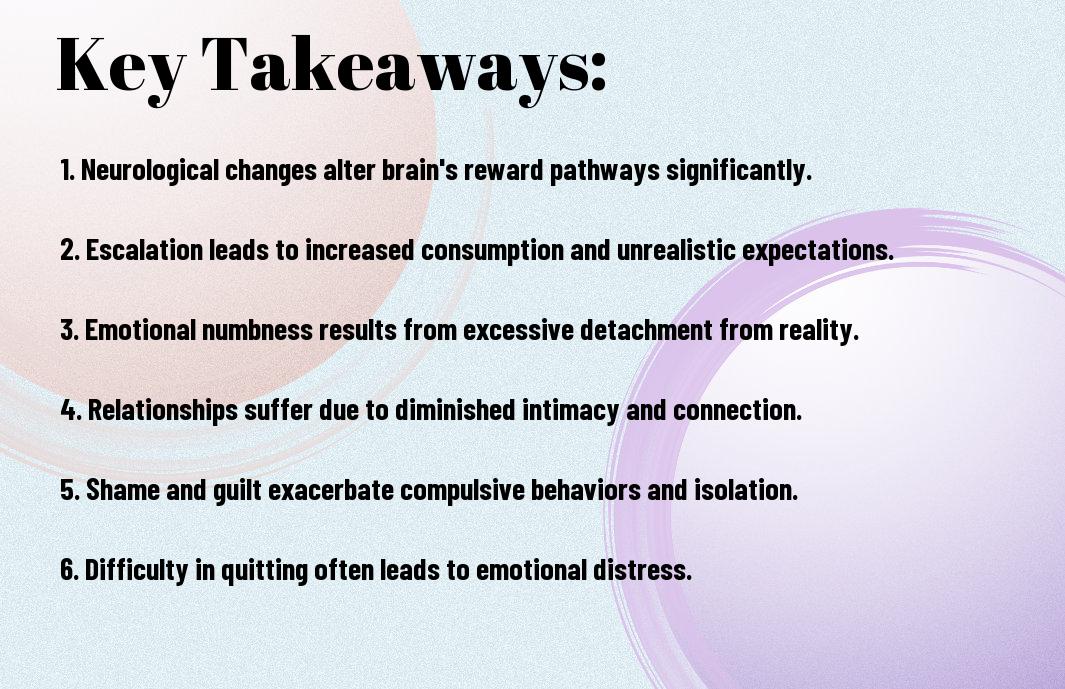
    Porn Addiction: 9 Essential Facts You Must Know — illustration 2

    Approaching the Conversation

    Clearly, initiating a conversation about porn addiction requires sensitivity and careful consideration. You want to create an environment where the person feels safe to share their thoughts and feelings. Avoid using judgmental language and instead approach the topic with empathy and understanding.

    Be honest about your concerns without being confrontational. Setting a calm, private setting for the discussion is paramount to developing trust and a willingness to engage in the conversation.

    Creating a Safe Space

    Below, consider how you can foster a secure and supportive environment for discussion. Ensure privacy by selecting a comfortable place that is free from interruptions, allowing the person to express themselves without fear of being overheard or judged.

    Use open body language, maintain eye contact, and offer your full attention. This will help demonstrate that you value their feelings and opinions, making them more inclined to open up about their struggles.

    Active Listening Techniques

    Between speaking and listening lies the art of active listening, one of your imperative tools in this conversation. This technique involves fully engaging with what the other person is saying while showing empathy and understanding. It’s important to not only hear their words but also to understand the emotions behind them.

    Validate their feelings by repeating back what you’ve heard and asking open-ended questions to encourage deeper exploration of their thoughts. This level of engagement can help the individual feel supported and understood.

    A good practice in active listening is to refrain from interrupting while they express themselves. After they finish speaking, you can paraphrase what you’ve heard to affirm your understanding, such as, “It sounds like you feel overwhelmed by your situation.” This shows you are paying attention and are genuinely interested in their feelings. Additionally, using nonverbal cues like nodding can reinforce that you are engaged.

    Finally, allow moments of silence to give them space to organize their thoughts without pressure. Active listening can significantly enhance your connection and create a pathway for constructive dialogue.

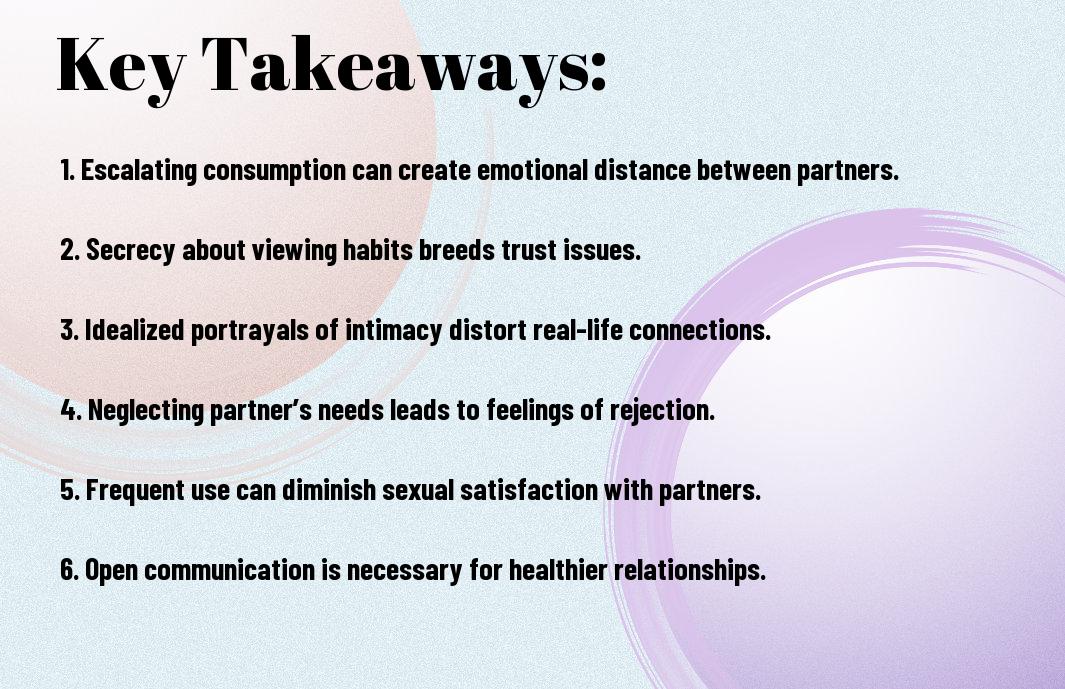
    Porn Addiction: 9 Essential Facts You Must Know — illustration 3

    Encouraging Professional Help

    Many individuals struggling with porn addiction can greatly benefit from professional help. Seeking the guidance of a trained therapist can provide them with imperative coping strategies and a safe space to address underlying issues driving the addiction.

    You can encourage your loved one to explore this option as a vital step toward recovery.

    Types of Therapists

    Many different types of therapists can assist someone battling porn addiction. Consider recommending the following options:

    • Cognitive Behavioral Therapists
    • Licensed Clinical Social Workers
    • Psychologists specializing in sexual health
    • Addiction Counselors
    • Marriage and Family Therapists

    Recognizing the right type of therapist can greatly enhance the healing process.

    Cognitive Behavioral Therapists Focus on changing negative thought patterns.
    Licensed Clinical Social Workers Offer therapeutic support and resources.
    Psychologists specializing in sexual health Address sexual dysfunction and compulsive behaviors.
    Addiction Counselors Specialize in treating various addictions.
    Marriage and Family Therapists Work on relationship dynamics affected by addiction.

    Support Groups and Resources

    About support groups, these gatherings often provide a sense of community and shared experience, which can be incredibly empowering for someone dealing with porn addiction. You can suggest your loved one find groups both in-person and online that focus on sexual addiction recovery.

    Plus, these groups usually offer structured programs, peer support, and accountability. Engaging with others who understand their struggles can help reinforce the commitment to recovery.

    There are also numerous online resources and literature available that provide additional support and guidance on managing porn addiction effectively.

    Providing Emotional Support

    Not addressing the emotional aspects of a porn addiction can create barriers to recovery. It’s important to listen and validate feelings by showing empathy and understanding.

    Your patience is key during this journey. For more guidance on how to effectively support a loved one, visit How to help someone with a porn addiction.

    Building Trust

    An open and honest communication channel is vital for building trust. Share your thoughts and feelings without judgment, so your loved one feels safe to express themselves. This creates an atmosphere where they can be vulnerable and seek help without fear of rejection.

    Managing Relapses

    Providing support during relapses is imperative for long-term recovery. Understand that setbacks are part of the process; they do not mean failure. Offer encouragement and help your loved one analyze what led to the relapse and how to move forward.

    Further, it’s beneficial to have a plan in place for potential triggers and lapses. Encourage your loved one to reflect on their emotions, identify stressors, and establish coping strategies.

    Reinforce that relapse does not erase progress; it’s an opportunity for growth and understanding. Together, you can navigate these challenges with compassion and resilience.

    Setting Healthy Boundaries

    Once again, establishing healthy boundaries is vital in supporting someone with a porn addiction. You need to create a safe environment where both of you feel comfortable discussing feelings and needs.

    Setting these boundaries will help encourage accountability while also protecting your emotional well-being. They should be clear and respectful, allowing for open communication while minimizing potential triggers for relapse.

    Discussing Expectations

    Setting expectations is vital to ensure both you and your loved one understand your roles in the recovery process. By openly discussing what both of you need from each other, you can create a supportive framework that nurtures healing.

    Make sure to outline your personal limits and the changes you hope to see, allowing for honest dialogue about any concerns or fears.

    Monitoring Progress

    By keeping track of progress, you can identify patterns and celebrate recovery milestones together. This can include checking in regularly and discussing achievements, setbacks, and feelings associated with the journey. Open dialogue fosters trust and keeps both of you engaged in the process.

    Hence, actively monitoring progress allows you to adapt your support strategies as needed. It’s important to create a non-judgmental space for discussing any difficulties your loved one faces throughout their recovery.

    Acknowledging these challenges will help you both stay committed to the journey and reinforce positive changes. Tracking any progress made, no matter how small, can greatly enhance motivation and sustain momentum in overcoming addiction.

    Tools for Self-Management

    For individuals coping with porn addiction, self-management tools can play a vital role in recovery. These resources empower you to take control of your habits and behaviors while fostering a supportive environment for change.

    Implementing specific strategies and technologies can enhance your journey towards healing and lead to healthier habits.

    Apps and Technologies

    Along your recovery journey, various apps and technologies can offer support by providing helpful resources for tracking progress, setting goals, and connecting with online communities.

    Many applications are designed specifically for those battling addiction, offering features like journaling, reminders, and motivational content, ensuring you stay focused on your objectives.

    Mindfulness Practices

    Technologies such as meditation apps can facilitate your mindfulness practices, which are imperative for managing cravings and fostering self-awareness.

    Engaging in mindfulness techniques helps you become more attuned to your thoughts and emotions, enabling you to respond to triggers effectively and manage your impulses.

    Considering the integration of mindfulness into your routine can greatly enhance your coping strategies. Simple practices, such as deep breathing, guided meditations, and body scans, can help you cultivate a present-focused mindset.

    Regularly dedicating time to mindfulness can reduce anxiety and improve emotional regulation, making it easier for you to navigate challenging moments during your recovery process.
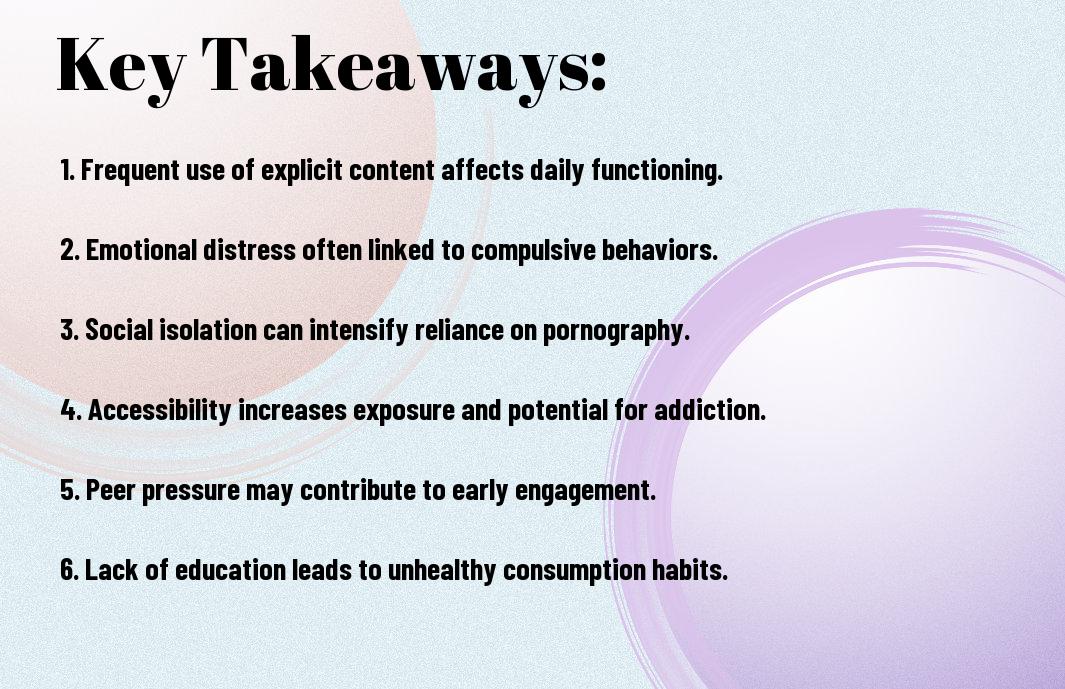
    Porn Addiction: 9 Essential Facts You Must Know — illustration 4

    Summing up

    Conclusively, supporting someone with a porn addiction requires a multifaceted approach that includes open communication, professional help, and practical tools. By engaging in honest conversations, encouraging therapy, and promoting healthier habits, you can empower them on their journey to recovery.

    Utilize resources like support groups, educational materials, and mindfulness techniques to enhance their understanding and coping strategies. Your consistent presence and non-judgmental attitude play a key role in their healing process, ultimately fostering a more positive relationship with themselves and their loved ones.

    FAQ

    Q: What are the signs of a porn addiction?

    A: Signs of porn addiction can include spending excessive time viewing pornographic content, neglecting responsibilities or personal relationships, experiencing withdrawal symptoms when not engaging with porn, and using porn as a way to cope with stress or emotional issues.

    Q: How can I approach someone about their porn addiction?

    A: It is important to create a non-judgmental and supportive environment. Choose a private, comfortable setting to have an open discussion. Express your concern without accusations, and be ready to listen. Offer your support and encourage them to seek professional help if needed.

    Q: What professional help is available for someone with a porn addiction?

    A: Professional help can include therapy with a psychologist or counselor who specializes in sexual addictions. Support groups, such as Sex Addicts Anonymous (SAA), can also provide a sense of community. Online therapy options are available for those who prefer anonymity.

    Q: Can self-help strategies be effective in overcoming porn addiction?

    A: Yes, self-help strategies can be effective. These may involve setting clear goals, limiting access to pornographic material, finding healthy outlets for stress and emotion, and engaging in new hobbies or interests that foster personal growth.

    Q: How important is education on sexual health in addressing porn addiction?

    A: Education on sexual health is very important. Understanding the potential impacts of porn on mental and emotional well-being can help individuals recognize their patterns and make informed decisions. Workshops, online courses, or literature on sexual health can be beneficial.

    Q: What role does communication play in supporting someone with a porn addiction?

    A: Open communication is vital. It helps to foster trust and allows the individual to share their feelings and challenges. Expressing empathy and providing a safe space for discussions can encourage them to seek help and feel less isolated in their struggle.

    Q: How can family and friends maintain their own well-being while supporting someone with a porn addiction?

    A: It is important for family and friends to practice self-care while offering support. This may include setting boundaries, seeking their own support systems (such as therapy or support groups), and ensuring they take time for their own needs.

    Balancing support without sacrificing their own well-being is key.

    Understanding porn addiction is essential for recovery. Many people struggle with porn addiction silently, but recognizing the patterns of porn addiction is the first step toward change.

    Related reading

  • Talking to a Partner About Porn Addiction: Identifying Triggers Together

    Talking to a Partner About Porn Addiction: Identifying Triggers Together

    Start with our signs of porn addiction guide for background.

    There’s a significant impact to consider when supporting a loved one struggling with porn addiction. You may feel uncertain about how to approach this sensitive subject, but it’s important to know that your support can make a difference.

    In this post, you will find three practical templates to help guide your conversations and offer constructive help. If you or someone you know needs immediate assistance, you can contact the National Helpline for Mental Health, Drug, Alcohol Issues for professional guidance.

    Talking to a Partner About Porn Addiction: Identifying Triggers Together

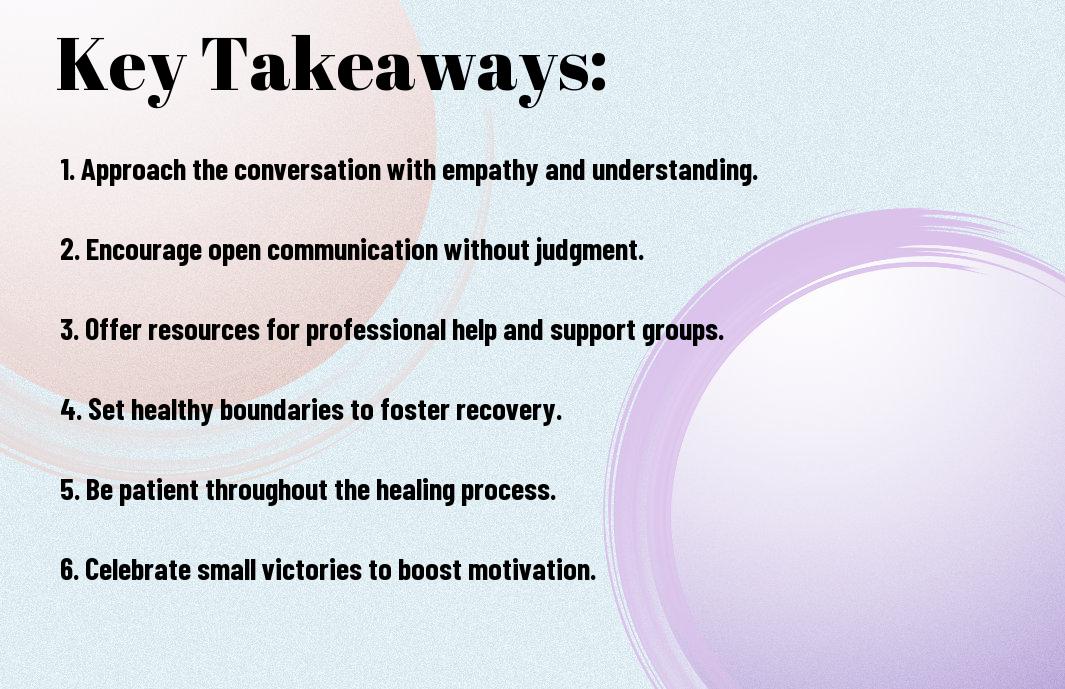
    Key Takeaways:

    • Approach the topic with empathy and understanding, as shame and judgment can hinder progress.
    • Encourage open communication, allowing the individual to express their feelings and struggles without fear of backlash.
    • Suggest professional help if necessary, such as therapy or support groups that specialize in addiction recovery.
    • Offer practical strategies for managing triggers, including creating a plan for avoiding situations that lead to porn use.
    • Be patient and supportive throughout the recovery process, recognizing that overcoming addiction takes time and effort.

    Talking to a Partner About Porn Addiction: Identifying Triggers Together — illustration 2

    Understanding Porn Addiction

    To truly assist someone grappling with a porn addiction, it’s crucial to comprehend the complexities of the condition. Porn addiction manifests when an individual develops a compulsive habit of consuming pornography that interferes with daily life and responsibilities.

    This understanding forms the foundation for providing effective support and guidance.

    Definition and Symptoms

    Across various studies, porn addiction is defined as an excessive and compulsive use of pornography that can lead to significant distress and impairment in various aspects of life.

    Symptoms may include neglecting personal and professional responsibilities, withdrawal from social situations, and experiencing an inability to reduce or control porn consumption despite negative consequences.

    Impact on Mental Health and Relationships

    Across research, the effects of porn addiction on mental health and relationships are substantial and often detrimental. You may notice increased anxiety, depression, and feelings of isolation in yourself or the individual you are trying to help.

    This addiction can also create unrealistic expectations about intimacy, which can harm your personal relationships and hinder emotional connections.

    Due to the nature of porn addiction, individuals often find themselves trapped in a cycle of shame and guilt, further exacerbating mental health issues. This can lead to a withdrawal from intimate relationships, making it challenging to sustain meaningful connections.

    As the addiction progresses, you may witness a decline in self-esteem and overall life satisfaction, affecting not just the individual but also their loved ones. Recognizing these impacts is an important step in providing the necessary support for recovery.

    Creating a Supportive Environment

    Clearly, a supportive environment plays a vital role in helping someone overcome a porn addiction. This means fostering an atmosphere where the individual feels understood and accepted, free from judgment.

    By actively ensuring that they know you are there for them, you can help reduce feelings of isolation, which can often exacerbate their challenges. Your encouragement and empathy can go a long way in motivating them to seek help and make positive changes in their life.

    Open Communication Strategies

    Creating open communication strategies is key to establishing a positive support system. Encourage honest conversations about their feelings and experiences without fear of reprimand.

    Use open-ended questions to facilitate dialogue, which can help them express their thoughts and concerns more freely. Actively listen and validate their emotions, as this can enhance their willingness to share and connect with you.

    Establishing Trust and Safety

    Creating an atmosphere of trust and safety is crucial for supporting someone dealing with porn addiction. To achieve this, prioritize confidentiality and express a non-judgmental attitude, showing that you’re there to help, not criticize. Be reliable and consistent in your support, as this will strengthen their sense of security.

    Additionally, set clear boundaries to prevent any misunderstandings, allowing them to open up without fear. This foundation fosters meaningful and constructive discussions, ultimately promoting their recovery process.

    Identifying Triggers

    Despite your best intentions, understanding the triggers that lead to porn use is necessary for helping someone with a porn addiction. Triggers can include specific feelings, situations, or environments that evoke a desire to engage with pornographic content.

    Encourage the person to reflect on their daily routines and note any patterns that precipitate their urges, as this self-awareness lays the groundwork for developing healthier coping mechanisms.

    Recognizing Behavioral Patterns

    Around the individual’s daily habits and emotional states, there may be predictable behavior patterns associated with their porn use. Identifying these patterns can help you support them in pinpointing when and why they turn to porn, whether it’s due to stress, loneliness, or boredom.

    By documenting these moments, they can gain insight into their actions and the underlying motivations behind them.

    Strategies for Coping with Urges

    Strategies for coping with urges involve developing a personalized plan of action that can help manage cravings whenever they arise. This may include distracting themselves with physical activity, seeking social support from friends or family, or engaging in hobbies that require focus.

    It’s also beneficial to practice mindfulness techniques to enhance awareness of these urges without succumbing to them.

    And cultivating a toolkit of coping strategies allows you to handle cravings more effectively. For instance, when an urge strikes, you might encourage engaging in deep breathing exercises or stepping outside for fresh air.

    Seeking out alternative activities or even setting specific times for digital detox can further enhance their ability to resist these temptations. By fostering self-discipline and developing healthier routines, you can help them move toward a more balanced relationship with lifelong habits.

    Encouraging Professional Help

    Many individuals struggling with porn addiction can benefit significantly from professional help. Encouraging your loved one to seek therapy shows that you care and provides them with an opportunity to explore the underlying issues contributing to their addiction.

    Finding a qualified therapist who specializes in sexual health or addiction is vital, as they can offer the right tools and strategies for recovery. Normalizing seeking help can erode the stigma and foster an environment where they feel supported in their journey toward healing.

    Identifying Suitable Therapies

    On your journey to support a loved one with a porn addiction, identifying suitable therapies is important. Options may include cognitive-behavioral therapy (CBT), group therapy, or specialized rehabilitation programs.

    Researching different therapists and approaches can help you find the best fit for their unique needs, ensuring that they receive effective treatment tailored to their situation. Exploring these options together can empower them to take the necessary steps toward recovery.

    How to Support Therapy Engagement

    Any step taken toward seeking therapy can feel overwhelming, but supporting your loved one’s engagement in their treatment is vital. You can assist them by offering to help locate therapists, attending sessions together if they are comfortable, or simply being there for emotional support.

    Encouragement and validation of their efforts will strengthen their commitment to the therapeutic process. Being proactive in discussing their therapy can create a positive atmosphere around their healing journey.

    Suitable support for therapy engagement goes beyond merely providing encouragement. Regularly check in with your loved one about their therapy experiences and how they feel about the progress they’re making.

    Celebrate small victories and be patient during challenging times. Your empathetic listening and positive reinforcement will make a significant difference in their commitment to therapy and overall healing journey.

    Templates for Communication

    After learning about your loved one’s struggle with pornography addiction, it’s important to approach the situation with care and empathy. Utilize these templates to communicate effectively while providing support.

    Offering guidance is vital, and assistance from professionals is available; check out Porn Addiction Treatments for more resources.

    Template 1: Expressing Concern

    Communication is key when addressing your loved one’s addiction. Begin by expressing your concern in a non-judgmental manner.

    You might say, “I’ve noticed you seem more withdrawn lately and I care about your well-being. I’m here if you want to talk about anything.” This approach opens the door for a conversation without adding pressure.

    Template 2: Encouraging Professional Help

    Around this sensitive topic, it’s vital to encourage your loved one to seek professional help.

    You can gently suggest, “I believe talking to someone who understands these issues could really help you feel better.” Reinforce that seeking assistance is a sign of strength and that it’s vital for long-term recovery.

    Even though the idea of professional help might be daunting, let your loved one know that many people have found success in overcoming similar challenges. Emphasize that therapists and support groups offer a safe space to explore their feelings and gain tools to manage their addiction effectively.

    Template 3: Offering Continued Support

    An vital part of helping someone with a porn addiction is to let them know you are there for them. You can state, “I want you to know I am here for you, no matter what. We can work through this together.” This reassurance can make a significant difference in their recovery journey.

    Another way to show support is by regularly checking in with them, offering to participate in healthy activities together, or providing resources that may help them on their path.

    Your consistent presence can significantly enhance their motivation and diminish feelings of isolation during this challenging time.

    Talking to a Partner About Porn Addiction: Identifying Triggers Together — illustration 3

    Resources for Additional Support

    Now that you understand the importance of supporting someone with a porn addiction, it’s necessary to explore various resources available for additional help.

    These resources can guide you and the individual in need towards healing and recovery, providing invaluable insights and support frameworks that work.

    Books and Articles

    Above all, various books and articles research into the intricacies of porn addiction, offering both theoretical and practical insights. Recommended titles include “Your Brain on Porn” by Gary Wilson and “Out of the Shadows” by Dr.

    Patrick Carnes. These resources will help you understand the addiction better and provide effective strategies for overcoming it.

    Support Groups and Hotlines

    Against the stigma that often surrounds porn addiction, it’s important to know that support groups and hotlines are available for you and the individual struggling. These networks offer a safe space to discuss challenges and experiences, connecting you with others on a similar journey.

    Many groups incorporate structured meetings and professional guidance to ensure comprehensive support.

    Hence, making use of support groups and hotlines can significantly strengthen your efforts. Organizations like Sex Addicts Anonymous (SAA) provide community-based support and regular meetings, while hotlines offer immediate assistance and advice.

    Engaging with these resources can foster a sense of belonging, reduce feelings of isolation, and empower both you and the person seeking help in the recovery process.

    Talking to a Partner About Porn Addiction: Identifying Triggers Together — illustration 4

    Conclusion

    With this in mind, supporting someone with a porn addiction involves empathy, patience, and clear communication. Use the templates provided to open up conversations, encourage healthy habits, and promote professional help when needed.

    Your understanding and commitment can be a significant part of their recovery journey, guiding them towards healthier choices and a more fulfilling life. Trust your instincts, and be there for them as they work through their challenges.

    FAQ

    Q: What are the signs that someone may have a porn addiction?

    A: Signs of porn addiction can vary, but common indicators include excessive time spent watching porn, neglecting responsibilities, feeling distressed about their habits, and experiencing difficulty in real-life sexual situations.

    They might also exhibit secrecy around their online activities and could become irritable when unable to access pornographic material.

    Q: How can I approach someone about their porn addiction without making them defensive?

    A: Approach the topic with compassion and understanding. Choose a relaxed, private setting to have the conversation.

    Use “I” statements to express your concern, such as “I’ve noticed you seem upset sometimes, and I care about you.” This reduces the chance of defensiveness. Be prepared to listen and avoid judgment during the discussion.

    Q: What resources are available for someone struggling with porn addiction?

    A: There are various resources available, including online forums, support groups, and therapy options. Websites like NoFap and YourBrainOnPorn offer community support and information.

    Professional help from therapists who specialize in addiction is also beneficial. Self-help books and programs might also provide useful strategies for recovery.

    Q: Is it helpful to engage in activities together, and what types are recommended?

    A: Yes, engaging in activities together can strengthen bonds and provide a distraction from addictive behaviors. Recommended activities include exercising, exploring new hobbies, volunteering, or attending social events.

    These activities can improve overall well-being and promote healthier habits, creating a more positive environment for change.

    Q: How can I support someone through their recovery process?

    A: Supporting someone through recovery involves being patient and understanding. Offer to check in regularly, help set achievable goals, and celebrate their progress, no matter how small.

    Encourage them to seek professional help, be available for discussions, and refrain from enabling behaviors that may trigger their addiction.

    Q: Should I suggest they seek professional help, and how can I encourage that?

    A: Suggesting professional help can be beneficial, as therapists are trained to handle addictions effectively. To encourage this, express your belief in their ability to overcome the addiction and frame therapy as a positive opportunity for self-improvement.

    Offer to help them find a therapist or accompany them to the first appointment if they are open to it.

    Q: What should I avoid doing when trying to help someone with porn addiction?

    A: It’s important to avoid shaming or blaming the person for their addiction, as this can increase feelings of guilt and isolation. Avoid making ultimatums or demands, as they can lead to defensiveness.

    Instead, focus on supportive communication and expressing your concern for their well-being in a non-judgmental way.

    Understanding porn addiction is essential for recovery. Many people struggle with porn addiction silently, but recognizing the patterns of porn addiction is the first step toward change.

    Understanding porn addiction is essential for recovery. Many people struggle with porn addiction silently, but recognizing the patterns of porn addiction is the first step toward change.

    Understanding porn addiction is essential for recovery. Many people struggle with porn addiction silently, but recognizing the patterns of porn addiction is the first step toward change.
    Related reading

  • Building a Supportive Environment for Porn Addiction Recovery

    Building a Supportive Environment for Porn Addiction Recovery

    Start with our signs of porn addiction guide for background.

    Addiction can take a toll on not only the individual but also their loved ones, especially when it comes to porn. If you have a family member struggling with this addiction, it’s important to know how you can make a difference in their journey toward recovery.

    This blog post provides you with seven effective strategies that you can implement to support your loved one, foster open communication, and create a healthier environment. By understanding these fixes, you can play a pivotal role in helping someone overcome this challenge.

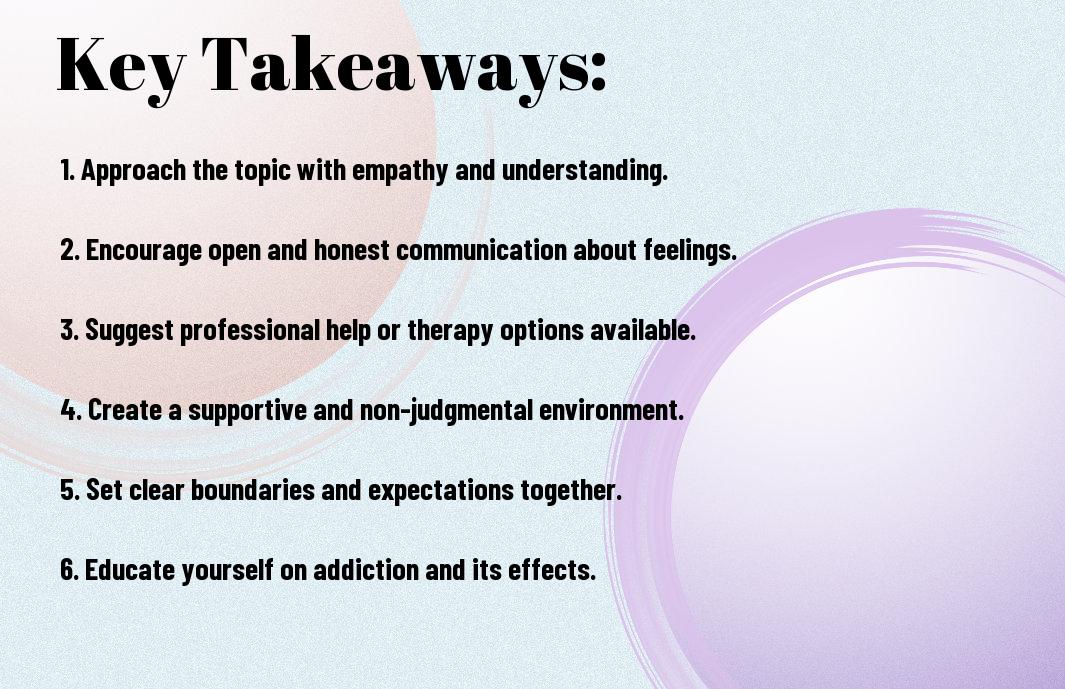
    Key Takeaways:

    • Approach the topic with empathy and understanding, creating a safe space for open dialogue.
    • Encourage the individual to seek professional help, such as therapy or counseling, to address underlying issues.
    • Establish healthy boundaries within the family dynamic to foster accountability and support.
    • Educate yourself and your family about the nature of addiction to better understand the challenges involved.
    • Promote positive activities and hobbies that can replace the time spent on pornography, helping to redirect focus and energy.

    Building a Supportive Environment for Porn Addiction Recovery

    Understanding Porn Addiction

    Before you can effectively support someone with a porn addiction, it’s imperative to understand what it entails. Porn addiction is characterized by compulsive behavior surrounding pornography use, leading to negative consequences in various aspects of life.

    It can disrupt relationships, hinder personal development, and contribute to mental health issues. Understanding the foundations of this addiction empowers you to approach the situation with empathy and informed guidance.

    Defining Porn Addiction

    Across various studies, porn addiction is defined as a dependence on pornography that manifests as an inability to stop viewing it despite a strong desire to do so. This compulsive behavior often leads to emotional distress and impacts daily functionality, resembling other behavioral addictions.

    Recognizing Signs and Symptoms

    Around someone struggling with porn addiction, you may notice certain behaviors indicative of the problem. These can include excessive time spent viewing porn, neglecting responsibilities, social withdrawal, or an increase in secrecy regarding internet usage.

    Further signs can manifest as emotional changes, such as increased anxiety, depression, or irritability when attempting to reduce porn usage. You may also observe shifts in sexual attitudes or expectations, which can affect intimate relationships.

    If you see these patterns, it may serve as an early indication that your loved one is grappling with porn addiction and may benefit from targeted support and intervention.

    Creating a Supportive Environment

    One of the most effective ways to help someone struggling with a porn addiction is by fostering a supportive environment in your home. This means creating a space where they feel safe and understood, promoting healthy behaviors, and encouraging open dialogue.

    Support can come in various forms, including emotional reassurance and practical tools to manage their addiction. Strive to maintain a compassionate atmosphere, free from judgment, which can help them feel more empowered to seek help and confront their challenges.

    Open Communication

    Along your journey to support someone with a porn addiction, open communication is vital. It’s important to regularly check in with them, allowing them to express their feelings and struggles without fear of being judged.

    Approach these conversations with empathy and understanding. By fostering an environment where they feel comfortable speaking openly about their experiences, you empower them to face their addiction candidly and take proactive steps toward recovery.

    Establishing Healthy Boundaries

    With clear and healthy boundaries, you can create a framework that promotes accountability and safety for both you and your loved one. Defining what behaviors are acceptable can help both parties understand limitations and expectations.

    It’s vital to communicate these boundaries clearly and consistently while also allowing space for negotiation as both of you navigate this complex issue together.

    For instance, you might establish specific times for discussions about their recovery while defining durations for personal space or focusing on shared activities. This prevents the conversation from dominating your interactions and allows for moments of normalcy.

    Boundaries can also encompass internet usage limits or agreeing on what types of media are suitable to consume. The goal is to create a balance that supports recovery without fostering feelings of isolation or resentment.

    Encouraging Professional Help

    Many people struggling with a porn addiction may benefit from professional help. Encouraging your loved one to seek assistance can be a significant step towards recovery.

    Sometimes, individuals may feel hesitant, so it is crucial for you to provide support and understanding as they consider this option. By discussing the potential benefits of therapy or support groups, you can help your loved one feel more at ease about seeking the help they need.

    Therapy Options

    For those battling porn addiction, therapy can be an effective solution. Individual therapy allows your loved one to explore their feelings and behaviors in a safe environment, while cognitive-behavioral therapy can help them identify and change negative thought patterns related to their addiction.

    Working with a qualified therapist can empower them to develop healthier coping strategies and improve their emotional well-being.

    Support Groups

    After considering therapy, support groups can also play a vital role in your loved one’s recovery journey. These groups provide a safe space for individuals to share their experiences and learn from others who face similar challenges.

    By connecting with others in a supportive environment, your loved one can gain valuable insights, encouragement, and motivation to overcome their addiction.

    Help is often found in the collective experiences shared within support groups. Individuals can relate to one another’s struggles, fostering a sense of belonging that can be incredibly beneficial.

    Many groups also provide resources, tools, and accountability, helping participants stay motivated on their recovery path. Encourage your loved one to attend sessions regularly, as consistency can significantly enhance the effectiveness of the support they receive.

    Building a Supportive Environment for Porn Addiction Recovery — illustration 2

    Promoting Healthy Habits

    To support someone with a porn addiction, it’s important to promote habits that encourage a healthier lifestyle. This involves fostering a balanced routine that includes physical activity, social engagement, and hobbies that can help divert attention away from harmful behaviors.

    Encourage open conversations about emotions and experiences, as being able to express themselves can greatly reduce the urge to fall back into old patterns. Building a supportive environment at home reinforces the commitment to recovery and helps in establishing a new, healthier normal.

    Limiting Triggers

    Against distractions that fuel urges, it’s imperative to identify and limit exposure to triggers. This may include monitoring internet usage, using privacy filters or tools that block adult content, and creating a safe online environment.

    Engage in discussions about the specific situations or feelings that lead to cravings, so you can work together to avoid or cope with these triggers effectively. Awareness can significantly reduce the chances of relapse.

    Encouraging Replacements

    Across your efforts to help, substituting unhealthy behaviors with positive alternatives can be very effective. Explore new activities that your loved one enjoys, such as sports or creative hobbies, that can serve as fulfilling replacements for viewing pornography.

    Encourage them to develop interests that nurture their skills and passions, which can help shift focus away from addictive behaviors and toward constructive engagement with life.

    Understanding the need for replacements is vital in the journey toward recovery. By identifying new interests or hobbies, you can help your loved one cultivate a lifestyle that significantly reduces their reliance on pornography.

    Activities such as exercising, learning a musical instrument, or volunteering can provide a sense of purpose and fulfillment, restoring confidence and self-worth. These positive engagements not only distract from old habits but also contribute to emotional and mental well-being, reinforcing the importance of finding joy outside of addiction.

    Building a Supportive Environment for Porn Addiction Recovery — illustration 3

    Educating on Internet Safety

    All families play a vital role in fostering a safe online environment. By educating yourself and your loved ones about the potential pitfalls of internet use, you create a culture of awareness and responsibility.

    Discussing the difference between healthy and unhealthy content can help clarify boundaries, making it easier for everyone to navigate the digital world. Encourage open communication so that your family feels comfortable discussing their online experiences without fear of judgment.

    Tools and Software

    Alongside education, utilizing appropriate tools can significantly enhance internet safety. There are various software options available that can help monitor and restrict access to inappropriate content.

    These programs allow you to set customized filters, ensuring a healthier online experience for your loved ones. By selecting tools that align with your family’s values and needs, you contribute to a safer internet environment.

    Setting Up Parental Controls

    Along with educational efforts, setting up parental controls is an effective step toward protecting your family online. Parental controls allow you to restrict access to certain websites or types of content, helping manage what your family sees and engages with.

    Make this a collaborative effort by involving your family in the discussion about which restrictions to implement, fostering a sense of ownership and understanding.

    Setting up parental controls is a straightforward process that can have lasting benefits. Depending on your internet service provider, software, or devices, you can customize settings to block specific websites, limit screen time, or monitor online activity.

    Begin by exploring the options available on your devices and engaging your family in creating a balanced approach to internet use that suits everyone’s needs.

    Fostering Resilience and Recovery

    Now, fostering resilience and recovery in someone struggling with a porn addiction requires patience and understanding. You can support their journey by recognizing the importance of self-care, therapy, and healthy coping strategies.

    Encourage them to seek professional help and consider exploring resources like How To Help Someone with A Porn Addiction for guidance. Creating an environment that nurtures growth and open communication is vital for lasting change.

    Celebrating Progress

    With every step toward recovery, it’s important to celebrate milestones, no matter how small. Acknowledging positive changes in their behavior helps build confidence and motivates further progress.

    Encourage them to recognize their efforts and achievements, reinforcing that recovery is a journey filled with ups and downs.

    Building a Support Network

    On the road to recovery, building a support network can significantly enhance your loved one’s chances of overcoming their addiction. Connecting them with friends, family members, or support groups fosters a sense of community and belonging.

    Understanding the importance of a strong support network is vital for someone battling addiction. You can actively participate by introducing them to local or online support groups where they can share experiences and gain insights from others who have faced similar challenges.

    Engaging in open conversations with trusted individuals creates a safe space for your loved one, reinforcing the belief that they are not alone in their recovery efforts.

    Building a Supportive Environment for Porn Addiction Recovery — illustration 4

    To wrap up

    Presently, acknowledging and addressing a loved one’s porn addiction can be challenging but rewarding. By employing these seven strategies, you can cultivate understanding, support healthy communication, and encourage professional help. Your involvement can significantly impact their journey toward recovery.

    For further insights and guidance, consider exploring How to Help Someone with a Porn Addiction. Your commitment to their well-being is an important step in promoting healing and restoration in your relationship.

    FAQ

    Q: What are the signs of porn addiction?

    A: Signs of porn addiction may include excessive viewing of pornographic material, neglecting responsibilities or relationships, experiencing feelings of guilt or shame after viewing, and using porn as a coping mechanism for stress or emotional issues.

    Q: How can I approach someone about their porn addiction?

    A: When approaching someone about their addiction, choose a calm setting and time for the conversation. Use “I” statements to express your concern, such as “I feel worried about how this affects you.” Avoid accusations and focus on your desire to support and understand them.

    Q: What specific steps can families take to support a loved one with a porn addiction?

    A: Families can provide support by encouraging open communication, educating themselves about addiction, setting healthy boundaries, and seeking professional help together. Creating a safe space for discussions about feelings and struggles can also be beneficial.

    Q: Are there any resources or programs available for families dealing with porn addiction?

    A: Yes, numerous resources are available, including support groups like Sex Addicts Anonymous (SAA), family therapy sessions, and online resources that focus on understanding porn addiction and providing coping strategies for affected families.

    Q: How can open communication impact recovery from porn addiction?

    A: Open communication helps to build trust and understanding in the relationship. It allows for the sharing of feelings, frustrations, and progress, which can foster a supportive environment that encourages the individual to seek help and stay committed to recovery.

    Q: Should I suggest therapy or counseling for my loved one struggling with porn addiction?

    A: Suggesting therapy can be a positive step, as professional help offers a safe space for the individual to explore their addiction, triggers, and underlying emotional issues. Encourage them to consider therapy as a constructive option rather than a punishment.

    Q: How can I take care of my own well-being while supporting someone with a porn addiction?

    A: It’s vital to prioritize self-care by setting boundaries, seeking support for yourself (such as joining a support group or talking to a therapist), and maintaining your own hobbies and interests. Taking care of your emotional needs will enable you to provide better support for your loved one.

    Understanding porn addiction is essential for recovery. Many people struggle with porn addiction silently, but recognizing the patterns of porn addiction is the first step toward change.

    Understanding porn addiction is essential for recovery. Many people struggle with porn addiction silently, but recognizing the patterns of porn addiction is the first step toward change.

    Related reading

  • Helping Someone With Porn Addiction: The Open Communication Guide

    Helping Someone With Porn Addiction: The Open Communication Guide

    Start with our signs of porn addiction guide for background.

    Just as you would support a friend facing any challenge, helping someone with a porn addiction requires understanding and empathy. Porn addiction can deeply affect relationships and emotional well-being, making it vital to approach the situation with care.

    In this guide, you will discover 13 practical tips that empower you to assist your friend through their journey toward recovery while maintaining your own well-being. By offering your support, you can foster a positive environment that encourages healthier habits and open communication.

    Helping Someone With Porn Addiction: The Open Communication Guide

    Key Takeaways:

    • Offer your support without judgment, creating a safe space where the person can openly discuss their feelings and challenges.
    • Encourage healthy habits and activities that can replace pornography consumption, such as engaging in sports, hobbies, or social events.
    • Help them explore counseling or therapy options, which can provide professional guidance and strategies to combat the addiction.
    • Promote open communication about their progress, setbacks, and emotional triggers to foster trust and accountability.
    • Be patient and understanding throughout their journey, recognizing that recovery from addiction often takes time and effort.

    Helping Someone With Porn Addiction: The Open Communication Guide — illustration 2

    Understanding Porn Addiction

    To help someone dealing with a porn addiction, it’s necessary to understand what it is and how it affects their life. Porn addiction is not just about excessive viewing of adult content; it can disrupt personal relationships, impair daily functioning, and lead to feelings of shame or guilt.

    Being informed about the nature of this addiction allows you to provide meaningful support and guidance during their recovery journey.

    What is Porn Addiction?

    Above all, porn addiction refers to the compulsive consumption of pornography that can negatively impact important areas of life, such as relationships, work, and emotional well-being.

    It often involves an inability to control usage, despite negative consequences, ultimately leading to a dependence on explicit material for gratification.

    Signs and Symptoms

    Symptoms of porn addiction manifest in various ways, often affecting your mental and emotional state. Common signs include a preoccupation with pornography, escalating consumption to achieve the same level of satisfaction, and withdrawal symptoms when trying to stop.

    You may also notice a decline in real-life intimacy and an inclination to isolate yourself due to feelings of shame.

    Understanding the signs and symptoms is necessary for recognizing porn addiction in someone you care about. Look for patterns such as increased secrecy, spending excessive time on devices, and neglecting responsibilities or relationships.

    Pay attention to emotional changes, like anxiety or irritability, when discussing the subject. Addressing these signals early can open the door to helpful conversations and support.

    The Role of Open Communication

    The importance of open communication cannot be understated when assisting someone with a porn addiction. Encourage honest dialogue about their feelings, experiences, and challenges. This establishes trust and fosters a supportive environment.

    If they struggle to cope, you can direct them to the National Helpline for Mental Health, Drug, Alcohol Issues for additional support and resources. Creating a space where they feel heard can significantly aid in their recovery journey.

    Creating a Safe Space

    Open communication thrives in a safe space where individuals feel free to express themselves without fear of judgement. Make it clear that your conversations are confidential, and show empathy towards their struggles.

    By assuring them of your support, they may feel more comfortable sharing their thoughts and feelings openly. It’s important to approach sensitive topics with care and understanding, inviting dialogue over accusations.

    Active Listening Techniques

    Around your discussions, active listening is an vital skill that reinforces open communication. This means not only hearing their words but also understanding the emotions behind them.

    It involves nodding affirmatively, maintaining eye contact, and providing affirmative responses that show you are engaged. Try to paraphrase what they say to confirm your understanding, and allow them to express themselves fully before offering advice or solutions.

    Communication should focus on validating their feelings and experiences. Avoid interrupting or jumping to conclusions, as this can shut down the conversation.

    Ask open-ended questions that encourage them to elaborate on their thoughts. For example, you might say, “Can you tell me more about what you’re feeling?” This approach demonstrates your genuine interest in their well-being, helping them feel valued and understood as they navigate their addiction.

    Educating Yourself and Others

    Keep in mind that understanding pornography addiction involves learning about its effects and implications. By educating yourself, you can better support those struggling with addiction and foster healthy discussions among peers.

    Knowledge empowers you to share insights and serve as a reliable source of information, breaking down stigma and helping others realize it’s a common issue that can be addressed with compassion and awareness.

    Resources and Literature

    To find valuable resources, look for books, articles, and research studies that address porn addiction and its impact. Online platforms, forums, and support groups can also offer continued education and perspectives from those who have experienced similar challenges.

    Exploring resources helps you gain a comprehensive understanding, equipping you to engage effectively with those in need.

    The Importance of Awareness

    One major aspect of helping someone with a porn addiction is raising awareness about its effects and implications. Understanding that this addiction can impact relationships, mental health, and self-esteem highlights its severity.

    It also allows you to empathize with those affected and offer the right support.

    And as you promote awareness, you also inspire open conversations about the issue, creating a supportive environment for those who may feel isolated in their struggles. Discussing the ramifications of porn addiction helps to lessen stigma and encourages individuals to seek help.

    By fostering awareness, you can lead to greater understanding and ultimately contribute to healthier behaviors and choices within your peer group.

    Encouraging Healthy Habits

    Many individuals struggling with a porn addiction can benefit from developing healthy habits that shift their focus to constructive activities. You can play a significant role in this journey by promoting positive lifestyle changes.

    Encourage them to explore resources like Helping Kids with Pornography Addiction, which offers guidance and strategies to foster healthier ways of thinking and acting.

    Hobbies and Interests

    Healthy habits often start with discovering new hobbies and interests. Encourage them to engage in activities that inspire them and fuel their creativity, such as painting, writing, or playing a musical instrument.

    Finding something they are passionate about can redirect their focus away from unhealthy behaviors and promote self-expression.

    Physical Activity and Well-being

    An active lifestyle can significantly enhance physical and mental well-being, aiding in the recovery from porn addiction. Physical activity releases endorphins that elevate mood and reduce stress, thus providing a positive substitute for addictive behaviors.

    Encourage them to partake in regular exercises, whether through sports, walking, or even dance, as this can contribute to a healthier mindset.

    At this stage, consider integrating physical activity into their daily routines. Suggest setting achievable fitness goals or participating in group activities that foster social connections, as these can strengthen their resolve and motivation.

    Encouraging consistent exercise not only improves physical health but also helps build a strong support network, making the journey away from addiction more manageable and enjoyable.

    Helping Someone With Porn Addiction: The Open Communication Guide — illustration 3

    Setting Boundaries

    Your ability to help someone with a porn addiction significantly improves when you create clear boundaries. Discussing what is acceptable and what isn’t establishes a safe space for open communication.

    Be honest about your feelings while also encouraging them to voice their struggles. Consistent boundaries not only protect your relationship but also foster accountability in their journey toward healing.

    Digital Device Management

    About managing digital devices, you can suggest implementing parental controls, filtering software, or app restrictions to limit access to inappropriate content. Encourage an awareness of how often devices are used and what triggers the urge to engage with pornographic material.

    This management can help reinforce healthy habits while providing necessary support in recovery.

    Establishing Healthy Limits

    Around setting healthy limits, focus on creating a structured environment that promotes positive activities. Discuss alternative hobbies or interests they can engage in during their free time, which can divert their attention from unhealthy behaviors.

    Encourage them to identify potential triggers and establish parameters that minimize those challenges, such as time limits on screen usage.

    For instance, if they often find themselves watching porn late at night, having a designated “no devices” rule after a certain hour can be beneficial. Encourage them to replace that time with engaging activities.

    You might suggest joining clubs, spending time with friends, or picking up new hobbies. These changes not only address potential triggers but also enrich their lives with healthier choices.

    Seeking Professional Help

    After recognizing the impact of porn addiction on your life or the life of someone you care about, seeking professional help is a vital step. Mental health professionals can provide guidance, support, and effective treatment options tailored to individual needs.

    This approach fosters a safe space for sharing experiences and learning healthy coping mechanisms. It’s important to understand that seeking help is a sign of strength and an imperative part of recovery.

    When to Get Help

    Beside noticing behavioral changes or feelings of distress, it’s time to seek help when porn use starts to interfere with daily life, relationships, or your emotional health.

    If withdrawal symptoms arise when trying to cut back or if there’s an increased desire for intense content, these are additional signals that professional support is needed.

    Types of Professional Support

    When considering professional help, you may explore various types of support tailored to addiction recovery:

    • Therapy (individual or group)
    • Support groups
    • Online counseling services
    • Workshops or seminars
    • Psychiatric consultations

    Thou can choose what best fits your comfort level and needs.

    Support Group Peer-led meetings to share experiences
    Individual Therapy One-on-one sessions with a therapist
    Online Counseling Remote meetings via video chat
    Psychiatric Help Consulting with a psychiatrist for medication
    Workshops Educational sessions focused on addiction

    It’s important to explore the types of professional support available to you, as each offers unique benefits that cater to your needs.

    Engaging with a support group can connect you with individuals who share similar challenges, while individual therapy provides a personalized approach to your recovery.

    • Therapist roles
    • Group interactions
    • Structured programs
    • Supportive environments
    • Resource sharing

    Thou should assess which option resonates most with you for effective healing and growth.

    Group Therapy Facilitated discussions on shared issues
    Family Counseling Involves loved ones for support
    Cognitive Behavioral Therapy Strategies to change harmful thinking
    Educational Workshops Focus on understanding addiction
    Integrative Approaches Mix of therapeutic techniques

    Conclusion

    Summing up, supporting a friend with a porn addiction requires a compassionate approach and practical strategies. You can help them by encouraging open dialogue, suggesting professional help, and being patient throughout their journey.

    It’s imperative to create a safe space where they feel comfortable discussing their struggles, while also setting healthy boundaries for yourself. By following these tips, you can play an important role in their recovery, fostering a supportive environment that promotes healing and self-discovery.

    FAQ

    Q: What are some signs that a friend might be struggling with a porn addiction?

    A: Signs that someone may have a porn addiction can include excessive time spent viewing pornography, neglecting responsibilities or relationships, feeling distressed or anxious when unable to access porn, and using porn as a primary source of sexual gratification.

    They may also express feelings of shame or guilt about their habits but find it hard to stop.

    Q: How can I approach my friend about their porn addiction without making them feel judged?

    A: Approach the conversation with empathy and understanding. Start by expressing your concern for their well-being and let them know you care about them as a person.

    Use “I” statements, such as “I’ve noticed you’ve seemed a bit off lately,” instead of accusatory “you” statements. Create a safe space for them to share their feelings without fear of judgment.

    Q: What are some practical tips I can suggest to my friend to manage their addiction?

    A: Encourage your friend to identify triggers that lead to porn use and develop strategies to avoid them. Suggest replacing porn use with healthier activities, like exercising, reading, or engaging in hobbies.

    Discuss setting limits on internet usage, and consider recommending tools like website blockers. Additionally, encourage them to explore mindfulness practices or journaling to process their feelings.

    Q: Should I help my friend seek professional help for their addiction?

    A: Yes, if your friend is open to the idea, encourage them to seek professional help. This can be in the form of therapy, support groups, or counseling.

    Offer to help them research appropriate resources or attend a session with them if they request support. Professional guidance can provide them with the tools they need to navigate their challenges effectively.

    Q: How can I support my friend emotionally without becoming overwhelmed myself?

    A: It’s important to set personal boundaries when supporting someone. Make sure to take time for yourself and engage in self-care practices. Check in regularly, but don’t feel obligated to be their sole support system.

    Encourage them to reach out to others and seek professional help. Be honest about your own feelings and schedule time to process your emotions separately.

    Q: What role does peer pressure play in porn addiction among teens?

    A: Peer pressure can significantly impact a teen’s relationship with pornography. Teens may feel compelled to view porn to fit in or meet perceived social expectations.

    It’s imperative to discuss healthy relationships with peers and set firm boundaries regarding influences. Creating a supportive environment where discussions about sexual health and well-being are encouraged can help mitigate these pressures.

    Q: How can my friend and I foster a healthy relationship with sexuality and intimacy?

    A: Open conversations about sexuality, consent, and relationships are vital. Discuss values around intimacy and what healthy relationships look like.

    Encourage mutual respect, communication, and understanding in relationships. Engaging in educational resources together about the impact of unrealistic portrayals in porn can help both of you develop a healthier perception of sexuality and intimacy.

    Understanding porn addiction is essential for recovery. Many people struggle with porn addiction silently, but recognizing the patterns of porn addiction is the first step toward change.

    Understanding porn addiction is essential for recovery. Many people struggle with porn addiction silently, but recognizing the patterns of porn addiction is the first step toward change.

    Understanding porn addiction is essential for recovery. Many people struggle with porn addiction silently, but recognizing the patterns of porn addiction is the first step toward change.
    Related reading

  • 6 Warning Signs of Porn Addiction (Symptom Checklist)

    6 Warning Signs of Porn Addiction (Symptom Checklist)

    Start with our signs of porn addiction guide for background.

    Over time, many individuals may experience a decline in their emotional and physical well-being due to excessive pornography consumption. This blog post sheds light on six key symptoms associated with porn addiction, helping you identify signs that could be affecting your life.

    By understanding these symptoms, you can take steps towards healthier habits and relationships, ultimately empowering you to regain control over your choices and well-being.

    6 Warning Signs of Porn Addiction (Symptom Checklist)

    Key Takeaways:

    • Understanding the six symptoms linked to porn addiction can aid in recognizing the severity of the issue.
    • Increased tolerance, where individuals require more explicit content over time, is a common indicator of addiction.
    • Withdrawal symptoms may surface when access to pornography is restricted, showcasing the compulsive nature of the behavior.
    • Impact on relationships, whether through decreased intimacy or reliance on porn rather than genuine connections, often signifies an addiction.
    • Emotional distress, including feelings of shame or anxiety surrounding porn use, is a key symptom that highlights the negative effects of addiction on mental health.

    6 Warning Signs of Porn Addiction (Symptom Checklist) — illustration 2

    Understanding Porn Addiction

    The relationship you have with pornography can significantly affect various aspects of your life. Understanding porn addiction is key to recognizing its symptoms and addressing them effectively.

    For insight into the 6 Signs of Porn Addiction, it is imperative to explore its implications on your mental health and relationships.

    Definition of Porn Addiction

    Around the world, porn addiction is characterized by compulsive behavior towards pornography, leading to negative effects on your life, including emotional distress and relationship issues. It often becomes a priority, overshadowing other imperative activities or responsibilities.

    Prevalence and Impact

    Understanding the prevalence of porn addiction helps you gauge its impact on individuals and society. It’s increasingly recognized as a significant concern, affecting people across various demographics, and can lead to issues like decreased productivity, poor mental health, and relationship strain.

    Also, studies indicate that a growing number of people acknowledge their struggles with pornography, highlighting how pervasive this issue has become. Increased access to online pornographic materials has escalated rates of addiction, particularly among younger individuals who may not fully understand the long-term consequences.

    This trend can contribute to unrealistic expectations about sexuality and intimacy, further complicating personal relationships.

    Symptom 1: Compulsive Behavior

    While many individuals believe they can manage their porn consumption, compulsive behavior often reveals itself in the form of repeated viewing despite negative consequences. This behavior can interfere with daily activities, relationships, and obligations, indicating a deeper struggle with addiction.

    Understanding this symptom helps you recognize when your use may have transformed from casual to compulsive, prompting the need for change.

    Patterns of Use

    Across various studies, patterns of porn consumption among those struggling with addiction often reveal a repetitive cycle. You may find yourself gravitating towards specific genres or sites, and these habits can become predictable.

    This pattern not only reflects a lack of variety in your viewing choices but can also indicate an escalating reliance on porn as a coping mechanism, further fostering compulsive behavior.

    Loss of Control

    On many occasions, you may feel as though your porn use is no longer in your control, regardless of your initial intentions. You might tell yourself you will limit your viewing time, but it can easily spiral into extended sessions that detract from your daily life.

    Symptom loss of control underscores the difficulty you face in moderating your porn usage. Despite your best intentions, you may frequently break your own limits or find yourself returning to porn even when you want to stop.

    This lack of self-regulation can create feelings of guilt and shame, fueling the addiction cycle and making it even harder to address the issue head-on.

    6 Warning Signs of Porn Addiction (Symptom Checklist) — illustration 3

    Symptom 2: Escalation of Content

    Noticing an inclination toward more explicit or extreme content is a key indicator of developing porn addiction. As you consume more material, you may find that standard or previously appealing content no longer satisfies your urges.

    This growing need for heightened stimulation can lead to a dangerous cycle, causing you to seek out even more intense experiences to achieve the same level of excitement.

    Seeking More Extreme Material

    By continually yearning for content that pushes boundaries, you might find yourself exploring areas that you once deemed off-limits. This escalation can significantly alter the range of subjects you engage with, drawing you into more extreme or niche categories that may not align with your values.

    Changes in Preferences

    Among the most unsettling trends linked to porn addiction are changes in your sexual preferences. The habitual exposure to specific types of content can reshape what you find appealing, potentially altering your real-life interactions and relationships in ways that are unrecognizable.

    More than just a shift in interests, these changes can manifest in profound ways, affecting both your desires and expectations in intimate situations. As you become accustomed to the more exaggerated portrayals of sex depicted in pornography, your natural inclinations may be overshadowed by unrealistic standards that fail to resonate with genuine human connection.

    This shift can lead to dissatisfaction in your personal life, as real experiences may seem less exciting or fulfilling compared to the artificial scenarios you’ve grown accustomed to.

    Symptom 3: Emotional Dysregulation

    Many individuals struggling with porn addiction experience emotional dysregulation, which can manifest as difficulty managing your emotions and reacting more intensely to stressors.

    This inability to maintain emotional balance can lead to mood swings, irritability, and overwhelming feelings that make it hard for you to cope effectively with everyday challenges.

    Connection to Anxiety and Depression

    Below the surface, emotional dysregulation often creates a direct link to anxiety and depression. When your emotions feel out of control, it’s common to seek out instant gratification through porn, exacerbating the cycle of negative feelings.

    Such avoidance can ultimately amplify feelings of anxiety and depression, making it increasingly difficult to break free from these patterns.

    Effects on Relationships

    On a relational level, emotional dysregulation can severely impact your interactions with others. When you struggle with managing your emotions, you may find it challenging to communicate effectively, leading to misunderstandings and conflicts with friends, family, or partners.

    Emotional dysregulation can cause you to overreact or withdraw from loved ones, creating distance in your relationships. As you navigate through the highs and lows of your emotional state, the lack of emotional stability may prevent you from forming deep, meaningful connections.

    This isolation can become a vicious cycle, where your dependence on porn serves as a coping mechanism, further straining your ability to connect with those around you.

    Symptom 4: Social Withdrawal

    Keep in mind that social withdrawal is a common symptom of porn addiction. This behavior often manifests as a desire to avoid interactions with friends, family, and loved ones, leading to feelings of loneliness and isolation.

    Over time, your connections may weaken, as you find yourself turning to porn rather than engaging in healthy relationships.

    Isolation from Friends and Family

    Isolation can become a pattern in your life when addiction takes hold. You may start to decline invitations, skip gatherings, or disengage from conversations.

    As you sink deeper into your addiction, you might convince yourself that you prefer solitude, but this can take a significant toll on your emotional well-being.

    Neglecting Responsibilities

    From daily tasks to work obligations, neglecting responsibilities can become part of your routine when dealing with porn addiction. It’s easy to prioritize your habits over critical duties, which can lead to setbacks in your personal and professional life.

    As time passes, you may find yourself overwhelmed with unfinished tasks and a growing sense of stress.

    Social interactions often take a backseat when you are caught in the cycle of porn addiction. You might miss important appointments, overlook social commitments, or fail to fulfill work responsibilities.

    This neglect can create a chain reaction—your relationships may suffer, your job performance may decline, and you may experience increased anxiety. Understanding how these neglected responsibilities impact your life can motivate you to seek help and regain control.

    Symptom 5: Distorted Views on Sex

    Now, if you find your understanding of sex heavily influenced by pornography, you may be experiencing a distortion of reality that can lead to problematic relationships. This distortion often creates unrealistic expectations about partners and sexual experiences, which can diminish your satisfaction.

    For more insights, check out Porn Addiction: 11+ Key Signs, Symptoms, and Lasting Effects.

    Unrealistic Expectations

    With continued exposure to unrealistic portrayals of sex, you might begin to adopt expectations that are unattainable in real-life situations. This can lead to feelings of disappointment and inadequacy in your intimate experiences, fostering a cycle of dissatisfaction.

    Impact on Intimacy

    Above all, the influence of distorted views on sex can severely impact your ability to connect with partners on an intimate level. The unrealistic expectations may create barriers to genuine emotional connections, ultimately affecting your overall relationship satisfaction.

    And as your intimacy suffers, you may find it increasingly challenging to communicate openly with your partner or cultivate emotional closeness.

    This disconnect can lead to further reliance on pornographic material for sexual gratification, creating a vicious cycle that undermines the foundation of healthy relationships.

    Symptom 6: Physical Side Effects

    Once again, the impact of porn addiction extends beyond mental health, revealing tangible physical side effects. You may notice changes in your body, such as fatigue, weight fluctuations, or even symptoms of sexual dysfunction.

    These physical manifestations can serve as a wake-up call, indicating a disconnect between your consumption of pornography and your overall well-being.

    Effects on Sexual Health

    For many, porn addiction can lead to a range of sexual health issues, including erectile dysfunction and decreased libido. You might find that your arousal is significantly influenced by pornographic material, which can detract from the physical intimacy with your partner.

    This disconnect can create unrealistic expectations, making real-life sexual experiences less satisfying.

    Impact on Daily Life

    On a broader scale, the effects of porn addiction can permeate into various aspects of your daily life. You may find that your productivity at work or school declines, as time spent consuming porn can take precedence over important tasks.

    This compulsive behavior can lead to increased isolation and strained relationships with friends and family.

    Another consequence of porn addiction impacting your daily life is the decline in your overall quality of life. You might notice that you spend more time on screens rather than engaging in meaningful activities, which can lead to missed opportunities for personal development or social interaction.

    This cycle of withdrawal can exacerbate feelings of loneliness and despair, further hindering your ability to engage in fulfilling relationships and activities.

    Conclusion

    To wrap up, understanding the six symptoms linked to porn addiction can significantly enhance your awareness of this issue. By recognizing changes in your behavior, emotions, or relationships, you empower yourself to take action towards healthier habits.

    If you find these symptoms resonate with your experiences, seeking support may be beneficial. Addressing porn addiction is important for your overall well-being and personal development, paving the way for a more fulfilling life.

    FAQ

    Q: What are the common symptoms associated with porn addiction?

    A: Common symptoms linked to porn addiction include increased tolerance, withdrawal symptoms, loss of interest in real-life sexual experiences, preoccupation with porn, neglect of work or responsibilities, and negative impacts on relationships.

    These symptoms indicate that an individual may be struggling with compulsive pornography use.

    Q: How does increased tolerance manifest in porn addiction?

    A: Increased tolerance in porn addiction refers to the need for more intense or varied pornography to achieve the same level of arousal. Individuals may find that what once satisfied them no longer has the same effect, leading them to seek out more extreme content to achieve a similar response.

    Q: What are withdrawal symptoms of porn addiction?

    A: Withdrawal symptoms can occur when an individual attempts to reduce or stop their porn consumption. These may include irritability, anxiety, mood swings, restlessness, and difficulty concentrating.

    Such symptoms can make it challenging for people to quit, further perpetuating the cycle of addiction.

    Q: How does porn addiction affect relationships?

    A: Porn addiction can have detrimental effects on relationships by creating unrealistic expectations about sex and intimacy.

    Partners may feel inadequate or become dissatisfied with their sexual relationship as one person may prioritize pornography over real-life connection, leading to feelings of betrayal or inadequacy.

    Q: Why do some individuals lose interest in real-life sexual experiences?

    A: Individuals struggling with porn addiction may lose interest in real-life sexual experiences due to the unrealistic portrayals of sex in pornography.

    These portrayals can shape their preferences and expectations, making authentic sexual encounters less appealing or satisfying compared to the fantasy world of porn.

    Q: How can neglect of responsibilities manifest in someone with a porn addiction?

    A: Neglect of responsibilities can manifest as a decreased focus on work, school, or personal duties due to the time spent consuming porn.

    This can lead to poor performance at work or school, disrupted daily routines, and strained relationships, as personal and professional obligations take a backseat to the compulsive behavior.

    Q: What can be done to address the symptoms linked to porn addiction?

    A: Addressing symptoms linked to porn addiction often involves seeking professional help, such as therapy or counseling. Support groups and resources focused on recovery can provide guidance and strategies for managing addiction.

    Additionally, establishing healthy coping mechanisms and finding alternative activities can help individuals reclaim control over their lives.

    Related reading

  • What Causes Porn Addiction? Biological, Social and Behavioural Factors

    What Causes Porn Addiction? Biological, Social and Behavioural Factors

    Start with our signs of porn addiction guide for background.

    With the increasing accessibility of online pornography, many individuals find themselves grappling with porn addiction, impacting various aspects of your life. Understanding the mechanisms that contribute to this dependency is important for recognizing its severity.

    You might experience feelings of shame, guilt, or isolation as you struggle to break free from the cycle of compulsive consumption. In this post, we will explore the psychological, emotional, and physiological factors that make porn addiction a challenging issue to overcome, helping you gain insight into your experiences and paving the way towards recovery.

    Key Takeaways:

    • Porn addiction can alter brain chemistry, leading to changes in the way pleasure is experienced, similar to substance abuse.
    • The easy accessibility of pornography online can reinforce compulsive behaviors, making it difficult for individuals to disengage.
    • Many individuals may experience shame or guilt associated with their consumption, which can perpetuate cycles of addiction and secrecy.
    • Strained personal relationships often arise as a result of prioritizing porn consumption over emotional or physical intimacy with partners.
    • Effective treatment for porn addiction often incorporates therapeutic techniques, support groups, and lifestyle changes to foster recovery.

    Understanding Porn Addiction

    Before venturing into the nuances of porn addiction, it’s vital to grasp how this behavior manifests in your life. This addiction can be difficult to pinpoint, yet its impact can be profound, influencing everything from relationships to personal self-esteem.

    For a deeper understanding, consider exploring the Psychology of Porn Addiction: Why It’s Hard to Quit.

    Definition and Overview

    Any engagement with porn that leads you to feel a loss of control over your usage can signal addiction. This pattern can disrupt your daily life, and despite a desire to quit, you may find yourself drawn back repeatedly.

    Psychological Effects

    Across various studies, the psychological effects of porn addiction can lead to anxiety, depression, and isolation. The compulsive nature of your behavior can create a cycle of guilt and shame, further entrenching you in your habits.

    Addiction to porn can alter the brain’s reward system, making it difficult for you to find pleasure in everyday activities. This condition may leave you chasing an unrealistic ideal, leading to negative self-talk and impacting your ability to form fulfilling relationships.

    Furthermore, an overreliance on porn can desensitize you to intimacy, making real-life connections feel inadequate or unexciting.

    Biological Factors

    Even though many factors influence porn addiction, biological aspects play a significant role in how you process pleasure and reward. Understanding these elements can help you grasp the severity of the addiction. Here are key factors to consider:

    • Brain chemistry imbalances
    • Genetic predispositions
    • Hormonal influences

    Assume that without acknowledging these biological underpinnings, you may struggle to comprehend the full impact of porn addiction on your life.

    Brain Chemistry and Reward Systems

    For effective functioning, your brain relies on reward systems that release chemicals such as dopamine during pleasurable activities. In the case of porn exposure, these chemicals flood your system, reinforcing the behavior.

    This process can lead to compulsive patterns, making it difficult to break free from the addiction.

    Impact on Neuroplasticity

    Neuroplasticity refers to your brain’s ability to reorganize itself and form new connections in response to experiences. This can significantly influence your behaviors and thought patterns.

    When you engage with porn frequently, your brain undergoes structural changes that prioritize unhealthy habits over healthier alternatives.

    To further understand the complexities of neuroplasticity, consider how repeated exposure to porn can lead to the reinforcement of pathways associated with sexual arousal and pleasure. This may heighten your cravings and desensitize you to real-life intimacy, ultimately shaping your perceptions and reactions to sexual relationships.

    Over time, the brain adapts in ways that may make it challenging for you to return to a balanced, healthy understanding of intimacy and attraction.

    What Causes Porn Addiction? Biological, Social and Behavioural Factors

    Social and Environmental Influences

    For many, understanding the severity of porn addiction involves recognizing the significant impact of social and environmental influences. Your surroundings, relationships, and even societal norms can contribute to the development and perpetuation of this addiction.

    Factors such as peer pressure and exposure to certain media can normalize excessive consumption of pornographic material, sometimes leading you to question Is Porn Addiction Real?

    Accessibility and Technology

    To understand how technology impacts porn addiction, consider the unprecedented accessibility of adult content. With just a few clicks, you can access a vast array of material on any device, anywhere, and at any time.

    This convenience can foster compulsive behaviors, making it easy for you to develop an unhealthy relationship with pornography.

    Cultural Norms and Attitudes

    Environmental factors play a pivotal role in shaping your views on pornography. Cultural norms and attitudes often dictate how society perceives sexual content, which can influence your behaviors.

    If your environment normalizes or trivializes excessive porn consumption, it may lead you to underestimate its potential consequences on your mental health and personal relationships.

    Another significant aspect to consider is the ongoing societal dialogue surrounding sex and intimacy. In cultures where sex is openly discussed or even celebrated, you may feel more comfortable engaging with pornography.

    This normalization can create a double-edged sword; while it may foster sexual openness, it can also lead to overconsumption or addiction, making it imperative for you to evaluate your beliefs and behaviors critically.

    What Causes Porn Addiction? Biological, Social and Behavioural Factors — illustration 2

    Behavioral Patterns

    Unlike casual viewing habits, porn addiction often manifests through specific behavioral patterns that can take over your daily life. You may find yourself prioritizing access to pornography over personal relationships, work, or self-care.

    These patterns indicate a shifting focus, where an increasing desire for porn creates a cycle that can be difficult to break. Recognizing these behaviors is the first step in regaining control.

    Compulsive Use and Escalation

    Above all, one telling sign of porn addiction is the compulsive nature of its use. You might feel an overwhelming urge to engage with pornographic material, often in excess of what you initially intended.

    This urge may escalate over time, leading you to seek out more extreme or varied content, seeking a thrill that may initially diminish your satisfaction.

    Withdrawal Symptoms

    Behind the addiction lies a troubling array of withdrawal symptoms that often surface when you try to reduce or stop your consumption. These symptoms can manifest physically and emotionally, making it challenging to cope without engaging in your habitual viewing.

    With time, your body and mind can become reliant on the dopamine triggers associated with porn consumption. You may experience feelings of irritability, anxiety, or restlessness when attempting to limit your usage.

    Physical symptoms, such as sleep disturbances or changes in appetite, can also occur. Acknowledging these withdrawal symptoms is imperative in understanding the depth of your addiction and preparing you for a proactive recovery strategy.

    What Causes Porn Addiction? Biological, Social and Behavioural Factors — illustration 3

    Consequences of Porn Addiction

    Many individuals underestimate the profound consequences of porn addiction, which can seep into every aspect of life. The compulsive need for sexual content can lead to a distorted perception of intimacy, impacting personal relationships, mental well-being, and overall quality of life.

    You might find it difficult to engage in real-life connections, ultimately leading to isolation and dissatisfaction.

    Effects on Relationships

    Porn can create unrealistic expectations about sex and intimacy, which may strain your relationships. You might find it increasingly challenging to communicate openly with your partner, leading to feelings of disappointment and disconnection.

    The more you indulge in pornographic material, the more you risk excluding genuine intimacy and affection from your life.

    Impact on Mental Health

    Against popular belief, excessive porn consumption can negatively impact your mental health. The more you rely on pornography for pleasure, the less satisfied you may feel in your everyday life, leading to issues such as anxiety, depression, and low self-esteem.

    To combat these mental health struggles, it’s imperative to recognize the harmful cycle that porn addiction can create. You may experience a temporary high followed by guilt and shame, fueling a cycle of dependency.

    This ongoing strain can hinder your ability to engage in healthy coping mechanisms, ultimately affecting how you view yourself and your relationships with others. Awareness and seeking help can be important steps to reclaim your mental well-being.

    Treatment and Recovery Options

    Not every path to recovery is the same, but effective treatments exist for addressing porn addiction. Finding the right combination of therapy, support, and self-awareness can significantly enhance your recovery journey.

    Treatment may involve professional help or self-guided strategies, enabling you to regain control over your habits and restore a healthy balance in your life.

    Therapy and Counseling

    On your healing journey, engaging in therapy or counseling can provide you with valuable insights and coping strategies. Professional guidance helps you explore the underlying issues contributing to your addiction while teaching you healthier ways to manage urges and triggers.

    By addressing personal challenges, you can rebuild your relationship with intimacy and emotional connections.

    Support Groups and Resources

    Groups that focus on recovery from porn addiction offer a safe haven where you can connect with others who understand your struggles. Sharing experiences and support can empower you, making the journey feel less isolating and more manageable.

    In fact, numerous organizations and online communities exist to provide you with resources, literature, and opportunities to share your story. These support networks can help you stay accountable, find motivation, and learn from others who have faced similar challenges.

    Utilizing these groups can lead to a more successful recovery, allowing you to rebuild your confidence and foster healthier relationships.

    What Causes Porn Addiction? Biological, Social and Behavioural Factors — illustration 4

    Summing up

    Drawing together the various aspects of porn addiction, you may find that its severity stems from the profound impact it has on your brain, relationships, and overall well-being. The accessibility of explicit content can create patterns of compulsive behavior, making it difficult for you to disengage.

    Additionally, the artificial stimulation alters your perception of intimacy, hindering genuine connections. Understanding these elements can empower you to address your relationship with porn, fostering healthier habits and improving your emotional and relational health.

    FAQ

    Q: What is porn addiction and how does it manifest?

    A: Porn addiction is characterized by compulsive use of pornographic material despite negative consequences.

    It often manifests as an overwhelming urge to view porn, neglecting other responsibilities, withdrawal symptoms when not viewing, and continuing the behavior despite adverse effects on relationships or mental health.

    Q: What factors contribute to the severity of porn addiction?

    A: Several factors can elevate the severity of porn addiction, including accessibility to pornographic content via the internet, individual predispositions such as mental health issues or trauma, and social factors which may normalize or encourage porn consumption.

    Additionally, the brain’s response to frequent stimulation can entrench these habits.

    Q: How does porn addiction affect mental health?

    A: Porn addiction can lead to various mental health issues, including anxiety, depression, and lowered self-esteem.

    The disparity between the real world and the fantasies experienced through porn can create unrealistic expectations, leading to dissatisfaction in actual relationships and a struggle with intimacy.

    Q: Is porn addiction similar to substance addiction?

    A: Yes, porn addiction can exhibit similarities to substance addiction, particularly in how it affects the brain’s reward system. Both can lead to compulsive behavior, cravings, and withdrawal symptoms.

    However, the patterns and behaviors may differ, and not all experts classify porn addiction on the same level as substance abuse disorders.

    Q: What are some signs that someone might be dealing with a porn addiction?

    A: Signs of porn addiction can include spending excessive amounts of time viewing porn, prioritizing porn over other activities, experiencing cravings, feeling guilt or shame about the behavior, and encountering difficulties in personal relationships.

    Individuals may also notice that they require increasingly explicit material to achieve the same level of satisfaction.

    Q: Can porn addiction be treated effectively?

    A: Yes, porn addiction can be treated through various therapeutic approaches, including cognitive-behavioral therapy (CBT), group therapy, or individual counseling.

    Treatment often involves addressing underlying issues, developing healthier coping strategies, and enhancing skills for managing triggers that lead to porn use.

    Q: How should loved ones approach someone with a porn addiction?

    A: When addressing a loved one with a porn addiction, it’s important to approach the situation with empathy and understanding. Open and non-judgmental communication can encourage honesty and promote constructive dialogue.

    Encouraging the person to seek professional help and offering support during their recovery can also be beneficial.

    Related reading

  • Porn Addiction Help: 5 Critical Facts You Must Know

    Porn Addiction Help: 5 Critical Facts You Must Know

    Start with our signs of porn addiction help guide for background.

    Many individuals may not realize the profound impact that understanding porn addiction can have on their lives. By educating yourself about the signs, effects, and underlying causes of porn addiction, you empower yourself to address and overcome the challenges it presents.

    Recognizing the nuances of this issue can lead you to healthier relationships, improved mental well-being, and a more fulfilling life. This post will guide you through the key aspects of porn addiction and help you understand when and how this knowledge can be transformative for you.

    Porn Addiction Help: 5 Critical Facts You Must Know

    Key Takeaways:

    • Recognizing patterns of behavior associated with porn consumption can lead to a deeper understanding of personal triggers and emotional responses.
    • Identifying the impact of porn addiction on relationships may highlight areas for growth and improvement in communication and intimacy.
    • Learning about the neurological effects of porn on the brain can provide clarity on the compulsive nature of addiction and its challenges.
    • Understanding the shame and stigma surrounding porn addiction can foster a more compassionate self-view and encourage seeking support.
    • Engaging with resources and communities focused on recovery can offer valuable insights and strategies for overcoming addiction.

    Porn Addiction Help: 5 Critical Facts You Must Know — illustration 2

    Porn Addiction Help: Defining Porn Addiction

    While many individuals engage with adult content recreationally, porn addiction is characterized by compulsive behavior that disrupts your daily life. It often entails an inability to control your consumption despite negative consequences, such as strained relationships or diminished productivity.

    Understanding this definition is necessary in identifying the problem and taking steps towards recovery.

    Characteristics of Porn Addiction

    Along with repetitive engagement and strong cravings, porn addiction can manifest through emotional distress, such as anxiety or depression, when unable to access adult content.

    You may also experience a diminished capacity to find pleasure in non-sexual activities, often leading to a further entrenchment in this behavior.

    Differentiating Between Habit and Addiction

    To differentiate between habit and addiction, consider the impact of your behavior on your life. A habit might be a regular activity that you enjoy, while addiction generally leads to compulsive use that negatively affects your relationships, work, and overall well-being.

    You may find that your consumption of porn starts as a simple habit but spirals into an uncontrollable urge that you cannot easily manage.

    Characteristics of a habit typically include moderate control and the ability to stop when desired. In contrast, addiction often lacks this control, resulting in continued engagement despite intentions to cut back.

    You may start by watching occasionally, but over time, it can become a primary focus of your daily routine, hindering your ability to engage with life outside of adult content. Recognizing these differences can guide you in seeking the support you need.

    The Psychological Impact of Pornography

    It is vital to recognize that the psychological effects of pornography can be profound. Engaging with Pornography Addiction may lead to various mental health challenges, including anxiety, depression, and warped perceptions of intimacy.

    Understanding these impacts can help you navigate your feelings and experiences more effectively.

    Effects on Mental Health

    Between the potential for increased anxiety and depression, frequent consumption of pornography can distort your self-esteem and body image. You may find yourself trapped in a cycle of unrealistic expectations, making it difficult to find contentment in real-life relationships.

    Influence on Relationships

    Psychological effects of pornography extend beyond personal mental health, deeply influencing your relationships. Regularly consuming porn can alter your expectations of intimacy and connection, creating unachievable standards that may leave you dissatisfied in your real-life interactions.

    In fact, these unrealistic standards can lead to feelings of inadequacy, strain communication with your partner, and even foster resentment. You may struggle to form genuine connections as you compare real intimacy to the scripted scenarios you see online.

    It is vital to reflect on these dynamics to foster healthier, more fulfilling relationships.

    Porn Addiction Help: 5 Critical Facts You Must Know — illustration 3

    Recognizing Signs of Porn Addiction

    Despite the stigma often associated with porn addiction, recognizing its signs can empower you to understand your behavior and its impact on your life. Knowing when your consumption of pornography crosses the line into addiction is the first step toward reclaiming control and addressing underlying issues.

    Identifying these signs can lead to healthier habits and a more balanced relationship with sexuality.

    Behavioral Indicators

    Addiction may manifest through various behavioral patterns. You might notice a growing obsession with porn, prioritizing it over important activities.

    You may find yourself frequently seeking out pornography, even when you have other responsibilities or commitments. Additionally, if you experience withdrawal symptoms when unable to access porn, this could indicate an unhealthy reliance on it.

    Emotional and Psychological Symptoms

    Between the physical behaviors, emotional and psychological symptoms can also highlight a porn addiction. Feelings of guilt, shame, or anxiety related to your porn use can become prevalent.

    You might also experience a diminished sense of self-worth or a lack of intimacy in personal relationships as a result of your addiction.

    Indeed, these emotional and psychological symptoms are critical indicators of the toll porn addiction can take on your overall well-being. You may find that your mood fluctuates unpredictably or that you often feel isolated and alone.

    If you notice a persistent feeling of disconnection from your partner or loved ones, it can signal an emotional struggle stemming from your porn use. By acknowledging these symptoms, you can better understand the impact of porn on your mental health and relationships.

    The Road to Recovery

    Many individuals struggling with porn addiction launch on a transformative journey towards recovery. This path involves understanding the underlying issues fueling your addiction and taking decisive steps to regain control over your life.

    As you navigate through this process, you will discover that personal growth and healthy habits play a vital role in overcoming challenges and rediscovering fulfillment beyond pornography.

    Seeking Help and Support

    Beside your personal efforts, seeking help and support from trusted individuals can enhance your journey. Engaging in open conversations with friends, family, or support groups can provide you with a network of encouragement and accountability.

    Connecting with others who share similar experiences can help you feel less isolated and more empowered to confront your addiction.

    Therapeutic Approaches and Strategies

    Above all, exploring therapeutic approaches and strategies can greatly assist you in your recovery. Professional guidance from therapists specializing in addiction can provide personalized techniques to address your specific needs.

    Plus, incorporating various strategies such as cognitive-behavioral therapy, mindfulness practices, and emotional regulation skills can facilitate long-lasting change. These therapeutic interventions help you understand the triggers behind your behavior and develop healthier coping mechanisms.

    By participating in individual or group therapy, you can gain invaluable insights and accountability, fostering a supportive environment dedicated to your recovery journey.

    Tools for Understanding and Managing Addiction

    Unlike many forms of addiction, understanding porn addiction requires specific tools tailored to the unique challenges it presents. Utilizing targeted resources can help you gain insights into your behaviors, establish healthier habits, and strengthen your resolve.

    By employing these tools, you create a clearer path toward recovery, fostering self-improvement and accountability throughout your journey.

    Educational Resources

    At your disposal are a variety of educational resources that can deepen your understanding of porn addiction. Books, online courses, and helpful articles offer insights into the psychological and emotional factors involved.

    Engaging with credible sources allows you to learn effective coping strategies and the science behind addiction, enhancing your ability to manage your relationship with pornography.

    Practical Techniques for Awareness

    Awareness of your triggers and behaviors is vital for addressing porn addiction effectively. You can increase your self-awareness by keeping a journal to track your impulses, emotions, and consumption patterns.

    Setting designated “digital detox” periods is also beneficial, allowing you to assess your habits without the influence of immediate access to pornography. Additionally, practicing mindfulness and meditation can sharpen your focus and promote emotional well-being as you navigate your recovery.

    Educational techniques such as daily goal-setting and mindfulness exercises can further enrich your understanding of awareness in overcoming porn addiction. As you commit to recognizing patterns in your behavior, you empower yourself to identify triggers that compel you toward consuming porn.

    This gradual process builds your capacity for self-control, enabling you to respond thoughtfully rather than impulsively when confronted with urges. By prioritizing these practices, you lay a solid foundation for a healthier relationship with technology and intimacy.

    The Role of Society in Addressing Porn Addiction

    Keep in mind that society plays a significant role in how porn addiction is perceived and addressed. The collective attitude towards pornography and sexual health can influence your understanding of addiction and the resources available to help you overcome it.

    Supportive environments and open discussions can make a tremendous difference in your ability to seek help and find a path to recovery.

    Stigma and Misconceptions

    One of the biggest barriers to addressing porn addiction is the stigma surrounding it. Misconceptions can lead you to feel ashamed, isolated, or judged when seeking help.

    It is important to recognize that porn addiction is a legitimate issue that affects many individuals, and educating yourself and others can help dismantle this stigma, ultimately creating safer spaces for dialogue and support.

    Promoting Healthy Sexuality

    At the heart of addressing porn addiction lies the importance of promoting healthy sexuality. You can foster a realistic understanding of sexual relationships and the impact of pornography on your life, which can help mitigate potential addiction.

    Through comprehensive sex education and open conversations, society can empower you to make informed choices that prioritize your well-being.

    Society has a vital role in enhancing your understanding of healthy sexuality. By promoting accurate sexual education and encouraging conversations about desires, preferences, and boundaries, you can develop a more balanced perspective on intimacy.

    As you gain insight, you will be better equipped to navigate the complexities of relationships and make choices that enhance, rather than hinder, your sexual health. This collective effort can lead to a reduction in porn addiction and foster a healthier, more informed community.

    Conclusion

    So, understanding porn addiction can empower you to recognize the detrimental effects it may be having on your life and relationships. By learning about the signs, you can take proactive steps towards recovery and improve your overall well-being.

    Support and resources are available to help you navigate this journey. For more information on the Signs of Porn Addiction, consider exploring guidance that addresses your concerns and supports your path to healing.

    FAQ

    Q: When should I start seeking help for porn addiction?

    A: It’s important to seek help when you notice that your porn consumption is negatively affecting your daily life, relationships, or responsibilities. Signs can include feelings of shame, withdrawal from social activities, and a compulsive need to view porn despite wanting to stop.

    Early intervention often leads to better outcomes.

    Q: How can understanding porn addiction improve my relationships?

    A: Gaining insights into porn addiction allows individuals to communicate openly with their partners about their struggles.

    Understanding the effects of porn on intimacy and expectations can foster empathy, enhance emotional connection, and facilitate healthier patterns of sexual behavior within relationships.

    Q: What resources are available for those wanting to understand porn addiction?

    A: Numerous resources exist, including support groups like Sex Addicts Anonymous (SAA), books, online forums, and therapy options. Educational websites that provide information about porn addiction can also help individuals understand the issue better.

    Engaging with professionals who specialize in sexual health can offer targeted support.

    Q: Can understanding porn addiction lead to personal growth?

    A: Yes, understanding porn addiction often leads to personal development. It can help individuals uncover underlying emotional issues, improve self-awareness, and develop healthier coping strategies. Additionally, addressing this addiction can lead to improved mental health and overall well-being.

    Q: What are the mental health implications of porn addiction?

    A: Porn addiction can contribute to a variety of mental health issues, including anxiety, depression, and low self-esteem. Understanding these implications can encourage individuals to seek help, engage in therapy, and explore healthier behaviors that positively impact their mental health.

    Q: How does one distinguish between healthy sexual behavior and addiction?

    A: Healthy sexual behavior is characterized by consensual engagement in activities that enhance pleasure and intimacy. In contrast, addiction is marked by compulsive and excessive behavior that leads to negative consequences.

    Understanding personal boundaries and self-control can aid in this distinction.

    Q: Why is it important to address the triggers related to porn addiction?

    A: Identifying and managing triggers related to porn addiction is vital for recovery. Triggers can include stress, boredom, or certain environments that lead to cravings. By understanding these triggers, individuals can develop strategies to cope more effectively and prevent relapse.

    Understanding porn addiction help is essential for recovery. Many people struggle with porn addiction help silently, but recognizing the patterns of porn addiction help is the first step toward change.

    Understanding porn addiction help is essential for recovery. Many people struggle with porn addiction help silently, but recognizing the patterns of porn addiction help is the first step toward change.

    Understanding porn addiction help is essential for recovery. Many people struggle with porn addiction help silently, but recognizing the patterns of porn addiction help is the first step toward change.

    Understanding porn addiction help is essential for recovery. Many people struggle with porn addiction help silently, but recognizing the patterns of porn addiction help is the first step toward change.

    Understanding porn addiction help is essential for recovery. Many people struggle with porn addiction help silently, but recognizing the patterns of porn addiction help is the first step toward change.

    Understanding porn addiction help is essential for recovery. Many people struggle with porn addiction help silently, but recognizing the patterns of porn addiction help is the first step toward change.

    Understanding porn addiction help is essential for recovery. Many people struggle with porn addiction help silently, but recognizing the patterns of porn addiction help is the first step toward change.

    Understanding porn addiction help is essential for recovery. Many people struggle with porn addiction help silently, but recognizing the patterns of porn addiction help is the first step toward change.

    Understanding porn addiction help is essential for recovery. Many people struggle with porn addiction help silently, but recognizing the patterns of porn addiction help is the first step toward change.

    Related reading

  • Communication in Porn Addiction Recovery: A Couple’s Guide

    Communication in Porn Addiction Recovery: A Couple’s Guide

    Start with our signs of porn addiction guide for background.

    Most individuals may not realize that pornography consumption can cross the line into addiction, significantly impacting your relationships. This post will explore the signs of porn addiction, its effects on intimacy, communication, and trust, and the ways it can create emotional distance between partners.

    Understanding the consequences of excessive porn use is imperative for preserving the health of your relationships and fostering open dialogues about sexual expectations and boundaries. By recognizing these potential pitfalls, you can take proactive steps to ensure a healthier connection with your loved ones.

    Key Takeaways:

    • Porn addiction can lead to emotional disconnection between partners, creating feelings of neglect and isolation.
    • Excessive use of pornography may result in unrealistic expectations about sexual relationships, affecting intimacy.
    • Communication breakdown often occurs as one partner may become secretive about their pornography use.
    • Relationships may suffer from trust issues, particularly if one partner feels betrayed by the other’s hidden habits.
    • Porn addiction can disrupt sexual compatibility, leading to dissatisfaction in the bedroom.
    • Support and understanding between partners are vital for navigating the challenges of porn addiction.
    • Seeking professional help, such as therapy, can be beneficial in addressing the impacts of porn addiction on relationships.

    Communication in Porn Addiction Recovery: A Couple's Guide

    Communication in Porn Addiction Recovery: A Couple's Guide — illustration 2

    Understanding Porn Addiction

    For many, distinguishing between casual consumption and addiction can be challenging. If you or a loved one find yourselves struggling with obsessive use of porn, it may be time to explore whether this behavior is impacting your life.

    For assistance in identifying this issue, check out Signs of Porn Addiction: A Guide for Individuals and Loved Ones.

    Defining Porn Addiction

    Across various studies and definitions, porn addiction can be characterized as a compulsive behavior where you find it increasingly difficult to control your consumption, despite its negative impact on your life and relationships.

    It’s vital to recognize that this addiction is not merely about viewing explicit material, but rather how it affects your overall well-being and daily functioning.

    Signs of Pornography Dependency

    After engaging with porn for an extended period, you may notice a shift in your habits and relationships.

    Signs of dependency can manifest in various ways, including neglecting responsibilities or hobbies, increased secrecy surrounding your viewing habits, or feeling a continual urge to seek out more explicit content.

    Understanding the signs of pornography dependency is vital to address the escalating behaviors associated with this addiction. You might find yourself prioritizing viewing porn over social interactions, leading to isolation and withdrawal.

    Additionally, if you experience feelings of shame or anxiety related to your consumption, this can serve as a warning that your relationship with porn has transitioned to a problematic one. Identifying these signs early can help you seek the support you need to reclaim control over your life and relationships.

    The Psychological Impact of Pornography

    You may not realize the extent to which pornography can affect your mental health. Engaging with explicit content can lead to feelings of shame, anxiety, and depression, which may fundamentally alter your perception of intimacy and relationships.

    Over time, these emotional responses can manifest in various ways, creating a disconnect between your emotional needs and the fulfillment you seek in your personal life.

    Emotional Effects on the Individual

    The impact of pornography on your emotions often includes feelings of guilt, shame, or inadequacy. You might find yourself struggling with self-esteem, leading to further isolation and disconnection from your partner.

    These emotional effects can hinder your ability to form deep, meaningful connections, ultimately affecting your overall relationship satisfaction.

    Cognitive Dissonance and Conflict

    With the conflicting messages inherent in pornography, you may experience cognitive dissonance, a state of mental discomfort arising from holding two or more contradictory beliefs or values.

    This internal conflict can leave you questioning your beliefs about love, intimacy, and your goals within a relationship.

    Hence, navigating the disparity between your views on intimate relationships and the often exaggerated depictions found in pornography can lead to an internal battle. This dissonance may foster mistrust in yourself and your partner, complicating communication and eroding the foundation of your relationship.

    Such conflicts can prevent you from fully engaging with your partner, leading to emotional distance and dissatisfaction. It’s imperative to address these issues to cultivate a healthier relationship dynamic.

    Effects on Relationships

    After recognizing the signs of porn addiction, it’s vital to understand how it can impact your relationships. This type of addiction can create emotional distance, leading to misunderstandings and escalating conflicts.

    As you dive deeper into the cycle of addiction, you may find it increasingly challenging to connect with your partner, which can further undermine the relationship’s foundation. Trust, intimacy, and communication become strained, and it’s vital to address these issues head-on to foster a healthier connection.

    Communication Breakdowns

    Along the path of addiction, communication often suffers. You may begin to withdraw from open dialogues with your partner, choosing to engage with online content instead.

    This shift can lead to feelings of isolation for both of you, making it difficult to express needs, desires, or concerns. Healthy communication is vital for nurturing relationships, and when you avoid meaningful conversations, misunderstandings proliferate, leaving emotional wounds that require time and dedication to heal.

    Trust Issues and Betrayal

    Before diving deeper into the effects of porn addiction, it’s important to recognize how it raises significant trust issues. When you engage in secretive behavior, such as accessing pornographic content, your partner may feel betrayed, leading to feelings of inadequacy and jealousy.

    Trust forms the bedrock of any relationship; once it is shaken, rebuilding it demands transparency and commitment from both partners.

    And as trust erodes, you may find yourselves facing a cycle of suspicion and defensiveness. Your partner could start questioning your loyalty, assuming the worst even when intentions are harmless. This mistrust often creates tension, making honest conversations more difficult and leaving both of you feeling unloved and misunderstood.

    It’s vital to confront these issues directly and work towards rebuilding trust through open communication, transparency, and shared goals. Taking proactive steps together can lead to healing and a stronger bond.

    Communication in Porn Addiction Recovery: A Couple's Guide — illustration 3

    Navigating the Path to Recovery

    Keep in mind that recovery from porn addiction is a journey that requires patience, commitment, and self-awareness. Engaging in open, honest conversations with your partner about your struggles is imperative to rebuild trust and strengthen your bond.

    Establishing a plan for abstinence and finding healthier ways to cope with stress or triggers can also be beneficial as you work toward healing both yourself and your relationship.

    Seeking Professional Help

    Across various studies, many individuals struggling with porn addiction benefit from engaging with mental health professionals who specialize in addiction therapy. Seeking therapy can provide you with effective strategies to understand the root causes of your behavior while also offering support as you navigate the challenges of recovery.

    Consider looking for a therapist who has experience in dealing with sexual addiction to guide you on this path.

    Strategies for Rebuilding Relationships

    Beside therapy, there are numerous strategies you can implement to help rebuild trust and improve your relationship. Open communication is vital, as it allows you and your partner to express feelings, concerns, and expectations.

    Engaging in shared activities and spending quality time together can help reinforce your emotional connection. Setting boundaries regarding triggers and discussing your progress regularly can facilitate a healthier dynamic moving forward.

    Strategies for rebuilding relationships after porn addiction may include establishing clear communication channels where both you and your partner can express concerns and feelings without judgment. Engaging in shared activities can grow your emotional bond, so consider exploring hobbies or interests together.

    Setting boundaries around media consumption and being mindful of triggers helps to prevent relapse, fostering an environment where honesty and accountability thrive. Additionally, regular discussions about your progress can keep both you and your partner aligned in your recovery journey.

    Communication in Porn Addiction Recovery: A Couple's Guide — illustration 4

    The Role of Communication in Healing

    Not addressing the underlying issues surrounding porn addiction can lead to escalating tensions within your relationship. Open lines of communication are imperative in fostering understanding and healing.

    Engaging in open discourse about the challenges faced can promote a supportive environment. For helpful strategies, check out Four Things to Do When You’re Dating Someone Who …, which can guide your conversations effectively.

    Open Dialogue with Partners

    Beside regularly discussing your feelings, it’s important to encourage your partner to share their perspective without fear of judgment. Open dialogue fosters empathy and strengthens your emotional connection.

    Establishing a safe space for such exchanges can facilitate healing and mutual understanding, reinforcing your bond as you navigate the challenges together.

    Setting Boundaries and Expectations

    Across any relationship, establishing clear boundaries and expectations is necessary to promote healthy dynamics. It’s imperative to mutually agree on what behaviors are acceptable and how to support each other constructively.

    This not only helps maintain trust but also creates a framework for accountability. You should discuss what actions may trigger unhealthy behaviors and outline strategies for navigating these situations together.

    Further, involving both partners in the discussion of boundaries allows you to clarify what each of you needs for comfort and support. Constructing boundaries together not only communicates respect for one another’s feelings but also builds a collaborative approach to overcoming challenges.

    By setting these expectations, you foster a sense of teamwork that encourages both partners to thrive in the relationship while addressing the impact of porn addiction.

    Preventative Measures

    Unlike waiting for problems to arise, taking proactive steps can significantly reduce the likelihood of developing a porn addiction that damages your relationships. Establishing boundaries around media consumption and engaging in open discussions with your partner can create a healthy environment that fosters trust and understanding.

    You can also identify triggers and implement coping strategies to maintain control over your choices, ensuring that your relationship remains a priority over potential distractions.

    Promoting Healthy Sexual Attitudes

    Beside fostering open communication, you can promote healthy sexual attitudes by educating yourself and your partner about realistic expectations regarding intimacy. This involves discussing personal values and examining the influence of media representations of sex, which often skew perceptions.

    By seeking mutual understanding and expressing feelings without judgment, you can create a foundation of respect and support in your relationship.

    Fostering Emotional Intimacy

    Beside physical connection, emotional intimacy plays a vital role in maintaining strong relationships. You should prioritize activities that encourage vulnerability and openness between you and your partner, such as sharing thoughts and feelings about daily experiences or fears.

    This emotional connection helps build trust and makes it easier to discuss sensitive topics, including the impact of addiction. By nurturing this bond, you can create a safe space to navigate any challenges that arise.

    In addition to open conversations, consider engaging in shared interests or hobbies that encourage bonding and foster connection. Activities like couples’ counseling or workshops can also provide opportunities to grow together emotionally.

    By investing in your emotional intimacy, you develop a strong foundation for your relationship, making it easier to address any issues that may arise, including potential concerns around porn consumption.

    Final Words

    Taking this into account, understanding when porn consumption escalates into addiction is necessary for recognizing its potential to harm your relationships. If you find that your viewing habits are interfering with your partner’s emotional needs, intimacy, or trust, it may be time to reflect on your behavior.

    Open communication and seeking help can aid in addressing any negative impacts, fostering healthier connections. By acknowledging the signs of porn addiction, you can work towards rebuilding and maintaining strong, fulfilling relationships.

    FAQ

    Q: What is porn addiction and how does it develop?

    A: Porn addiction is often characterized by an excessive preoccupation with pornographic material, leading to compulsive behavior that interferes with daily life, emotional well-being, and relationships. It typically develops when an individual starts using pornography as a coping mechanism for stress, anxiety, or other emotional issues.

    Over time, this behavior can become more frequent and intense, creating a dependency that can be difficult to break.

    Q: How can porn addiction negatively impact relationships?

    A: Porn addiction can lead to numerous issues within a relationship, including decreased intimacy and emotional connection between partners. It may cause unrealistic expectations about sex and physical appearance, leading to feelings of inadequacy or insecurity.

    Additionally, if one partner feels neglected or betrayed due to the other’s compulsive use of pornography, it can create distrust and conflict, further harming the relationship.

    Q: What are the signs that someone may be struggling with porn addiction?

    A: Some signs of porn addiction include an increasing amount of time spent viewing pornography, neglecting responsibilities or relationships due to porn use, experiencing withdrawal symptoms when unable to view porn, and using porn as a way to escape emotional distress.

    Other indicators may include secrecy surrounding viewing habits and a decline in sexual satisfaction with a partner.

    Q: Can relationships recover from the damage caused by porn addiction?

    A: Yes, relationships can recover from the damage caused by porn addiction, but this process often requires open communication, commitment, and sometimes professional help. Couples may benefit from therapy, where they can explore the underlying issues related to addiction, improve communication skills, and work on rebuilding trust.

    It is vital for both partners to be willing to engage in this healing process together.

    Q: What steps can individuals take to address porn addiction and improve their relationships?

    A: Individuals struggling with porn addiction can take several steps to address the issue, including acknowledging the problem and its impact on their life and relationships, setting clear goals to limit or eliminate porn use, and seeking professional help such as counseling or support groups.

    Engaging in healthy activities, establishing boundaries regarding pornography consumption, and fostering open dialogues with partners about intimacy and sexual needs can also contribute to healing and restoring connection.

    Understanding porn addiction is essential for recovery. Many people struggle with porn addiction silently, but recognizing the patterns of porn addiction is the first step toward change.

    Related reading

  • Porn Addiction in Teens: Signs Causes & Prevention

    Porn Addiction in Teens: Signs Causes & Prevention

    Start with our signs of porn addiction guide for background.

    Just understanding the triggers of porn addiction in youth can help you recognize the signs and potentially guide those affected toward healthier habits. As you explore into this topic, it’s vital to explore various factors such as environmental influences, psychological aspects, and the role of accessibility in your daily life.

    By examining these elements, you can better understand how they contribute to developing unhealthy relationships with porn. For more detailed insights on Porn Addiction Causes, consider further educating yourself on this pressing issue.

    Porn Addiction in Teens: Signs Causes & Prevention

    Key Takeaways:

    • Porn addiction in youth may stem from early exposure to explicit content, leading to developed habits that interfere with daily life.
    • Increased accessibility of online pornography through smartphones and devices contributes significantly to the prevalence of porn addiction.
    • Behavioral patterns such as compulsive use, neglect of responsibilities, and withdrawal symptoms can signify porn addiction in adolescents.
    • The impact of peer influence and societal norms surrounding sexuality can play a role in shaping youth consumption of pornography.
    • Emotional and psychological factors, including anxiety and depression, may trigger or exacerbate addiction tendencies towards pornography.
    • Social isolation and a lack of healthy relationships can increase vulnerability to developing behaviors associated with porn addiction.
    • Open and informative discussions about sexuality, healthy relationships, and digital literacy can help mitigate the risk of porn addiction among youth.

    Porn Addiction in Teens: Signs Causes & Prevention — illustration 2

    Porn Addiction in Teens: Signs Causes & Prevention — illustration 3

    Understanding Pornography

    Your understanding of pornography is necessary in recognizing its potential impacts on youth. Pornography broadly refers to media explicitly designed to stimulate sexual excitement, encompassing various formats including videos, images, and written content.

    Its accessibility in the digital age has raised concerns about its effects on young people’s development and relationships.

    Definition of Pornography

    Alongside various definitions, pornography is typically characterized as any visual or textual material that depicts sexual acts or nudity with the intent to elicit sexual arousal.

    This definition can vary across cultures and legal jurisdictions but generally holds a consistent core value of sexual explicitness.

    Categories of Pornography

    Pornography encompasses a wide array of categories, reflecting diverse preferences and interests. These classifications may include amateur, professional, ethical, or niche-specific content, such as BDSM or gay pornography.

    Each category appeals to different audiences, showcasing the complexity of human sexuality.

    In fact, understanding the categories of pornography not only helps you comprehend what content is available but also sheds light on how some types may affect youth differently. For example, amateur pornography might be perceived as more relatable, while professional or fetish content may present unrealistic expectations.

    Recognizing these distinctions can aid in navigating the often overwhelming landscape of sexual media.

    Porn Addiction in Teens: Signs Causes & Prevention — illustration 4

    Signs of Porn Addiction in Youth

    There’s an increasing concern regarding porn addiction in youth, marked by specific signs that can disrupt their daily lives. Recognizing these signs early on can help you identify when your child may be struggling with this growing issue.

    Behavioral Indicators

    By observing changes in your child’s behavior, you can gain insight into their relationship with pornography.

    For instance, if they exhibit withdrawal from social activities, secretive behaviors regarding their internet use, or increased irritability when discussing the topic, it may indicate a deeper issue with porn consumption.

    Emotional and Psychological Effects

    Around many youth grappling with porn addiction, emotional and psychological effects often emerge. You may notice heightened anxiety, depression, or feelings of shame associated with their viewing habits, which can lead to isolation and decreased self-worth.

    Consequently, the constant exposure to unrealistic sexual expectations can skew your child’s perception of relationships and intimacy. This detachment from reality may foster unrealistic ideas about sex, leading to problematic beliefs and behaviors that affect their emotional health.

    Moreover, these feelings can create a cycle of shame and secrecy, further entrenching them in their addiction. Understanding these effects allows you to approach the situation more empathically, paving the way for open conversations and potential intervention.

    Factors Contributing to Porn Addiction

    All of us are affected by various elements that can lead to porn addiction, especially among youth. Key factors include:

    • Peer pressure and social influences
    • The desire for validation and acceptance
    • Curiosity about sex and relationships
    • Accessibility of explicit content
    • Mental health challenges, such as anxiety and depression

    Knowing these factors can help you better understand and address the issue of porn addiction in young people.

    Accessibility and Exposure

    At a time when information is just a click away, the accessibility and exposure to adult content have significantly increased. This ease of access can foster habitual viewing among youth, as various platforms and devices allow you to encounter pornographic material without much effort.
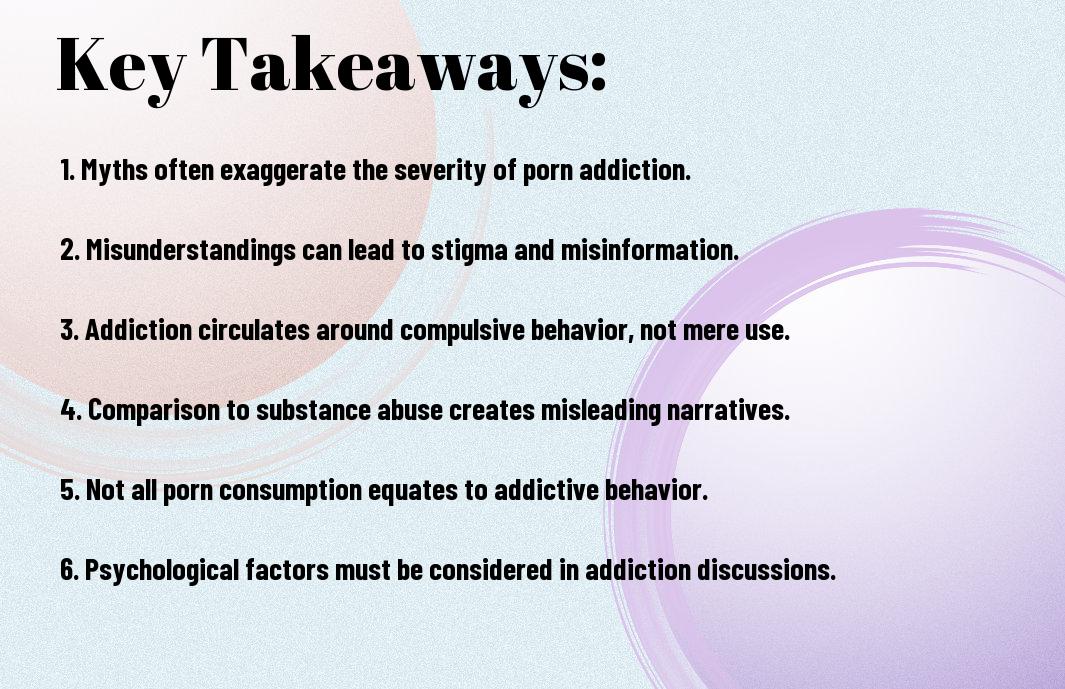
    With little regulation and an abundance of sites, young people might stumble across this content at a vulnerable age.

    Mental Health Considerations

    An increasing number of youth facing mental health issues may turn to porn as a coping mechanism. Factors such as anxiety, depression, and low self-esteem can drive you towards seeking solace in explicit content, which may initially appear to provide relief.

    However, this approach can lead to a cycle of dependency and worsen your mental well-being over time.

    In addition, it’s important to recognize how these mental health challenges can impact your susceptibility to developing a porn addiction. If you’re struggling with feelings of loneliness or inadequacy, you may find yourself using porn as an escape.

    Unfortunately, this can lead to a distorted perception of relationships and intimacy, making it even harder to forge healthy connections in the future. Addressing underlying mental health issues can be a key step in breaking the cycle of addiction and fostering overall well-being.

    The Role of Technology

    After examining the factors that contribute to porn addiction, it’s vital to recognize the role technology plays in this issue. With easy access to explicit content at your fingertips, the likelihood of developing unhealthy habits increases significantly.

    For a deeper understanding of this phenomenon, explore It’s Time for Answers: What Causes Porn Addiction?.

    Digital Platforms and Their Impact

    For many young people, digital platforms serve as the primary medium for consuming media, including adult content. The instant gratification offered by these platforms can lead to compulsive behaviors and desensitization, making it easier to fall into patterns of addiction.

    Social Media Influence

    Behind the scenes, social media platforms constantly expose you to an array of images and videos, some of which may normalize or glamorize explicit content.

    The curated feeds and peer discussions can shape your perceptions of relationships and intimacy, making it challenging to distinguish between healthy interactions and addictive behaviors.

    Platforms like Instagram and TikTok often showcase provocative media that can blur the lines of what’s considered appropriate. As you scroll through your feeds, the algorithm reinforces content that garners engagement, which can include sexually suggestive material.

    This continuous exposure shapes your expectations about intimacy and accelerates the risk of developing problematic relationships with adult content.

    Prevention Strategies

    Despite the rising concerns about porn addiction among youth, effective prevention strategies can significantly mitigate the risk. Implementing a combination of education, open communication, and responsible internet usage can help you guide young individuals towards healthier habits.

    By fostering resilience and understanding, you empower them to navigate the complexities of digital content more responsibly.

    Education and Awareness

    Across various platforms, educating young people about the potential risks associated with pornography is necessary. Understanding the difference between healthy relationships and unrealistic portrayals found in adult content can help reshape their perceptions.

    By facilitating discussions on this topic, you can enable them to develop a balanced view of sexuality and intimacy.

    Parental Guidance and Communication

    Guidance from parents or guardians is vital in navigating the challenges posed by online content. Establishing open lines of communication about sexual health and media consumption can cultivate trust and understanding.

    You can create a safe environment where young individuals feel comfortable discussing their opinions, experiences, and concerns regarding pornography.

    Indeed, fostering effective communication is fundamental in addressing the complexities of porn addiction. Engaging in regular discussions about the impacts of pornography on relationships and mental health can empower your child to make informed decisions.

    Sharing age-appropriate resources and encouraging questions will help them navigate their feelings, enhancing their understanding of healthy sexuality. By doing so, you not only create a supportive atmosphere but also instill lifelong values that promote respectful and responsible media consumption.

    Treatment Options

    To effectively address porn addiction in youth, a variety of treatment options can be employed. These approaches often combine professional support, personal reflection, and community engagement to foster healthier relationships with technology and sexual wellness.

    Employing a tailored program that combines counseling, support groups, and personal development can lead to positive outcomes and a sustainable path to recovery.

    Counseling and Therapy

    Before launching on a journey of healing, seeking out counseling or therapy can provide you with valuable insights and coping strategies.

    A professional therapist can help you identify the underlying issues contributing to your addiction, guiding you towards healthier behavioral patterns and emotional resilience, ultimately empowering you to regain control over your habits.

    Support Groups

    With the right support system, you can find a sense of community among those who share similar experiences.

    Joining a support group can provide you with a safe space to express your feelings, share your journey, and learn from others who have successfully navigated their own challenges with porn addiction.

    Treatment options often incorporate various types of support groups, such as those led by trained facilitators or peer-led organizations. These groups not only facilitate open discussions about struggles and successes but also foster accountability and encouragement.

    Engaging with others who understand your situation can reduce feelings of isolation, making your recovery journey more manageable and fostering a sense of belonging as you work towards healthier habits.

    Final Words

    The understanding of what triggers porn addiction in youth is important for you as a parent or guardian to help navigate this complex issue. Recognizing the signs of compulsive behavior, such as excessive viewing and emotional distress, is pivotal. You should be aware of the potential influence of accessibility in the digital age, societal norms, and individual psychological factors.

    Open communication about healthy sexual development and setting boundaries around technology can aid in mitigating risks associated with porn addiction. Being informed equips you to support the youth in your life more effectively.

    FAQ

    Q: What are the signs that a youth may be struggling with porn addiction?

    A: Signs of porn addiction in youth can include excessive time spent viewing pornographic material, neglecting responsibilities such as schoolwork or family obligations, experiencing withdrawal symptoms when not watching porn, using porn as a way to escape from personal problems, and increasing secrecy about their online activities.

    If these behaviors are observed, it may indicate a potential issue with porn consumption.

    Q: How does porn consumption affect the mental health of youth?

    A: Youth may experience a range of mental health issues related to porn consumption, such as anxiety, depression, or feelings of shame. Additionally, regular exposure to pornography can distort perceptions of sexuality and lead to unrealistic expectations in relationships.

    This can create a cycle of dissatisfaction when these expectations are not met in real-life interactions.

    Q: What factors can contribute to the development of porn addiction in youth?

    A: Various factors can contribute to the development of porn addiction, including exposure to pornography at a young age, peer pressure, lack of parental guidance or open discussions about sexuality, and pre-existing mental health challenges.

    Environmental factors, such as easy access to the internet and the normalization of porn consumption in media, also play a significant role.

    Q: What steps can parents take to address concerns about porn addiction in their children?

    A: Parents can initiate open dialogues about sexuality, relationships, and the potential dangers of pornography. Establishing trust and a non-judgmental environment encourages youth to share their experiences and concerns.

    Setting appropriate limits on internet use, providing educational resources about healthy sexual behavior, and seeking professional help if necessary are also effective strategies.

    Q: Are there treatments available for youth struggling with porn addiction?

    A: Yes, various treatment options exist for youth struggling with porn addiction. Cognitive-behavioral therapy (CBT) is often effective in addressing negative thought patterns and behaviors associated with addiction.

    Support groups, counseling, and workshops focused on healthy sexual development can also be beneficial. Professional guidance tailored to individual needs is vital for effective recovery.

    Related reading

  • Porn Addiction: 3 Powerful Facts You Must Know

    Porn Addiction: 3 Powerful Facts You Must Know

    Start with our signs of porn addiction guide for background.

    There’s a pervasive misunderstanding surrounding porn addiction that can cloud your judgment. Many individuals fall prey to three prominent myths that distort the actual nature of this issue.

    Understanding these misconceptions is necessary for a more accurate perspective and a healthier approach to managing your relationship with adult content. For an in-depth exploration of this topic, check out The Myth of Porn Addiction: Science Says It’s a Habit.

    Key Takeaways:

    • Myth 1: Porn addiction is universally recognized as a mental health disorder, which it is not; it remains a controversial topic within the medical community.
    • Myth 2: Engaging with porn always leads to addiction; however, many individuals can consume porn without detrimental consequences.
    • Myth 3: There is a standard definition and set of symptoms for porn addiction, but the lack of consensus on what constitutes addiction complicates this issue.
    • Mislabeling porn use as addiction oversimplifies complex issues related to mental health, relationships, and personal behavior.
    • The media often sensationalizes porn addiction, contributing to stigma and misunderstanding of genuine sexual health concerns.
    • Educational resources about healthy sexual behaviors can provide a more balanced perspective than focusing solely on negative consequences of porn consumption.
    • Open dialogues about porn use and its effects are important for fostering understanding and addressing individual experiences without judgment.

    Porn Addiction: 3 Powerful Facts You Must Know

    Understanding Porn Addiction

    While many people struggle to comprehend the complexities of porn addiction, it is necessary to acknowledge that this behavioral issue can significantly affect your mental health, relationships, and daily functioning.

    By recognizing the signs and understanding the underlying factors, you can take proactive steps toward addressing the problem and seeking appropriate help.

    Definition and Symptoms

    Beside the common misconceptions surrounding porn addiction, it is vital to define it clearly. Porn addiction involves compulsive consumption of pornography, leading to negative impacts on your life.

    Symptoms may include excessive time spent viewing porn, neglecting personal relationships, and experiencing distress when trying to cut back or quit.

    Prevalence and Impact

    With the rise of internet accessibility, the prevalence of porn addiction has become increasingly apparent. Many individuals, regardless of age or background, may find themselves struggling with this issue.

    The impact of porn addiction is profound, often leading to issues such as anxiety, depression, or sexual dysfunction.

    In fact, research indicates that a significant portion of the population engages in problematic porn consumption, affecting not only individuals but also their loved ones. You might experience decreased intimacy in relationships and distorted views on sex that can perpetuate unhealthy behaviors.

    Understanding the prevalence and impact can help you navigate your experiences and seek necessary support for a healthier relationship with sexuality.

    Porn Addiction: 3 Powerful Facts You Must Know — illustration 2

    Myth 1: Porn Addiction is Just a Lack of Willpower

    Even though many perceive porn addiction as a failure of willpower, it’s crucial to recognize that this issue is often far more complicated. Addiction can stem from deeper psychological factors, and simply exercising more self-control won’t address the underlying issues you may face.

    Psychological Factors

    Across various research findings, it’s evident that mental health conditions can contribute significantly to porn addiction. Various factors may include:

    • Previous trauma or abuse
    • Depression or anxiety disorders
    • Low self-esteem issues
    • Impulsivity or poor stress management skills

    Thou must understand that addressing these psychological factors is key to overcoming addiction effectively.

    Societal Misconceptions

    Just as significant are the societal misconceptions surrounding porn addiction, often leading to stigmatization and misunderstanding. Many people equate addiction solely with moral failure, which oversimplifies the complexities involved.

    In fact, societal beliefs can often deter you from seeking help, as the stigma may lead to feelings of shame. When society labels porn addiction as merely a lack of discipline, it ignores the nuanced interplay of psychological, environmental, and emotional factors that contribute to such behavior.

    Recognizing the complexity can help you make more informed choices regarding your mental health and well-being.

    Porn Addiction: 3 Powerful Facts You Must Know — illustration 3

    Myth 2: Only Heavy Users Can Be Addicts

    Not all porn addicts fit the stereotype of heavy users. The misconception that addiction is only defined by frequent consumption overlooks the complexity of addiction itself.

    It is important to recognize that even moderate consumption can lead to addictive behavior, resulting in negative consequences in various aspects of your life. Your relationship with pornography may not be about the volume but rather the impact it has on your daily activities and mental health.

    Spectrum of Consumption

    Consumption of pornography exists on a spectrum. You might use porn occasionally without issues, but as your relationship with it becomes more compulsive, it may begin to affect your well-being or relationships.

    This variability emphasizes that addiction is not strictly about quantity; rather, it concerns your inability to control your use and the negative repercussions that follow.

    Case Studies and Statistical Evidence

    Case studies and statistical evidence reveal that porn addiction can affect individuals regardless of usage frequency. Examining various data highlights alarming trends:

    • In a study by the University of Cambridge, 70% of participants who reported problematic use consumed porn less than five times a week.
    • According to the National Center on Sexual Exploitation, 30% of individuals seeking help for addiction describe their consumption as “occasional” but still experience negative consequences.
    • A survey from the Journal of Sex Research found that even infrequent users can experience symptoms similar to substance dependence, affecting their personal lives and mental health.

    Hence, the definition of porn addiction extends beyond heavy usage. You might find that even sporadic use can lead to distortions in your perception of relationships, intimacy, and emotional well-being.

    Building awareness of your consumption patterns is imperative, regardless of how often you engage with pornography, as even occasional usage can escalate into problematic behavior.

    Myth 3: Porn Addiction is Just a Phase

    Now, many people believe that porn addiction is a temporary issue that one can simply outgrow. This myth downplays the seriousness of the addiction, suggesting that it won’t have lasting effects on your life.

    However, for many individuals, porn addiction can persist over time, becoming more entrenched and leading to significant emotional and relationship issues if left unaddressed.

    Long-term Effects and Implications

    Before dismissing porn addiction as a phase, it’s important to consider the long-term effects it can have on your mental health, relationships, and daily functioning.

    Prolonged engagement with porn can lead to unrealistic expectations in intimacy, emotional detachment, and even difficulties in forming or maintaining healthy relationships.

    The Importance of Ongoing Support

    For those grappling with porn addiction, having ongoing support is vital to your recovery journey. This support can come from friends, family, or professional counselors who understand the complexities of addiction and can help guide you through challenges.

    This ongoing support allows you to cultivate strategies for managing triggers and emotional responses effectively. Surrounding yourself with a supportive community not only reinforces your commitment to recovery but also provides encouragement when facing setbacks.

    Whether through group therapy or personal connections, having people who understand your struggles can significantly enhance your healing process and help you develop healthier coping mechanisms.

    Porn Addiction: 3 Powerful Facts You Must Know — illustration 4

    The Role of Education and Awareness

    Keep in mind that understanding porn addiction requires a comprehensive view of education and awareness. By equipping yourself with accurate information, you can better navigate the complexities surrounding this issue.

    Recognizing the factors contributing to unhealthy relationships with pornography is key to fostering a healthier dialogue in society.

    Misconceptions in Media

    Around you, the media often perpetuates myths about porn addiction, misrepresenting its implications and effects on individuals. These sensationalist portrayals can lead to stigma and confusion, hindering accurate understanding.

    You must critically evaluate the information presented and seek out reliable sources to form an informed perspective.

    Promoting Healthy Discussions

    Before engaging in discussions about porn addiction, it’s important to create a safe and open environment. This involves breaking down barriers to communication and ensuring that you and others can express concerns without fear of judgment.

    Encouraging dialogue fosters understanding and promotes healthier attitudes toward sexuality and personal well-being.

    At the heart of promoting healthy discussions is recognizing the importance of empathy and support. By actively listening to different viewpoints, you can contribute to a more inclusive conversation.

    Sharing experiences and knowledge helps you and others navigate the complexities of porn addiction, reinforcing that it is a topic that can be addressed thoughtfully and collaboratively.

    Treatment Options and Resources

    Despite the misconceptions surrounding porn addiction, various treatment options and resources are available to help you regain control. You can explore materials like “Is Porn Addiction Real or Myth?” The Debate Continues to understand the challenges and solutions better.

    Keep in mind that the journey is unique to everyone, and seeking personalized guidance can significantly enhance your recovery experience.

    Therapy and Support Groups

    Treatment often includes therapy and support groups, which are valuable resources. Engaging with a professional can help you uncover underlying issues contributing to the addiction and develop coping mechanisms.

    Additionally, support groups provide a safe space to share experiences and connect with others facing similar challenges, enabling you to build a supportive network.

    Self-Help Strategies

    Strategies like setting personal goals, establishing healthy routines, and identifying triggers can aid your journey towards overcoming porn addiction. Utilizing journaling or mindfulness practices can enhance self-awareness, helping you manage cravings effectively.

    Therapy may complement self-help strategies well by encouraging self-reflection and fostering personal growth. You might benefit from techniques like cognitive-behavioral therapy, which can help you recognize destructive patterns and replace them with healthier choices.

    Engaging in constructive activities, such as exercise or hobbies, can also fill your time and reduce the urge to engage in compulsive behaviors, leading to a more fulfilling lifestyle.

    Final Words

    Presently, understanding the myths surrounding porn addiction is important for your awareness and well-being. By recognizing that porn addiction can be misunderstood as a mere lack of willpower, overemphasis on dopamine, or a simple habit, you can approach the issue more objectively.

    This clarity allows you to separate fact from fiction, ultimately empowering you to make informed decisions about your relationship with adult content, addressing any concerns you may have in a more effective manner.

    FAQ

    Q: What are the common myths surrounding porn addiction?

    A: There are several myths related to porn addiction, including the belief that it is the same as substance addiction, that all porn consumption is harmful, and that porn addiction only affects men.

    These misconceptions can distort our understanding of the complexity of sexual behavior and addiction.

    Q: Why do people think porn addiction is the same as drug or alcohol addiction?

    A: Many people confuse porn addiction with substance addictions because both involve compulsive behavior and can negatively impact individuals’ lives. However, the brain’s response to sexual stimuli is different from that of drugs or alcohol, making the nature of addiction distinct in this context.

    Additionally, unlike substance addiction, porn is often accessed in everyday life without the same environmental triggers, complicating the comparison.

    Q: Is all porn consumption considered harmful and a sign of addiction?

    A: Not all porn consumption is harmful. For many individuals, consuming porn can be a normal part of sexual expression.

    Issues arise when the consumption becomes compulsive to the point where it interferes with relationships, work, or daily functioning. Therefore, the context and frequency of usage are critical in assessing whether it signifies an addiction.

    Q: How does the belief that porn addiction only affects men misrepresent the issue?

    A: This belief misrepresents the vast spectrum of sexual behavior and its impact on all genders. Women also consume porn and can experience similar compulsive behavior or addiction.

    Research indicates that porn use among women is on the rise, and understanding addiction should encompass all genders to create an inclusive perspective about the issue.

    Q: Can misconceptions about porn addiction lead to stigma and misunderstanding?

    A: Yes, misconceptions can foster stigma, making individuals hesitant to seek help or discuss their experiences related to porn consumption. This stigma can create barriers to understanding healthy sexual behavior and can prevent individuals from addressing their concerns in a constructive manner.

    Related reading

Skip to content