Tag: addiction

  • Porn Addiction: 11 Powerful Facts You Must Know

    Porn Addiction: 11 Powerful Facts You Must Know

    Start with our signs of porn addiction guide for background.

    Porn consumption can quickly become a problematic behavior that affects your personal life, relationships, and overall well-being. If you find yourself questioning whether your viewing habits have turned into an addiction, you’re not alone.

    In this blog post, we’ll explore eleven effective tools you can use to assess your relationship with porn. By utilizing these resources, you can gain clearer insights into your habits and take proactive steps toward healthier choices.

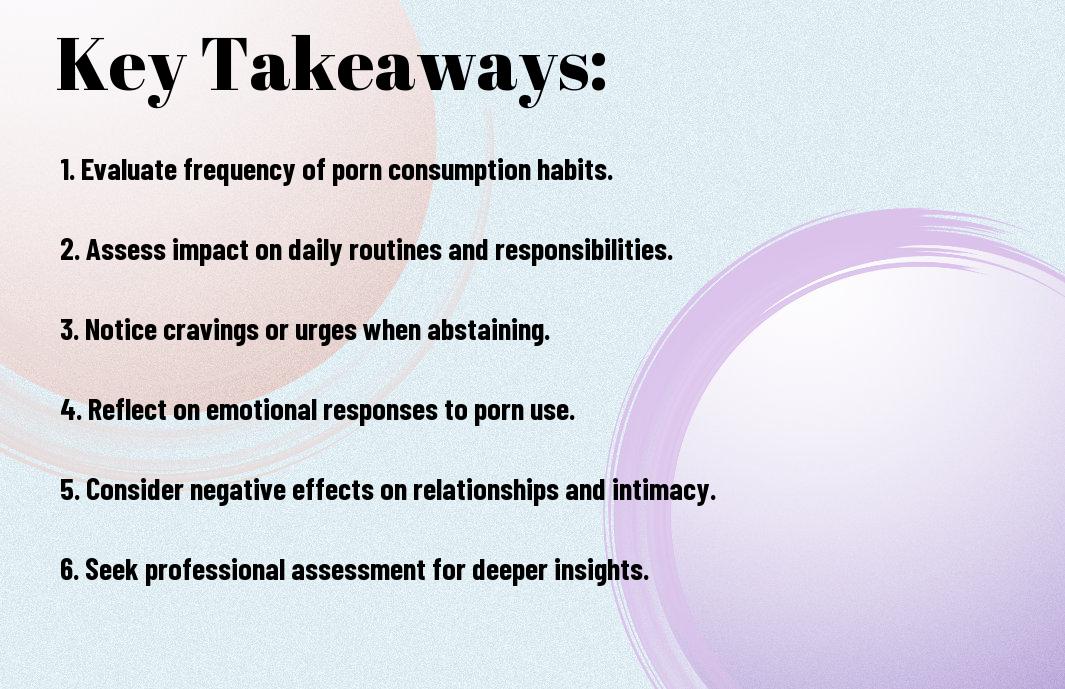
    Key Takeaways:

    • Understanding the signs of porn addiction is imperative for identifying the issue, which may include excessive consumption and neglecting responsibilities.
    • Tools and resources available for self-assessment can help evaluate your relationship with porn.
    • Regular patterns of binge-watching porn may indicate a need for intervention and reflection on your habits.
    • Assessing the impact of porn on mental health and relationships is important in recognizing potential addiction symptoms.
    • Seeking support from professionals or support groups can be beneficial for those struggling with porn-related challenges.
    • Awareness of emotional triggers that lead to watching porn can aid in developing healthier coping mechanisms.
    • Creating a plan to reduce pornography consumption can support individuals in regaining control over their habits.
    Porn Addiction: 11 Powerful Facts You Must Know

    Understanding Porn Addiction

    While many people engage with adult content as a normal part of their sexuality, understanding when it crosses into addiction is important. Porn addiction can disrupt your daily life, relationships, and mental wellbeing.

    Identifying the signs early can help you regain control and improve your quality of life.

    Definition of Porn Addiction

    By definition, porn addiction refers to a compulsive pattern of viewing pornography that leads to negative consequences in various aspects of your life. It is characterized by an inability to stop or reduce consumption, despite your awareness of these consequences.

    Common Signs and Symptoms

    The most typical signs of porn addiction include an increased tolerance, where you require more extreme content to achieve the same level of satisfaction.

    Other symptoms may include neglecting personal relationships, feeling irritable when unable to view porn, and spending excessive time online searching for adult material.

    Addiction manifests itself through various behaviors that can significantly affect your life. You may find yourself withdrawing from social activities or relationships, prioritizing porn consumption over vital tasks.

    Additionally, you might use porn as a coping mechanism for stress or emotional turmoil. These patterns not only hinder personal growth but can also lead to feelings of shame and isolation.

    Porn Addiction: 11 Powerful Facts You Must Know — illustration 2

    Self-Assessment Tools

    It is imperative to explore self-assessment tools when evaluating your relationship with pornography. These tools can provide you with insight into your habits, behaviors, and emotional triggers surrounding porn use.

    By taking a proactive approach, you can better understand whether your consumption has crossed into addictive territory. The right self-assessment tool can guide you in making informed decisions about your health and well-being.

    Quizzes and Questionnaires

    On your journey to understanding your porn use, quizzes and questionnaires can serve as valuable instruments. Many online resources offer quick assessments that help identify patterns or problematic behaviors.

    These questions typically cover topics such as frequency of use, emotional responses, and impacts on your daily life, allowing you to evaluate your habits more objectively.

    Journaling and Reflection Techniques

    After engaging with quizzes, journaling and reflection techniques can deepen your self-awareness. Writing about your feelings and experiences related to porn use will help you uncover underlying motives that may drive your consumption.

    This practice allows you to process your emotions and develop a clearer picture of how this behavior affects your mental and emotional health.

    Another benefit of journaling and reflection techniques is that they encourage accountability. By regularly documenting your thoughts, triggers, and experiences, you can identify patterns in your behavior that may not be apparent at first.

    This ongoing dialogue with yourself not only fosters self-discovery but also helps track your progress as you work toward healthier habits. Over time, these reflections can empower you to make positive changes and develop a more balanced relationship with pornography.

    Porn Addiction: 11 Powerful Facts You Must Know — illustration 3

    Professional Assessment Tools

    Many individuals struggle with recognizing their relationship with pornography, and utilizing professional assessment tools can provide clarity.

    Engaging with resources such as QuitByHealing – beat p*rn addiction to level up your life can be an effective first step toward understanding your behaviors and finding support.

    Diagnostic Interviews

    For a comprehensive understanding of your situation, diagnostic interviews are conducted by trained professionals who explore your usage patterns, emotional triggers, and the impact on your daily life.

    These interviews facilitate a deep probe your experiences, helping you to better articulate your challenges.

    Clinical Assessments

    To gain a clearer picture of your habits, clinical assessments employ standardized questionnaires and psychological evaluations. These tools are designed to identify patterns of behavior, emotional responses, and potential co-occurring mental health issues that may be linked to porn consumption.

    Another significant advantage of clinical assessments is their ability to provide a quantitative measure of your behaviors. By analyzing your responses, clinicians can develop tailored treatment plans that address your unique needs and circumstances.

    This data-driven approach not only helps in pinpointing the severity of the addiction but also fosters a more informed recovery journey.

    Behavioral Tracking

    After gaining insight into your habits, behavioral tracking can significantly aid you in assessing your relationship with porn. This method allows you to monitor your usage patterns, triggers, and cravings, offering a comprehensive view of how and when porn impacts your daily life.

    By employing specific tools or apps dedicated to tracking these behaviors, you can make informed decisions about your consumption and take steps towards healthier patterns.

    Monitoring Usage Patterns

    Among the most effective ways to understand your porn usage is by monitoring your patterns over time. You can track how often you engage with porn and the contexts in which you typically do so.

    Keeping a record can help you recognize if there are particular times when you feel compelled to watch porn, leading to greater self-awareness and control over your habits.

    Identifying Triggers and Cravings

    Between various daily activities, specific situations or emotions may prompt cravings for pornographic content. Detecting these triggers can be beneficial as it allows you to develop healthier coping mechanisms.

    Identifying what prompts these cravings means you can find alternative ways to address the feelings or circumstances driving your desire to engage with porn.

    With consistent tracking, you can analyze patterns related to your triggers and cravings, helping you pinpoint emotional states or situations that lead to the urge to watch porn. This understanding can become your first step toward managing and potentially eliminating these urges.

    By recognizing these influences, you can better equip yourself with strategies to cope without relying on porn, leading to healthier habits and improved well-being.

    Support Systems

    Despite the challenges of facing a porn addiction alone, having a strong support system can make a significant difference in your recovery journey. Surrounding yourself with understanding individuals, whether through professional help or peer support, will give you the encouragement needed to overcome this struggle.

    Finding the right support can empower you to make lasting changes in your life.

    Therapy and Counseling Options

    Behind every effective recovery plan lies the importance of therapy and counseling. Engaging with a qualified therapist can help you explore the underlying issues contributing to your addiction.

    Professionals can provide you with personalized strategies and coping mechanisms, facilitating a deeper understanding of your relationship with pornography.

    Support Groups and Communities

    Against isolation, support groups and communities provide a safe space for you to share your experiences and learn from others. These gatherings foster a sense of belonging and understanding, allowing you to connect with individuals who face similar challenges.

    The shared experiences within these groups can often help you feel less alone in your journey.

    Communities focused on porn addiction support often offer various resources, including regular meetings, online forums, and educational materials. Being part of such a community encourages open dialogue about struggles and successes, allowing you to gain insights from others’ experiences.

    Engaging with a support group not only helps in recovery but also promotes accountability, making it easier for you to commit to your goals.

    Porn Addiction: 11 Powerful Facts You Must Know — illustration 4

    Coping Strategies

    To navigate the challenges of a porn addiction, developing effective coping strategies is imperative. These strategies can help you regain control over your habits, reduce urges, and promote a healthier lifestyle.

    By implementing these tools, you can foster a sense of well-being and make strides toward overcoming your addiction.

    Healthy Alternatives to Pornography

    Above all, finding healthy alternatives to pornography is vital for redirecting your focus and energy. Engage in activities such as exercise, reading, or pursuing hobbies that interest you.

    These alternatives not only distract you but help you develop new passions, thereby enriching your life and reducing the temptation to seek out pornographic material.

    Mindfulness and Self-Control Techniques

    Before addressing cravings, it’s imperative to cultivate mindfulness and self-control techniques. These methods will assist you in managing your impulses and becoming more aware of your triggers.

    Developing these skills allows you to better navigate situations that may provoke the urge to indulge in pornography.

    Techniques such as deep breathing exercises, meditation, and journaling can help you maintain control over your thoughts and reactions. Practicing mindfulness allows you to observe your urges without acting on them, while self-control techniques empower you to make better choices in those moments of temptation.

    By integrating these practices into your daily routine, you gradually build resilience against old habits and foster a sense of empowerment, ultimately supporting your journey towards recovery.

    Summing up

    As a reminder, identifying whether you have a porn addiction involves self-assessment, reflection, and utilizing tools that can help measure your habits. By evaluating your consumption patterns and their impact on your daily life, relationships, and responsibilities, you can gain valuable insights.

    It’s important to approach this topic with honesty and openness, allowing you to seek support or make necessary changes for your well-being. By taking these steps, you take charge of your health and empower yourself to make informed decisions about your relationship with pornography.

    FAQ

    Q: What are the common signs of porn addiction?

    A: Common signs of porn addiction include spending excessive time viewing pornographic material, feeling compelled to watch it despite negative consequences, experiencing withdrawal symptoms when not able to access porn, and using porn as a coping mechanism for stress or emotional issues.

    Q: How can I assess my relationship with porn?

    A: You can assess your relationship with porn by reflecting on how it impacts your daily life, relationships, and responsibilities. Consider keeping a journal to note your feelings and behaviors related to porn consumption, and evaluate how often and why you turn to it.

    Q: Are there specific tools available for evaluating porn addiction?

    A: Yes, there are various tools designed to evaluate porn addiction, including self-assessment questionnaires, online surveys, and structured interviews with mental health professionals. These tools often help identify patterns and severity of dependency related to porn use.

    Q: What resources are available for those seeking help with porn addiction?

    A: Resources for help include therapists specializing in sexual health, support groups for individuals struggling with porn addiction, online forums, and self-help books focused on overcoming addiction. Many organizations also provide hotlines for immediate support.

    Q: Can porn addiction affect my relationships?

    A: Yes, porn addiction can negatively impact relationships by creating unrealistic expectations, reducing intimacy, and leading to feelings of betrayal or inadequacy among partners. Open communication and seeking professional help can mitigate these effects.

    Q: How does one break free from porn addiction?

    A: Breaking free from porn addiction involves acknowledging the issue, setting clear goals, identifying triggers, and finding healthier coping mechanisms. Many individuals find success with therapy, support groups, and practicing mindfulness to reduce dependency on porn.

    Q: Is it possible to have a healthy relationship with porn?

    A: Yes, it is possible to have a healthy relationship with porn when consumption is moderate and doesn’t interfere with daily life, relationships, or mental well-being. Awareness and setting personal limits can help maintain a balanced approach to viewing pornographic material.

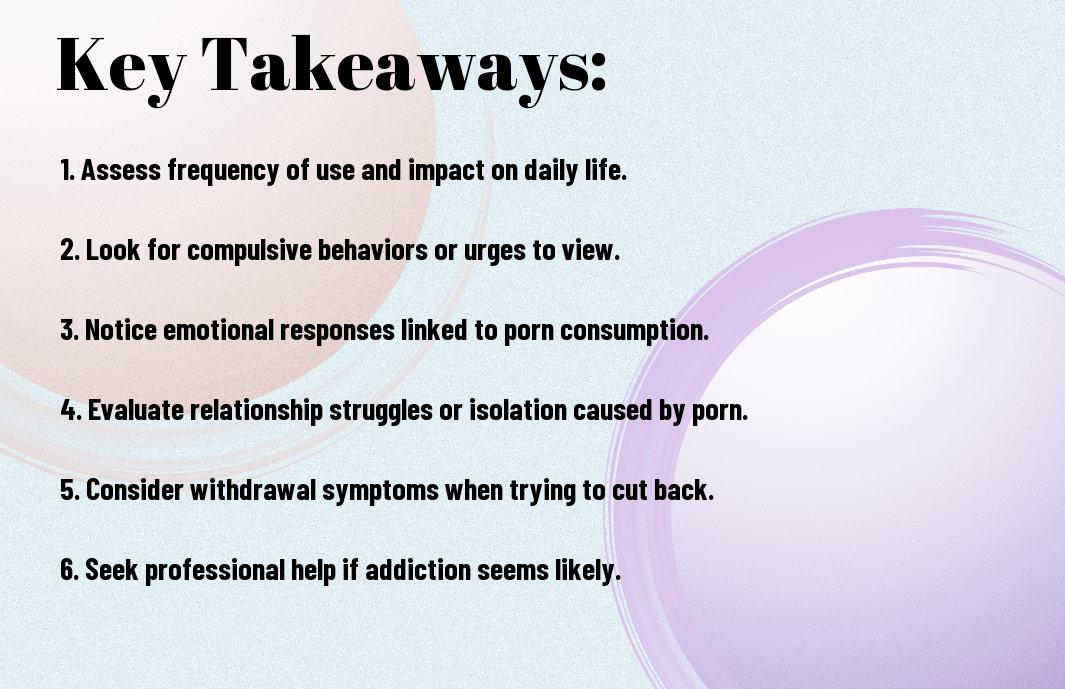
    Understanding porn addiction is essential for recovery. Many people struggle with porn addiction silently, but recognizing the patterns of porn addiction is the first step toward change.

    Understanding porn addiction is essential for recovery. Many people struggle with porn addiction silently, but recognizing the patterns of porn addiction is the first step toward change.

    Related reading

  • Porn Addiction: 7 Powerful Facts You Must Know

    Porn Addiction: 7 Powerful Facts You Must Know

    Start with our signs of porn addiction guide for background.

    Porn use can often blur the lines between casual consumption and a potential addiction, impacting various aspects of your life. Understanding whether your habits fall into addiction is imperative for personal growth and well-being.

    In this informative guide, you’ll explore seven imperative steps and tips to help you identify if you have a porn addiction and take proactive measures toward a healthier relationship with it. By reflecting on your behaviors and emotions surrounding porn, you can gain clarity and insight into your habits.

    Key Takeaways:

    • Assess your viewing habits: Monitor the frequency and duration of your porn consumption to identify patterns.
    • Evaluate emotional responses: Pay attention to how you feel before and after watching porn, noting any feelings of shame or guilt.
    • Consider impact on relationships: Reflect on whether porn use is affecting your personal relationships or sexual experiences.
    • Identify triggers: Recognize situations or emotions that lead to the urge to watch porn and learn to address them.
    • Create boundaries: Set limits on your porn consumption or consider periods of abstinence to regain control.
    • Seek support: If needed, talk to a professional or join support groups to share experiences and strategies.
    • Focus on alternatives: Explore healthier activities or hobbies that can replace porn consumption in your routine.

    Porn Addiction: 7 Powerful Facts You Must Know

    Porn Addiction: 7 Powerful Facts You Must Know — illustration 2

    Understanding Porn Addiction

    The concept of porn addiction is often misunderstood, yet it can significantly impact your life. You might find that your relationship with porn has matured into something more destructive than you initially perceived.

    For guidance on overcoming this challenge, check out How to Stop a Porn Addiction: Samarpan’s Practical Guide.

    Definition of Porn Addiction

    Below, porn addiction is defined as a compulsive behavior characterized by an excessive preoccupation with pornography, often leading to negative consequences in various aspects of your life. This addiction can affect your emotional, relational, and even professional well-being.

    Signs and Symptoms

    Understanding the signs and symptoms of porn addiction is imperative to recognizing your situation. You may frequently find yourself engaging in pornographic activities despite efforts to cut back, or you may experience feelings of guilt and shame after indulging.

    For instance, you might notice a persistent urge to view porn, even when it interferes with your daily responsibilities or relationships. This behavior may lead to isolation, where you choose pornography over social interactions or intimate connections.

    As the addiction progresses, you could find the material becomes less satisfying, driving you to seek even more extreme content to achieve the same pleasure, further exacerbating the cycle of dependency.

    Porn Addiction: 7 Powerful Facts You Must Know — illustration 3

    Self-Assessment

    Even if you enjoy your leisure time, excessive engagement with porn can lead you to question your habits. A self-assessment allows you to evaluate your relationship with pornography objectively.

    Take time to reflect on how often you indulge, the emotions surrounding it, and if it affects your daily functioning or personal relationships. Being honest with yourself is the first step towards understanding any potential addiction.

    Reflecting on Your Habits

    For a comprehensive self-assessment, start by documenting your viewing habits. Note how frequently you watch porn, what type of content you prefer, and how it makes you feel. Are you turning to it to relieve stress or boredom?

    Are your views becoming more extreme? This reflection is necessary to identify any patterns that might indicate a problem.

    Identifying Triggers

    After you reflect on your habits, it’s time to pinpoint the triggers that lead you to seek out pornography. Triggers could be emotional, such as feelings of loneliness or anxiety, or situational, like having unsupervised internet access.

    Recognizing these elements can be foundational in understanding your behavior and developing strategies to mitigate them.

    This step involves being aware of what drives you toward pornographic content. Pay attention to specific situations, times of day, or emotions that precede your viewing.

    For example, do you tend to watch porn more often when you’re feeling bored or stressed? Keeping a journal can be an effective way to track and analyze these triggers over time, which will assist you in creating healthier coping mechanisms.

    Evaluating Impact

    Keep a close eye on how your porn consumption affects various aspects of your life. Consider your daily routines, emotional stability, and overall well-being.

    For deeper insights, refer to What Does Porn Addiction Look Like? to better understand potential symptoms and recognize the signs that might indicate an addiction.

    Effects on Relationships

    After noticing a change in your interactions, you may realize that porn consumption can create barriers in your relationships. Scenarios may include reduced intimacy, emotional disconnection, or feelings of inadequacy in partners.

    This impact can hinder your ability to connect meaningfully with others, often leading to misunderstandings and conflicts.

    Consequences on Mental Health

    Beside the effects on relationships, your mental health can be significantly affected by porn addiction. Regular consumption may lead to feelings of guilt, anxiety, or depression, as it often creates unrealistic expectations about sex and intimacy.

    These emotional struggles can further perpetuate addictive behaviors, resulting in a continuous cycle that is hard to break.

    In addition, excessive porn use can distort your perception of healthy sexuality, causing you to become desensitized to real-life experiences. This distortion can result in diminished sexual pleasure and an unhealthy approach to relationships, leading to further isolation and psychological distress.

    Addressing these mental health concerns is vital for regaining control over your life and fostering healthier connections.

    Seeking Help

    Once again, recognizing that you may need help with your porn consumption is a pivotal point in your journey. Seeking assistance can lead to a healthier relationship with sexuality and improve your overall well-being.

    Whether it’s professional therapy or support from peers, taking this step is vital in regaining control over your habits and ensuring a fulfilling life.

    Professional Therapy Options

    Among the various avenues for support, professional therapy presents a structured way to address your porn addiction. Working with a qualified mental health professional can help you uncover underlying issues, develop coping strategies, and set long-term goals for recovery.

    They often employ techniques like cognitive-behavioral therapy to reshape your thought patterns and behaviors surrounding pornography.

    Support Groups and Resources

    Between professional therapy sessions, engaging with support groups can provide an invaluable sense of community and understanding. Connecting with others who share similar experiences fosters accountability and motivation in your journey towards recovery.

    Due to the often isolating nature of addiction, support groups and resources serve as a lifeline, allowing you to share your struggles and triumphs with others who truly understand. Whether online or in-person, these settings encourage open dialogue and provide a space for individuals to learn from one another’s experiences.

    Many organizations offer workshops and informative materials that can complement your therapy, making the healing process more comprehensive and relatable.

    Porn Addiction: 7 Powerful Facts You Must Know — illustration 4

    Developing Coping Strategies

    Despite the challenges that come with recognizing a porn addiction, developing effective coping strategies can help you regain control. By identifying healthier outlets for your emotions and stimuli, you can create a structured plan to address feelings and urges associated with your addiction.

    This proactive approach not only supports your recovery journey but also promotes personal growth as you work towards a balanced and fulfilling life.

    Alternative Activities and Hobbies

    The best way to shift your focus away from porn is by engaging in alternative activities and hobbies that interest you. Exploring new interests or rediscovering old ones can provide fulfilling distractions, serving as a healthier way to channel your energy.

    Whether it’s taking up a sport, learning a musical instrument, or entering into a new book series, these pursuits can enrich your life and help diminish cravings.

    Mindfulness and Stress Reduction Techniques

    After implementing new hobbies, you might find additional benefit in practicing mindfulness and stress reduction techniques to further manage urges.

    These techniques, such as meditation, deep breathing, or yoga, can help you cultivate present-moment awareness and reduce the anxiety that often drives addictive behaviors.

    Plus, incorporating mindfulness and stress reduction techniques into your daily routine can positively impact your mental well-being. These practices encourage you to be aware of your thoughts and feelings without judgment, helping you recognize triggers that lead to pornography use.

    By regularly engaging in mindfulness, you can develop a greater sense of control over your impulses and improve your overall emotional resilience.

    Setting Goals for Recovery

    Unlike other challenges, recovering from a porn addiction requires a clear roadmap of where you want to go and how you plan to get there. Setting specific goals provides direction and motivation, allowing you to focus your efforts effectively.

    By establishing both short-term and long-term objectives, you can create a structured plan that helps you stay committed to your recovery journey.

    Short-Term vs Long-Term Goals

    Along your recovery journey, it’s important to differentiate between short-term and long-term goals. Short-term goals may include reducing the frequency of consumption or establishing boundaries around media usage, while long-term goals could encompass building healthier relationships or developing new hobbies.

    Targeting both types allows you to celebrate small wins while keeping an eye on the bigger picture.

    Tracking Progress and Adjusting Plans

    Around your recovery process, consistently tracking your progress will help you stay accountable and motivated. It’s vital to evaluate your goals periodically and adjust your plans as needed.

    This reflection helps in identifying what’s working and what isn’t, allowing you to adapt your approach for sustained improvement.

    Even minor setbacks can provide valuable insights into your journey. By keeping a journal or using apps, you can monitor your triggers, feelings, and successes.

    This detailed tracking not only motivates you but also helps you notice patterns that may lead to challenges. Adjusting your goals based on this information ensures that you remain flexible and responsive to your changing needs as you work toward recovery.

    Conclusion

    Taking this into account, understanding whether you have a porn addiction involves being honest with yourself and examining your habits. By assessing your emotional responses, consumption patterns, and the impact on your daily life, you can better gauge your relationship with pornography.

    Utilizing the seven important steps and tips provided can guide you in making necessary changes. Ultimately, prioritizing your well-being and seeking support when needed can lead you towards a healthier and more balanced lifestyle.

    FAQ

    Q: What are the common signs of porn addiction?

    A: Common signs of porn addiction include spending excessive time viewing pornography, neglecting personal responsibilities, experiencing withdrawal symptoms when not viewing porn, using porn to cope with stress or negative emotions, increasing the frequency or intensity of porn use, prioritizing porn over relationships, and feeling shame or guilt after viewing.

    Q: How can I assess my porn consumption?

    A: To assess your porn consumption, track your viewing habits over a few weeks. Note how often you watch porn, the duration of each session, and the circumstances surrounding your viewing.

    Additionally, evaluate how pornography impacts your daily life and relationships. Self-reflection on these points can provide clarity on whether your habits are becoming problematic.

    Q: What steps can I take if I suspect I have a porn addiction?

    A: If you suspect you have a porn addiction, start by acknowledging your feelings and intentions to change. Set specific goals for reducing your consumption, consider finding support through friends or online communities, and seek professional help from a therapist who specializes in addiction.

    Engage in healthier activities that fulfill your emotional and social needs.

    Q: Are there any self-help resources available for porn addiction?

    A: Yes, there are several self-help resources available for those struggling with porn addiction. Look for books, podcasts, and online support groups that focus on porn addiction recovery.

    Websites dedicated to mental health and addiction often provide tools, articles, and forums for sharing experiences and advice. Consider subscribing to newsletters that offer continual support and encouragement.

    Q: How can mindfulness help with porn addiction?

    A: Mindfulness can play a significant role in overcoming porn addiction by promoting awareness of your thoughts and urges without judgment. Practicing mindfulness can help you recognize triggers, develop healthier coping mechanisms, and remain present in the moment.

    Techniques such as meditation and breathing exercises can assist in managing cravings and reducing impulsive behavior.

    Q: Is it important to talk to someone about my porn addiction?

    A: Yes, talking to someone can be beneficial. Sharing your experiences with trusted friends, family, or a professional can alleviate feelings of isolation and shame.

    Conversations can provide support, new perspectives, and coping strategies. Addressing the issue openly can also help reinforce your commitment to change.

    Q: Can porn addiction affect relationships?

    A: Yes, porn addiction can significantly impact relationships. It may lead to unrealistic expectations about sex, decrease intimacy, and create feelings of betrayal or inadequacy in partners.

    Open communication is important in addressing these issues. Couples may benefit from discussing their feelings and working together towards healthier relationship dynamics.

    Understanding porn addiction is essential for recovery. Many people struggle with porn addiction silently, but recognizing the patterns of porn addiction is the first step toward change.

    Related reading

  • Recover From Porn Addiction: 5 Shocking Facts You Must Know

    Recover From Porn Addiction: 5 Shocking Facts You Must Know

    Start with our signs of recover from porn addiction guide for background.

    Addiction to pornography can profoundly impact your life, creating a cycle that feels nearly impossible to break. The complexities of this addiction are influenced by various psychological and physiological factors that reinforce your habits, making it difficult to regain control.

    You may not realize how deeply entrenched these patterns can be, leading to feelings of shame, isolation, and despair. Understanding the reasons behind your struggle is the first step towards recovery and regaining a healthier relationship with your own sexuality.

    Key Takeaways:

    • Pornography addiction can create strong neural pathways in the brain, making it difficult for individuals to break free from compulsive behaviors.
    • Emotional issues such as anxiety, depression, and low self-esteem often accompany porn addiction, complicating the recovery process.
    • Access to pornography is more pervasive than ever, making it challenging to avoid triggers that lead to relapse.
    • Support systems play a pivotal role; lack of understanding or stigma from peers and family can hinder open discussion and recovery efforts.
    • Many may not fully recognize the extent of their addiction, leading to a lack of motivation to seek help or make changes.
    • Shifting personal beliefs about sexuality and intimacy is necessary, as porn can distort perceptions and expectations in relationships.
    • Recovery is often a non-linear process, with setbacks being a normal part of the journey that can discourage progress.

    Recover From Porn Addiction: 5 Shocking Facts You Must Know

    Recover From Porn Addiction: Understanding Porn Addiction

    To truly comprehend porn addiction, you need to recognize that it is more than just a simple habit; it often stems from deeper emotional or psychological issues. It can become a compulsive behavior that interferes with your daily life, relationships, and personal well-being.

    Understanding this addiction requires an exploration of its underlying causes, impact, and the cycle of compulsive use that can be incredibly hard to break.

    Definition and Scope

    One important aspect of porn addiction is its definition and scope. It is characterized as a behavioral addiction where an individual becomes dependent on pornographic material to achieve sexual arousal.

    This dependency can disrupt your daily functions, affect your mental health, and damage intimate relationships.

    Common Misconceptions

    About porn addiction, many people believe it only affects certain individuals or stems from a lack of self-control. However, it is much more complex and can impact anyone, regardless of age or background.

    Understanding these misconceptions is imperative because they can hinder your ability to approach the issue with the seriousness it deserves. You might think that porn addiction is merely about excessive viewing or lack of willpower, but in reality, it can involve psychological triggers and emotional disturbances that make recovery challenging.

    Confronting these beliefs can help you seek more effective support and solutions in overcoming your addiction.

    Recover From Porn Addiction: 5 Shocking Facts You Must Know — illustration 2

    The Psychological Impact

    Some individuals who struggle with porn addiction experience significant psychological consequences. Frequent consumption can lead to distorted perceptions of intimacy and relationships, which may result in feelings of guilt, shame, and anxiety.

    These emotional struggles can make it challenging for you to connect with others, leading to isolation and further complicating recovery efforts.

    Dopamine and Brain Chemistry

    For many, the allure of porn is tied to its effect on dopamine release in the brain. This neurotransmitter is associated with pleasure and reward, making the experience of watching pornography intensely gratifying.

    Over time, your brain may become reliant on this artificial stimulation, diminishing your ability to find joy in everyday activities and creating a cycle that is hard to break.

    Emotional and Social Consequences

    Between feelings of isolation and an altered view of relationships, the emotional and social consequences of porn addiction can be profound. Struggling with addiction might impact your self-esteem and confidence, causing you to withdraw from friends and family.

    You may find it difficult to engage in healthy, meaningful relationships, leading to a vicious cycle of loneliness and reliance on porn as a substitute for genuine connection.

    To navigate these challenges, you may need to confront the ways your addiction affects your emotions and social life. By addressing feelings of isolation and confronting your distorted views on intimacy, you can begin to understand the importance of nurturing real connections in your life.

    This process may involve seeking support from friends, family, or a mental health professional, allowing you to gradually rebuild your self-esteem and form healthier relationships. Recognition of these issues is a critical step in your recovery journey.

    Recover From Porn Addiction: 5 Shocking Facts You Must Know — illustration 3

    Behavioral Patterns

    Not recognizing the behavioral patterns associated with porn addiction can hinder your recovery. These ingrained habits often manifest as compulsive viewing, even in inappropriate situations.

    Recognizing and addressing these patterns is crucial to break free from the cycle of addiction, as they reinforce your dependence on pornography as a coping mechanism or source of pleasure.

    Triggers and Compulsions

    Behavioral triggers often lead to compulsions that can hinder your progress. You may find specific situations or emotions serve as cues that push you toward seeking out porn.

    This cycle of triggering events and subsequent compulsive behavior reinforces the addiction, making it increasingly difficult for you to resist the urge.

    Withdrawal Symptoms

    Beside behavioral patterns, withdrawal symptoms pose a significant challenge during recovery. When you attempt to stop watching porn, you may experience irritability, anxiety, or mood swings.

    These symptoms can make it tempting to revert back to old habits, hindering your progress and making it hard to stay committed to your recovery journey.

    With the withdrawal symptoms manifesting, you may feel a range of uncomfortable emotions, including restlessness or agitation. These reactions can vary in intensity depending on your level of addiction.

    It’s important to acknowledge these feelings as part of the recovery process and to develop coping strategies to manage them effectively, ensuring you have the tools necessary to navigate this challenging phase.

    Recover From Porn Addiction: 5 Shocking Facts You Must Know — illustration 4

    The Role of Shame and Guilt

    All too often, you may find yourself grappling with intense feelings of shame and guilt as you navigate the journey of porn addiction recovery. These emotions can create a painful cycle, making it even harder to break free from the habits that hold you captive.

    Instead of viewing your addiction as a struggle to overcome, you might internalize these feelings, leading to further isolation and secrecy. Understanding this dynamic is important to fostering a healthier mindset as you work towards recovery.

    Internal Struggles

    Behind every instance of porn addiction lies a personal battle with internal struggles. You may wrestle with feelings of worthlessness or self-loathing, leading to a desire to escape through pornography.

    These internal conflicts not only exacerbate your addiction but also hinder your ability to seek help, trapping you in a cycle of self-doubt and desperation.

    Stigmatization in Society

    Beside your internal struggles, societal stigmatization plays a significant role in complicating your recovery journey. You may feel hindered by the fear of judgment and misunderstanding from those around you, making it hard to open up about your addiction.

    This societal pressure can further entrench feelings of shame and isolation.

    Plus, the stigmatization of porn addiction in society compounds your emotional struggles. You might perceive that others view your addiction as a moral failing, which can intensify your need to hide your experiences.

    This societal judgment not only impedes your openness to seeking support but also reinforces the sense of shame that often accompanies addictive behaviors. Realizing that you are not alone and that many others face similar struggles can be a vital step towards breaking free from this cycle of guilt and shame.

    Recovery Challenges

    Many individuals facing porn addiction encounter a myriad of recovery challenges that complicate their journey toward healing. These challenges can stem from personal beliefs, emotional struggles, and societal perceptions surrounding addiction.

    Understanding the complexities involved in recovery is imperative for you to navigate this path effectively.

    The Cycle of Relapse

    Below the surface, a cycle of relapse often ensnares you as you attempt to break free from porn addiction. It starts with triggers, leading to an emotional response that compels you to seek relief through pornography, reinforcing the addictive behavior.

    Each relapse can deepen feelings of shame and guilt, making it increasingly difficult to regain your footing.

    Lack of Support Systems

    After recognizing the need for change, you may find that a lack of support systems can significantly hinder your recovery. The absence of a supportive community or understanding friends can leave you feeling isolated and helpless, making it more challenging to resist the pull of addiction.

    Further, seeking help often requires vulnerability, which can be intimidating without adequate support. You might find it beneficial to reach out to others who understand your struggle, whether through support groups, therapy, or trusted friends.

    Establishing a network of encouragement can provide you with the accountability and camaraderie necessary to navigate the difficult moments in your recovery journey.

    Effective Recovery Strategies

    Now that you understand the challenges of overcoming porn addiction, it’s time to explore effective recovery strategies that can guide you on your journey. This process involves various therapeutic methods and the cultivation of healthy habits that support lasting changes in your life.

    By integrating these approaches into your routine, you can build a solid foundation for your recovery and develop a more fulfilling lifestyle.

    Therapeutic Approaches

    Recovery from porn addiction often benefits from therapeutic approaches that address underlying issues and help you understand your behaviors. Cognitive-behavioral therapy (CBT) is particularly effective as it teaches you to identify and change negative thought patterns.

    Participating in group therapy or individual counseling can also provide support through shared experiences, helping you find new coping strategies and discover healthier outlets for your emotions.

    Building Healthy Habits

    For a sustainable recovery, building healthy habits is necessary. Establishing routines that promote physical and mental well-being can help you create a supportive environment that discourages relapse.

    You should focus on incorporating activities that bring you joy, such as exercise, hobbies, or mindfulness practices, which can replace the time previously spent on pornography and ultimately foster a more balanced lifestyle.

    Effective building of healthy habits requires you to consciously engage in behaviors that reinforce your commitment to recovery. Start by setting achievable goals related to physical activity, stress management, or social interactions.

    Surround yourself with supportive individuals who inspire you to stay on track, and prioritize self-care activities that nurture your well-being. Over time, these habits will not only replace your addiction but will also enhance your quality of life.

    Final Words

    Considering all points, recovering from porn addiction is particularly challenging due to the powerful neurological effects it has on your brain, coupled with societal stigmas and the potential for deep-seated emotional issues. This combination makes it difficult to break free from compulsive behaviors and find healthier coping mechanisms.

    Understanding your triggers and seeking professional help can make your journey easier. For further insights into the timeline of recovery, you may explore How Long Does it Take to Break a Porn Addiction?.

    FAQ

    Q: Why is porn addiction difficult to overcome?

    A: Porn addiction can be difficult to overcome due to various factors, including the neurochemical changes it creates in the brain. Initial exposure to pornography can trigger a release of dopamine, a feel-good neurotransmitter.

    Over time, individuals may find themselves needing more intense stimulation to achieve the same pleasure, leading to a cycle that is hard to break.

    Q: What role does shame play in porn addiction recovery?

    A: Shame often serves as a significant barrier to recovery. Many individuals struggling with porn addiction may feel embarrassed or guilty about their behavior, which can prevent them from seeking help or discussing their challenges.

    This shame can increase isolation, making it harder to find supportive networks or interventions.

    Q: Are there underlying psychological issues that contribute to porn addiction?

    A: Yes, underlying psychological issues can contribute to porn addiction. Many individuals may turn to pornography as a coping mechanism for stress, anxiety, depression, or other mental health concerns. Addressing these underlying issues is often a key component in the recovery process.

    Q: How does society’s view of pornography impact recovery?

    A: Societal perceptions of pornography can impact recovery in various ways. In some cultures, pornographic material is normalized or even encouraged, making it harder for individuals to acknowledge their addiction.

    Conversely, a stigmatizing environment can increase feelings of shame and inhibit open discussion about the challenges of recovery.

    Q: What triggers are commonly associated with porn addiction?

    A: Common triggers for porn addiction can include stress, boredom, loneliness, and exposure to sexually explicit content. Recognizing and understanding these triggers is vital in developing effective coping strategies to avoid falling back into old habits and to build healthier routines.

    Q: Can support groups be beneficial for someone recovering from porn addiction?

    A: Yes, support groups can be highly beneficial for individuals recovering from porn addiction. These groups provide a safe space to share experiences, receive support, and learn from others who have faced similar challenges.

    Peer support can foster accountability and a sense of community, vital for maintaining recovery.

    Q: What are some effective strategies for overcoming porn addiction?

    A: Effective strategies for overcoming porn addiction may include setting clear personal goals, establishing healthy habits, seeking therapy, and utilizing tools like blockers or filters to manage exposure to pornography.

    Journaling about feelings and progress can also provide valuable self-reflection, aiding in the recovery journey.

    Understanding recover from porn addiction is essential for recovery. Many people struggle with recover from porn addiction silently, but recognizing the patterns of recover from porn addiction is the first step toward change.

    Understanding recover from porn addiction is essential for recovery. Many people struggle with recover from porn addiction silently, but recognizing the patterns of recover from porn addiction is the first step toward change.

    Understanding recover from porn addiction is essential for recovery. Many people struggle with recover from porn addiction silently, but recognizing the patterns of recover from porn addiction is the first step toward change.

    Understanding recover from porn addiction is essential for recovery. Many people struggle with recover from porn addiction silently, but recognizing the patterns of recover from porn addiction is the first step toward change.

    Understanding recover from porn addiction is essential for recovery. Many people struggle with recover from porn addiction silently, but recognizing the patterns of recover from porn addiction is the first step toward change.

    Understanding recover from porn addiction is essential for recovery. Many people struggle with recover from porn addiction silently, but recognizing the patterns of recover from porn addiction is the first step toward change.

    Understanding recover from porn addiction is essential for recovery. Many people struggle with recover from porn addiction silently, but recognizing the patterns of recover from porn addiction is the first step toward change.

    Understanding recover from porn addiction is essential for recovery. Many people struggle with recover from porn addiction silently, but recognizing the patterns of recover from porn addiction is the first step toward change.

    Understanding recover from porn addiction is essential for recovery. Many people struggle with recover from porn addiction silently, but recognizing the patterns of recover from porn addiction is the first step toward change.

    Understanding recover from porn addiction is essential for recovery. Many people struggle with recover from porn addiction silently, but recognizing the patterns of recover from porn addiction is the first step toward change.

    Related reading

  • Overcoming Shame & Guilt in Porn Addiction Recovery

    Overcoming Shame & Guilt in Porn Addiction Recovery

    Start with our signs of porn addiction guide for background.

    Recovery from porn addiction can be a complex journey filled with challenges that can hinder your progress. Various factors such as societal stigma, emotional triggers, and lack of support can impede your ability to overcome this addiction.

    Understanding these obstacles is crucial for you to navigate your path to recovery effectively. In this post, you will discover the key elements that may be holding you back and how to address them to foster a healthier relationship with yourself and your sexuality.

    Key Takeaways:

    • Fear of withdrawal symptoms can deter individuals from fully committing to their recovery process.
    • Ambivalence about wanting to change can lead to mixed signals and inconsistent efforts.
    • Isolation from supportive communities or lack of accountability contributes to prolonged addiction.
    • Triggers in the environment, such as certain media or social interactions, can easily lead to relapse.
    • Inadequate coping strategies for stress or emotional challenges can result in a return to old habits.
    • Pursuing recovery without professional guidance may limit progress and understanding of underlying issues.
    • Negative self-talk and low self-esteem can hinder motivation and belief in the possibility of recovery.

    Overcoming Shame & Guilt in Porn Addiction Recovery

    Overcoming Shame & Guilt in Porn Addiction Recovery — illustration 2

    Understanding Porn Addiction

    Before exploring recovery options, it’s necessary to comprehend the nature of porn addiction. This addiction can affect various aspects of your life, impairing your relationships, work, and overall mental well-being.

    By defining the problem clearly, you can better understand the barriers that may hinder your recovery journey.

    Definition and Scope

    Among the many forms of compulsive behavior, porn addiction manifests as an inability to control your consumption of pornography, despite negative consequences. This addiction can range from casual viewing habits to chronic compulsions that interfere with daily functioning.

    Psychological Effects

    Effects of porn addiction go beyond mere consumption; they can significantly alter your mental health and perceptions. You may experience anxiety, depression, or low self-esteem, often accompanied by feelings of shame or guilt about your behavior.

    Also, ongoing engagement with porn may lead to distorted views of intimacy and relationships, making it difficult for you to connect with partners in a healthy manner. This disconnect can contribute to further isolation and emotional distress, compounding the issues that led to your addiction.

    Understanding these psychological effects is vital to addressing and overcoming the addiction effectively.

    Overcoming Shame & Guilt in Porn Addiction Recovery — illustration 3

    Common Barriers to Recovery

    If you are striving to break free from porn addiction, you may encounter several barriers that hinder your progress. Recognizing these obstacles is the first step towards effective recovery.

    Patterns in behavior, emotional struggles, and external influences can all play significant roles in perpetuating this cycle. Understanding these barriers allows you to develop strategies that will facilitate your journey towards a healthier relationship with yourself and your life.

    Emotional Triggers

    Along your path to recovery, emotional triggers can be prominent obstacles. These triggers often manifest as stress, loneliness, or anxiety, prompting you to seek comfort in familiar habits.

    Identifying and managing these triggers is imperative, as they can pull you back into old patterns and derail your progress.

    Environmental Influences

    Besides emotional triggers, your environment can have a profound impact on your recovery journey. External factors like the presence of devices, access to pornography, or social settings can create temptations that challenge your commitment to change.

    Being aware of these influences and actively modifying your surroundings plays an important role in maintaining your resolve.

    Understanding your environment requires a close examination of the places and situations that promote your porn use. You may need to limit access to certain online content or avoid places where porn is easily available.

    Creating a positive and safe space for your recovery involves seeking supportive relationships and engaging in activities that promote well-being. By ensuring that your environment aligns with your goals, you will bolster your chances of overcoming addiction and enhancing your overall quality of life.

    The Role of Shame and Guilt

    Not addressing shame and guilt can significantly hinder your recovery from porn addiction. These emotions often stem from societal views and personal beliefs about pornography, leading to a cycle of negative self-talk.

    This can create further barriers to seeking help and understanding your behavior. To learn more about overcoming these emotional hurdles, check out How to Stop a Porn Addiction: Samarpan’s Practical Guide.

    Impact on Self-Esteem

    Before you can effectively combat your porn addiction, it is crucial to recognize how it affects your self-esteem. Engaging in compulsive behaviors often leads you to feel inferior or ashamed, further diminishing your self-worth.

    This negative perception can prevent you from wholeheartedly pursuing recovery, as you may believe you are unworthy of change.

    Creating a Cycle of Addiction

    For many, the experience of shame and guilt after engaging in porn can lead to a vicious cycle. You may seek temporary relief by turning back to porn, which reinforces these negative emotions and further perpetuates the addiction.

    This cycle can trap you in a detrimental feedback loop that becomes increasingly difficult to escape.

    Due to the immediate relief that porn provides, you might find yourself caught in this cycle more frequently. Each time you indulge, feelings of guilt emerge, prompting you to seek solace in porn again.

    This not only weakens your resolve but also deepens the emotional turmoil associated with your addiction, making it crucial to address these feelings as part of your recovery journey.

    Support Systems and Their Importance

    Your recovery from porn addiction is not a journey you have to undertake alone. Building a strong support system is imperative as it provides accountability, encouragement, and understanding from those who have either faced similar challenges or are committed to helping you.

    Engaging with supportive family and friends, seeking professional help, and finding community resources can significantly enhance your chances of recovery. These connections offer a safe space to explore your feelings, share successes, and navigate the hurdles you may encounter on your path to wellness.

    Therapy and Counseling Options

    Around the world, professional therapy and counseling options are available to assist you in addressing the underlying issues associated with porn addiction. Individual or group therapy can help you gain insights into your behaviors, coping mechanisms, and emotional responses.

    Therapists trained in addiction can provide you with tailored strategies to change patterns and develop healthier habits. By investing time in therapy, you empower yourself to confront your challenges and facilitate long-term recovery.

    Support Groups and Community Resources

    Any successful recovery plan should include support groups and community resources that can provide encouragement and shared experiences. These groups can offer a sense of belonging and help you to connect with others who understand the struggles of overcoming porn addiction.

    The discussions and activities within these groups create a safe environment for you to express your feelings and receive valuable feedback from peers who have been through similar experiences.

    At support groups, you will find a diverse range of individuals who share their experiences and coping strategies. Engaging in these platforms allows you to learn from others and realize that you are not alone in your struggles.

    These communities often host workshops, online forums, and in-person meetings, providing various forms of interaction. Accessing local or online resources can empower you to build connections, find accountability partners, and stay motivated on your journey toward recovery.

    Overcoming Shame & Guilt in Porn Addiction Recovery — illustration 4

    Coping Strategies for Recovery

    Keep in mind that developing effective coping strategies is imperative for your recovery journey. Identifying triggers and cultivating healthier responses to them can significantly reduce the urge to revert to past behaviors.

    Engaging in supportive environments and open conversations about your struggles can provide encouragement and accountability, ultimately enabling you to move forward.

    Building Healthy Habits

    To foster recovery, focus on building healthy habits that replace the time and energy once dedicated to pornography. Incorporate activities such as regular exercise, reading, or connecting with friends into your routine.

    These practices not only strengthen your resolve but also enhance your overall well-being, making it easier to stay committed to your recovery goals.

    Mindfulness and Self-Awareness Techniques

    Below are mindfulness and self-awareness techniques that can help you navigate your recovery with greater ease. Practicing mindfulness involves paying attention to your thoughts and feelings without judgment.

    Incorporating meditation, deep-breathing exercises, or journaling into your daily routine can deepen your self-awareness, allowing you to catch urges before they lead to actions.

    Techniques such as mindful breathing exercises or body scans can help you become more attuned to your emotions and physical sensations. By reflecting on your thoughts and feelings, you create space between your impulses and actions.

    This practice enhances your ability to respond thoughtfully rather than reactively, which can be particularly beneficial when you encounter triggers related to your addiction.

    Long-Term Strategies for Success

    After committing to recovery, it’s vital to implement long-term strategies that enhance your journey. Focus on creating a structured routine and consider seeking professional guidance.

    Investing time in understanding the Porn Addiction Recovery Timeline can also provide valuable insights about what to expect as you progress.

    Setting Realistic Goals

    An effective way to ensure progress is by setting realistic and achievable goals. Break your larger aspirations down into smaller, manageable tasks.

    This approach will not only make your journey less daunting but will also allow you to celebrate small victories along the way, reinforcing your dedication to recovery.

    Sustaining Motivation and Accountability

    Motivation plays a significant role in your recovery process. It’s crucial to find ways to keep yourself engaged and committed to your goals. Establishing support systems can be beneficial, whether through friends, family, or support groups that share similar experiences.

    For instance, participating in accountability sessions or journaling about your feelings and challenges can help sustain your motivation.

    Regularly revisiting your goals and reflecting on your journey will remind you of why you started, while sharing your experiences can create a support network that encourages you during difficult times.

    Summing up

    So, understanding what hinders your recovery from porn addiction is crucial for your long-term success. Factors such as environmental triggers, lack of social support, and underlying mental health issues can significantly impact your journey.

    It’s vital to identify these obstacles and actively work on strategies to address them, including building healthy relationships, seeking therapy, and adopting a supportive routine. By developing self-awareness and resilience, you can navigate these challenges more effectively and regain control over your life.

    FAQ

    Q: What are some common triggers that can hinder recovery from porn addiction?

    A: Various triggers such as stress, loneliness, or relationship issues can make it difficult to stay committed to recovery. Environmental factors like being alone or having unrestricted access to the internet also play a significant role.

    Q: How does lack of support affect the recovery process from porn addiction?

    A: A strong support system is imperative for recovery. Without encouragement from friends, family, or support groups, individuals may feel isolated and may struggle to stay motivated on their healing journey.

    Q: Why is it challenging to replace porn addiction with healthier habits?

    A: Finding satisfying and fulfilling alternatives can take time. Many individuals have relied on porn for emotional relief or pleasure, and it can be difficult to identify and engage in different activities that fulfill those same needs.

    Q: How do feelings of guilt and shame impede recovery from porn addiction?

    A: Guilt and shame can create a cycle of negative emotions that lead individuals to seek comfort in porn once again. This makes it hard to break free from addiction, as these feelings can overwhelm a person’s motivation to pursue healthier choices.

    Q: Can physiological changes in the brain due to prolonged porn use impact recovery?

    A: Yes, studies have shown that extensive porn use can change the brain’s reward system, making it harder to experience pleasure from everyday activities. This biological aspect can complicate recovery, as individuals may struggle to find enjoyment outside of porn.

    Q: What role does denial play in resisting recovery from porn addiction?

    A: Denial can prevent individuals from acknowledging the extent of their addiction. When a person refuses to accept that porn is a problem, they are likely to avoid taking necessary steps toward recovery, thus prolonging their struggle.

    Q: Why is setting unrealistic goals detrimental in the recovery from porn addiction?

    A: Setting unattainable goals can lead to feelings of failure and disappointment. If individuals do not meet their expectations, they may feel discouraged and give up on their recovery journey, ultimately hindering their progress.

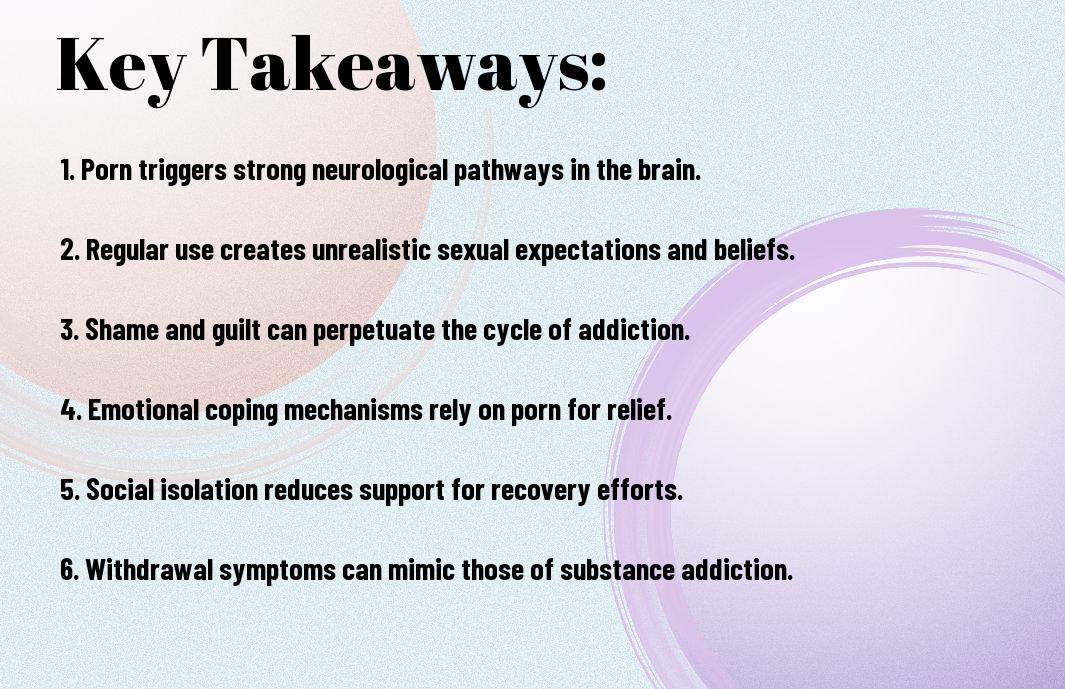
    Understanding porn addiction is essential for recovery. Many people struggle with porn addiction silently, but recognizing the patterns of porn addiction is the first step toward change.

    Understanding porn addiction is essential for recovery. Many people struggle with porn addiction silently, but recognizing the patterns of porn addiction is the first step toward change.

    Understanding porn addiction is essential for recovery. Many people struggle with porn addiction silently, but recognizing the patterns of porn addiction is the first step toward change.
    Related reading

  • Why Delaying Porn Addiction Recovery Is So Harmful

    Why Delaying Porn Addiction Recovery Is So Harmful

    Start with our signs of porn addiction guide for background.

    It’s necessary to recognize the impact that delaying recovery from porn addiction can have on your life. Prolonging the process can lead to ongoing emotional distress, relationship issues, and hindered personal growth.

    Understanding the dynamics of this addiction is key to realizing why taking timely action is imperative for your mental health and overall well-being. As you explore the reasons behind this delay, you will empower yourself to make informed choices that can facilitate a healthier and more fulfilling life.

    Why Delaying Porn Addiction Recovery Is So Harmful

    Key Takeaways:

    • Recognizing the impact of porn addiction on mental health is the first step toward recovery.
    • Delaying recovery can lead to worsening emotional and psychological issues, such as anxiety and depression.
    • Building a support network, including friends, family, or professional counselors, is vital in the recovery process.
    • Understanding triggers and developing coping strategies can significantly assist in overcoming addiction.
    • Recovery may involve addressing underlying issues such as low self-esteem or relationship problems.
    • Engaging in healthy, fulfilling activities can replace the time and energy spent on porn, aiding recovery.
    • Consistent self-reflection and setting achievable goals can foster a sense of progress and motivation.

    Why Delaying Porn Addiction Recovery Is So Harmful — illustration 2

    Understanding Porn Addiction

    The journey to understand porn addiction begins with recognizing its pervasive influence on your life. As a behavior, it can affect your mental health, relationships, and overall well-being, often leading to a cycle of compulsivity and regret.

    Understanding the nature of this addiction is vital for achieving lasting recovery.

    Definition and Scope

    By defining porn addiction, professionals identify it as a compulsion to consume pornographic material, leading to negative consequences in your personal and social life. This addiction can manifest itself in various forms, and understanding its scope is necessary for effective treatment.

    Psychological and Behavioral Aspects

    After recognizing the definition of porn addiction, it’s important to examine into the psychological and behavioral aspects associated with it. Your relationship with porn can often be tied to deeper emotional issues, making it necessary to address these underlying factors for meaningful recovery.

    Also, various psychological factors contribute to porn addiction, including anxiety, depression, and low self-esteem. You may find that your use of porn serves as a coping mechanism for stress or emotional pain, reinforcing a cycle that leads to further isolation and emotional distress.

    Furthermore, behavioral patterns may emerge, such as increased secrecy and compulsive usage. Acknowledging these elements is fundamental to your journey in overcoming addiction and fostering healthier relationships with yourself and others.

    The Impact of Delay on Recovery

    You may not realize that each day you delay confronting your porn addiction prolongs your struggle and complicates your recovery journey. Procrastination can lead to a cascade of negative effects, stalling your progress and reinforcing unhealthy habits.

    The longer you wait, the deeper the cycle of addiction can entrench itself, making it increasingly difficult to reclaim your life and mental well-being.

    Consequences of Prolonged Addiction

    At some point, you may notice various consequences stemming from prolonged addiction, including impaired relationships, decreased productivity, and a sense of isolation. These outcomes can become overwhelming, making the prospect of recovery seem even more daunting.

    Each day spent in addiction can add layers of difficulty that complicate your path forward.

    Deterioration of Mental Health

    An ongoing struggle with porn addiction can significantly deteriorate your mental health, leading to feelings of anxiety, depression, and low self-esteem. This mental toll can affect various aspects of your life, from your personal relationships to your professional performance.

    Understanding the link between porn addiction and mental health is imperative for your recovery. You may find that the constant guilt and shame associated with your habits exacerbate feelings of anxiety or depression.

    This negative feedback loop can hinder your ability to engage in fulfilling activities or maintain healthy relationships. Addressing these mental health challenges is vital, as it can pave the way for a more holistic recovery process and enhance your overall well-being.

    Why Delaying Porn Addiction Recovery Is So Harmful — illustration 3

    Barriers to Seeking Help

    Now that you understand the importance of addressing your porn addiction, it’s crucial to recognize the barriers that may prevent you from seeking help. These obstacles can inhibit your recovery process and prolong your struggles.

    Identifying these barriers is the first step toward overcoming them, enabling you to pursue a healthier lifestyle and regain control over your life.

    Stigma and Shame

    With many people still harboring misconceptions about porn addiction, it’s common for you to feel stigmatized or ashamed of your struggles. This shame can deter you from reaching out for help or discussing your situation openly with others.

    Overcoming this stigma is vital for fostering a supportive environment that encourages honest conversations and healing.

    Lack of Awareness and Resources

    Barriers to seeking help can also stem from a lack of awareness and available resources regarding porn addiction. Many individuals are unaware of effective treatment options or support systems that exist to aid recovery.

    Without access to accurate information, it can be challenging for you to take the necessary steps towards healing and personal growth.

    Even if you’re motivated to tackle your addiction, the absence of resources can create significant obstacles. You might struggle to find articles, programs, or support groups tailored to your specific needs.

    This lack of information can leave you feeling isolated and helpless, making it even harder to reach out for support. Taking the time to research available resources can empower you and pave the way toward recovery.

    Why Delaying Porn Addiction Recovery Is So Harmful — illustration 4

    The Importance of Early Intervention

    Your journey towards recovery from porn addiction can profoundly benefit from early intervention. Engaging with support systems and professional guidance at the onset of your struggles can drastically improve your chances of success.

    By addressing the issue early, you can prevent deeper entrenchment into unhealthy habits, resulting in a more manageable and productive recovery process.

    Benefits of Timely Recovery

    Along with fostering healthier relationships, timely recovery from porn addiction can enhance your mental clarity, emotional regulation, and self-esteem.

    By addressing the addiction sooner rather than later, you can reclaim control over your life, resulting in improved well-being and a stronger sense of purpose.

    Strategies for Accelerating Recovery

    Across various methods, implementing constructive strategies can significantly propel your recovery journey. This could involve establishing a strong support network, seeking therapy, or developing a personalized plan to manage cravings and triggers.

    Consequently, prioritizing effective strategies such as cognitive-behavioral techniques, mindfulness practices, and engaging with supportive communities can streamline your recovery process. These approaches not only empower you to confront your addiction head-on but also promote healthier habits that reinforce your commitment to change.

    By utilizing these tools, you create a solid foundation for lasting recovery, enhancing your overall quality of life.

    Support Systems and Resources

    Not seeking support can prolong your recovery from porn addiction. Establishing a solid support system is vital for overcoming challenges you may face in your journey.

    Consider exploring various resources such as How People Get Better from Porn Addiction, which can guide you towards finding the right assistance and community to share experiences with.

    Professional Help and Therapy

    An effective way to navigate your recovery journey is by seeking professional help. Engaging with a therapist who specializes in addiction can provide you with tailored strategies and a safe space to explore your feelings.

    This guidance can significantly enhance your understanding of your addiction and foster positive behavioral changes.

    Community and Online Support Groups

    Among the most valuable resources in overcoming porn addiction are community and online support groups. These platforms offer an environment where you can connect with others who share similar struggles, enabling you to gain insights and encouragement from their experiences.

    Help is readily available through these communities, providing a network where you can openly discuss your challenges and triumphs. Participation in these groups not only helps in reducing feelings of isolation but also fosters accountability and motivation.

    Sharing your journey and learning from others can enhance your recovery experience and equip you with new coping strategies.

    Personal Stories of Recovery

    Unlike many challenges in life, recovery from porn addiction can be profoundly personal, with individuals initiateing on unique journeys toward healing. These stories, filled with struggles and victories, illustrate the resilience of the human spirit.

    Each person’s experience can inspire you, offering both hope and practical strategies that you can adapt to your own recovery process. Understanding how others navigated their paths can empower you to embrace your own story of transformation and renewal.

    Overcoming Challenges

    Above all, acknowledging the hurdles you face is vital for overcoming porn addiction. You may encounter moments of temptation, feelings of isolation, or setbacks that can deter your progress.

    However, confronting these challenges head-on can fortify your resolve, equipping you with the tools necessary to manage urges and remain focused on your goals for recovery.

    Transformative Journeys

    Overcoming porn addiction often catalyzes transformative journeys that reshape your understanding of intimacy, relationships, and self-worth. Through this process, you discover deeper connections not only with yourself but also with those around you.

    With effective strategies and support networks, you can redefine your life and embrace a healthier, more fulfilling existence.

    Considering the transformative nature of recovery, many individuals find that their journeys lead them to unexpected areas of personal growth. As you work through your challenges, you may uncover new passions, strengthen meaningful relationships, and develop a more profound sense of self-awareness.

    These shifts often bring you closer to your core values and aspirations. By engaging fully in your recovery, you can emerge not just free from addiction but reborn into a life filled with purpose and connection.

    Final Words

    Taking this into account, your path to recovery from porn addiction should not be postponed. Delaying action can exacerbate negative effects on your mental health, relationships, and overall well-being. Engaging with resources and understanding how this addiction impacts your life can empower you to make healthier choices.

    A study on the Effects of a 7-Day Pornography Abstinence Period on … emphasizes the benefits of taking immediate steps toward recovery. Prioritize your mental and emotional health by addressing this addiction today.

    FAQ

    Q: What is porn addiction?

    A: Porn addiction is characterized by an uncontrollable urge to view pornographic material despite negative consequences. It often leads to impaired functioning in various areas of life, such as relationships, work, and personal well-being.

    Q: Why is it important to recover from porn addiction?

    A: Recovering from porn addiction is important because it can restore healthy relationships, improve mental and emotional health, and enhance overall quality of life. It allows individuals to regain control over their choices and behaviors, leading to a more fulfilling life.

    Q: What are some reasons people delay recovery from porn addiction?

    A: Many individuals delay recovery due to shame, fear of judgment, or lack of confidence in their ability to change. They might also underestimate the impact of their addiction or feel overwhelmed by the prospect of withdrawal and lifestyle changes.

    Q: How does procrastination affect the recovery process?

    A: Procrastination can hinder progress by preventing individuals from seeking help or taking necessary steps toward recovery. The longer the delay, the deeper the addiction may become rooted, making it more challenging to overcome over time.

    Q: What strategies can help minimize delays in recovery?

    A: Creating a structured plan, setting realistic goals, and seeking support can significantly reduce delays in recovery. Engaging in therapy, joining support groups, and having accountability partners are practical steps that can help individuals stay on track.

    Q: Can engaging in self-help techniques be beneficial during recovery?

    A: Yes, self-help techniques such as mindfulness, journaling, and establishing new hobbies can provide valuable tools during recovery. These methods can help individuals focus on positive aspects of their lives and distract from cravings.

    Q: What role does professional help play in overcoming porn addiction?

    A: Professional help can be instrumental in addressing porn addiction. Therapists who specialize in addiction can provide tailored strategies, coping mechanisms, and emotional support, making the recovery process more manageable and effective.

    Related reading

  • Porn Addiction Relapse Prevention: Accountability Strategies

    Porn Addiction Relapse Prevention: Accountability Strategies

    Start with our signs of porn addiction guide for background.

    Addiction can feel isolating and overwhelming, especially when it comes to porn addiction. You may find that understanding effective recovery strategies is the key to reclaiming your life.

    In this post, we’ll explore evidence-based methods and practical steps you can take to address your struggles, rebuild relationships, and restore your self-esteem. By integrating these approaches into your daily routine, you can empower yourself to break free from the cycle of addiction and move toward a healthier, more fulfilling life.

    Key Takeaways:

    • Understanding triggers is necessary; identify situations, emotions, or environments that lead to cravings.
    • Establishing a support system, such as friends, family, or support groups, can provide accountability and encouragement.
    • Engaging in healthy and productive activities, such as exercise or hobbies, can help redirect energy and reduce urges.
    • Practicing mindfulness and meditation can enhance self-awareness and assist in managing impulses.
    • Setting clear goals and having a plan can improve focus on the recovery process and provide direction.
    • Seeking professional help from therapists or counselors trained in addiction recovery can lead to effective strategies and tools.
    • Being patient with oneself and celebrating small victories can foster a positive mindset during the recovery journey.

    Porn Addiction Relapse Prevention: Accountability Strategies

    Understanding Porn Addiction

    While many people view pornography as a harmless form of entertainment, it’s crucial to recognize that it can lead to addiction. Porn addiction can alter your brain’s reward system, making it difficult to achieve satisfaction from real-life relationships.

    This cycle may leave you feeling isolated, anxious, or ashamed, ultimately impacting your personal and social life.

    Defining Porn Addiction

    Any excessive consumption of pornographic material that interferes with your daily life can be classified as porn addiction. You may find yourself prioritizing porn over work, relationships, or other responsibilities.

    This compulsive behavior often results in an inability to cut back or stop, despite negative consequences.

    Signs and Symptoms

    By recognizing the signs and symptoms of porn addiction, you can take the first steps toward recovery.

    These may include preoccupation with pornographic content, escalating use to achieve the same level of satisfaction, and experiencing withdrawal-like symptoms when attempting to reduce your consumption.

    Due to the intense stimulation provided by frequent exposure to porn, you may find it challenging to experience sexual arousal or emotional connection during intimate situations. Your ability to focus on everyday tasks may diminish, while feelings of guilt or shame about your habits can further complicate your mental health.

    Identifying these patterns is imperative for addressing the underlying issues and seeking support.

    Porn Addiction Relapse Prevention: Accountability Strategies — illustration 2

    Psychological Impact of Porn Addiction

    Some individuals may underestimate the psychological ramifications of porn addiction. This compulsive behavior can lead to feelings of guilt, anxiety, and depression, as it often interferes with everyday life and personal relationships.

    Acknowledging these psychological effects is imperative for understanding your recovery journey and rebuilding a healthier mindset.

    Emotional Consequences

    At times, you may find yourself trapped in a cycle of intense emotions stemming from porn addiction. Feelings of shame and isolation can arise, leading to heightened stress and complicating your emotional well-being.

    Addressing these emotional consequences is vital for achieving lasting recovery and improving your quality of life.

    Social Implications

    One significant aspect of porn addiction is its impact on your social life. As your reliance on pornography increases, you may withdraw from friends and family, ultimately straining your relationships and hindering your social skills.

    Emotional disconnection from loved ones can create a sense of loneliness, further exacerbating the cycle of addiction. As your relationships suffer, you may feel less inclined to engage socially, leading to diminished support networks.

    This isolation can reinforce negative feelings and make it harder for you to reach out for help. Building healthier social connections should be a focus of your recovery process, allowing you to reconnect with others and foster supportive relationships that encourage positive behavioral change.

    Porn Addiction Relapse Prevention: Accountability Strategies — illustration 3

    Effective Recovery Strategies

    Keep in mind that recovery from porn addiction requires a multi-faceted approach. You can implement effective strategies that encompass self-awareness, behavior modification, and social support.

    Combining tools such as setting clear goals, tracking your progress, and understanding triggers can significantly contribute to your recovery journey. Prioritizing these strategies can empower you to reclaim control over your habits and foster healthier relationships with intimacy and sexuality.

    Therapy and Counseling Options

    On your path to recovery, seeking professional help can make a meaningful difference. Therapists specializing in addiction can provide you with personalized strategies to address underlying issues and develop healthier coping mechanisms.

    Individual therapy, cognitive-behavioral therapy, or group therapy can create a structured environment tailored to your needs, guiding you to a better understanding of your behaviors and emotions.

    Support Groups and Community Resources

    An effective way to navigate your recovery is through support groups and community resources. Connecting with others who share similar experiences can offer comfort and insight as you work on overcoming your addiction.

    Many organizations provide meetings, online forums, and workshops that foster acceptance and encouragement, enabling you to share your journey and learn from others’ successes.

    At these support groups, you will find a sense of belonging and understanding that is often missing in your daily life. Interacting with individuals who are facing the same challenges can help alleviate feelings of isolation and shame that often accompany addiction.

    Group discussions usually focus on personal experiences and solutions, allowing you to build friendships that support your recovery journey. Community resources can also provide access to valuable educational materials and workshops, reinforcing your commitment to change and growth.

    Lifestyle Changes for Recovery

    Not only does recovery from porn addiction require willpower, but it also necessitates significant lifestyle changes. Adopting healthier routines can reshape your environment and foster a supportive atmosphere, paving the way for lasting recovery.

    By focusing on various aspects of your life, you can reduce triggers, enhance emotional well-being, and cultivate resilience against relapse.

    Healthy Habits to Foster Recovery

    An effective way to support your recovery journey is by establishing healthy habits. Incorporating regular physical activity, balanced nutrition, and adequate sleep into your routine can enhance your mood and reduce stress.

    This holistic approach not only bolsters your mental health but also creates a strong foundation for maintaining focus on your recovery goals.

    The Role of Mindfulness and Meditation

    A powerful tool in your recovery arsenal is mindfulness and meditation. Practicing these techniques helps you cultivate awareness of your thoughts and emotions, allowing you to manage cravings more effectively.

    By focusing on the present moment, you can reduce anxiety and build resilience against the urges that can compromise your recovery.

    A regular mindfulness and meditation practice can significantly enhance your ability to cope with challenges during recovery. Engaging in daily sessions, even for just a few minutes, allows you to develop greater self-awareness and emotional regulation.

    This mental clarity empowers you to understand and dismantle harmful patterns, creating a more positive mindset that supports your journey away from porn addiction.

    Porn Addiction Relapse Prevention: Accountability Strategies — illustration 4

    The Importance of Accountability

    Unlike many challenges in life, overcoming porn addiction requires a solid system of accountability. This approach not only increases your commitment to recovery but also helps you stay focused on your goals.

    Sharing your journey with someone you trust can provide encouragement, and constructive feedback, making it easier to navigate through difficult moments. By being open about your struggles and triumphs, you create a supportive environment that fosters personal growth and resilience against relapse.

    Building a Support Network

    Across your recovery journey, establishing a support network is imperative for staying accountable. Friends, family members, or even support groups can provide the emotional and moral support you need.

    When you share your challenges and achievements with others, you not only feel less isolated but also commit to your recovery efforts. Encouragement and understanding from those around you can greatly enhance your chances of success.

    Tools for Tracking Progress

    Before you initiate on your recovery from porn addiction, incorporating tools for tracking your progress can significantly benefit your journey. These tools can include journals, apps, or worksheets that allow you to monitor your thoughts, urges, and achievements over time.

    By consistently reviewing your progress, you can identify patterns and triggers, enabling you to develop healthier coping strategies.

    In addition, utilizing these tracking tools instills a sense of discipline and ownership in your recovery. You can set specific goals, document your feelings, and assess your triggers, which leads to greater self-awareness.

    By analyzing this information, you can make informed adjustments to your strategies, ensuring you remain on a constructive path. Tracking progress not only highlights how far you’ve come but also reinforces your commitment to achieving a healthier and addiction-free life.

    Relapse Prevention Techniques

    Once again, implementing effective relapse prevention techniques is vital to maintain your progress. Strategies such as identifying potential triggers and having a plan in place can significantly reduce the risk of setbacks.

    Consider exploring resources like How Long Does it Take to Break a Porn Addiction? to better understand your journey and what you can do to stay on track.

    Identifying Triggers

    An important step in preventing relapse is identifying your personal triggers. These can be situations, emotions, or even certain environments that lead to cravings for porn.

    By becoming aware of these triggers, you can develop strategies to navigate or avoid them, making it easier for you to maintain your commitment to recovery.

    Developing Coping Mechanisms

    Below, you’ll find that establishing effective coping mechanisms is vital for overcoming challenges. By creating a toolkit of healthy responses to stress or boredom, you can steer clear of the urge to revert to old habits.

    Consider mindfulness practices, exercise, or creative outlets to enhance your emotional resilience.

    Further, it’s beneficial to tailor your coping mechanisms to fit your unique lifestyle and preferences. Engaging in activities that genuinely interest you can distract you from cravings and provide fulfillment.

    Additionally, reaching out to supportive friends or communities can enhance your motivation to stay committed to your recovery. Explore various strategies and adapt them as needed to strengthen your defense against relapse.

    To wrap up

    Now that you understand the importance of a multi-faceted approach to recovery from porn addiction, you can implement strategies that work specifically for you. Consider integrating therapy, accountability partnerships, and mindfulness practices into your routine. Educate yourself about the nature of addiction, and connect with supportive communities.

    Acknowledging triggers and replacing them with healthier activities will empower you on this journey. Your commitment to these steps can lead to meaningful change and a fulfilling life free from the grips of addiction.

    FAQ

    Q: What are the first steps I can take to tackle porn addiction?

    A: The first steps to address porn addiction often involve self-awareness and acknowledgment of the problem. You may start by journaling your thoughts and feelings related to your habits, which can help you recognize triggers.

    Setting clear goals for reducing or eliminating porn consumption is also beneficial, as is seeking support from trusted friends, family, or online communities that understand the issue.

    Q: How important is professional help in recovering from porn addiction?

    A: Professional help can play a significant role in recovery for many individuals. Therapists or counselors who specialize in sexual health or addiction can provide tailored strategies and tools to overcome habitual behaviors.

    Therapy can also help uncover underlying issues contributing to the addiction, which can lead to lasting change.

    Q: Are there specific techniques that can aid in recovery?

    A: Yes, several techniques can be helpful in recovery from porn addiction. Cognitive-behavioral therapy (CBT) is often utilized to alter negative thought patterns and develop healthier coping mechanisms.

    Mindfulness and meditation practices can enhance self-awareness and help manage urges. Additionally, establishing a daily routine that includes physical activity and hobbies can redirect focus away from temptations.

    Q: How can developing a support system impact recovery?

    A: A strong support system can greatly enhance recovery. Sharing your journey with friends, family, or support groups can provide encouragement, accountability, and a sense of belonging.

    Engaging in open conversations can also reduce feelings of shame or isolation, making it easier to stay committed to overcoming the addiction.

    Q: What role does setting goals play in recovery?

    A: Setting specific and achievable goals is vital in the recovery process. Goals can help provide direction and motivation.

    They allow you to track progress over time, making it easier to celebrate small successes. Breaking down larger goals into manageable steps can also create a sense of accomplishment, reinforcing positive change.

    Q: Are there lifestyle changes that can facilitate recovery?

    A: Lifestyle changes can significantly support recovery efforts. Engaging in regular physical activity can boost your mood and energy levels, while prioritizing a balanced diet can promote overall well-being.

    Reducing exposure to triggers, whether they be specific media or situations, is also critical. Establishing a more structured daily routine can help minimize idle time that may lead to cravings.

    Q: How can I cope with setbacks during recovery?

    A: Setbacks are a common part of the recovery journey. It is important to approach them with self-compassion and a growth mindset. Reflecting on what triggered the setback can help identify patterns and inform future strategies.

    Seeking support from your network or a professional can also provide guidance and encouragement in getting back on track. Use setbacks as learning opportunities rather than failures.

    Understanding porn addiction is essential for recovery. Many people struggle with porn addiction silently, but recognizing the patterns of porn addiction is the first step toward change.

    Understanding porn addiction is essential for recovery. Many people struggle with porn addiction silently, but recognizing the patterns of porn addiction is the first step toward change.

    Understanding porn addiction is essential for recovery. Many people struggle with porn addiction silently, but recognizing the patterns of porn addiction is the first step toward change.

    Related reading

  • Porn Addiction Recovery: 5 Proven Facts You Must Know

    Porn Addiction Recovery: 5 Proven Facts You Must Know

    Start with our signs of porn addiction recovery guide for background.

    Recovery from porn addiction can often feel daunting and overwhelming, leaving you questioning when hope will reemerge in your life. As you navigate this challenging journey, understanding the signs of progress and the stages of healing is vital.

    You may encounter setbacks, but recognizing that these moments are part of the process can offer reassurance. If you’re struggling with the risk of Porn Addiction Relapse, know that hope can return through perseverance, support, and the right strategies.

    Key Takeaways:

    • Hope can often return when individuals recognize their addiction and express a desire for change.
    • Engaging in support groups or therapy can provide encouragement, feedback, and shared experiences, fostering hope.
    • Set small, achievable goals related to recovery to build confidence and reinforce a sense of progress.
    • Understanding triggers and developing coping strategies can empower individuals in managing their addiction.
    • Practicing self-compassion and patience with oneself throughout the recovery journey can promote a more hopeful outlook.
    • Celebrating milestones, no matter how small, can help sustain motivation and optimism in the recovery process.
    • Building a network of supportive friends or family can recharge hope and provide a sense of belonging during tough times.

    Porn Addiction Recovery: 5 Proven Facts You Must Know

    Porn Addiction Recovery: Understanding Porn Addiction

    As you probe into the complex issue of porn addiction, it’s imperative to recognize that it is a behavioral addiction, characterized by an overwhelming urge to consume pornography despite negative consequences. This compulsive behavior can interfere with your daily life, relationships, and mental well-being, leading to a cycle that feels increasingly difficult to break.

    Understanding the dynamics of porn addiction lays the groundwork for your recovery journey.

    The Science Behind Addiction

    Above all, porn addiction is rooted in how your brain processes pleasure. Engaging with pornography triggers the release of dopamine, a neurotransmitter linked to pleasure and reward.

    Over time, your brain may become reliant on this stimulus, diminishing your ability to find joy in everyday activities. This neurochemical shift means that you may need more extreme content to achieve the same level of satisfaction, perpetuating the cycle of addiction.

    Signs and Symptoms of Porn Addiction

    Before you can address porn addiction, it’s vital to identify its signs and symptoms. These may include an inability to control your consumption, neglecting responsibilities, and experiencing feelings of shame or guilt after viewing porn.

    Awareness of these indicators can help you recognize the impact of your behavior and motivate you to seek change.

    Also, you may find yourself investing excessive time in searching for or viewing porn, leading to isolation from friends and family. You might notice that your relationships suffer, or you may prefer pornography over real-life intimacy.

    Physical symptoms such as increased anxiety, irritability, and withdrawal experiences may also emerge when you attempt to cut back. Recognizing these signs can be the first step towards reclaiming control over your life.

    The Recovery Process

    Clearly, the recovery journey from porn addiction requires commitment and self-reflection. You will navigate various emotional and psychological challenges as you work towards healthier habits.

    Resources such as Finding Hope and Love When Battling Pornography can provide important support during this transformative time. Engaging with supportive communities and therapeutic interventions can foster a stronger sense of hope, ultimately guiding you through the process.

    Stages of Recovery

    After acknowledging your addiction, you will move through distinct stages in your recovery. The initial stage may involve recognizing the triggers that lead to use, while later stages focus on building resilience and healthier coping strategies.

    Embracing each stage with patience and understanding will allow you to develop a richer and more fulfilling life.

    Setting Realistic Goals

    With clear intentions, setting realistic goals can significantly enhance your recovery process. These goals serve as milestones that can help you stay focused and motivated. By offering yourself achievable targets, you nurture a positive self-image and create a structured pathway to success.

    Even small, incremental goals can lead to sustained progress in your recovery journey. Consider setting daily or weekly targets that align with your values and aspirations, such as reducing your screen time or practicing mindfulness.

    Re-evaluating these goals regularly will allow you to adapt to your evolving needs, celebrate your victories, and stay committed to your long-term vision of a healthier life.

    Porn Addiction Recovery: 5 Proven Facts You Must Know — illustration 2

    Finding Hope in Recovery

    Not every day will feel like a step forward during your recovery from porn addiction, but hope can emerge in the most unexpected ways. As you navigate this journey, finding moments of clarity and support will help reignite the light within you.

    With each small victory, you can gradually rebuild your self-esteem and envision a healthier future. Embracing the ups and downs is part of the process, and hope is always waiting to be rediscovered.

    Peer Support and Community

    Around you, a network of individuals who share similar struggles can provide invaluable encouragement and understanding. Engaging in support groups or connecting with others facing porn addiction helps diminish feelings of isolation.

    This sense of community fosters connections, allowing you to share experiences and strategies for overcoming challenges while motivating one another to stay committed to recovery.

    The Role of Therapy

    The journey toward recovery often benefits from professional guidance. Engaging with a therapist specializing in addiction can help you explore underlying issues that may contribute to your behavior.

    Through therapy, you will gain insight into patterns, develop coping strategies, and receive support tailored to your unique needs, enabling you to navigate this complex landscape with greater confidence.

    Role of therapy in your recovery is to offer structured support tailored to your specific experience. A therapist will help you identify triggers and unhealthy thought patterns, while providing tools for managing urges effectively.

    The therapeutic relationship fosters a non-judgmental space where you can express feelings and fears, ultimately guiding you toward understanding and healing. As you uncover the root causes of your addiction, you’ll be better equipped to make lasting changes in your life.

    Porn Addiction Recovery: 5 Proven Facts You Must Know — illustration 3

    Coping Mechanisms for Cravings

    For those navigating the path of porn addiction recovery, developing effective coping mechanisms for cravings is crucial. Acknowledging the urge is the first step, but it’s vital to have strategies in place to manage those moments of weakness.

    By utilizing various tools and techniques, you can reduce the intensity and frequency of your cravings while reinforcing your commitment to a healthier lifestyle. This creates space for healing and growth, guiding you toward a more fulfilling life free from addiction.

    Healthy Alternatives

    By engaging in healthy alternatives, you can divert your attention from cravings and channel your energy into positive activities. Consider exercise, reading, or picking up a new hobby as constructive outlets.

    These activities not only occupy your thoughts but also cultivate a sense of achievement and satisfaction that can replace the temporary pleasure derived from porn. You could explore creative endeavors like writing or art, which can serve as emotional releases and provide a rewarding experience.

    Mindfulness and Self-Compassion

    Between the cravings and your response lies the power of mindfulness and self-compassion. Practicing mindfulness helps you stay present, reducing the overwhelming nature of cravings by observing your thoughts without judgment.

    By being kind to yourself during this process, you acknowledge that recovery is a journey filled with ups and downs. This approach encourages you to treat yourself with the same care you would offer a friend facing similar challenges.

    Understanding the role of mindfulness and self-compassion is crucial in your recovery journey. Mindfulness equips you with the ability to observe your cravings objectively, allowing you to create distance between the urge and your decisions.

    In tandem, self-compassion fosters resilience, enabling you to forgive yourself for setbacks and treat failures as growth opportunities. Together, these practices can significantly enhance your emotional well-being, shift your focus from guilt to understanding, and empower you to navigate cravings with greater ease.

    Porn Addiction Recovery: 5 Proven Facts You Must Know — illustration 4

    Long-Term Strategies for Success

    Unlike quick fixes, long-term strategies for success in porn addiction recovery hinge on developing sustainable practices that foster resilience and growth.

    By committing to a holistic approach that combines self-awareness, emotional regulation, and community support, you can create a robust foundation for your recovery journey, paving the way for lasting change.

    Building New Habits

    After identifying triggers and unhealthy patterns, it is crucial to build new habits that promote a healthier lifestyle. Start small and focus on incremental changes, such as engaging in physical activities, practicing mindfulness, or developing creative outlets.

    These new habits will help replace the time previously spent on pornography and allow you to explore more fulfilling pursuits.

    Maintaining a Supportive Environment

    Environment plays a vital role in your recovery process. Surround yourself with individuals who understand your journey and support your goals. This can include friends, family, or support groups who foster a positive atmosphere, encouraging open communication and accountability.

    With the right environment, you can significantly enhance your recovery. Surrounding yourself with supportive individuals not only reduces feelings of isolation but also provides encouragement during tough times.

    Creating physical spaces that limit access to triggers and distractions further strengthens your commitment to change. By actively engaging with your support network, you reinforce your resolve and cultivate positive relationships that inspire growth and resilience.

    Personal Stories of Hope

    Despite the challenges you may face during porn addiction recovery, many individuals have found their way back to a fulfilling life. Stories of hope remind you that overcoming this struggle is possible, and that healing is attainable.

    Each journey is unique, resonating with the understanding that setbacks do not equate to failure. You can find inspiration in the narratives of others who have conquered their addictions and emerged stronger, allowing you to envision a brighter, healthier future.

    Transformative Journeys

    Below are accounts of individuals who have turned their lives around after battling porn addiction. Each story showcases the power of resilience and determination. These transformative journeys emphasize that recovery is not linear; it often includes missteps, but with perseverance, you can improve.

    By sharing these experiences, you can gain insight into your own potential for change. They serve as testimonials that hope can indeed flourish after a dark period.

    Lessons Learned

    Journeys of recovery unveil many lessons that are instrumental to your growth and healing. Often, individuals discover that self-compassion and establishing a supportive network are vital elements in their recovery.

    You learn to recognize triggers and replace them with healthy habits, paving your way to wellness. Acknowledging the importance of relapse as a part of the recovery process can further empower you, allowing you to approach each setback as an opportunity for learning and progress.

    Learned through experience, individuals find that vulnerability and openness can lead to deeper connections with themselves and others. Understanding your addiction’s underlying causes can shed light on patterns in your behavior and emotions.

    This awareness facilitates healing, empowering you to confront the root issues rather than masking them. Ultimately, recognizing that recovery is a journey filled with both triumphs and challenges equips you with the tools to continue moving forward, fostering a mindset of growth and resilience.

    Summing up

    So, as you navigate your journey through porn addiction recovery, hope gradually returns as you recognize your progress and reconnect with your values. Acknowledging small victories, seeking support, and understanding that setbacks are part of the process can reinforce your motivation.

    Note, hope is not a distant goal but a daily choice; it flourishes as you cultivate healthier habits and prioritize self-compassion. By taking consistent steps forward, you can foster a renewed sense of purpose and clarity in your life.

    FAQ

    Q: What triggers the feeling of hope during porn addiction recovery?

    A: The feeling of hope often begins to emerge when individuals recognize their desire for change and start taking active steps toward recovery. This can be through seeking therapy, joining support groups, or understanding the negative impact of their addiction.

    Small victories, such as reduced consumption or better control over impulses, can also contribute to a renewed sense of hope.

    Q: How long does it typically take for hope to return in recovery?

    A: The timeline for hope’s return can vary greatly from person to person. Some may experience a shift in perspective within weeks, while others might find it takes months.

    Factors such as personal commitment, the severity of the addiction, and support systems play significant roles in how quickly hope can be rekindled.

    Q: What role do support groups play in restoring hope?

    A: Support groups provide a sense of community and shared experience, which can be incredibly uplifting. Hearing stories of recovery from others who have faced similar struggles can instill hope and reinforce the belief that recovery is achievable.

    The collective encouragement and accountability foster a positive environment that promotes healing.

    Q: Are there specific practices that can help cultivate hope during the recovery process?

    A: Yes, several practices can help cultivate hope, such as journaling about progress, setting achievable goals, and engaging in mindfulness or meditation.

    Additionally, educating oneself about the impacts of porn addiction and the brain’s ability to heal can instill confidence in the recovery journey.

    Q: How does self-compassion contribute to feeling hopeful?

    A: Self-compassion allows individuals to treat themselves with kindness rather than harsh judgment. This positive attitude can alleviate feelings of shame and guilt related to addiction, promoting a more optimistic outlook.

    Embracing flaws and understanding that mistakes are part of recovery can significantly enhance a person’s sense of hope.

    Q: What signs indicate that hope is truly returning in recovery?

    A: Signs of hope returning may include greater motivation to participate in recovery activities, increased resilience in facing challenges, improved emotional well-being, and a shift in perspective regarding the future.

    A person may also start to envision a fulfilling life without addiction and express gratitude for small advancements in their journey.

    Q: Can addressing underlying issues increase feelings of hope in recovery?

    A: Absolutely. Many individuals find that addressing underlying issues, such as trauma, anxiety, or depression, can significantly enhance their recovery experience.

    When these root causes are dealt with effectively, it often leads to a greater sense of emotional stability and hope for a healthier future, allowing for a more holistic approach to overcoming addiction.

    Understanding porn addiction recovery is essential for recovery. Many people struggle with porn addiction recovery silently, but recognizing the patterns of porn addiction recovery is the first step toward change.

    Understanding porn addiction recovery is essential for recovery. Many people struggle with porn addiction recovery silently, but recognizing the patterns of porn addiction recovery is the first step toward change.

    Understanding porn addiction recovery is essential for recovery. Many people struggle with porn addiction recovery silently, but recognizing the patterns of porn addiction recovery is the first step toward change.

    Understanding porn addiction recovery is essential for recovery. Many people struggle with porn addiction recovery silently, but recognizing the patterns of porn addiction recovery is the first step toward change.

    Understanding porn addiction recovery is essential for recovery. Many people struggle with porn addiction recovery silently, but recognizing the patterns of porn addiction recovery is the first step toward change.

    Understanding porn addiction recovery is essential for recovery. Many people struggle with porn addiction recovery silently, but recognizing the patterns of porn addiction recovery is the first step toward change.

    Understanding porn addiction recovery is essential for recovery. Many people struggle with porn addiction recovery silently, but recognizing the patterns of porn addiction recovery is the first step toward change.

    Understanding porn addiction recovery is essential for recovery. Many people struggle with porn addiction recovery silently, but recognizing the patterns of porn addiction recovery is the first step toward change.

    Understanding porn addiction recovery is essential for recovery. Many people struggle with porn addiction recovery silently, but recognizing the patterns of porn addiction recovery is the first step toward change.

    Related reading

  • Porn Addiction: 5 Critical Facts You Must Know

    Porn Addiction: 5 Critical Facts You Must Know

    Start with our signs of porn addiction guide for background.

    Overcoming a porn addiction can be a challenging process, not only for the individual but also for their loved ones. If you suspect someone in your life is struggling with this issue, it’s important for you to take action promptly.

    By understanding the signs of addiction and providing supportive resources, you can make a significant difference in their journey towards recovery. This guide will explore practical steps you can take to assist them effectively and foster an environment of trust and healing.

    Porn Addiction: 5 Critical Facts You Must Know

    Key Takeaways:

    • Addressing porn addiction early can prevent further negative impacts on mental health, relationships, and daily functioning.
    • Open and non-judgmental communication fosters trust and encourages the individual to seek help.
    • Providing resources such as therapy, support groups, or educational materials can assist the person in understanding their addiction and how to cope.
    • Setting clear boundaries and encouraging healthy habits can create a supportive environment for recovery.
    • Recognizing that addiction is a complex issue can help in offering compassion and understanding rather than blame or shame.

    Porn Addiction: 5 Critical Facts You Must Know — illustration 2

    Understanding Porn Addiction

    A porn addiction can be an insidious and increasingly common issue that affects many individuals across different demographics. It often manifests as a compulsive need to consume pornography, leading to negative consequences in personal relationships, mental health, and overall well-being.

    Recognizing this addiction early on can be vital for effective intervention and support, allowing you or someone you care about to reclaim a healthier, more balanced life.

    Defining Porn Addiction

    Behind the definition of porn addiction lies a behavioral pattern characterized by excessive consumption of pornography despite adverse effects.

    It often means that you find it challenging to resist the urge to view porn, which disrupts daily functioning, relationships, and emotional stability, making it imperative to approach the issue with understanding and compassion.

    Recognizing the Signs and Symptoms

    One of the first steps in addressing porn addiction is identifying the signs and symptoms that indicate an ongoing struggle. These may include a preoccupation with pornography, difficulty focusing on everyday tasks, and feelings of guilt or shame following consumption.

    You may notice that your use of porn escalates over time or that you rely on it to cope with stress or emotional pain.

    Understanding the signs and symptoms of porn addiction can empower you to act. You might experience withdrawal symptoms when unable to access porn, resulting in irritability, anxiety, or restlessness.

    Additionally, your relationships may suffer as you prioritize online content over meaningful connections with others. Recognizing these patterns is the first step toward seeking the help you need to overcome addiction and rebuild a healthy relationship with yourself and others.

    The Impact of Porn Addiction

    You may not be aware, but porn addiction can profoundly affect every aspect of an individual’s life, from mental health to personal relationships. It can lead to feelings of shame, isolation, and hopelessness.

    If you wish to navigate this sensitive topic, consider exploring Four Things to Do When You’re Dating Someone Who … to better understand how to provide support and encouragement.

    Emotional and Psychological Effects

    One of the major impacts of porn addiction is on emotional and psychological well-being. Individuals may experience increased anxiety, depression, and even feelings of inadequacy, negatively affecting their self-esteem and overall mental health.

    Effects on Relationships

    Any relationship can suffer when one partner struggles with porn addiction. Communication often breaks down, trust erodes, and the emotional connection may weaken, leaving both partners feeling frustrated and distant.

    Considering the effects of porn addiction on relationships, it’s necessary to address the underlying issues openly. By fostering honest conversations, setting boundaries, and seeking appropriate help, you can work together to rebuild trust and restore intimacy.

    A healthy partnership relies on mutual understanding, support, and commitment to overcoming challenges together.

    Why Immediate Action is Crucial

    Many individuals underestimate the severity of porn addiction, often thinking they can handle it alone. However, delaying action can exacerbate the situation, leading to emotional distress, relationship problems, and even mental health issues.

    By addressing the addiction promptly, you not only help the affected person regain control over their life but also foster open communication and support, which are vital for recovery.

    Long-term Consequences

    Crucial impacts of unresolved porn addiction extend beyond personal shame. They can include chronic relationship issues, reduced intimacy, and even sexual dysfunction.

    Additionally, prolonged exposure to pornography can alter your brain’s reward systems, leading to difficulties in experiencing pleasure in everyday life. Recognizing these potential outcomes can motivate you to act decisively in supporting your loved one.

    Benefits of Early Intervention

    The advantages of acting early in the face of porn addiction are significant. When you intervene sooner, you can help prevent further damage to personal relationships and mitigate the psychological effects of the addiction.

    Early action also facilitates the development of healthier coping strategies, allowing for improved emotional regulation and fulfillment.

    Understanding the benefits of early intervention can pave the way for recovery. By addressing the addiction shortly after it becomes apparent, you help the individual build a strong foundation for healing.

    This proactive approach often leads to better outcomes in terms of emotional stability, improved relationships, and an overall enhanced quality of life. Your support during this critical time can make all the difference in their journey toward recovery and well-being.

    How to Support a Loved One

    Unlike many challenges, supporting a loved one with a porn addiction requires a sensitive and understanding approach. You play a vital role in their recovery journey by offering emotional support, listening to their concerns, and encouraging them to seek professional help.

    Your proactive involvement can significantly impact their path to overcoming addiction and rebuilding their life.

    Open and Honest Communication

    Along your journey to help your loved one, foster an atmosphere of open and honest communication. Encourage them to share their feelings and experiences without fear of judgment, allowing them to express their struggles as they navigate their addiction.

    Your empathetic listening can help them feel valued and understood.

    Creating a Supportive Environment

    Before you can effectively support your loved one, it’s important to create a supportive environment that fosters healing and growth. This involves eliminating triggers associated with their addiction and replacing them with healthy activities that promote engagement and connection.

    With a supportive environment, you can lay the groundwork for lasting change. This might include limiting access to certain content online, encouraging participation in new hobbies, or suggesting therapy options that align with their recovery goals.

    By actively cultivating positive experiences, you show that you believe in their ability to overcome challenges and grow stronger in their journey.

    Resources and Professional Help

    All individuals struggling with a porn addiction can benefit from various resources and professional help. Seeking assistance is an important step toward recovery, as trained professionals provide guidance, understanding, and effective strategies tailored to your unique situation.

    Different types of support are available, including therapy, support groups, and online resources that cater to your specific needs and preferences.

    Therapy Options

    After recognizing the need for support, consider exploring therapy options. A licensed therapist experienced in addiction can help you uncover underlying issues and develop coping strategies.

    Various therapy modalities, such as cognitive-behavioral therapy and mindfulness techniques, can address maladaptive behaviors and promote healthier habits. Engaging in this process will empower you to reclaim control over your life and rebuild connections.

    Support Groups and Online Resources

    Support groups and online resources can be a valuable component of your recovery journey. Joining a group allows you to connect with others facing similar challenges, fostering a sense of community and shared understanding.

    Online forums, blogs, and webinars offer additional avenues for support and information, making it easier for you to access help at your convenience.

    Consequently, when you engage in support groups and utilize online resources, you open doors to collective wisdom and motivation. Many groups focus specifically on porn addiction, providing safe spaces for discussion without judgment.

    You can share experiences, receive encouragement, and learn coping techniques from those on similar paths. Researching and participating in these groups can significantly enrich your recovery experience by reinforcing the knowledge that you’re not alone in this journey.

    Porn Addiction: 5 Critical Facts You Must Know — illustration 3

    Coping Strategies for the Individual

    Once again, it’s important to focus on effective coping strategies to navigate the challenges posed by porn addiction. Acknowledging your behavior and its impact on your well-being is the first step.

    You can make productive choices that promote healing and recovery. Incorporating supportive habits into your daily life can significantly enhance your ability to manage triggers and emotional lows, ultimately leading you to a healthier state of mind.

    Developing Healthy Habits

    On your journey to overcoming porn addiction, developing healthy habits can create a supportive environment for your recovery. Start small by engaging in activities that promote your physical and mental well-being, such as regular exercise, reading, or journaling.

    Surround yourself with positive influences and allocate time for self-reflection, as these practices will reinforce your commitment to change.

    Techniques for Managing Urges

    Habits can significantly influence how you handle urges when they arise. Developing a toolkit of techniques to manage these impulses is vital to maintaining your progress.

    This toolkit may include mindfulness practices, distraction methods, and having a list of supportive resources ready when you feel overwhelmed. The key is to recognize your triggers and implement your strategies effectively.

    Strategies for managing urges effectively can include deep breathing exercises to help center your mind, engaging in physical activity to release pent-up energy, and practicing mindfulness techniques to bring awareness to your feelings without acting on them. You might also find it helpful to keep a journal where you can track your urges and the triggers associated with them.

    By identifying patterns, you can better prepare yourself with personalized coping strategies to combat the impulses as they arise.

    Porn Addiction: 5 Critical Facts You Must Know — illustration 4

    Final Words

    Ultimately, addressing a porn addiction in someone you care about is crucial for their emotional and mental well-being. By acting now, you can foster an environment of support and understanding that encourages them to seek help.

    Be informed about resources and strategies, as your involvement can make a significant difference in their journey to recovery. Approach the situation with compassion and patience, as your role can positively influence their ability to reclaim control over their life.

    FAQ

    Q: What are the signs that someone may have a porn addiction?

    A: Signs of a porn addiction can include spending excessive amounts of time viewing adult content, neglecting responsibilities or relationships due to this habit, experiencing cravings or withdrawal symptoms when not viewing it, and using porn as a primary means of coping with stress or emotional distress.

    If the individual expresses guilt or shame about their habits yet continues to engage in them, this may indicate a deeper issue.

    Q: Why is it important to address porn addiction sooner rather than later?

    A: Addressing porn addiction early can help prevent the development of more severe issues, such as diminishing intimacy in relationships, decreased sexual satisfaction, and potential mental health challenges like anxiety and depression.

    Early intervention offers better chances of recovery and can help maintain healthier relationships and lifestyle choices.

    Q: How can I approach someone to talk about their porn addiction without making them defensive?

    A: Approach the conversation with empathy and understanding. Start by expressing concern for their well-being and framing the discussion around care for them rather than judgment.

    Use “I” statements to express how their behavior affects you or others, rather than blaming or shaming them. It can be helpful to create a safe space where they feel supported and not attacked.

    Q: Are there effective methods to assist someone in overcoming porn addiction?

    A: Effective methods can include encouraging professional help from therapists or counselors who specialize in addiction, suggesting support groups where individuals can share experiences, and promoting healthier coping strategies like engaging in hobbies or physical activities.

    Building a network of support while respecting their autonomy is key to fostering a positive change.

    Q: What role does open communication play in supporting someone with a porn addiction?

    A: Open communication is vital as it builds trust and allows for honest dialogues about struggles and feelings. It creates an environment where the person feels safe to share their experiences without fear of shame or judgment.

    By maintaining an open line of communication, supporters can better understand the individual’s needs and help them navigate their recovery journey.

    Q: Is it possible for someone to overcome porn addiction on their own, or is professional help necessary?

    A: While some individuals may successfully manage their addiction independently through self-help strategies and personal motivation, professional help often provides valuable support, tools, and accountability that can enhance recovery.

    A therapist can help the individual understand underlying issues contributing to the addiction and teach healthier coping mechanisms.

    Q: How can I support my own mental health while helping someone else with their porn addiction?

    A: Supporting someone with a porn addiction can be emotionally taxing, so it is important to prioritize your own mental health. Set boundaries to protect your emotional well-being, practice self-care, and seek support for yourself if needed.

    Engaging in activities that nourish your mental health and discussing your feelings with trusted friends or a professional can help maintain balance as you provide support to someone else.

    Related reading

  • Porn Addiction Help: Expert Advice vs Common Myths

    Porn Addiction Help: Expert Advice vs Common Myths

    Start with our signs of porn addiction guide for background.

    Addiction can be a complex and daunting challenge, especially when it comes to porn. If you are looking to support someone through their struggle with this issue, understanding the differences between expert and amateur advice is vital.

    You will learn effective strategies backed by professionals as well as common misconceptions that friends and family members often share. This comprehensive guide will equip you with the knowledge you need to provide informed and compassionate support to your loved one on their journey to recovery.

    Key Takeaways:

    • Professional help can provide a structured approach, including therapy and support groups, which may result in more effective recovery from porn addiction.
    • Amateur advice often stems from personal experiences and may lack the depth of understanding of addiction as a mental health issue, making it less reliable in addressing core problems.
    • Encouraging open communication with the person struggling can help them feel supported and less isolated, fostering a more conducive environment for change.
    • Setting realistic goals and celebrating small victories is crucial for maintaining motivation throughout the recovery journey.
    • Self-education and awareness about addiction can empower both the person affected and their support network, ensuring informed and empathetic assistance.

    Porn Addiction Help: Expert Advice vs Common Myths

    Understanding Porn Addiction

    For many, porn addiction is a growing concern that significantly impacts relationships and personal well-being. It involves compulsive engagement with pornographic material, which can obscure genuine intimacy and emotional connection.

    Recognizing the patterns and behaviors associated with porn addiction is important to understanding its effects on your life and those around you.

    Defining Porn Addiction

    Before you can address porn addiction, it’s important to identify what it entails. Porn addiction is characterized by an overwhelming desire to consume pornography, often leading to neglect of responsibilities, relationships, and overall life satisfaction.

    You may find yourself preoccupied with finding and viewing pornography at the expense of other activities or obligations.

    The Impact on Mental Health

    After acknowledging your struggle with porn addiction, it becomes evident that mental health plays a significant role. You may experience heightened anxiety, depression, or loneliness, which can worsen as you remain stuck in a cycle of shame and guilt regarding your behavior.

    Consequently, the detrimental effects of porn addiction on your mental health can lead to a variety of challenges, including impaired self-esteem and increased feelings of isolation. As you increasingly rely on pornography for emotional relief, it can replace healthy coping mechanisms, making it more difficult to manage stress and build meaningful connections.

    Understanding these impacts is key to paving the way for recovery and improved mental well-being.

    Porn Addiction Help: Expert Advice vs Common Myths — illustration 2

    Signs and Symptoms

    It can be challenging to identify a porn addiction, but certain signs and symptoms may indicate a problem. You might notice a preoccupation with pornography, escalating consumption, or neglecting personal relationships and responsibilities.

    Recognizing these indicators early can help you address the issue effectively and support those affected.

    Behavioral Indicators

    Beside increased viewing habits, you may observe secrecy in behavior, compulsive usage, or a loss of interest in real-life intimacy. If you notice these signs, it can be an indication that the individual is struggling with their porn consumption.

    Emotional and Physical Symptoms

    The emotional and physical symptoms of porn addiction can vary widely. You may notice feelings of shame, guilt, or anxiety related to porn use, as well as mood swings and withdrawal symptoms when not consuming pornography.

    For instance, anxiety or depression can arise when viewing pornography becomes a primary coping mechanism for stress or dissatisfaction. You might see physical manifestations like fatigue or insomnia due to excessive screen time.

    These emotional and physical symptoms not only impact the individual but can affect relationships and overall life satisfaction. By identifying these signs, you can approach the situation with empathy and a focus on recovery.

    Expert Advice on Addressing Porn Addiction

    To effectively help someone struggling with porn addiction, it is vital to approach the situation with understanding and empathy. Experts advise creating a supportive environment that fosters open communication.

    Encourage your friend to seek professional help, such as therapy or counseling, which can offer tailored strategies to address their addiction. Regular discussions can help maintain accountability and keep the individual motivated to make positive changes.

    Therapeutic Approaches

    Behind the scenes, therapeutic approaches like cognitive-behavioral therapy (CBT) are effective in addressing porn addiction. CBT focuses on identifying negative thought patterns and behaviors associated with addiction.

    By guiding individuals to develop healthier coping mechanisms and relationships with sexual content, therapy can significantly help reshape their perspectives and habits, reinforcing their commitment to overcoming addiction.

    Support Systems and Resources

    Any support system, whether it’s friends, family, or support groups, plays a vital role in recovery from porn addiction. Having people who understand and accept your struggles can provide comfort and encouragement.

    Online resources, forums, and local addiction support groups can also make a significant difference, offering valuable insights and strategies for your journey.

    Consequently, building a strong support network is vital for long-lasting recovery. Engage with community resources, both in-person and online, where you can interact with others who share similar experiences. Consider finding local workshops that focus on healthy relationships and sexual wellness.

    Additionally, self-help books and online courses can provide beneficial information and coping strategies. This layered approach not only enriches your understanding of the addiction but also empowers you and those you support on the path to recovery.

    Amateur Advice and Common Misconceptions

    Now, while you may find plenty of amateur advice online regarding porn addiction, it’s necessary to approach these insights with caution. Many misconceptions circulate, such as the belief that simply reducing screen time or avoiding specific stimuli will eliminate the addiction.

    Often, these oversimplified methods overlook the psychological and emotional complexities involved, which can hinder rather than help your journey toward recovery.

    Reasons for Seeking DIY Solutions

    Beside the availability of easy-to-find resources, many individuals turn to DIY solutions due to a desire for immediate results and sometimes a reluctance to seek professional help. You may feel empowered at first, thinking that you can tackle the issue on your own without external intervention.

    However, while self-help is well-intentioned, it can fall short in addressing deeper underlying issues.

    Potential Risks of Amateur Advice

    Along with the allure of accessible information, amateur advice can pose serious risks that you should be aware of.

    This can include reinforcing negative behaviors, leading to feelings of guilt or shame, and ultimately prolonging your struggles with addiction rather than facilitating genuine recovery.

    Amateur advice can inadvertently provide you with misleading strategies that fail to address the root causes of porn addiction. Often, this type of guidance lacks the depth and research-backed understanding that professionals offer.

    You might find yourself trying out various unproven techniques or relying on anecdotal experiences that do not reflect your specific situation. Consequently, these risks can lead not only to frustration but may also worsen your addiction if not addressed properly.

    Porn Addiction Help: Expert Advice vs Common Myths — illustration 3

    Strategies for Supporting a Loved One

    Keep in mind that supporting someone with a porn addiction requires patience and understanding. It’s imperative to create an environment where your loved one feels safe and not judged.

    Engaging in open, honest discussions about their struggles can help alleviate feelings of isolation and encourage healthier habits. Focus on providing emotional support while also encouraging them to take steps towards recovery.

    Communication Techniques

    Around the topic of communication, it’s beneficial to approach conversations with empathy and openness. Practice active listening by giving your loved one the space to express their feelings without interruption.

    Use “I” statements to express your concerns, which can prevent them from feeling defensive. This approach can foster understanding and build a stronger connection between you both.

    Setting Boundaries and Encouraging Professional Help

    About establishing boundaries, it’s important to create a framework that balances your needs with those of your loved one. Encourage them to seek professional help, as therapy can provide valuable tools and strategies for overcoming addiction.

    Make it clear that you support their journey but also have limits regarding what you can handle.

    But setting boundaries doesn’t mean cutting your loved one off; rather, it’s about defining what is acceptable for you while encouraging them to pursue professional treatment. Be explicit about your limits, whether it’s regarding certain behaviors or discussions, and ensure they understand your stance comes from a place of care.

    Reinforcing the idea that seeking help is a sign of strength can motivate them to reach out to a therapist or support group, ultimately facilitating their recovery process.

    The Role of Community and Support Groups

    Unlike individual efforts, community and support groups can significantly enhance recovery from a porn addiction. Engaging with others who share similar experiences creates an environment of trust and understanding.

    Resources such as glove_vocab.250k.txt may offer insight into the importance of connection in healing, showcasing how collective support can foster accountability and foster personal growth.

    Finding a Support Network

    By seeking a support network, you open yourself up to a community that understands and empathizes with your struggles. Consider local or online support groups specifically tailored for those battling porn addiction, where you can share your experiences and learn from others.

    Connecting with individuals who resonate with your journey can make a profound difference in your recovery process.

    The Importance of Shared Experiences

    Support systems thrive on sharing experiences, which can alleviate feelings of isolation often associated with porn addiction. When you engage in discussions with others who have faced similar challenges, you gain unique perspectives and coping strategies that can aid your recovery.

    This shared journey fosters deeper connections and a sense of belonging, providing the encouragement needed to overcome obstacles.

    Support from those who have walked the same path allows you to express your feelings openly and without judgment. Hearing others articulate their struggles can validate your own experiences and reduce shame.

    Additionally, this exchange of stories promotes the realization that recovery is a collective journey; you’re not alone, and others are navigating similar challenges. Being part of a supportive community encourages motivation and resilience as you work towards rekindling healthier relationship patterns.

    Porn Addiction Help: Expert Advice vs Common Myths — illustration 4

    Conclusion

    Conclusively, addressing a porn addiction effectively requires a balanced approach, integrating both expert insights and supportive amateur advice. You can play a pivotal role in this journey by encouraging open communication and exploring professional resources, such as therapy or support groups.

    Simultaneously, you should remain empathetic and understanding, strengthening your connection with the person affected. By combining these strategies, you not only help foster healthier habits but also contribute to their overall well-being and recovery process.

    FAQ

    Q: What are the signs that someone might have a porn addiction?

    A: Signs of a porn addiction can vary from person to person, but common indicators include an inability to cut back on viewing habits, frequent preoccupation with pornographic content, neglecting responsibilities or relationships, and using porn as a way to escape stress or boredom.

    If the individual starts to feel shame or guilt about their habits while feeling compelled to continue, it might further confirm a problem.

    Q: How can I approach someone about their porn addiction without making them defensive?

    A: Approach the conversation with empathy and understanding. Pick a private and calm setting to discuss the issue, and use “I” statements rather than “you” statements to express your concerns.

    For example, say “I’ve noticed you seem withdrawn lately and I’m worried about you” rather than “You need to stop watching porn.” This can help reduce defensiveness and open the door to a more constructive dialogue.

    Q: Is it better to suggest professional help or offer support as a friend?

    A: It can be beneficial to provide both types of support. Suggesting professional help, such as therapy or support groups, can be pivotal for someone struggling with addiction, as professionals may offer structured methods for recovery.

    Meanwhile, your support as a friend is invaluable; being there for them, helping them feel understood, and providing encouragement throughout their journey can make a significant difference.

    Q: What resources are available for someone struggling with porn addiction?

    A: Numerous resources are available for individuals battling porn addiction. Online support groups, such as local or international forums, can provide community and shared experiences. Websites like NoFap and Yourbrainonporn offer educational materials.

    Additionally, consulting a licensed therapist specializing in addiction can help create tailored strategies for recovery. Books and workshops on the subject may also be helpful.

    Q: Are there any self-help strategies that can be useful in overcoming porn addiction?

    A: Yes, several self-help strategies can aid recovery. These may include setting clear goals to limit or eliminate porn consumption, utilizing apps that block access to adult content, and establishing healthier hobbies that offer fulfillment and distraction.

    Journaling feelings and triggers can also uncover patterns and assist in understanding the underlying causes of the addiction.

    Q: How can a loved one maintain their own well-being while supporting someone with a porn addiction?

    A: It’s important for loved ones to prioritize their mental health while supporting someone with an addiction. This could involve setting boundaries regarding their involvement, engaging in self-care practices, and seeking support for themselves—whether through friends, family, or therapy.

    Encouraging open communication can foster understanding while helping ensure that the caring for the individual does not come at their own expense.

    Q: How long does it typically take for someone to overcome a porn addiction?

    A: The time it takes to overcome a porn addiction varies widely depending on the individual and the severity of the addiction. Some people might start noticing improvements within a few weeks, while for others, it may take months or even years.

    Recovery is not always linear, and setbacks can occur, but with sustained effort and support, many individuals can achieve positive change over time.

    Related reading

  • Porn Addiction: 9 Powerful Facts You Must Know

    Porn Addiction: 9 Powerful Facts You Must Know

    Start with our signs of porn addiction guide for background.

    Just imagine the impact you can have on someone struggling with porn addiction. It can be a daunting challenge, but your support can make a significant difference in their journey to recovery.

    In this blog post, you’ll discover nine effective tips that empower you to help your loved one embrace healthier habits and regain control over their life. Understanding the nuances of this addiction is key, and your guidance can be a beacon of hope as they navigate through this complex issue.

    Key Takeaways:

    • Understand the nature of porn addiction and its effects on mental health and relationships.
    • Encourage open communication and create a safe space for the individual to share their feelings and struggles.
    • Support the development of healthy coping mechanisms and alternative activities to replace porn consumption.
    • Assist in setting realistic goals for recovery and celebrate small achievements along the way.
    • Suggest professional help, such as therapy or support groups, for additional guidance and support.

    Porn Addiction: 9 Powerful Facts You Must Know

    Understanding Porn Addiction

    The understanding of porn addiction is crucial for helping someone in recovery. This type of addiction involves compulsive use of pornography that interferes with daily life, relationships, and overall well-being.

    It often begins as a casual habit but can escalate into a reliance that negatively impacts various aspects of a person’s life, making it important to recognize the signs and seek assistance.

    Defining Porn Addiction

    For you, porn addiction is characterized by an inability to control your use of pornography, despite the negative consequences it brings to your life.

    It may lead you to prioritize porn over significant relationships, responsibilities, and interests, indicating a pressing need for support and recovery strategies.

    Common Signs and Symptoms

    After understanding the definition, it’s crucial to identify the common signs and symptoms of porn addiction. Noticing these patterns in yourself or someone you care about can aid in addressing the issue proactively.

    It might manifest as spending excessive time viewing porn, feeling ashamed or guilty afterward, and experiencing heightened cravings or withdrawal symptoms when attempting to cut back. You may also find yourself lying about your habits, neglecting responsibilities, or using porn as a coping mechanism for stress or emotional challenges.

    Identifying these signs promptly can pave the way for effective support and recovery approaches.

    Create a Supportive Environment

    While helping someone with a porn addiction, it’s vital to create a supportive environment. This involves promoting an atmosphere where openness and understanding are encouraged.

    You can foster this by being patient and non-judgmental, allowing your loved one to feel safe discussing their challenges. By doing so, you help them feel less isolated in their struggle, and they can begin to work on healthier habits with your support.

    Open Communication

    At the heart of recovery is open communication. It’s necessary that you and your loved one feel comfortable discussing feelings and setbacks. Make time to listen actively and express empathy.

    Encourage them to share their thoughts and concerns without fear of reprimand. This openness can strengthen your bond and provide the necessary encouragement for them to confront their addiction.

    Establishing Boundaries

    About boundaries, they play a significant role in maintaining a healthy relationship while supporting someone with a porn addiction. Establishing clear limits can help create a safe space where both individuals can interact positively without triggering harmful behaviors.

    It’s important to define what behaviors are acceptable and what should be avoided, ensuring that the recovery journey is respected.

    To establish boundaries effectively, discuss what is acceptable and what is not in your interactions. You may want to set limits on certain topics of discussion, as well as the types of media you consume together.

    By aligning on these boundaries, you can protect both your well-being and your loved one’s recovery progress. Clear expectations help to create a trusting environment that encourages accountability and fosters healing.

    Encourage Professional Help

    Not seeking professional help can hinder the recovery process from a porn addiction. Encouraging your loved one to engage with therapists or counselors who specialize in addiction can provide them with the expert guidance they need.

    Professional help not only offers accountability but also equips individuals with coping strategies and tools tailored to their specific challenges, ultimately supporting their journey toward recovery.

    Therapy and Counseling Options

    Below are various therapy and counseling options available for addressing porn addiction. Individual therapy can help your loved one explore their feelings and behaviors in a safe environment.

    Cognitive-behavioral therapy (CBT) is particularly effective, as it helps individuals understand and change their thought patterns related to porn use. Couples therapy may also be beneficial for those whose addiction affects their relationships, fostering communication and intimacy.

    Support Groups and Resources

    About support groups and resources, these provide invaluable community and understanding for those facing similar challenges. Connecting with others who share similar experiences can significantly bolster one’s recovery journey.

    Support groups often discuss coping strategies, share personal experiences, and offer encouragement. Various online and in-person options cater to diverse needs, making it easier for your loved one to find a setting where they feel comfortable and supported.

    In addition to traditional support groups, various online resources can offer guidance and assistance. Websites and forums dedicated to addiction recovery provide a platform for sharing experiences and advice.

    Many also offer articles, videos, and tools to help manage cravings and understand triggers. Accessing these resources enables you and your loved one to stay informed and engaged in the recovery process, fostering a sense of community and support that can make a difference in overcoming addiction.

    Promote Healthy Alternatives

    Once again, it’s important to guide your loved one towards healthier activities that can fulfill their emotional and physical needs. Encourage them to explore new interests, whether it’s physical exercise, meditation, or creative pursuits.

    These alternatives can serve as positive distractions, helping to replace harmful habits with rewarding experiences that promote well-being and satisfaction in life.

    Engaging in New Hobbies

    Behind every inspiring journey lies the opportunity for growth and exploration. Encourage your loved one to try new hobbies as this can be a wonderful way to engage their mind and body.

    Whether it’s painting, hiking, or learning a musical instrument, embracing new activities can provide fulfillment and a sense of accomplishment, making it easier to move away from unhealthy patterns.

    Building Healthy Relationships

    Engaging in supportive and nurturing relationships is imperative in recovery. Surrounding yourself or your loved one with positive influences can create an environment that fosters change and provides motivation.

    Building healthy connections can help replace feelings of isolation or shame with a sense of belonging, which is vital for personal growth.

    The power of connection should not be underestimated. By encouraging your loved one to form relationships based on trust, openness, and respect, they will be better equipped to seek support during challenging times.

    Participate in social activities together, join support groups, or engage in meaningful conversations. These interactions can reinforce healthy behaviors and create a strong foundation for lasting recovery from porn addiction.

    Porn Addiction: 9 Powerful Facts You Must Know — illustration 2

    Educate on the Effects of Porn

    After understanding the nuances of porn addiction, it’s vital to educate yourself and your loved one about its effects on mental health, relationships, and overall well-being. This knowledge can foster open discussions, enable informed decisions, and aid in the recovery journey.

    You can explore resources that clarify how excessive consumption can reshape perceptions and behaviors, helping to address the underlying issues fueling the addiction.

    Psychological Impacts

    Impacts of porn addiction can be far-reaching, affecting your mental health significantly. Users may experience increased anxiety, depression, and issues with self-esteem.

    Additionally, excessive reliance on porn can lead to an altered reality and unrealistic expectations regarding intimacy, making it difficult for you to connect with others in a healthy manner.

    Effects on Relationships

    Effects of porn addiction on relationships can be profound, often creating a rift between partners. Your reliance on porn for sexual satisfaction may diminish emotional intimacy with your partner, leading to feelings of disconnection or betrayal.

    Communication can break down, and trust may be compromised, potentially causing irreparable harm in romantic relationships.

    And as porn consumption increases, so too can distortions in how you perceive intimacy and romance. This can foster unrealistic standards for sexual encounters and create dissatisfaction in real-life relationships.

    Open discussions about expectations, desires, and the consequences of porn usage are vital in rebuilding trust and intimacy with your loved ones.

    Porn Addiction: 9 Powerful Facts You Must Know — illustration 3

    Set Realistic Goals

    Keep in mind that setting realistic goals is crucial for anyone overcoming a porn addiction. Start with small, achievable targets that gradually build into larger objectives, which keeps the journey manageable and less overwhelming.

    For more insights, check out How to Stop a Porn Addiction: Samarpan’s Practical Guide. As you progress, you’ll find renewed motivation and a sense of accomplishment.

    Short-Term vs Long-Term Goals

    Goals should be categorized into short-term and long-term objectives. Short-term goals may include reducing the frequency of viewing porn or substituting it with healthier activities, while long-term ambitions could focus on maintaining a porn-free lifestyle and fostering more fulfilling relationships.

    By defining these goals, you create a roadmap for your recovery journey.

    Celebrating Progress

    Beside tracking your goals, celebrating your progress along the way is crucial for maintaining motivation. Acknowledge the efforts you’ve put in and the milestones you’ve reached, regardless of how small they may seem.

    This not only reinforces positive behavior but also encourages you to stay committed to your recovery.

    Indeed, celebrating progress can take various forms, such as treating yourself to a favorite activity or sharing your achievements with supportive friends or family. These moments reinforce your dedication and progress while fostering a positive mindset.

    Embracing small victories boosts your confidence and fortifies your commitment to overcoming addiction, making the recovery journey more fulfilling.

    Porn Addiction: 9 Powerful Facts You Must Know — illustration 4

    Conclusion

    Upon reflecting, supporting someone with a porn addiction requires compassion, patience, and practical strategies. You can empower them by fostering open communication, encouraging professional help, and promoting healthy coping mechanisms. It’s important to remind them that recovery takes time and setbacks may occur.

    By educating yourself and remaining supportive, you not only assist them on their journey but also strengthen your relationship. Your ongoing presence and understanding can make a significant difference in their recovery process.

    FAQ

    Q: What are the signs that someone may be struggling with a porn addiction?

    A: Some common signs of porn addiction include excessive time spent watching porn, neglecting responsibilities or relationships, a strong urge to watch porn even when it’s inappropriate, and feelings of guilt or shame after viewing.

    If someone becomes secretive about their online activity or exhibits changes in mood related to porn usage, these may also indicate an addiction.

    Q: How can I approach someone about their porn addiction without causing offense?

    A: It’s important to approach the topic with empathy and understanding. Choose a private and comfortable setting to have an open conversation.

    Start by expressing your concern for their well-being rather than labeling their behavior as an addiction. Use “I” statements, such as “I noticed you seem upset lately” to encourage a dialogue without judgment.

    Q: What are effective recovery tips for someone trying to overcome a porn addiction?

    A: Effective recovery tips include setting clear boundaries around internet usage, seeking therapy or counseling, joining support groups, finding alternative activities that fulfill their needs, practicing mindfulness, being patient with themselves during the recovery process, and involving trusted friends or family members for accountability and support.

    Q: Is it helpful to suggest professional help for someone with a porn addiction?

    A: Yes, suggesting professional help can be very beneficial. Therapists specializing in addiction can provide tailored strategies and support.

    If someone is open to it, encourage them to explore options like individual therapy, support groups, or even online resources that focus on addiction recovery.

    Q: How can I support someone going through recovery from porn addiction?

    A: Supporting someone in recovery can involve active listening, offering encouragement, and being a non-judgmental presence.

    You can help by engaging them in activities that promote healthy habits, being patient through their ups and downs, and reminding them to celebrate small victories along their journey.

    Q: What long-term strategies can help maintain recovery from porn addiction?

    A: Long-term strategies include developing coping mechanisms to deal with cravings, maintaining a balanced lifestyle that includes physical activity and social interactions, continuously seeking support from friends, family, or groups, and regularly assessing their progress to adjust their recovery plan as needed.

    Q: How can someone handle relapses during their recovery from porn addiction?

    A: If a relapse occurs, it’s important to approach it as a learning opportunity rather than a failure. Encourage the individual to reflect on the circumstances that led to the relapse, and to reach out to their support system promptly.

    Building resilience by focusing on their goals and understanding triggers can aid in moving forward effectively.

    Understanding porn addiction is essential for recovery. Many people struggle with porn addiction silently, but recognizing the patterns of porn addiction is the first step toward change.

    Related reading

Skip to content