Tag: addiction

  • The Link Between Porn Addiction and Depression (Research)

    The Link Between Porn Addiction and Depression (Research)

    porn addiction and depression recovery visual guide

    Quick Research Summary: Porn Addiction And Depression

    Research on porn addiction and depression shows a two-way street – one feeds the other. The link between porn addiction and depression is strongest when isolation and shame are involved. Treating porn addiction and depression together produces the best outcomes.

    • Neural mechanisms behind porn addiction and depression.
    • Symptoms that overlap in porn addiction and depression.
    • Evidence-based treatment for porn addiction and depression.

    Start with the signs of porn addiction.

    Depression can intensify when paired with compulsive porn use, as studies show a bidirectional relationship between the two. You may experience diminished dopamine sensitivity, worsening mood and motivation.

    Research indicates that frequent consumption can lead to increased isolation and low self-worth, deepening depressive symptoms. However, recovery is possible through targeted therapy and behavioral changes.

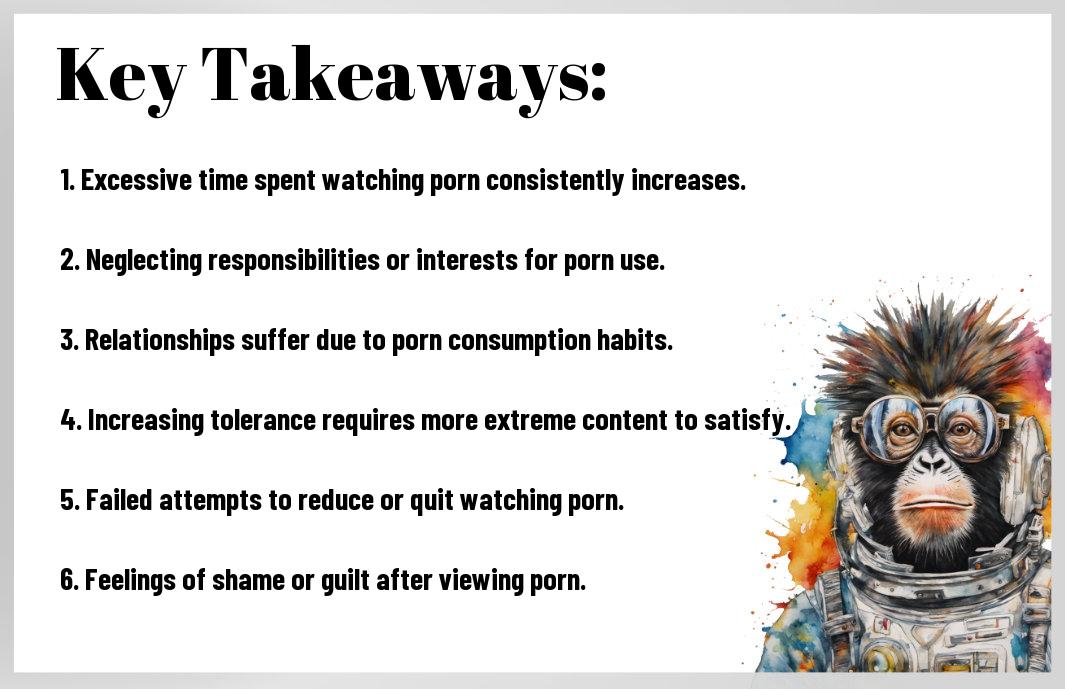
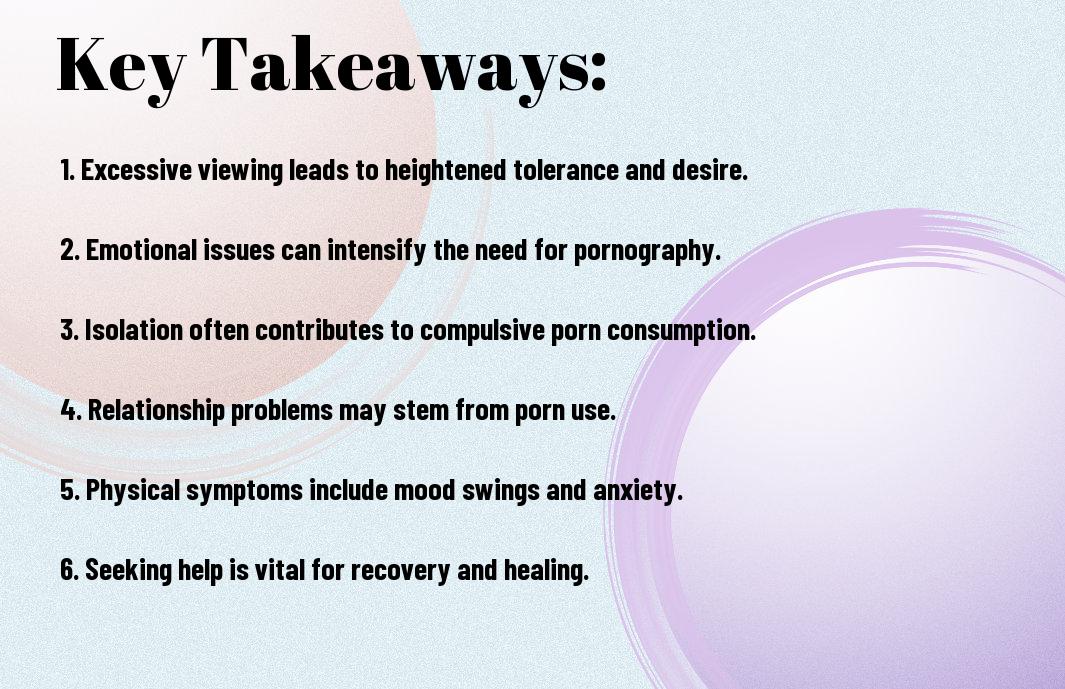
    Porn Addiction And Depression: Key Takeaways:

    • Porn addiction and depression often co-occur, with research suggesting a bidirectional relationship where each condition may worsen the other over time.
    • Brain imaging studies show that excessive porn use can affect areas linked to reward processing and mood regulation, similar to changes seen in other addictive behaviors and depressive disorders.
    • People experiencing depression may turn to porn as a form of escape, but prolonged use can lead to increased feelings of shame, low self-esteem, and social isolation.
    • Some studies report higher rates of depressive symptoms in individuals who consume porn compulsively, especially when use interferes with daily functioning or relationships.
    • Treatment approaches that address both mental health and behavioral patterns-such as cognitive behavioral therapy-have shown promise in reducing both depressive symptoms and problematic porn use.

    Porn Addiction And Depression: The Neurobiology of the Digital Void

    Dopamine’s Double-Edged Cycle

    Your brain treats digital porn like a reward it must chase. Every click, every new image, triggers a surge of dopamine-the same chemical released during food, sex, or drugs.

    This isn’t just pleasure; it’s reinforcement, wiring your mind to seek the next hit faster and more intensely. Over time, your natural dopamine response dulls, making everyday joys-like conversation or accomplishment-feel flat in comparison.

    You’re not weak for craving it; your brain has been conditioned to prioritize artificial stimulation over real-world connection.

    The Shrinking Reward Threshold

    Repeated exposure rewires your expectations. What once excited you now barely registers, pushing you toward more extreme or novel content just to feel the same effect. This escalation isn’t a moral failure-it’s a neurological adaptation.

    The brain’s reward threshold shifts, demanding more for less return. This desensitization mimics patterns seen in substance dependence, where increasing doses are needed to achieve the original high. You’re caught in a cycle where satisfaction retreats the closer you get to it.

    Gray Matter and Emotional Regulation

    Studies show frequent porn users often have reduced gray matter volume in the prefrontal cortex-the area responsible for decision-making, impulse control, and emotional regulation.

    This structural change means you’re not just struggling with habits; you’re coping with a brain that’s physically less equipped to say no. Impulse becomes automatic, reflection becomes delayed.

    The more you use, the harder it becomes to break free, not from lack of will, but from altered brain architecture.

    The Isolation Feedback Loop

    Behind the screen, you’re alone-but your brain registers this solitude as danger. Human brains evolved for connection, not digital consumption in isolation.

    Chronic porn use often coincides with social withdrawal, which further depresses mood and amplifies feelings of shame. This isolation feeds depression, and depression drives more use, creating a feedback loop that feels impossible to escape.

    Your nervous system begins to associate relief with solitude and stimulation, not with presence or intimacy.

    Reversibility and Hope

    The brain is not fixed. Neuroplasticity means change cuts both ways-damage can be undone. When you reduce or stop porn use, dopamine receptors begin to regenerate within weeks. Emotional responsiveness returns.

    Social engagement becomes less daunting. Recovery is not guaranteed, but it is possible, and the earlier you intervene, the stronger the rebound. You’re not doomed by biology; you’re responding to it, and that awareness is the first step toward reclaiming control.

    The Psychological Architecture of Compulsion

    How Reward Pathways Reinforce the Cycle

    Your brain treats the dopamine surge from viewing porn much like it does other highly reinforcing stimuli-such as drugs or gambling. Each time you engage, the nucleus accumbens lights up, reinforcing the behavior as something vital for survival or pleasure.

    Over time, this repeated activation dulls your sensitivity to natural rewards, making everyday joys-like social connection or accomplishment-feel flat in comparison.

    The more you rely on porn to feel anything at all, the more your brain adapts to require it just to reach baseline mood. This isn’t just habit; it’s neurological hijacking.

    The Role of Avoidance in Escalation

    Shame often follows compulsive use, yet you return to it not for pleasure, but to escape emotional discomfort. The act becomes less about arousal and more about numbing anxiety, loneliness, or sadness.

    Each episode offers temporary relief, reinforcing the idea that disconnection is safer than facing inner turmoil. This avoidance loop strengthens with every use, shrinking your emotional tolerance and widening the gap between who you are and who you want to be.

    What begins as curiosity can evolve into a prison built from self-soothing.

    Identity and Self-Perception in the Feedback Loop

    You start to internalize the belief that you are weak or broken, unable to stop despite clear consequences. These negative self-judgments feed depressive symptoms, creating a feedback loop where low self-worth drives more compulsive behavior.

    The more you act against your values, the harder it becomes to believe change is possible. This erosion of self-trust is one of the most dangerous outcomes-not because the behavior can’t be changed, but because you may stop believing you deserve to change.

    Breaking the Pattern Through Awareness

    Recognition of the compulsion’s structure is the first real step toward freedom. When you see the cycle-not as moral failure but as a predictable psychological response-you reclaim agency.

    Naming the triggers, the cravings, the temporary relief, and the aftermath allows you to interrupt the automatic sequence. Mindful awareness disrupts the unconscious pull, creating space between impulse and action. That space, however small at first, is where healing begins.

    Quantitative Research and Clinical Findings

    Patterns in Brain Activity and Mood Regulation

    Your brain responds to repeated exposure to pornographic content in ways that mirror other behavioral addictions. Neuroimaging studies show reduced gray matter volume in the prefrontal cortex, the region responsible for impulse control and decision-making.

    This structural change correlates with increased compulsive use and diminished ability to regulate mood.

    Over time, the reward circuitry becomes desensitized, requiring more intense or frequent stimulation to achieve the same dopamine response-similar to what occurs in substance dependence.

    Correlations Between Usage Frequency and Depressive Symptoms

    A 2022 meta-analysis of over 30,000 participants found a statistically significant positive correlation between daily porn consumption and clinical depression scores.

    Individuals who reported using pornography more than five times per week were twice as likely to meet diagnostic criteria for moderate to severe depression compared to infrequent users.

    These findings held even after controlling for age, relationship status, and pre-existing mental health conditions, suggesting a strong independent association.

    Impact on Treatment Outcomes in Dual Diagnosis Cases

    Clinical data from addiction treatment centers indicate that patients struggling with both porn addiction and depression experience longer recovery timelines and higher relapse rates.

    When therapy addresses only depression without targeting compulsive sexual behaviors, symptom improvement often plateaus.

    Integrated treatment models that include cognitive behavioral therapy (CBT) for both conditions show better long-term outcomes, with one study reporting a 40% increase in sustained remission when both issues are treated concurrently.

    Gender Differences in Clinical Presentation

    Men make up the majority of participants in most studies on porn addiction, but emerging data reveal that women who struggle with compulsive use report higher levels of shame and more severe depressive symptoms.

    Despite lower overall usage rates, affected women are more likely to withdraw socially and experience disruptions in daily functioning.

    These gendered patterns suggest that underlying emotional drivers may differ, requiring tailored clinical approaches rather than one-size-fits-all interventions.

    The Social Cost of Private Consumption

    Isolation in Plain Sight

    You may spend hours each week consuming explicit content in the privacy of your room, believing it causes no harm because no one else sees. Yet the emotional distance grows silently, one session at a time.

    What begins as a coping mechanism for stress or loneliness slowly replaces real human connection. You stop reaching out to friends, cancel plans, and avoid intimacy-not out of malice, but because the temporary relief of porn feels safer than the vulnerability of relationships.

    Over time, this withdrawal becomes a pattern, and you find yourself surrounded by people but emotionally unreachable.

    The Erosion of Trust

    Your partner may not know about your habits, but they feel the effects.

    Intimacy becomes strained, not because you lack care, but because your brain has been rewired to respond to fantasy, not presence. Emotional disconnection often precedes sexual dissatisfaction, and when your partner senses this gap, trust begins to erode.

    You might deflect concerns, minimize usage, or retreat further into secrecy. This cycle doesn’t just damage relationships-it reinforces the shame that fuels both depression and continued consumption.

    Work, Focus, and the Hidden Toll

    Productivity slips in ways you rationalize as temporary.

    Missed deadlines, distracted meetings, and declining performance aren’t just signs of poor time management-they can be symptoms of compulsive behavior. Studies show individuals struggling with porn addiction report higher rates of absenteeism and reduced job satisfaction.

    You may believe you’re managing, but the mental energy spent suppressing urges, hiding behavior, or recovering from late-night binges drains your capacity to engage fully in professional life. The cost isn’t just personal-it affects teams, projects, and workplace morale.

    Breaking the Silence

    Admitting you’re struggling feels risky, especially when society treats porn as harmless entertainment. But silence protects the cycle. Opening up to a therapist, trusted friend, or support group disrupts the isolation that addiction thrives on.

    You’re not alone-research confirms a significant overlap between compulsive sexual behavior and mood disorders. Recognizing this link isn’t a sign of weakness; it’s the first honest step toward reclaiming your social and emotional life.

    Recovery begins not in secrecy, but in connection.

    The Feedback Loop of Guilt and Stigma

    How Shame Fuels the Cycle

    You often feel guilt after viewing pornography, even if the behavior feels automatic or out of your control.

    That guilt doesn’t just fade-it lingers, shaping how you see yourself. This internalized shame becomes a silent driver of repeated behavior, not a deterrent. Instead of prompting change, it pushes you toward isolation, making it harder to seek help or talk openly.

    The more you judge yourself, the more you retreat into secrecy, and that secrecy makes the compulsion stronger over time.

    The Role of Social Stigma

    Society rarely treats porn use with compassion, especially when it becomes compulsive.

    You’re likely aware of the judgment-spoken or unspoken-that surrounds this topic. That external stigma magnifies your sense of failure, reinforcing the belief that you’re broken or morally flawed.

    When you absorb these messages, they distort your self-worth and deepen depressive symptoms. The fear of being labeled or misunderstood keeps you from reaching out, even when you know support could make a difference.

    Depression’s Amplifying Effect

    Depression narrows your emotional range, making it harder to process guilt in a healthy way.

    You may ruminate on past actions without seeing a path forward, trapping yourself in cycles of self-blame. This distorted thinking strengthens the addiction-depression loop, where each episode of use feels like proof of your inadequacy.

    Over time, the emotional weight of guilt and stigma can suppress motivation, drain energy, and make recovery seem impossible-even when progress is within reach.

    Breaking the Silence

    Speaking about your experience disrupts the power of shame. When you name the guilt and challenge the stigma, you begin to separate behavior from identity. Admitting struggle is not weakness-it’s the first step toward regaining control.

    Therapy, support groups, or honest conversations with trusted individuals can dismantle the isolation that feeds both depression and compulsive use. You don’t have to resolve everything at once; even small disclosures can begin to weaken the loop.

    Reclaiming the Narrative of the Mind

    Understanding Cognitive Distortions

    Your brain adapts to repeated stimuli, and when that stimulus is compulsive porn use, neural pathways begin to prioritize immediate reward over long-term emotional regulation.

    This rewiring can lead to persistent negative thought patterns that mirror those seen in clinical depression. You may notice an increasing tendency to view yourself through a lens of shame or inadequacy, especially after episodes of relapse.

    These cognitive distortions aren’t character flaws-they’re symptoms of a mind conditioned by repetitive behavior. Recognizing them as such is the first step in shifting from self-blame to self-awareness.

    Breaking the Shame Cycle

    Shame often acts as both a cause and consequence of porn addiction, creating a feedback loop that deepens depressive symptoms. You might find yourself withdrawing from relationships, avoiding intimacy, or feeling unworthy of connection.

    This isolation reinforces the belief that you’re broken, but that belief is false. The most dangerous misconception is that your behavior defines your worth. In truth, your capacity to seek change proves the opposite.

    Healing begins when you stop treating shame as evidence and start treating it as data-a signal that old coping mechanisms no longer serve you.

    Rebuilding Neural Pathways

    Neuroplasticity allows your brain to rewire itself, even after prolonged patterns of compulsive behavior. Every time you resist the impulse to use porn and choose a healthier response, you strengthen alternative neural circuits. This isn’t abstract theory-it’s measurable change.

    Studies show that individuals who engage in consistent behavioral interventions experience measurable improvements in mood, focus, and self-regulation within weeks. You are not locked into your current mental state.

    Each conscious decision to redirect your attention is a vote for a different kind of mind.

    Introducing Mindful Replacement

    Action rewires thought. Instead of focusing solely on what to stop doing, you can build momentum by identifying what to start doing. Replace late-night scrolling with journaling, solitary habits with physical movement, or avoidance with honest conversation.

    These aren’t distractions-they’re active corrections to the mental habits that feed both addiction and depression. When you insert a pause between impulse and action, you reclaim agency. That pause, however brief, becomes the space where healing begins.

    Sustaining Long-Term Change

    Relapse doesn’t erase progress-it reveals where support is still needed. You will face moments of doubt, fatigue, or emotional triggers that pull you back toward old patterns. What matters is not perfection, but persistence.

    The most positive outcome isn’t never slipping, but learning how to respond with compassion instead of condemnation. Over time, this shift in response changes your internal narrative from one of failure to one of growth.

    Your mind is not a battleground-it’s a story still being written, and you hold the pen.

    Conclusion

    Considering all points, research consistently shows a strong association between porn addiction and depression. You experience changes in brain chemistry similar to those seen in substance dependence, which can deepen depressive symptoms over time.

    Frequent consumption may lead to emotional numbness, reduced motivation, and social withdrawal-factors that feed into a cycle of worsening mood and increased reliance on stimulation.

    Recognizing this connection allows you to take proactive steps toward healthier behaviors. Clinical studies suggest that reducing consumption and seeking therapy can improve emotional regulation and overall mental health.

    You are not powerless-understanding the link is the first step in breaking the pattern.

    Key Takeaways: Porn Addiction And Depression

    • Understand porn addiction and depression — start with the clinical definition, not the internet one.
    • Spot porn addiction and depression warning signs early before they escalate.
    • Address porn addiction and depression with structured daily practice, not willpower alone.
    • Track porn addiction and depression progress using weekly check-ins and small wins.
    • Sustain porn addiction and depression recovery with habits, community, and accountability.

    Apply Porn Addiction And Depression to Your Recovery

    Put porn addiction and depression into practice with these resources:

    For clinical context on porn addiction and depression, see Psychology Today on sex addiction.

    FAQs: Porn Addiction And Depression

    Q: What does research say about the connection between porn addiction and depression?

    A: Studies suggest a bidirectional relationship between porn addiction and depression. People experiencing depressive symptoms may turn to pornography as a form of escape or emotional regulation, which can provide temporary relief but worsen mood over time.

    At the same time, excessive porn use can alter brain chemistry, particularly in dopamine pathways linked to reward and motivation, potentially contributing to depressive states.

    Brain imaging studies have shown similarities between compulsive porn users and individuals with substance addictions, including reduced activity in areas responsible for decision-making and impulse control.

    Q: Can watching pornography lead to clinical depression?

    A: While pornography alone does not directly cause clinical depression in everyone, frequent and compulsive use is associated with higher rates of depressive symptoms.

    Research published in journals like *JAMA Psychiatry* and *Cyberpsychology, Behavior, and Social Networking* has found that individuals who report problematic porn use are more likely to meet criteria for depression.

    This link may stem from feelings of guilt, shame, or low self-worth after use, as well as social withdrawal and disrupted relationships. In some cases, the act of compulsive consumption mimics behavioral addictions, which are often comorbid with mood disorders.

    Q: How does dopamine play a role in both porn addiction and depression?

    A: Dopamine is a neurotransmitter involved in pleasure, motivation, and reward processing. Viewing pornography triggers dopamine release, creating a sense of pleasure that reinforces repeated use.

    Over time, frequent exposure can desensitize the brain’s reward system, requiring more extreme or frequent stimulation to achieve the same effect.

    This downregulation of dopamine receptors is also observed in depression, where individuals experience anhedonia-the inability to feel pleasure from normally enjoyable activities.

    The overlap in neurobiological mechanisms helps explain why people with porn addiction often report low mood, fatigue, and lack of motivation.

    Q: Are there specific groups more vulnerable to developing depression due to porn addiction?

    A: Young adults and adolescents appear to be at higher risk, partly because their brains are still developing, especially in regions governing impulse control and emotional regulation.

    Religious or culturally conservative individuals may also face increased psychological distress if their porn use conflicts with personal beliefs, leading to internalized shame and worsening depressive symptoms.

    Men are more frequently studied in this context, but emerging research shows women who engage in compulsive porn use can experience similar mental health impacts. Pre-existing mental health conditions, such as anxiety or low self-esteem, further increase vulnerability.

    Q: Can reducing or stopping porn use improve depressive symptoms?

    A: Clinical observations and some longitudinal studies indicate that individuals who reduce or abstain from compulsive porn use often report improvements in mood, energy levels, and self-esteem.

    Therapeutic approaches like cognitive behavioral therapy (CBT) have been effective in addressing both the addictive behaviors and underlying depressive thoughts.

    In cases where porn use serves as a coping mechanism, replacing it with healthier strategies-such as exercise, social engagement, or mindfulness-can support emotional recovery.

    While not a standalone cure for depression, managing problematic porn use can be an important part of a broader mental health treatment plan.

    Clinical context: depression research.

    Related reading

  • How Porn Addiction Changes Your Brain (Neuroscience Explained Simply)

    How Porn Addiction Changes Your Brain (Neuroscience Explained Simply)

    porn addiction changes your brain — calm visual of a person reading neuroscience material at desk

    TL;DR — Porn Addiction Changes Your Brain: The way porn addiction changes your brain is straightforward once you map dopamine, novelty, and the prefrontal cortex onto everyday behaviour. The plain-English explanation below covers porn addiction changes your brain without jargon, so you can use the model to predict and weaken your own urges.

    Quick Overview: Porn Addiction Changes Your Brain

    Here’s exactly how porn addiction changes your brain – at a neurological level. The way porn addiction changes your brain is measurable in brain scans, and understanding how porn addiction changes your brain is the first step toward recovery.

    • Reward pathways: the core of how porn addiction changes your brain.
    • Dopamine tolerance and how porn addiction changes your brain.
    • Reversibility: the timeline once porn addiction changes your brain.

    Start with the signs of porn addiction.

    Just one click can set off a chain reaction in your brain that reshapes how you think, feel, and respond to pleasure. Porn addiction rewires neural pathways, dulling your sensitivity to natural rewards and increasing cravings.

    Over time, this can impair focus, motivation, and real-life relationships. Your brain is adapting-often without your awareness.

    Porn Addiction Changes Your Brain: Key Takeaways:

    • Porn addiction activates the brain’s reward system, flooding it with dopamine each time a person views explicit content, which reinforces the behavior and makes it harder to stop.
    • Over time, the brain adapts to frequent dopamine spikes by reducing dopamine receptors, leading to tolerance-meaning more intense or frequent stimulation is needed to feel the same pleasure.
    • The prefrontal cortex, responsible for decision-making and self-control, shows decreased activity in people with compulsive porn use, weakening their ability to resist urges.
    • Regular exposure can rewire neural pathways, making the brain associate sexual arousal more with porn than with real-life intimacy, which may affect relationships and sexual function.
    • Brain changes from porn addiction resemble those seen in substance addictions, suggesting similar patterns of dependency, cravings, and withdrawal when usage stops.

    Porn Addiction Changes Your Brain: The Torrent of Neurotransmitters

    Every time you view porn, your brain releases a powerful surge of dopamine-the chemical behind desire, motivation, and reward.

    This flood activates the same neural pathways triggered by drugs like cocaine, creating an intense but short-lived sense of pleasure. Your brain begins to associate porn with instant gratification, reinforcing the behavior through repetition.

    Over time, this cycle rewires your reward system, making natural pleasures feel dull by comparison.

    The Dopamine Flood and Reward Circuitry

    Dopamine spikes the moment you click on porn, lighting up your brain’s reward circuitry like a firework. This surge isn’t just about pleasure-it’s about anticipation and craving.

    Your brain starts prioritizing porn over real-life rewards because the hit is faster and more predictable. With repeated use, your neural pathways adapt, making you chase stronger or more frequent stimuli to feel the same high.

    The Desensitization of Pleasure Receptors

    Your brain wasn’t built to handle constant, high-intensity stimulation. As porn use continues, dopamine receptors begin to downregulate-meaning they become less responsive. You need more extreme content just to feel aroused or satisfied.

    This dulling effect spreads beyond porn, muting your response to everyday joys like intimacy, food, or accomplishments. The brain adapts to overload by turning down the volume on pleasure itself.

    Over time, this receptor desensitization alters your brain’s baseline. What once brought excitement now feels flat, pushing you toward riskier or more frequent use in a desperate attempt to feel “normal.” This is not weakness-it’s neurobiology.

    The brain’s plasticity means it changes based on what you feed it, and constant porn exposure reshapes your capacity for pleasure in lasting ways.

    Porn Addiction Changes Your Brain illustration

    The Molecular Blueprint of Habit

    Your brain doesn’t just respond to porn-it rewires itself to crave it more.

    Every time you view porn, dopamine floods your reward system, reinforcing the behavior like a biological stamp saying “do this again.” Over time, this isn’t just about pleasure; it’s about survival-level programming.

    The brain begins treating porn use like a need, not a choice, laying down molecular pathways that turn compulsive use into automatic habit.

    DeltaFosB Accumulation in the Nucleus Accumbens

    Repeated porn use causes DeltaFosB to build up in your nucleus accumbens, the brain’s pleasure center. Unlike most proteins that fade quickly, DeltaFosB is stubborn-it lingers for weeks, acting like a switch that stays flipped.

    This buildup makes your brain hypersensitive to sexual stimuli while dulling responses to natural rewards.

    You don’t just crave porn more-you start needing it just to feel normal. The more you use, the more DeltaFosB accumulates, locking your brain into a cycle of escalating desire and reduced satisfaction. This isn’t weakness; it’s biology hijacked by repetition.

    The Genetic Switch for Persistent Cravings

    DeltaFosB doesn’t just sit idle-it activates specific genes that change how your brain functions long-term. These genetic changes rewire your motivation system to prioritize porn over real-life connections, goals, or even self-respect.

    Your cravings aren’t random; they’re driven by a molecular switch that turns temporary urges into lasting neural commands.

    Once flipped, this switch can stay active for months, explaining why cravings persist even after stopping. Your brain remembers the habit at a genetic level, making relapse more likely without intervention.

    What makes this switch so dangerous is its durability. While most brain signals fade, DeltaFosB-triggered gene activity can last 6-8 weeks or longer after last use, creating a silent vulnerability period.

    During this time, triggers feel stronger, willpower feels weaker, and the brain quietly pushes you back toward the habit-even if you consciously want out.

    The Erosion of the Command Center

    Your brain’s prefrontal cortex is like the CEO of decision-making, focus, and self-control. With prolonged porn addiction, this critical region begins to weaken.

    Chronic overstimulation from explicit content reduces gray matter density, impairing cognitive control.

    This structural thinning directly undermines your ability to make sound choices, resist urges, or maintain attention on long-term goals.

    Prefrontal Cortex Thinning and Hypofrontality

    Imaging studies show a visible decrease in prefrontal cortex volume among those struggling with compulsive porn use. This thinning leads to hypofrontality-reduced activity in the brain’s command center.

    You’re not just losing willpower; you’re losing neural capacity to regulate behavior. Over time, your brain operates as if the brakes are failing.

    The Loss of Impulse Regulation and Executive Function

    Daily exposure to hypersexual stimuli rewires your brain’s response to temptation. Your impulse control weakens, making it harder to stop behaviors you know are harmful. Executive functions like planning, prioritizing, and emotional regulation deteriorate.

    You may find yourself distracted, irritable, or unable to follow through on commitments.

    Every time you give in to the urge, the neural pathway for restraint grows fainter. This isn’t laziness-it’s biology. The more you act on impulse, the more your brain defaults to automatic responses over thoughtful decisions.

    Rebuilding control requires conscious effort and time, but recovery is possible with consistent behavioral change.

    Maladaptive Neural Plasticity

    Your brain adapts to repeated porn use not by strengthening healthy pathways, but by reinforcing compulsive ones.

    Each session conditions your reward system to prioritize immediate stimulation over long-term well-being.

    This form of learning isn’t neutral-it reshapes your brain’s wiring to favor addiction, making natural rewards feel dull by comparison.

    Rewiring the Arousal Template Through Constant Novelty

    Every time you chase new or extreme content, your brain updates what it finds arousing.

    This constant novelty trains your arousal template to demand more stimulation for the same effect. Over time, your baseline for sexual excitement shifts unnaturally, making real-life intimacy feel inadequate or boring.

    The Physical Shrinkage of Gray Matter Volume

    Regular porn consumption correlates with measurable decreases in gray matter, especially in regions tied to decision-making and impulse control.

    Your prefrontal cortex, responsible for self-regulation, begins to weaken under persistent overstimulation. This shrinkage mirrors patterns seen in substance addictions, impairing your ability to stop even when you want to.

    Studies using MRI scans show that individuals with compulsive porn use often have less volume in the striatum and prefrontal areas-regions critical for motivation and judgment.

    This isn’t just a chemical imbalance; it’s a structural change. Your brain literally becomes smaller in areas that help you say no, making recovery more challenging the longer use continues.

    The Hijacked Emotional Compass

    Your brain’s emotional guidance system wasn’t built to handle the intensity of constant porn exposure. Over time, repeated stimulation rewires how you process intimacy and pleasure, distorting your natural responses.

    What once felt emotionally meaningful-connection, eye contact, vulnerability-begins to feel dull or even overwhelming. Instead, your mind starts chasing the artificial high of explicit content, mistaking it for real satisfaction.

    This shift doesn’t happen overnight, but the

    damage to your emotional clarity grows with every session. Porn trains your brain to seek reward without risk, comfort without courage. Real relationships require effort, patience, and emotional exposure-things your altered brain now avoids. You may notice you’re quicker to anger, harder to please, or emotionally distant without understanding why. The loss of authentic emotional responsiveness isn’t just a side effect-it’s a core change in how your brain interprets human connection.

    Amygdala Sensitivity and Stress Response

    Your amygdala, the brain’s alarm center, becomes hyperactive with prolonged porn use. It starts reacting to everyday stressors as if they’re threats, keeping you in a constant state of low-grade anxiety.

    Even neutral social interactions can feel tense or uncomfortable because your brain is stuck in overdrive. This chronic stress response impairs your ability to relax, connect, or feel safe in relationships.

    Over time, your emotional threshold drops. Small frustrations feel larger, and emotional regulation becomes harder. You might withdraw or lash out without meaning to, confusing people close to you.

    The increased sensitivity to stress isn’t just psychological-it’s a measurable shift in brain function caused by repeated overstimulation.

    The Numbing of Natural Social Bonds

    Real human connection begins to feel less rewarding when your brain is used to the extreme dopamine surge from porn. Hugs, laughter, and deep conversations no longer light up your reward system the way they should.

    Your brain starts treating these natural pleasures as background noise, while craving the artificial intensity of screens. This emotional dulling makes relationships feel flat or unsatisfying-even when they’re healthy.

    You may find yourself avoiding social events or feeling disconnected during intimate moments. The people who care about you most can’t compete with the instant, predictable rush of digital stimulation. What’s dangerous isn’t just the isolation-it’s how normal it starts to feel.

    Over time, the brain’s oxytocin pathways-responsible for bonding and trust-are underused and weaken. Physical touch, eye contact, and emotional openness stop triggering the warm, safe feelings they once did.

    This isn’t just emotional detachment-it’s a neurological shift where your brain stops valuing the very connections it evolved to seek. The erosion of empathy and closeness can go unnoticed until you realize you’ve built a life with emotional walls instead of bridges.

    The Path Toward Neuro-Restoration

    Reversing Chemical Imbalances Through Abstinence

    Your brain begins to recalibrate dopamine levels the moment you stop consuming porn. Over time, receptor sensitivity improves, allowing natural rewards to feel satisfying again.

    Withdrawal may cause discomfort at first, but this phase is temporary and necessary. Abstinence gives your chemistry a chance to reset, restoring balance to the brain’s reward system.

    Rebuilding the Architecture of Willpower

    Each time you resist the urge, you strengthen neural pathways linked to self-control. Your prefrontal cortex becomes more active and effective with consistent practice. This region governs decision-making and impulse regulation, and it grows stronger like a muscle under training.

    Small wins accumulate into lasting resilience.

    Willpower isn’t fixed-it’s built through repetition and real-world choices.

    Every delay in gratification signals your brain to prioritize long-term goals over impulses. Neuroplasticity ensures that new, healthier patterns can replace old ones, transforming how you respond to temptation.

    With time, self-discipline becomes instinctive, not exhausting.

    Final Words

    Your brain adapts to repeated porn use much like it does with other compulsive behaviors.

    Neural pathways linked to reward and motivation become overactive, while those responsible for self-control weaken over time. This shift reduces your ability to resist urges and can dull your response to natural pleasures.

    Stopping early helps reverse many of these changes, as the brain retains its ability to rewire with consistent effort and healthier habits. You hold the capacity to restore balance through awareness, behavioral shifts, and, when needed, professional support.

    Key Takeaways: Porn Addiction Changes Your Brain

    • Understand porn addiction changes your brain — start with the clinical definition, not the internet one.
    • Spot porn addiction changes your brain warning signs early before they escalate.
    • Address porn addiction changes your brain with structured daily practice, not willpower alone.
    • Track porn addiction changes your brain progress using weekly check-ins and small wins.
    • Sustain porn addiction changes your brain recovery with habits, community, and accountability.

    Apply Porn Addiction Changes Your Brain to Your Recovery

    Put porn addiction changes your brain into practice with these resources:

    For clinical context on porn addiction changes your brain, see Psychology Today on sex addiction.

    Key Takeaways: Porn Addiction Changes Your Brain

    • Map porn addiction changes your brain onto dopamine, novelty, and prefrontal cortex effects.
    • Use porn addiction changes your brain understanding to predict urges, not as an excuse for them.
    • Notice porn addiction changes your brain in real-time — sleep, focus, and reward sensitivity all shift.
    • Reverse porn addiction changes your brain with consistent abstinence, sleep, and dopamine fasting principles.
    • Pair porn addiction changes your brain awareness with practical recovery tools, not just self-knowledge.

    Apply Porn Addiction Changes Your Brain This Week

    Use the model of porn addiction changes your brain to spot one urge cycle this week and disrupt it before it completes. Awareness is half the rewire.

    Clinical context: see Psychology Today on sex addiction basics.

    FAQs: Porn Addiction Changes Your Brain

    Q: How does porn addiction affect the brain’s reward system?

    A: Porn addiction activates the brain’s dopamine-driven reward system in a way similar to drugs or gambling. When someone watches porn, the brain releases dopamine, a chemical linked to pleasure and motivation.

    Over time, repeated exposure causes the brain to expect higher levels of stimulation to feel the same pleasure. This leads to tolerance, where more extreme or frequent content is needed to achieve the same response.

    The brain starts prioritizing porn over natural rewards like social connection or achievement, weakening its ability to feel satisfaction from everyday experiences.

    Q: Can watching porn change brain structure over time?

    A: Yes, frequent porn use has been linked to structural changes in the brain. Studies using MRI scans show reduced gray matter volume in the striatum, a region involved in reward processing and decision-making.

    Another study found weaker connections between the striatum and the prefrontal cortex, the area responsible for self-control and judgment.

    These changes resemble patterns seen in substance addiction, suggesting that compulsive porn use can physically alter brain circuits related to impulse control and desire regulation.

    Q: Why do some people become addicted to porn while others don’t?

    A: Not everyone who watches porn develops an addiction-genetics, mental health, and environment play key roles. People with lower baseline dopamine activity may seek stronger stimuli to feel pleasure, making them more vulnerable.

    Early exposure to porn, especially during adolescence when the brain is still developing, increases the risk of compulsive use. Stress, anxiety, depression, or loneliness can also make porn a go-to coping mechanism.

    Social factors like lack of real-life intimacy or access to high-speed internet further contribute to addictive patterns.

    Q: Does porn addiction affect sexual function in real life?

    A: Yes, many people report declining sexual satisfaction and performance after prolonged porn use. The brain becomes used to intense, unrealistic sexual imagery, making real-life intimacy feel less exciting or stimulating.

    Some men experience erectile dysfunction with partners but not when watching porn, a sign that the brain has rewired its arousal pathways. Women may struggle with arousal or emotional connection during sex.

    These issues often improve when porn use is reduced, suggesting the brain can regain sensitivity over time.

    Q: Can the brain recover after stopping porn addiction?

    A: The brain has a strong ability to rewire itself, a feature known as neuroplasticity. When someone stops compulsive porn use, dopamine receptors gradually return to more normal levels. Over weeks or months, the prefrontal cortex regains strength in controlling impulses.

    Many people report improved focus, mood, and sexual responsiveness after quitting. Recovery isn’t instant-cravings may persist, especially in early stages-but consistent abstinence supports long-term healing.

    Support groups, therapy, and healthy habits like exercise and sleep help speed up the process.

    Clinical context: pornography research.

    Related reading

    What Happens When Porn Addiction Changes Your Brain (The Science In Plain English)

    Here is the short version. Porn addiction changes your brain by hijacking the same dopamine reward circuit that drugs and gambling target.

    Each time you watch, your brain releases a big pulse of dopamine. Over months, the receptors downregulate to protect themselves from the constant spike.

    That is why life feels duller off-screen. Food, exercise, real intimacy, even music — all of it feels flatter when porn addiction changes your brain chemistry.

    The prefrontal cortex takes the second hit. This is the part that handles impulse control, long-term planning, and saying no.

    Scans of heavy users show reduced grey matter volume in the striatum and weaker connectivity between the prefrontal cortex and the reward system. In plain terms: the brake pedal gets smaller while the gas pedal gets louder.

    You can read the original research in this peer-reviewed Kühn & Gallinat study on brain structure and pornography consumption. It is the study most clinicians cite when they explain how porn addiction changes your brain.

    Can The Brain Recover After Porn Addiction Changes Your Brain?

    Yes. Neuroplasticity is on your side.

    Most people see noticeable changes in mood and motivation within 30 days. Dopamine receptor density typically begins to rebound in 8–12 weeks of full abstinence paired with healthier habits.

    If you want a structured plan, our 30-day habit reset pairs well with the 90-day NoFap week-by-week guide. Together they give your brain enough time to partially rewire.

    Recovery is not linear. Expect dips, flatlines, and urges that pass faster each week.

  • How to Tell Your Spouse You Have a Porn Addiction

    How to Tell Your Spouse You Have a Porn Addiction

    Quick Guide: Telling Your Spouse

    Telling Your Spouse is one of the hardest conversations you’ll have – this guide shows the exact steps for telling your spouse so you can telling your spouse without blowing up your marriage.

    • Prepare before telling your spouse – timing, tone, and opening line.
    • What to say when telling your spouse for the first time.
    • What to do after telling your spouse to keep trust intact.

    Before you start, read the signs of porn addiction so you know what you’re working with.

    Telling Your Spouse illustration

    Marriage thrives on honesty, and admitting a porn addiction to your spouse is one of the most difficult but necessary steps toward healing. You may fear rejection or anger, but silence damages trust more than confession.

    Speaking openly shows courage and a genuine commitment to change, laying the foundation for deeper connection and recovery together.

    Telling Your Spouse: Key Takeaways:

    • Choose a calm, private moment to talk when both you and your spouse are free from distractions and emotional stress.
    • Be honest and direct about your addiction without making excuses or shifting blame to your partner or circumstances.
    • Express genuine remorse and take full responsibility for your actions, showing your commitment to change.
    • Invite open dialogue by encouraging your spouse to share their feelings and reactions, and listen without becoming defensive.
    • Present a clear plan for recovery, including therapy or support groups, to demonstrate your dedication to healing the relationship.

    Telling Your Spouse: Assessing the Primary Factors of Your Addiction

    Understanding what fuels your porn addiction begins with honest self-reflection. You must examine both internal struggles and external patterns that contribute to compulsive behavior. Identifying these root causes allows you to communicate more clearly with your spouse and begin meaningful healing. Assume that transparency is the foundation of restoration.

    • Recognize recurring emotional states that precede use, such as stress, loneliness, or shame
    • Track environmental triggers like late-night solitude or private device access
    • Assess how past trauma or unresolved pain influences current behavior
    • Consider whether spiritual disconnection plays a role in your struggle
    • Reflect on how unmet emotional needs are being misdirected toward pornography

    Identifying psychological and environmental triggers

    Patterns often reveal themselves when you track your behavior over time. You might notice that feelings of inadequacy or moments of isolation lead directly to seeking escape through porn.

    These psychological triggers are deeply personal and often tied to self-worth or unprocessed emotions. Your environment also plays a powerful role-being alone at night with unrestricted internet access increases risk.

    Awareness of these cues is not about blame, but about creating change.

    Evaluating the extent of the impact on your marital intimacy

    Distance in your relationship likely began long before disclosure. You may have emotionally withdrawn, avoided physical closeness, or treated your spouse more like a roommate than a lover.

    This erosion of emotional and sexual intimacy is one of the most damaging effects of addiction. Your silence has likely created confusion and unintentional betrayal, even if nothing physical occurred outside the marriage.

    Intimacy suffers when fantasy replaces real connection. You’ve prioritized artificial stimulation over vulnerability, which starves the emotional and physical bond vital to marriage. This isn’t just about sex-it’s about presence, trust, and mutual respect.

    Assume that your spouse has felt the absence, even if they couldn’t name it.

    How to Prepare Mentally for the Disclosure

    Clarity begins with self-awareness.

    Before speaking, take time to reflect on the full scope of your addiction, including how long it has been ongoing and the ways it has affected your marriage. Understanding your emotional triggers helps you explain not just what happened, but why.

    Assume that honesty will open the door to healing.

    Tips for organizing your thoughts and defining your goals

    Start by identifying what you want to achieve through this conversation-rebuilding trust, seeking support, or beginning recovery. Reflect on patterns in your behavior and how they connect to deeper emotional needs. Assume that accountability is the foundation of lasting change.

    • Clarify your reason for disclosing: is it repentance, healing, or commitment to change?
    • Define what recovery means to you and what steps you’ve already taken
    • Anticipate your spouse’s potential reactions and prepare to respond with empathy

    Developing a script to ensure complete honesty and clarity

    Writing out what you plan to say keeps the conversation focused and reduces the chance of minimizing or avoiding painful truths. A script helps you include necessary details like frequency, duration, and emotional impact without becoming defensive.

    It also ensures you express genuine remorse and a clear commitment to change.

    Use your script as a guide, not a performance. Speak from the heart, but rely on it to maintain honesty when emotions run high. Include admissions of wrongdoing, acknowledgment of your spouse’s pain, and your plan for recovery. Assume that clarity-not perfection-will foster connection.

    Telling Your Spouse illustration

    Factors for Choosing the Right Time and Location

    Choosing when and where to have this conversation can significantly impact how your spouse receives the news. A thoughtful approach shows respect for your relationship and increases the chance of a constructive dialogue.

    Consider factors like emotional availability, privacy, and daily routines. Open communication thrives in settings free from distractions and interruptions. Your goal is honesty without overwhelming your partner-timing and place play a key role in that balance. The

    • private environment where both of you feel safe
    • low-stress period in your shared schedule
    • undivided attention from both partners
    • emotional readiness to listen and respond
    • neutral space not tied to conflict or routine duties

    Selecting a neutral and private environment for the discussion

    Privacy protects the emotional safety of both you and your spouse during this vulnerable exchange. Choose a quiet room in your home or a trusted off-site location where interruptions are unlikely.

    Avoid places tied to arguments or daily stress, like the kitchen after dinner or the bedroom right before sleep. A neutral space helps prevent defensiveness and supports honest dialogue. The

    Timing the conversation to avoid periods of high external stress

    Stress from work deadlines, family obligations, or financial pressures can distort how your message is heard. Bringing up a deeply personal issue during a crisis may lead to emotional overwhelm or misinterpretation.

    Wait for a calmer window-perhaps a relaxed weekend morning or after a shared activity. The

    You’re more likely to be heard when your spouse isn’t already stretched thin. Major life events like job loss, illness, or parenting challenges reduce emotional bandwidth. Starting this talk when external pressures are low increases the chance for empathy and connection. The

    How to Conduct the Conversation with Authority and Empathy

    Approaching this talk with both strength and compassion sets the tone for healing. You must speak clearly and calmly, showing you’ve reflected deeply and are ready to face the truth.

    Your spouse needs to see that you’re not avoiding responsibility, but also that you’re not collapsing under shame. Confidence in your words-paired with genuine care-creates a safe space for honesty.

    Taking full accountability for your actions without making excuses

    You must own every part of your behavior without shifting blame. Say clearly, “I chose to view porn, and that hurt you,” not “I was stressed, so it happened.” Excuses weaken trust and delay repair. Admitting fault without conditions shows maturity and builds credibility.

    Your spouse needs to hear that you see the impact, not just the habit.

    Communicating the struggle as a health issue rather than a moral failure

    This addiction isn’t proof you’re a bad person-it’s a sign of a deeper emotional or neurological pattern. Frame it as a treatable condition, like anxiety or depression. Calling it a health challenge reduces shame and opens the door to solutions.

    You’re not defending your character; you’re explaining your struggle.

    Telling your spouse this isn’t about lust or disloyalty, but about coping mechanisms and brain chemistry, changes how they hear it. When you say, “My brain got wired to seek escape this way,” it invites understanding, not just anger. This shift helps both of you move from judgment to joint recovery.

    Allowing space for your spouse’s immediate emotional reaction

    Let your partner feel what they feel-shock, rage, grief-without trying to fix it immediately. Resist the urge to defend or explain when emotions run high. Simply say, “I see how much this hurts you, and I’m here,” and pause.

    Their reaction is valid, and silence from you can be more powerful than words.

    Your spouse may cry, yell, or withdraw-and that’s part of their process. Pushing for forgiveness too soon can deepen the wound. By staying present without pressure, you show real respect for their pain. This moment of restraint proves your commitment to change more than any promise could.

    Tips for Managing the Immediate Aftermath

    Stay calm and present after disclosing your porn addiction. Your spouse may react with anger, tears, or silence-each response is valid. Listen without defensiveness and validate their feelings, even if it’s painful.

    Offer reassurance that you’re committed to healing and seeking help. Avoid making promises you can’t keep; instead, focus on concrete next steps like therapy or support groups. Recognizing that this moment is the beginning of repair-not the end of the crisis-can help ground you.

    Navigating the initial stages of betrayal trauma and shock

    Your partner may experience intense emotional reactions such as disbelief, rage, or emotional shutdown. These are natural responses to betrayal trauma. Give them space to feel without pressuring them to forgive or respond immediately.

    Avoid arguing over facts or minimizing their pain. Be patient and consistent in your presence. Shock can distort perception, so expect confusion or repetitive questions. Recognizing that healing begins with safety, not answers, helps you stay grounded.

    Factors that determine the pace of the initial emotional healing

    Healing timelines vary based on several key elements. The length and secrecy of the addiction, your spouse’s personal history with trust and trauma, and the strength of your emotional connection all play roles.

    Openness to couples counseling, your accountability, and consistent behavior change accelerate recovery. Assume that honesty without action leads to deeper wounds.

    • Your level of transparency after disclosure
    • Your spouse’s history with abuse or abandonment
    • Presence of ongoing addictive behaviors
    • Access to professional therapeutic support

    Each of these factors shapes how quickly your partner can begin to process the betrayal. Assume that trust is rebuilt through daily choices, not single declarations.

    Telling Your Spouse illustration

    How to Establish a Long-term Recovery Roadmap

    Creating a sustainable recovery plan means more than just stopping a behavior-it requires building new patterns, supports, and daily practices. You need structure, honesty, and consistent effort to maintain lasting change.

    A clear roadmap helps you stay focused, especially during moments of weakness or emotional stress.

    Integrating professional support through therapy or support groups

    Working with a licensed therapist who specializes in sexual addiction can help you uncover underlying triggers and heal emotional wounds. Their guidance provides a safe space to process shame and develop healthier coping strategies.

    Many find strength in peer-led groups like SAA or CMA, where shared experiences reduce isolation.

    These communities offer real-time accountability and encouragement. Hearing others’ stories normalizes your struggle while reinforcing hope. Regular attendance increases your chances of long-term success, especially when combined with one-on-one counseling.

    The combination creates a powerful support network rooted in honesty and mutual respect.

    Implementing digital boundaries and accountability software

    Setting firm digital limits protects your recovery from impulsive decisions. Use tools like Covenant Eyes or EverAccountable to monitor internet activity and alert an accountability partner when boundaries are crossed.

    These apps create a necessary layer of external oversight that supports your internal commitment.

    Automated reports reduce the temptation to rationalize a single lapse. Knowing your actions are visible increases personal responsibility. Over time, this transparency becomes a foundation for renewed integrity.

    Accountability software isn’t about punishment-it’s about creating safeguards that honor your commitment to change. These tools work best when paired with open conversations and agreed-upon consequences.

    When your spouse sees you actively using such systems, it signals genuine intent to protect the relationship. Perceiving your consistent effort strengthens their willingness to engage in healing.

    Proven tips for rebuilding transparency and trust over time

    • Share your schedule openly, including digital usage times
    • Invite your spouse to review accountability reports together
    • Respond honestly-even when questions feel uncomfortable
    • Apologize quickly when you misstep, without making excuses
    • Follow through on promises, no matter how small

    Trust rebuilds through repeated, predictable actions. Each honest exchange chips away at doubt and replaces it with evidence of change. Your spouse needs to see consistency over weeks and months, not just grand gestures. Perceiving your daily commitment makes reconciliation possible.

    Rebuilding trust isn’t a single event but a series of small, courageous choices. When you choose openness even when it’s hard, you demonstrate that your recovery matters more than hiding. These moments accumulate, slowly transforming fear into cautious hope.

    Over time, your spouse begins to rely on your word again-not because they have to, but because you’ve proven yourself. Perceiving that shift can reignite connection and deepen intimacy beyond what existed before.

    Summing up

    Following this approach ensures you communicate honestly and responsibly. You create space for healing when you admit your struggle with clarity, take ownership without excuses, and express your commitment to change.

    Your spouse needs to hear your sincerity and see your willingness to engage in recovery, whether through counseling or support groups. This conversation isn’t about relieving guilt-it’s about rebuilding trust through consistent action.

    Your courage to speak truthfully lays the foundation for a stronger, more transparent relationship.

    FAQ

    Q: How do I start the conversation about my porn addiction with my spouse?

    A: Begin by choosing a calm, private moment when both of you are free from distractions. Sit down together and speak honestly.

    Say something like, “I need to talk to you about something personal that I’ve been struggling with.” Be direct but gentle-acknowledge that it might be uncomfortable, but emphasize your desire to be open and rebuild trust.

    Starting with ownership of your experience, rather than excuses, helps create space for understanding.

    Q: What if my spouse reacts with anger or shuts down during the conversation?

    A: Strong emotional reactions are common when hearing this kind of news. Your spouse might feel hurt, betrayed, or confused. Stay calm and avoid becoming defensive. Let them express their feelings without interruption.

    Say things like, “I hear you,” or “I understand why you’d feel that way.” Give them time and space if needed, but reaffirm your commitment to honesty and change. Their reaction doesn’t mean the relationship is over-it means healing will take time and patience.

    Q: Should I share specific details about my porn use?

    A: Full disclosure isn’t always helpful and can cause deeper emotional harm. Instead of listing explicit behaviors or frequency, focus on the emotional truth: how long you’ve struggled, how it affected you, and how you want to change. Oversharing can retraumatize your partner.

    Be honest about the pattern and impact, but avoid graphic details that serve no healing purpose. The goal is transparency, not confession for its own sake.

    Q: How can I show my spouse I’m serious about recovery?

    A: Words matter, but actions build trust. Enroll in therapy, join a support group, or use accountability software. Share your recovery plan with your spouse and invite them to see your progress, if they’re open to it. Follow through consistently.

    Small, steady steps-like checking in regularly or attending couples counseling-show you’re committed. Let your behavior over time prove your sincerity, not just your promises in one conversation.

    Q: Can our relationship recover after I admit to a porn addiction?

    A: Many couples rebuild and even strengthen their relationship after this kind of challenge. Recovery depends on honesty, consistent effort, and mutual willingness to heal. Some couples grow closer by facing the issue together with counseling and open communication.

    Others may need time apart or decide the relationship can’t continue. Either way, healing is possible for both individuals. The outcome depends on respect, patience, and a shared commitment to growth.

    For clinical context, see pornography research.

    Related reading

  • What to Do When You Discover Your Husband’s Porn Addiction

    What to Do When You Discover Your Husband’s Porn Addiction

    Quick Answer: Husband’s Porn Addiction

    If you’re dealing with your husband’s porn addiction, you’re not alone. This guide walks through how to handle your husband’s porn addiction – from the first conversation to rebuilding trust – so you respond to your husband’s porn addiction with clarity, not panic.

    • Step 1: Recognise your husband’s porn addiction is real and needs a response.
    • Step 2: Use the right conversation script for your husband’s porn addiction.
    • Step 3: Build a recovery plan around your husband’s porn addiction together.

    Start by understanding the signs of porn addiction before reading further.

    Husband's Porn Addiction illustration

    With the discovery of your husband’s porn addiction, you may feel shocked, betrayed, or confused. This is a common struggle in many marriages, and how you respond can either deepen the rift or open a path to healing. Ignoring the issue can lead to emotional distance and broken trust, while addressing it with honesty and support offers a chance for growth and stronger intimacy.

    Husband’s Porn Addiction: Key Takeaways:

    • Your husband’s porn use doesn’t automatically mean he doesn’t love or desire you. Many people struggle with compulsive behaviors for reasons unrelated to their relationship satisfaction.
    • Open, non-accusatory communication is vital. Choose a calm moment to express how you feel using “I” statements, like “I feel hurt or disconnected,” rather than blaming or shaming.
    • Porn addiction can be a symptom of deeper emotional issues such as stress, anxiety, trauma, or low self-worth. Understanding the root cause helps guide healing for both partners.
    • Couples counseling or individual therapy can provide safe support. A licensed therapist trained in sexual health or addiction can help both of you process emotions and rebuild trust.
    • Set clear boundaries together about what feels acceptable and what doesn’t in your relationship. Mutual agreement on boundaries fosters respect and can strengthen emotional intimacy over time.

    Husband’s Porn Addiction: The Shattering of the Shared Reality: Processing the Initial Shock

    When the Ground Beneath You Shifts

    You wake up to a version of your marriage that no longer feels familiar. The man you trusted, the one who held your hand through life’s hardest moments, has been living a parallel emotional life-one hidden behind screens, secrecy, and compulsive behavior.

    This isn’t just about pornography; it’s about the collapse of the reality you believed in. The shared narrative of intimacy, loyalty, and mutual respect fractures in an instant. You begin questioning not only his actions but your own perception: How long has this been going on?

    Did I miss the signs? Was any of it real?

    The Collision of Two Truths

    Your mind races to reconcile the husband you know with the behavior you’ve uncovered.

    He may be kind, present with the kids, and attentive in daily life-yet this discovery forces you to hold two opposing truths at once. Love and betrayal can coexist in the same relationship, and that contradiction is agonizing. You’re not overreacting.

    You’re responding to a profound breach of emotional safety. The dissonance you feel-the confusion, the anger, the grief-is not a sign of weakness; it’s evidence that your boundaries still matter.

    Emotional Numbness and Hyperawareness

    Some days, you move through the house like a ghost, going through the motions while your emotions feel locked behind glass.

    Other moments, a single glance at his phone or an innocent comment sends your nervous system into overdrive. This oscillation between numbness and hypervigilance is your brain’s response to trauma. It’s not dysfunction-it’s adaptation.

    Your body is trying to protect you from further harm, even when no immediate threat is visible. Recognizing this pattern helps you respond with compassion instead of self-blame.

    The Isolation of Silent Suffering

    You may feel utterly alone, even in a crowded room. Talking about this feels dangerous-what if people judge you? What if they blame you? The shame surrounding porn addiction often silences the betrayed partner more than the addict themselves. But isolation magnifies pain.

    You weren’t meant to carry this weight in silence. Reaching out to a therapist or a support group isn’t a sign of failure; it’s the first act of reclaiming your voice. Your story deserves to be heard, not hidden.

    Husband's Porn Addiction illustration

    Navigating the Immediate Crisis: Protecting Your Emotional Safety

    Recognize Your Emotional Triggers

    Shock, betrayal, and confusion are common reactions when you first learn about your husband’s porn use. These feelings are valid, and you don’t need to minimize them to protect his experience.

    Pay attention to what sets off intense emotional responses-certain conversations, behaviors, or even silence can act as triggers.

    Identifying them helps you create space to respond thoughtfully instead of reacting in pain. Ignoring your emotional signals can lead to deeper distress, so name what you’re feeling without judgment.

    Set Immediate Boundaries

    Boundaries are not punishments-they are tools for self-preservation.

    You have the right to say no to discussions that retraumatize you or to request time alone when overwhelmed. Clearly stating what you need-like no access to devices in shared spaces or a pause in intimate contact-can restore a sense of control.

    Your husband may not understand at first, but your emotional safety comes first. Enforce these limits consistently, even if guilt tries to pull you back into old patterns.

    Limit Exposure to Harmful Conversations

    Defensiveness, denial, or attempts to downplay the issue can deepen your sense of isolation. If your husband responds with blame or minimization, disengage from the conversation. Repeated exposure to invalidating dialogue can erode your self-trust.

    You are not responsible for managing his reaction. Step away when needed, and return only when both of you can speak with honesty and respect. Silence is better than enduring emotional harm in the name of “working it out.”

    Seek Immediate Support Outside the Marriage

    A trusted friend, therapist, or support group can offer perspective when your emotions feel overwhelming.

    Talking to someone who isn’t involved in the situation helps you process without fear of judgment or retaliation. Isolation increases the risk of depression and anxiety, so reach out even if shame tells you to stay quiet.

    Professional counselors trained in betrayal trauma understand what you’re facing and can guide you through the early stages with clarity and compassion.

    Pause Major Decisions Until You’re Grounded

    Now is not the time to decide whether to stay, leave, or reconcile. Your brain is under emotional stress, and decisions made in this state often lead to regret. Waiting allows you to act from clarity, not panic.

    Focus instead on stabilizing your inner world-sleep, basic self-care, and emotional check-ins matter more than immediate resolutions. You’ll know when the fog lifts and you can think with steadier eyes.

    Establishing Sacred Boundaries: Defining New Terms of Engagement

    The Necessity of Clear Limits

    You cannot rebuild trust without first knowing where one person ends and the other begins. Boundaries are not punishments-they are protections, especially when healing from the rupture caused by porn addiction.

    Your husband’s recovery depends on transparency, but your emotional safety depends on structure. That means naming what behaviors are no longer acceptable, such as secretive device use or late-night browsing. These lines aren’t arbitrary; they’re lifelines.

    When you define what is off-limits, you create space where honesty can grow.

    Creating Agreements, Not Ultimatums

    Agreements feel different than threats because they’re built together, not handed down. This is not about control-it’s about mutual respect. Sit down when both of you are calm and draft a shared understanding of what recovery looks like in daily life.

    Maybe that means phone check-ins, shared passwords, or no devices in the bedroom. These aren’t signs of distrust; they’re tools to support change. You’re not policing his behavior-you’re partnering in healing. When both of you commit to the same rules, resentment loses its grip.

    Protecting Your Emotional Space

    There will be moments when his struggle triggers your pain, and in those times, you must know how to protect your heart. You are allowed to step away from conversations that feel unsafe or retraumatizing.

    That might mean pausing a discussion if he becomes defensive or minimizing your feelings. State clearly: “I need to stop this talk when I feel dismissed.” Your emotional boundaries are just as important as behavioral ones.

    Healing isn’t possible if you’re constantly exposed to the same wounds.

    Holding the Line with Consistency

    Boundaries only work if they’re enforced, not just stated. Every time a limit is crossed and ignored, trust erodes further. If he accesses porn after agreeing not to, that’s not a minor slip-it’s a breach of your shared commitment.

    Respond calmly but firmly: name the action, state the impact, and reassert the boundary. This isn’t about shaming; it’s about accountability. Without consequences, boundaries become meaningless. You’re not being harsh-you’re being honest.

    Revisiting and Refining Over Time

    As healing progresses, some boundaries may need to shift. What feels necessary today might soften with time and demonstrated change. Revisit your agreements every few weeks or months. Ask: Are these still helping? Do we feel safer? Has trust increased?

    This isn’t a one-time conversation but an ongoing process. Flexibility doesn’t mean compromise-it means growth. When both of you participate in refining the rules, you reinforce partnership instead of division.

    The Vulnerability of Hard Conversations: Moving Toward Radical Honesty

    Choosing Courage Over Comfort

    Truth has weight, and speaking it aloud-especially about something as intimate and charged as your husband’s porn use-can feel like stepping into a storm without shelter. You don’t have to have all the answers, but you do have to show up.

    Silence may feel safer, but it feeds isolation and erodes trust. When you choose to speak, even with a trembling voice, you open a door to connection instead of retreat. That moment of courage-when you name what’s been unspoken-is often the first real step toward healing.

    Creating Space for Real Dialogue

    Conversation isn’t just about words exchanged; it’s about the space between them. Listen not to respond, but to understand. Your husband may react with shame, denial, or defensiveness-emotions that can derail even the most well-intentioned talk. Stay grounded.

    Ask open questions like, “What does porn offer you when you turn to it?” instead of accusations. This isn’t about excusing behavior, but uncovering the emotional needs or pain driving it. Real dialogue happens when both of you feel safe enough to be seen, not judged.

    The Risk and Reward of Emotional Exposure

    Radical honesty means letting your own guard down, too. It’s tempting to position yourself as the unaffected observer, but healing requires mutual vulnerability. Share how his addiction impacts you-not to induce guilt, but to invite empathy.

    Say, “I feel lonely when I imagine you choosing a screen over our connection.” This kind of disclosure can be dangerous-it opens you to rejection or dismissal-but it also holds the power to deepen intimacy.

    When one person risks honesty, it often gives the other permission to do the same.

    Setting Boundaries Without Building Walls

    Boundaries aren’t punishments-they’re the architecture of respect. After the conversation, clarify what you need moving forward. Maybe that’s transparency about device use, regular check-ins, or attending therapy together. Be clear, but not rigid.

    A boundary like “I need you to be honest with me about your struggles” invites cooperation, while “You’re never allowed to be alone with your phone again” breeds resentment. The goal isn’t control, but creating conditions where trust can regrow.

    Accepting That Honesty Is a Practice, Not a One-Time Event

    One conversation won’t fix years of patterns. Radical honesty isn’t a single act, but a daily choice to show up with integrity. There will be setbacks, moments when fear or shame pulls one or both of you back into silence. That’s normal.

    What matters is returning to the conversation, not perfection. Each time you speak truthfully, you rewire the relationship’s nervous system-shifting it from secrecy to safety, from distance to daring to be known.

    Seeking External Scaffolding: Professional Support for Betrayal Trauma

    Understanding the Impact of Betrayal Trauma

    When your husband’s porn addiction comes to light, your nervous system may respond as if you’ve survived a threat-because, in emotional terms, you have. Betrayal trauma rewires how you perceive safety, trust, and intimacy, often triggering symptoms similar to PTSD.

    You might experience hypervigilance, intrusive thoughts, or emotional numbness, even if you’re not consciously aware of them. This isn’t weakness-it’s your mind trying to protect you from repeated emotional injury.

    Recognizing these reactions as valid responses to real harm is the first step toward healing.

    Finding the Right Therapist

    A therapist who specializes in betrayal trauma or sexual addiction recovery can offer you a safe space to process your pain without judgment. Not all counselors understand the neurological and emotional complexity of betrayal, so it’s imperative to ask about their experience with infidelity-related trauma or compulsive sexual behaviors.

    Look for credentials like CSAT (Certified Sex Addiction Therapist) or training in trauma-informed modalities such as EMDR or somatic experiencing. You deserve support from someone who sees your experience clearly-not as an overreaction, but as a profound relational rupture.

    Considering Couples Counseling-With Caution

    Couples therapy can be helpful, but only under the right conditions. Entering joint sessions before individual healing has begun often retraumatizes the betrayed partner, especially if the addicted spouse hasn’t taken full accountability.

    Your therapist should assess whether your husband is actively engaged in his own recovery-attending individual therapy, participating in support groups like SAA or SLAA, and maintaining transparency. If those foundations aren’t in place, couples work may do more harm than good.

    Your safety-emotional and psychological-must come first.

    Building a Support Network Beyond Therapy

    Healing doesn’t happen in isolation. Connecting with other women who have walked this path can reduce shame and provide practical insight. Support groups like Bloom or The Affair Recovery Forum offer community without judgment.

    These spaces allow you to speak your truth, hear others’ stories, and realize you’re not broken or alone. While professional therapy addresses the internal wounds, peer support reinforces that your feelings are normal and your recovery is possible.

    Protecting Your Healing Process

    There will be moments when you feel pressure to “move on” or “forgive quickly,” especially if your husband wants to restore the relationship fast. Rushing reconciliation can deepen your trauma and undermine long-term trust.

    A skilled therapist will honor your timeline and help you set boundaries that protect your emotional well-being. You are not responsible for fixing him-your responsibility is to tend to your own recovery. That’s not selfish; it’s necessary.

    Reclaiming Your Personal Power: Decoupling Worth from the Addiction

    Your Value Exists Outside His Behavior

    You are not broken because your husband struggles with porn addiction. This addiction is not a reflection of your attractiveness, your worth, or your ability to love well. It’s easy to internalize his actions as personal rejection, but the truth is, compulsive porn use stems from deeper emotional or psychological patterns-ones that existed long before your relationship and are not your responsibility to fix.

    When you begin to separate his choices from your sense of self, you create space to heal without shame.

    Healing Begins When You Stop Blaming Yourself

    Every time you ask, “What did I do wrong?” you hand power to a narrative that was never yours to carry. Self-blame keeps you trapped in a cycle of emotional dependency on his behavior. The reality is, addiction thrives in secrecy and distortion-not in response to your actions or shortcomings.

    You didn’t cause this, you can’t control it, and you certainly can’t cure it through sacrifice or self-doubt. Releasing guilt is not indifference; it’s clarity.

    Rebuilding Confidence Through Boundaries

    Setting firm, consistent boundaries isn’t punishment-it’s self-respect in action. When you define what you will and won’t accept, you reclaim authority over your emotional well-being. This might mean limiting discussions about the addiction during moments of emotional overwhelm, refusing to engage in circular arguments, or insisting on therapy as a shared commitment.

    Boundaries aren’t walls; they’re the framework for healthier connection, both with yourself and with him.

    Focus on What You Can Influence

    You cannot change your husband’s choices, but you can transform your response to them. Your power lies not in controlling outcomes, but in choosing how you show up for yourself each day. That might mean journaling your emotions, seeking individual counseling, or investing time in activities that reconnect you with your passions.

    Action breeds agency. The more you direct energy toward your own growth, the less power the addiction holds over your peace.

    Rediscover Who You Are Beyond the Crisis

    This situation has likely consumed your thoughts, but you are more than a wife responding to someone else’s struggle. Reconnecting with your identity-your goals, values, and dreams-shifts the focus back to your life. Take a class, rekindle an old hobby, or spend time with people who see and affirm you.

    Healing isn’t just about surviving the pain; it’s about remembering that your story continues, with or without resolution from him.

    Final Words

    Now you know that discovering your husband’s porn addiction is not the end of your relationship, but the beginning of a necessary conversation. You have the right to address your feelings, set boundaries, and seek support without shame.

    Healing requires honesty, professional guidance, and mutual commitment.

    You are not alone, and this struggle does not define your marriage. With patience and clear communication, many couples rebuild trust and deepen intimacy. Take steps forward at your pace, prioritizing your well-being and the health of your relationship.

    Key Takeaways: Husband’s Porn Addiction

    • Understand husband’s porn addiction — start with the clinical definition, not the internet one.
    • Spot husband’s porn addiction warning signs early before they escalate.
    • Address husband’s porn addiction with structured daily practice, not willpower alone.
    • Track husband’s porn addiction progress using weekly check-ins and small wins.
    • Sustain husband’s porn addiction recovery with habits, community, and accountability.

    Apply Husband’s Porn Addiction to Your Recovery

    Put husband’s porn addiction into practice with these resources:

    For clinical context on husband’s porn addiction, see Psychology Today on sex addiction.

    FAQs: Husband’s Porn Addiction

    Q: How do I know if my husband’s porn use is an addiction?

    A: Signs of porn addiction include secrecy, frequent use despite promises to stop, emotional withdrawal, declining intimacy in the relationship, and continued use even when it causes distress.

    If he feels unable to control his behavior and it interferes with daily life or your connection, it may be more than casual use. Look for patterns like hiding activity, spending increasing amounts of time online, or becoming defensive when questioned.

    Q: Should I confront my husband about his porn use right away?

    A: It’s best to approach the conversation with care and timing. Choose a calm moment when you’re both relaxed and not in the middle of an argument.

    Use “I” statements to express how you feel, such as “I’ve been feeling disconnected lately and I want to talk about something that’s been on my mind.” Avoid accusations or blame, which can lead to defensiveness. The goal is open dialogue, not confrontation.

    Q: Can a marriage survive a porn addiction?

    A: Yes, many marriages not only survive but grow stronger after addressing porn addiction. Recovery is possible with honesty, professional support, and mutual effort.

    Couples therapy, individual counseling for the partner struggling with addiction, and rebuilding trust over time can lead to deeper understanding and connection. Healing takes patience, but many couples find new ways to communicate and reconnect emotionally and physically.

    Q: Is porn addiction a sign of dissatisfaction with me or our relationship?

    A: Not necessarily. While relationship issues can contribute to addictive behaviors, porn addiction often stems from deeper emotional patterns, stress, trauma, or habit, not a lack of attraction or love.

    Many people struggling with this issue are deeply committed to their partners. It’s important not to internalize the behavior as a personal failure. The addiction is about coping mechanisms, not your worth or desirability.

    Q: What steps can we take to begin healing together?

    A: Start by encouraging honesty and creating a safe space for conversation. Suggest seeing a licensed therapist who specializes in sexual addiction or couples counseling.

    Consider setting boundaries around technology use and agree on ways to rebuild trust, like shared check-ins or transparency. Focus on reconnecting through quality time, emotional openness, and physical intimacy without pressure.

    Healing is a shared journey that grows stronger with consistent, small steps forward.

    Background reading: clinical perspectives on pornography.

    Related reading

  • 5 Common Myths About Porn Addiction (Debunked)

    5 Common Myths About Porn Addiction (Debunked)

    Start with our signs of porn addiction guide for background.

    Most myths about porn addiction mislead you about causes, severity, treatment, and recovery; this guide clarifies five common falsehoods so you can make informed decisions and seek appropriate support.

    Defining the Clinical Framework of Compulsive Sexual Behavior

    Distinguishing between high-frequency use and clinical addiction

    Clinical distinctions help you separate frequent sexual activity from the diagnostic criteria clinicians use to identify compulsive sexual behavior disorder (CSBD), focusing on impaired control, persistence despite harm, and functional impairment. You will look for patterns where urges dominate daily life and erode work, relationships, or safety, not merely frequent consensual encounters.

    Clinicians must also evaluate whether distress arises from moral conflict or genuine loss of control, because conflating the two leads to misdiagnosis.

    Patterns of behavior alone are insufficient to label someone as addicted; you should weigh frequency against consequences such as missed responsibilities, emotional withdrawal, or legal and financial fallout. You will assess failed attempts to reduce behavior, the intensity of preoccupation, and escalation over time, which differentiate high desire from compulsive processes.

    Collateral reports and objective markers of impairment strengthen diagnostic confidence.

    Assessment requires structured interviews, validated measures, and a careful review of comorbidities so you avoid pathologizing high libido or culturally normative practices. You should screen for mood disorders, substance use, trauma, and impulse-control problems that can mimic or exacerbate CSBD symptoms.

    Treatment decisions should follow from clear evidence of persistent impairment rather than transient distress or relationship conflict.

    The World Health Organization’s classification of CSBD

    WHO’s inclusion of Compulsive Sexual Behavior Disorder in ICD-11 frames CSBD as an impulse-control condition, which influences how you conceptualize diagnosis and therapeutic approaches. You should understand that the ICD criteria emphasize repetitive sexual behavior occurring over an extended period, enacted despite unsuccessful attempts to control it and producing significant distress or impairment.

    That framing guides clinicians toward interventions targeting self-regulation and impulse management rather than moralizing the behavior.

    This classification also requires you to distinguish clinical disorder from moral incongruence and cultural disapproval, which can produce distress without impaired control. You should employ the ICD criteria to evaluate whether reported suffering stems from internalized values or from a genuine loss of behavioral control.

    Careful differentiation reduces the risk of stigmatizing normative sexual expression.

    Classification debate means you must apply the WHO criteria with clinical nuance, integrating empirical evidence and patient context rather than relying solely on labels. You should consult cross-cultural data and emerging research to ensure diagnoses reflect persistent dysfunction and not situational or transient issues.

    Collaborative discussion with the patient about goals and values helps align diagnostic decisions with lived experience.

    Guidelines advise combining ICD-11 criteria with comprehensive assessment of comorbid psychiatric conditions, functional impact, and documented behavioral patterns before assigning a diagnosis; you should record previous attempts to change behavior, objective consequences, and response to any prior interventions.

    You will consider psychotherapy, medications, or integrated care based on severity and comorbidity while maintaining careful follow-up to monitor progress and minimize harm.

    Socializing a pomeranian with dogs and people

    Myth 1: Porn Addiction is Simply a Matter of High Libido

    The role of the brain’s reward system and dopamine spikes

    Your brain treats intense, novel sexual imagery as a powerful reward signal, releasing large surges of dopamine that reinforce the behavior more than raw sexual desire does. Repeated activation of that reward circuitry trains neural pathways to prioritize quick, high-intensity stimulation over slower, real-life intimacy, so what looks like increased libido is often a conditioned response to those biochemical spikes.

    You will find that the pattern resembles other compulsive behaviors: strong cue-reactivity, craving when exposed to triggers, and difficulty stopping despite negative consequences.

    Repeated exposure to extreme or novel content raises the threshold for what produces the same level of reward, so you chase greater stimulation rather than simply experiencing more sexual drive. Your decision-making centers can weaken relative to the habit circuitry, making it harder to choose alternative activities even when you want to.

    You may notice that ordinary sexual situations feel underwhelming, which reinforces the cycle and creates a feedback loop driven by conditioned dopamine responses rather than innate libido.

    Neuroadaptation reshapes how you respond to sexual cues, increasing compulsivity and reducing natural interest over time when the behavior is used repeatedly to achieve quick reward. You might feel compelled by images or certain online rituals in ways that your “sexual desire” label doesn’t explain, because the brain has learned to prioritize the cue-reward sequence.

    Treatment approaches that target these learned patterns, such as habit reversal and strengthening prefrontal control, address the underlying reward conditioning rather than treating the issue as mere high libido.

    Escapism and emotional regulation vs. sexual desire

    You often use porn to manage emotions-stress, boredom, loneliness-so the behavior functions as a coping tool rather than an expression of a heightened sex drive. When that becomes your default strategy, the behavior is more about achieving immediate relief and emotional numbness than pursuing intimate connection, and the frequency of use reflects coping needs.

    You may misread the intensity of urges as sexual hunger when they are actually conditioned responses to emotional cues.

    When emotional regulation drives consumption, the pattern shifts from seeking pleasure to seeking escape, and you will notice use spikes in response to negative moods or life pressures. You might rely on porn because it reliably delivers distraction and short-term calming, creating a learned association between feeling bad and turning to screens.

    You can begin to treat urges as signals of unmet emotional needs rather than proof of abnormal libido.

    Over time that coping loop can erode other strategies for managing emotions, making you more dependent on porn for relief and less able to tolerate discomfort without it. You may experience shame, reduced motivation for real-life relationships, and impaired functioning that further fuels the cycle, highlighting that the core issue is regulation, not simply sexual appetite.

    You benefit from addressing emotion skills to reduce reliance on porn as an escape.

    Clinical observations show that when you work on alternative emotion-regulation techniques-stress management, grounding, and seeking social support-you often see a reduction in compulsive use even without focusing solely on sexual desire.

    You can learn to identify triggers, practice healthier coping responses, and rebuild pleasure in everyday intimacy, which reframes the behavior from a supposed libido problem into a solvable pattern of emotional avoidance.

    Myth 2: It is Not a Scientifically Recognized Condition

    Observed neurological changes in the prefrontal cortex

    Researchers have identified structural and functional differences in the prefrontal cortex among people who describe compulsive pornography use, and you can see how those differences affect behavior. Imaging studies report reduced gray matter volume, altered white matter pathways, and weaker connectivity between prefrontal control regions and reward circuits, which map onto impaired impulse regulation and poor decision-making.

    Those findings align with how you experience urges overriding long-term goals, showing a brain-based pattern that merits clinical attention rather than dismissal as mere moral weakness.

    Neuroimaging during cue exposure reveals that you often show heightened activation in reward-related regions while exhibiting reduced prefrontal engagement that would normally inhibit impulsive actions. Task-based fMRI and resting-state studies demonstrate this imbalance, correlating with self-reported craving and difficulty stopping use despite negative consequences.

    The pattern resembles neural signatures found in other behavioral addictions and substance use disorders, which helps explain why treatment approaches targeting cognitive control and cue responses can change outcomes for you.

    Longitudinal evidence indicates that the observed prefrontal differences are not necessarily permanent, and you can see measurable neural adaptation with behavioral change and treatment. Cognitive behavioral interventions, abstinence periods, and targeted therapies have been associated with improved prefrontal functioning and reduced cue-reactivity in follow-up studies.

    Those plasticity findings support the idea that the condition is scientifically tractable and that interventions aimed at restoring regulatory control can produce real neurological and behavioral improvements for you.

    Habituation, tolerance, and the escalation of content

    Habituation explains why repeated exposure to similar sexual stimuli produces diminishing arousal for you, prompting a search for novelty to achieve the same effect. Neural reward pathways downregulate responses to repeated cues, so the initial material that once satisfied you no longer does and you feel compelled to browse more or different content.

    This process undercuts the notion that compulsive patterns are purely volitional choices and instead highlights a predictable, neurobehavioral response to repeated high-intensity stimulation.

    Tolerance develops as your subjective arousal requires increasingly extreme or novel content to recreate earlier levels of activation, and you may find that typical material no longer produces interest or satisfaction. That escalation can push you toward content that conflicts with your values or harms relationships, while simultaneously making it harder to stop because each step raises the internal threshold for arousal.

    Clinical parallels to tolerance in substance use disorders clarify why simple willpower often fails when underlying reward sensitivity has shifted.

    Escalation is accelerated by easy access and algorithmic recommendation systems that feed you progressively tailored material, shortening the time it takes to move from casual use to more intense consumption. Those platforms magnify habituation by continuously offering novel stimuli that bypass natural limits, which makes the behavioral cycle harder for you to interrupt.

    Understanding this dynamic explains why structural interventions-changes to environment, devices, and habits-are a central part of effective recovery strategies.

    Treatment options for addressing habituation and escalation focus on altering exposure patterns and rebuilding regulatory capacity so you can reduce cravings and regain control. Practical steps include setting firm limits on device use, deploying content filters or accountability software, practicing stimulus-control strategies, and engaging in therapies that teach coping skills and modify learned responses to cues.

    Combining behavioral tools with social support or counseling increases the likelihood that neural adaptation will reverse the tolerance process and restore balanced responses for you.

    Myth 3: Only Men Struggle with Compulsive Pornography Use

    Examining the rising statistics of female consumption

    Data from large surveys and traffic analytics show rising female engagement with online pornography over the past decade, particularly among younger age groups. You may assume historical numbers undercount women because many studies used male-centered samples or stigmatizing questions that suppress honest reporting.

    This trend appears across platforms and formats, with increases in casual viewing, subscription use, and private streaming that traditional monitoring misses.

    Surveys reveal different patterns of use: you may find episodic consumption tied to stress or relationship factors rather than constant daily browsing, and younger women report greater comfort using mobile apps. Clinical screening that assumes frequency equals severity can miss functional impairment you experience from secretive or compulsive cycles tied to mood regulation.

    Researchers are refining measures to capture context, shame, and co-occurring conditions so you can better identify women whose lives are harmed even if raw hours seem lower.

    Researchers also note that help-seeking pathways differ, so you might see women present for anxiety, depression, or relationship distress rather than explicit pornography complaints. Treatment outcomes can be comparable when interventions address underlying triggers, which shows you should avoid binary thinking about gender and addiction.

    As clinical awareness grows, screening should include gender-sensitive questions so you can detect compulsive use regardless of how someone labels their behavior.

    How gender-based stigma impacts reporting and recovery

    Stigma around female sexuality means you are less likely to disclose problematic consumption; shame and fear of judgment often lead to silence or denial. Service providers and peers may react with moralizing comments instead of clinical curiosity, which discourages you from seeking consistent support.

    Because reporting rates drop, public-health data underrepresents women, reinforcing the myth that only men struggle and limiting resources you might access.

    Cultural expectations about female sexual behavior shape how you interpret your own actions and how practitioners respond, with assumptions that women are “less sexual” or simply “experimenting.” These biases can delay diagnosis and lead you to ineffective referrals that ignore trauma histories or emotional regulation needs.

    Training providers to ask neutral, nonjudgmental questions would help you receive care that matches the problem rather than the stereotype.

    Treatment settings often skew male, which means you may encounter group modalities and language that don’t reflect your experience, making you less likely to engage fully. Confidentiality concerns and fear of social repercussion can further impede consistent attendance, so you need options like women-only groups or telehealth to feel safe.

    When programs adapt content and screening to account for gender-specific pathways, outcomes for you can improve.

    Practical steps you can take include seeking clinicians trained in sexual health and trauma-informed care, requesting gender-sensitive screening, and exploring anonymous digital support if in-person groups feel unsafe. You should insist on assessments that explore motivations, shame, and co-occurring symptoms rather than relying solely on consumption metrics.

    Providers should offer diverse recovery formats so you can find a pathway that aligns with your needs.

    Myth 4: Pornography is the Sole Root Cause of Relationship Issues

    You should view pornography as one thread in a larger tapestry rather than the single cause of relational breakdown; it often highlights existing fractures like unmet needs, secrecy, or emotional distance that were present beforehand.

    Many partners attribute every argument and disconnect to porn because it’s tangible and alarming, but that tendency can obscure patterns such as poor communication, mismatched expectations, unresolved grief, or unmanaged mental health challenges.

    Consider addressing behaviors and the underlying dynamics together: you can hold accountability for specific actions while also exploring the deeper emotional and practical factors that contributed to those choices.

    Identifying underlying communication and intimacy gaps

    When you assess what’s happening, focus on how you and your partner talk about desires, boundaries, and disappointments rather than only on what was viewed online; patterns of avoidance or escalation reveal much more.

    If you notice repeated cycles of blame, ask what conversations never happened and which needs went unspoken; tracking those moments gives you concrete targets for change you can work on together.

    Some practical steps include scheduling honest check-ins, using “I” statements to express hurt, and agreeing on small experiments to rebuild trust and closeness so intimacy can return gradually.

    The “scapegoat” effect in modern partnership conflicts

    Research shows that blaming a visible behavior like porn use can temporarily reduce tension by providing a clear target, but that relief is short-lived if underlying issues remain unaddressed.

    One common pattern is that the partner who feels hurt channels broader dissatisfaction into a single grievance, which freezes deeper conversations about compatibility, stress, or unmet emotional needs.

    Partners who act as if porn is the sole villain may avoid confronting their own contributions to relational strain, which prevents mutual responsibility and stalls real repair work.

    Treatment for the scapegoat dynamic often involves couple-based interventions where you learn to separate symptom management from systems work-setting boundaries while also rebuilding communication skills and addressing individual wounds through therapy.

    Myth 5: Willpower is the Only Tool Required for Recovery

    The necessity of professional therapeutic intervention

    Clinicians assess patterns you might miss, such as trauma links, mood disorders, and compulsive cycles, and they design treatment plans that go beyond simple resolve.

    You gain structured safety planning, medication referrals when indicated, and coordinated support that turns isolated effort into a managed process.

    Therapy provides evidence-based techniques to address triggers, distorted beliefs, and relapse pathways so you can build practical alternatives to impulsive use.

    You will receive measurable goals, homework, and accountability that change behavior over time rather than relying on fleeting determination.

    Studies show that outcomes improve when professional care addresses comorbid conditions and teaches coping skills instead of expecting willpower alone to suffice. You should view willpower as a component within a broader strategy that includes assessment, skilled intervention, and follow-up.

    Implementing cognitive behavioral strategies for long-term change

    Skills from cognitive behavioral therapy teach you to identify automatic thoughts and interrupt the cycle before behavior escalates, replacing reactive responses with planned actions.

    You will practice thought records, stimulus control, and graded exposure to weaken cravings and strengthen alternatives.

    Cognitive restructuring helps you test statements like “I can’t stop” and replace them with evidence-based, actionable beliefs that reduce helplessness. You can expect role-playing, homework, and feedback to cement new thinking patterns that support sustained change.

    Habit-replacement techniques combine environmental adjustments, routine shifts, and revised rewards so you reduce cue-driven responses and develop healthier rituals. You should track triggers and outcomes, refining plans with a therapist or support network to lower relapse risk.

    Practice of CBT skills outside sessions accelerates progress because repetition rewires responses; you must schedule brief drills for high-risk moments, plan concrete alternative activities, and review setbacks without harsh self-judgment so improvements compound over time.

    Summing up

    Summing up, the most common myths about porn addiction — that it reflects moral failure, only affects men, or cannot be treated — are all contradicted by evidence. You should not reduce porn problems to simple lack of self-control.

    You may experience compulsive patterns driven by stress, habit, or neurological reinforcement rather than character flaws.

    You might assume only men are affected or that any frequent use equals addiction. You will evaluate harm by how use affects relationships, work, and well-being, not by frequency alone.

    You can get help even without a clinical label; therapy, peer groups, and practical limits can restore control. You will progress faster when treatment focuses on behavior change, underlying drivers, and honest accountability instead of shame.

    Key Takeaways: Myths About Porn Addiction

    Myths about porn addiction have shaped public perception for decades, creating barriers to honest conversation about compulsive sexual behaviour. The most persistent myths about porn addiction conflate moral failure with clinical dysfunction.

    Challenging myths about porn addiction is not the same as endorsing pornography — it ensures people receive accurate information. Each time myths about porn addiction go unchallenged, individuals who need support are less likely to seek it.

    Healthcare providers encounter myths about porn addiction in nearly every initial consultation. Patients have often absorbed myths about porn addiction from religious communities, online forums, or media coverage.

    Correcting myths about porn addiction early in treatment reduces shame and improves outcomes. Research published in peer-reviewed journals has addressed the most widespread myths about porn addiction with rigorous empirical data.

    Myths about porn addiction often overlap with broader misconceptions about addiction in general. Addressing myths about porn addiction in public health campaigns helps normalise conversations about compulsive behaviour.

    When families understand which myths about porn addiction are false, they are better positioned to support loved ones in recovery. The belief that all myths about porn addiction are invented ignores decades of independent clinical research.

    Five myths about porn addiction recur most frequently in clinical settings: that it only affects men, reflects weak willpower, cannot be treated, that pornography is harmless by definition, and that it does not qualify as a disorder. These myths about porn addiction share a common root — they minimise the real distress compulsive pornography use causes.

    Understanding which myths about porn addiction lack evidence is the first step toward recovery.

    Myths about porn addiction spread quickly on social media, where complex clinical questions get reduced to provocative headlines. Fact-checking myths about porn addiction requires access to primary research.

    Awareness of which myths about porn addiction circulate most widely helps clinicians address patient misconceptions in the first session.

    FAQ

    Q: Is porn addiction not a “real” addiction but just bad habits?

    A: Scientific research shows that compulsive sexual behavior, including problematic porn use, can produce brain and behavioral patterns similar to other behavioral addictions: persistent cravings, loss of control, continued use despite negative consequences, and impaired daily functioning. Medical and mental health organizations continue to discuss labels and diagnostic criteria; the DSM-5 did not list “porn addiction” as a formal diagnosis, while the ICD-11 recognizes compulsive sexual behavior disorder (CSBD), which can include pornography-related compulsions.

    Treatment approaches focus on the behavior, underlying triggers, and co-occurring conditions rather than debating a single label.

    Q: Is porn addiction only a problem for men?

    A: People of any gender can develop problematic porn use. Men have been studied more often and may appear more frequently in statistics, but social stigma and differences in reporting mean women and nonbinary people are underrepresented in research and clinical settings.

    Patterns of use, emotional triggers, and impacts on relationships vary across individuals; treatment and support should reflect those individual differences rather than assume a single gender profile.

    Q: Is porn addiction simply a moral failing or lack of willpower?

    A: Problematic porn use is rarely explained solely by morals or willpower. Psychological factors such as anxiety, depression, trauma, learned coping strategies, reward-circuit reinforcement, and environmental cues all play major roles.

    Strong shame or moral judgments often make people less likely to seek help and can worsen compulsive cycles. Effective recovery addresses behavior patterns, coping skills, mental health, and relationships rather than relying on guilt or exhortations to “just stop.”

    Q: Can someone overcome porn addiction quickly by quitting cold turkey and using willpower?

    A: Sudden cessation works for some but not for everyone, and relapse rates are high when underlying issues are unaddressed. Many people benefit from structured approaches: cognitive-behavioral strategies, relapse-prevention planning, addressing triggers, building alternative coping skills, accountability systems, and professional therapy when needed.

    Long-term change often involves learning new habits, repairing relationships, and treating co-occurring conditions, which takes time and support.

    Q: Do all treatments for porn addiction look the same, and is a single method guaranteed to work?

    A: Treatment effectiveness varies by person, so one-size-fits-all claims are misleading. Common options include cognitive-behavioral therapy, motivational interviewing, couples therapy, group support, trauma-focused therapy, and medication for co-occurring disorders.

    Combining approaches and tailoring care to an individual’s history, mental health, and goals tends to produce better outcomes than relying solely on a single program or ideology. Measurement of progress should include functional improvements, reduced distress, and healthier relationships rather than only abstinence metrics.

    Related guides: 7 Signs of Porn Addiction | 6 Signs of Serious Porn Addiction

    Further reading: Psychology Today: Pornography Addiction | SAMHSA National Helpline

    Understanding porn addiction is essential for recovery. Many people struggle with porn addiction silently, but recognizing the patterns of porn addiction is the first step toward change.

    Understanding porn addiction is essential for recovery. Many people struggle with porn addiction silently, but recognizing the patterns of porn addiction is the first step toward change.

    Understanding porn addiction is essential for recovery. Many people struggle with porn addiction silently, but recognizing the patterns of porn addiction is the first step toward change.

    Understanding porn addiction is essential for recovery. Many people struggle with porn addiction silently, but recognizing the patterns of porn addiction is the first step toward change.

    Understanding porn addiction is essential for recovery. Many people struggle with porn addiction silently, but recognizing the patterns of porn addiction is the first step toward change.

    Understanding porn addiction is essential for recovery. Many people struggle with porn addiction silently, but recognizing the patterns of porn addiction is the first step toward change.

    Related reading

  • Porn Addiction: 6 Powerful Facts You Must Know

    Porn Addiction: 6 Powerful Facts You Must Know

    With the increasing accessibility of online porn, you may find yourself questioning your relationship with it. Recognizing the signs of serious porn addiction is vital for maintaining your mental health and personal relationships.

    This post will outline six key indicators that can help you assess whether your consumption has crossed into problematic territory. By identifying these signs, you can take the necessary steps toward regaining control over your habits and enhance your overall well-being.

    Key Takeaways:

    • Frequent, uncontrollable urges to watch pornography may signal a problem.
    • Engaging in pornography despite negative consequences, such as relationship issues or declining work performance, can indicate addiction.
    • Using porn as a primary coping mechanism for stress or emotional difficulties often points to a deeper issue.
    • A significant increase in the amount of time spent on pornographic content can be a red flag.
    • Neglecting personal responsibilities or social interactions in favor of consuming porn may suggest an unhealthy dependency.
    • Feeling shame, guilt, or anxiety related to porn use can signal an addiction that needs addressing.
    • An escalation in the types of content sought, including more extreme porn, may indicate a desensitization and potential addiction.

    Understanding Signs of Serious Porn Addiction

    A growing awareness of porn addiction has led many to seek insight into its complexities. You might find it helpful to explore the signs of serious porn addiction: A Guide for Individuals and Loved Ones.

    These signs can help you identify whether your consumption of pornography has crossed the line into addiction.

    Definition of Porn Addiction

    One key aspect of understanding porn addiction is recognizing it as a compulsive behavior that negatively affects your life, relationships, and overall well-being.

    This reliance on pornography can interfere with your daily activities and emotional health, highlighting the importance of addressing it.

    Common Misconceptions

    At times, misconceptions about porn addiction may cloud your understanding. Many people believe that occasional porn use is harmless, but this can lead to problematic behavior if not kept in check.

    Pornography can create unrealistic expectations about relationships and intimacy, leading you to dismiss any potential issues. Some might downplay their consumption, thinking that it doesn’t affect them, but the reality is that prolonged exposure can develop into a compulsive and damaging behavior.

    Acknowledging porn addiction as a serious issue can help you seek the necessary support and guidance needed to address it effectively.

    Porn Addiction: 6 Powerful Facts You Must Know

    Sign 1: Escalation of Consumption

    Some individuals struggling with porn addiction may notice an increase in their consumption patterns. This escalation can manifest in various ways, indicating a deeper issue that needs your attention.

    Recognizing these signs promptly can be crucial for your well-being and for taking steps toward healthier habits.

    Increased Frequency

    Noticing you watch pornography more frequently is one of the key signs of serious porn addiction. On a typical day, you might find yourself watching pornography more times than before, often leading to a sense of loss of control.

    What may have started as casual viewing can quickly turn into compulsive habits, distracting you from your daily responsibilities and relationships.

    Seeking Out More Extreme Content

    Below the surface of frequent viewing lies a troubling tendency to seek out increasingly extreme content. As you become desensitized to what initially excited you, your cravings may push you to explore material that is more graphic or unconventional.

    At this stage, you might find yourself searching for content that challenges your previous boundaries or morals. This could lead you to engage with themes that are not just hardcore, but perhaps disturbing.

    The thrill of engaging with this extreme content can create a cycle of seeking more intense experiences, pulling you deeper into a pattern that can be difficult to escape — a hallmark of the signs of serious porn addiction. It’s pivotal to acknowledge these shifts in your viewing habits, as they can indicate a growing dependency that warrants further reflection or professional help.

    Sign 2: Loss of Control

    Once again, the loss of control over your porn consumption serves as a critical indicator of potential addiction. If you find yourself watching despite negative consequences or recognizing that you want to stop but feel unable to do so, it’s time to take a closer look at your habits.

    This pattern might indicate that your pornography use has outgrown your ability to manage it effectively, which can severely influence other aspects of your life.

    Failed Attempts to Cut Back

    Along this journey, you may have tried to cut back on your porn viewing but found yourself right back where you started. Each attempt may leave you feeling defeated, reinforcing feelings of helplessness and frustration.

    The frequent struggle to limit your consumption can indicate a deeper issue, highlighting that self-regulation becomes increasingly difficult.

    Compulsive Viewing

    Above all, you may find yourself engaging in compulsive viewing patterns that disrupt your daily life. You might plan your day around your next opportunity to view porn or find yourself unable to resist watching, even in inappropriate settings.

    This compulsion is a clear sign that your relationship with pornography has shifted, placing it above other important activities.

    Compulsive viewing often means you spend excessive time indulging in pornographic material, leading to neglect of responsibilities, relationships, or personal well-being. This behavior may also result in a growing preoccupation with sexual content, which can interfere with day-to-day functioning and overall happiness.

    The inability to control your urges not only highlights your struggle with addiction but can also lead to regrets and feelings of isolation as your priorities shift away from healthy interactions.

    Porn Addiction: 6 Powerful Facts You Must Know — illustration 2

    Sign 3: Neglecting Responsibilities

    Despite your best intentions, you may find yourself consistently neglecting responsibilities due to excessive time spent on pornography. This pattern can manifest in various aspects of your life, from work tasks to personal obligations.

    When you prioritize online activities over important duties, it is a strong indicator that your habitual engagement with porn has crossed into addiction territory.

    Impact on Work and Relationships: Signs of Serious Porn Addiction

    With the preoccupation of porn consumption, your concentration and productivity at work may suffer significantly. You might miss deadlines or fail to engage meaningfully with colleagues, ultimately damaging professional relationships.

    This diminished commitment to your work can lead to job insecurity, while your personal life may also see strain, as friends and family may feel neglected or unimportant in comparison to your virtual pursuits.

    Priority Over Daily Activities

    Among the many signs of serious porn addiction is how it takes precedence over vital daily activities. Your routine may begin to revolve around your consumption of adult content, overtaking tasks like grocery shopping, exercise, or socializing.

    This shift can create an imbalance in your life, leading to feelings of guilt and shame as you prioritize fleeting pleasure over necessary obligations.

    Over time, neglecting these daily activities in favor of porn can drastically affect your overall well-being. You might stop participating in hobbies you once enjoyed or neglect vital self-care practices.

    The accumulation of unattended responsibilities can heighten stress and anxiety, further perpetuating your reliance on porn as a coping mechanism. Acknowledging this pattern is vital for reclaiming control over your life.

    Porn Addiction: 6 Powerful Facts You Must Know — illustration 3

    Sign 4: Emotional Distress

    After recognizing the signs of serious porn addiction, you may start to notice heightened emotional distress. This can manifest as intense feelings of shame and guilt, anxiety, or symptoms of depression that affect your daily life.

    These emotional responses often stem from a conflict between your values and behaviors, leading to increased internal turmoil and challenges in your relationships.

    Feelings of Shame or Guilt

    At times, you may find yourself grappling with waves of shame or guilt related to your consumption of pornography. This internal conflict often arises when your actions contradict your personal beliefs or values, creating a sense of disappointment in yourself.

    Such feelings can significantly contribute to a detrimental cycle, where you might seek comfort through more porn while simultaneously feeling worse about it afterwards.

    Anxiety and Depression Symptoms

    Significant emotional distress can lead to symptoms of anxiety and depression that affect many aspects of your life. Symptoms like persistent worrying, irritability, fatigue, or a loss of interest in activities you once enjoyed can be linked to your dependence on pornography.

    Anxiety can serve as a painful reminder of your struggle with porn addiction. If you frequently find yourself feeling restless or on edge, it could signal an underlying dependence.

    The compulsive use of pornography often escalates stress and guilt, which in turn exacerbates anxiety symptoms. Additionally, as avoidance behaviors set in—such as isolating yourself—you might find your mental health deteriorating, leading to further feelings of depression and hopelessness that require attention.

    Sign 5: Interference with Intimacy

    Not being able to connect emotionally or physically with your partner may signal a deeper issue with porn addiction. If your enjoyment of pornography begins to overshadow the satisfaction and closeness you experience in real-life relationships, it could be a red flag.

    This jeopardizes not just intimacy, but also the core of healthy relationships.

    Difficulty in Real-Life Relationships

    RealLife situations often become strained when your porn consumption interferes with ordinary social interactions.

    If you find yourself feeling distant from your partner or avoiding romantic encounters, it may indicate that your attachment to adult content is taking precedence over genuine connection.

    Preference for Porn Over Partners

    Beside feeling disconnected, you may notice a troubling preference for porn over engaging with your partner. This choice can create an emotional barrier, where the thrill of consumption seems more appealing than the rewards of intimate experiences with a loved one.

    At this point, it is imperative to recognize how this preference affects your relationships. When you prioritize watching explicitly sexual material instead of nurturing physical or emotional intimacy, you may find yourself trapped in a cycle that diminishes the quality of your connections.

    Ideally, healthy relationships should involve reciprocation and closeness; if you are often leaning towards porn, it may prevent you from forming deeper bonds, ultimately leading to loneliness or dissatisfaction in your romantic life.

    Porn Addiction: 6 Powerful Facts You Must Know — illustration 4

    Sign 6: Withdrawal Symptoms

    Withdrawal is among the most overlooked signs of serious porn addiction. Unlike casual consumers of adult content, individuals with a porn addiction often experience withdrawal symptoms when they attempt to cut back or stop entirely.

    These symptoms can manifest as anxiety, irritability, or cravings, similar to those seen in substance dependencies. If you find that abstaining from pornography leads to significant distress or discomfort, it may be a sign that your relationship with it has become unhealthily entrenched.

    Physical and Psychological Effects

    On your journey to recognize addiction, you might encounter both physical and psychological effects such as headaches, fatigue, or mood swings. These may arise as your brain struggles to adjust without the habitual stimulation the content provided.

    Your emotional state could fluctuate as you grapple with the desire to engage in the behavior versus the intent to stop.

    Impact on Overall Wellbeing

    Behind withdrawal symptoms lies a greater impact on your overall wellbeing, which could extend beyond immediate concerns. You may notice that your relationships falter, your productivity declines, or your daily activities become less enjoyable.

    This emotional toll can lead to isolation, deepening feelings of loneliness, and diminishing your quality of life.

    Hence, addressing these impacts is crucial for your holistic health. Engaging with supportive communities or professional help can greatly enhance your ability to face these difficulties.

    By recognizing how at odds these symptoms are with your personal goals, you can take proactive steps toward restoring balance and improving your overall wellbeing.

    To wrap up

    Understanding the signs of serious porn addiction is the first step toward recovery. Upon reflecting on the six signs that indicate serious porn addiction, it’s important to recognize the signs of serious porn addiction and how these patterns may affect your daily life and relationships.

    If you notice compulsive behavior, emotional distress, or an increasing tolerance leading to more extreme content consumption, it’s important to take these signals seriously.

    Being aware of these indicators can empower you to seek help for the signs of serious porn addiction and reclaim control over your life if needed. Acknowledging the issue is the first step toward a healthier relationship with sexuality and personal fulfillment.

    For additional guidance, explore our resources on overcoming porn addiction.

    FAQ

    Q: What are the primary signs that someone may be suffering from a serious porn addiction?

    A: Some of the primary signs of serious porn addiction include escalating use, where an individual needs to consume increasingly graphic or novel material to achieve the same level of satisfaction. Additionally, they may find themselves spending more time watching porn, leading to neglect of responsibilities or hobbies.

    Emotional responses, like anxiety or irritability, can also indicate an over-reliance on porn for coping. Another sign is the occurrence of attempts to cut back or quit without success, indicating a loss of control.

    Q: How can porn addiction impact personal relationships?

    A: Porn addiction can significantly affect personal relationships by creating unrealistic expectations about sex and intimacy. Individuals may disengage from their partners, preferring the solitary experience of porn over real intimacy.

    This behavior can lead to emotional distance and dissatisfaction within relationships. Communication may also suffer as individuals may feel shame or guilt, causing them to withdraw from discussing their struggles with their partner.

    Q: Can porn addiction influence mental health and well-being?

    A: Yes, porn addiction can greatly influence mental health. Many individuals struggling with addiction report feelings of shame, anxiety, or depression.

    The compulsive nature of the behavior can lead to a cycle of negative emotions, where the individual turns to porn as a coping mechanism, only to feel worse afterward. In severe cases, this can contribute to a decline in self-esteem and social withdrawal, exacerbating mental health issues.

    Q: What behaviors might indicate that someone is prioritizing porn over other important aspects of life?

    A: Indicators that someone is prioritizing porn over important life aspects include neglecting responsibilities such as work, school, or personal relationships in favor of viewing porn. They may also sacrifice sleep, social engagements, and physical health for the sake of watching porn.

    Additionally, an individual may lose interest in regular activities or hobbies that they once enjoyed, focusing instead on accessing pornographic material — all common signs of serious porn addiction.

    This excessive focus can lead to detrimental consequences in both personal and professional areas of life.

    Q: How can an individual start to address their porn addiction if they recognize these signs?

    A: Addressing porn addiction starts with self-awareness and acknowledging the impact it has on one’s life. Seeking support from a therapist, counselor, or support group can be incredibly helpful. It’s also beneficial to set boundaries around internet and device usage to reduce triggers.

    Engaging in new hobbies, physical activities, or social interactions can create fulfilling alternatives to watching porn. Additionally, creating a plan to gradually reduce consumption while seeking professional guidance can aid in recovery.

    Understanding porn addiction is essential for recovery. Many people struggle with porn addiction silently, but recognizing the patterns of porn addiction is the first step toward change.

    Related reading

  • Porn Addiction: 3 Essential Facts You Must Know

    Porn Addiction: 3 Essential Facts You Must Know

    The effects of porn addiction are more subtle — and more damaging — than most people realize. This guide breaks down what they look like and how to break free. Most people don’t realize how easily porn can become an addiction, driven by a combination of emotional, psychological, and environmental factors.

    Understanding these three critical elements is crucial for you to grasp the underlying reasons that may contribute to your dependence on pornography. By recognizing these influences, you can empower yourself to make informed choices and seek healthier alternatives, ultimately reclaiming control over your media consumption and mental well-being. Most people don’t recognize the effects of porn addiction until the damage is done.

    Effects Of Porn Addiction — visual summary Understanding the effects of porn addiction is the first step to breaking free.

    Key Takeaways:

    • Increased accessibility of pornography through the internet can contribute to habitual use and dependence.
    • Escapism often drives individuals to pornography as a means to cope with stress, emotional pain, or dissatisfaction in other areas of life.
    • Cultural attitudes and societal norms can normalize porn consumption, leading to increased acceptance and usage among various age groups.
    • Brain chemistry changes, particularly related to dopamine release, can create a cycle of addiction similar to substance use disorders.
    • Underlying psychological issues, such as anxiety or depression, can make individuals more susceptible to developing a dependence on pornography.
    • Social isolation and lack of meaningful relationships can push individuals towards porn as a substitute for intimacy and connection.
    • Desensitization due to frequent exposure can lead users to seek more extreme content, perpetuating a cycle of addiction and further detachment from reality.

    Porn Addiction: 3 Essential Facts You Must Know — illustration 2 The scale of the effects of porn addiction surprises even experienced counsellors. Related: 6 serious signs of porn addiction.
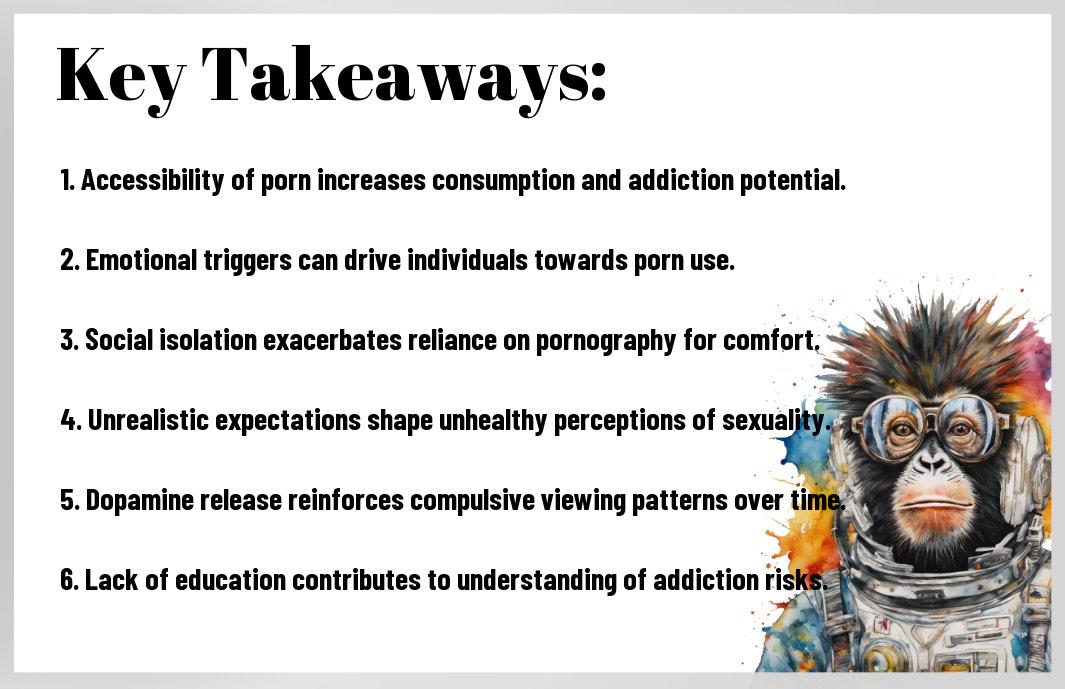
    Understanding Effects Of Porn Addiction

    The phenomenon of porn addiction can significantly affect your life, relationships, and mental well-being.

    It often starts subtly but can escalate into compulsive behaviors that consume your time and thoughts, impacting your daily activities and interpersonal connections.

    Understanding the underlying factors and dynamics is necessary for addressing and overcoming this issue.

    The effects of porn addiction often show up as subtle mood and focus changes first.

    Definition and Context

    For many individuals, porn addiction is characterized by the compulsive consumption of pornography despite negative consequences.

    This behavior can lead to an inability to control or limit consumption, ultimately causing distress and dysfunction in various areas of your life.

    Recovery from the effects of porn addiction is possible with the right approach.

    Prevalence and Impact

    Definition shows that porn addiction is increasingly recognized as a significant issue that affects a large portion of the population.

    Numerous studies indicate that a substantial number of individuals engage with online pornography on a regular basis, pointing to a growing trend towards compulsive use.

    The impact of porn addiction can manifest as relationship problems, diminished self-esteem, and even anxiety or depression, affecting not just your personal life but also your overall quality of life.

    The effects of porn addiction hit relationships hardest — partners notice before you do.

    Plus, the pervasive nature of online content means that many people encounter pornography at an early age, often leading to distorted beliefs about intimacy and relationships.

    This early exposure can set the stage for addictive patterns, making it crucial for you to understand these dynamics in order to seek appropriate guidance and support for a healthier relationship with sexuality and intimacy.

    If you spot these effects of porn addiction, take action now.

    Porn Addiction: 3 Essential Facts You Must Know — illustration 3 The effects of porn addiction are reversible once you commit to change.

    Porn Addiction: 3 Essential Facts You Must Know — illustration 4 Ignoring the effects of porn addiction makes recovery longer and harder.

    Critical Factor 1: Accessibility

    Even in a world where information is predominantly accessible, the availability of pornographic content has surged dramatically.

    With just a few clicks, you can access an overwhelming array of choices, making it all too easy to indulge.

    This convenience leads many to engage in viewing habits that can spiral into a pattern of addiction, as the constant accessibility removes any barriers that once limited consumption.

    The effects of porn addiction compound silently over time.

    Digital Availability

    On almost every device, whether it’s a smartphone, tablet, or computer, you have instant access to explicit material.

    With countless websites dedicated to adult content, finding what you seek has never been easier.

    This digital landscape encourages frequent viewing, which can contribute to the formation of compulsive behaviors.

    Every week you wait, the effects of porn addiction dig deeper.

    Social Acceptance

    Critical to understanding porn addiction is the rising social acceptance surrounding it.

    What was once taboo is now openly discussed and often glamorized, normalizing frequent consumption.

    You might find yourself feeling justified in viewing such content due to the pervasive cultural narratives that promote its accessibility.

    Breaking free starts with naming the effects of porn addiction.

    In fact, societal attitudes have shifted significantly over the years, leading to the perception that consuming porn is a mainstream and acceptable activity.

    Many influencers and media outlets advocate for a more open dialogue regarding sexual expression, often neglecting to mention the potential risks associated with excessive viewing habits.

    As you navigate these evolving norms, it’s important to remain vigilant about how they might shape your own behaviors and understanding of healthy sexuality.

    The effects of porn addiction affect more people than official numbers suggest.

    Critical Factor 2: Psychological Triggers

    Your mental state plays a significant role in the development of porn addiction.

    Psychological triggers encompass a variety of stressors, emotional challenges, and situational factors that can prompt you to seek out porn as a means of relief or escape.

    Understanding these triggers is necessary to breaking the cycle of addiction and fostering healthier responses to emotional distress.

    No single pattern fits every case of the effects of porn addiction.

    Stress and Emotional Regulation

    Beside the obvious effects of stress, emotional regulation challenges can push you toward compulsive behaviors like porn consumption.

    When faced with overwhelming emotions, you may struggle to cope, leading to an increased reliance on porn as a temporary fix, which can further entrench unhealthy habits.

    Most people don’t recognize the effects of porn addiction until the damage is done.

    Escapism and Coping Mechanisms

    Psychological triggers often lead you to seek escapism through porn, providing a mental getaway from life’s challenges.

    This reliance may initially feel comforting but can evolve into a cycle of addiction, as the temporary satisfaction from porn replaces healthier coping strategies that could address your issues more effectively.

    Understanding the effects of porn addiction is the first step to breaking free.
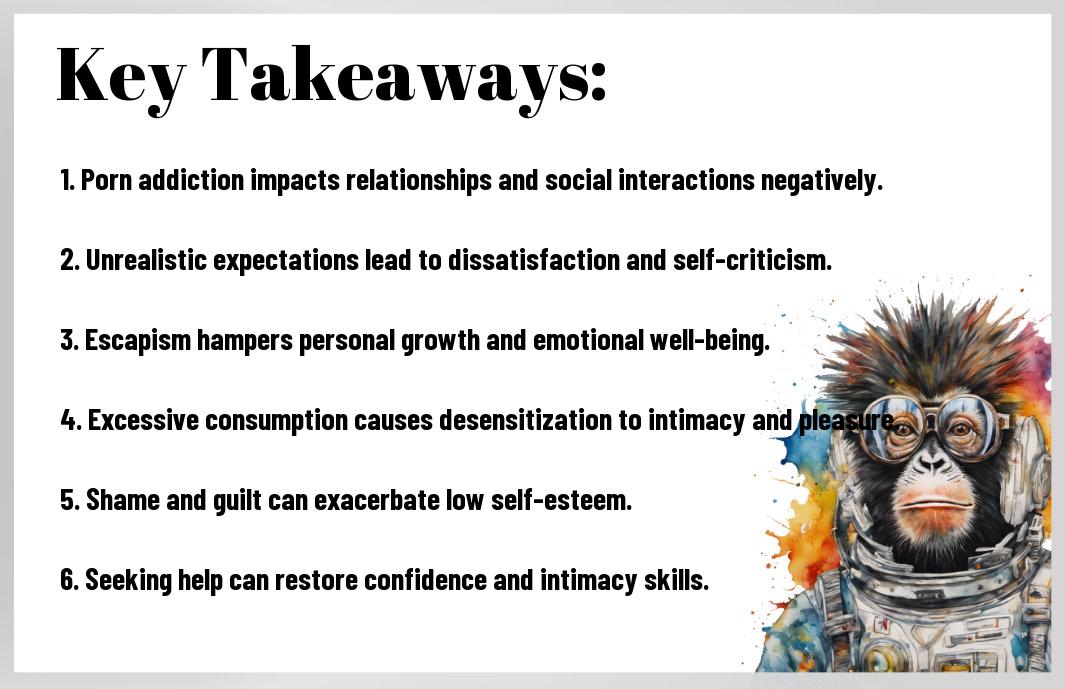
    Factor in the pressure of daily life and the inevitable emotional strain you face; escapism through porn can become an appealing but destructive coping mechanism.

    You might find it easier to turn to porn rather than confront uncomfortable feelings or situations.

    Over time, this behavior can erode your ability to handle stress, ultimately reinforcing the need for escapism and deepening your addiction.

    The scale of the effects of porn addiction surprises even experienced counsellors.

    Critical Factor 3: Social Factors

    Now, it’s imperative to acknowledge that social factors significantly contribute to the risk of developing a porn addiction.

    Your environment, community norms, and social interactions may drive you toward unhealthy behaviors.

    Consider these influences: The effects of porn addiction often show up as subtle mood and focus changes first.

    • Peer pressure to conform to sexual behaviors
    • Normalization of porn within your social circle
    • Exposure to sexual content in media and conversations

    Thou must account for these social dynamics in your journey toward understanding addiction.

    Peer Influence

    After surrounding yourself with peers who endorse or engage in porn consumption, you may feel pressured to mimic those behaviors to fit in. This can create a cycle where your exposure increases due to others’ influence, leading to potential addiction.

    Relationship Dynamics

    Above all, the quality and type of relationships you foster can impact your vulnerability to porn addiction. Lacking healthy, intimate connections may lead you to seek validation and satisfaction elsewhere, including through porn.

    Plus, unhealthy relational patterns, such as dependency or co-dependency, can exacerbate feelings of loneliness or inadequacy.

    In these instances, you may turn to porn as a way to cope or escape, further entrenching the addiction.

    Establishing sound, emotionally fulfilling relationships could serve as a protective factor against turning toward porn for comfort or validation.

    Signs of Porn Addiction

    Many individuals struggling with porn addiction may not recognize the signs. Symptoms can manifest in various forms, affecting both your daily life and overall well-being.

    You may find yourself losing interest in activities that once brought you joy, or you may prioritize porn over important relationships or responsibilities. For deeper insights into the physiological, psychosocial, and substance abuse effects of porn addiction, you can explore this resource.

    Behavioral Indicators

    On noticing a compulsion to view porn despite negative consequences, you could be facing behavioral indicators of addiction.

    You might engage in secretive or covert behavior, struggling to set limits on your usage, or feel a sense of relief when you indulge.

    These patterns often indicate an unhealthy relationship with porn.

    Emotional Symptoms

    Beside behavioral signs, emotional symptoms can also play a significant role in identifying porn addiction. You may experience heightened levels of anxiety, guilt, or loneliness tied to your porn consumption. These emotions can escalate, impacting your self-esteem and overall mental health.

    Considering the emotional symptoms associated with porn addiction, it’s necessary to recognize how they can affect your life.

    Feelings of isolation might lead to avoidance of social situations, while guilt can create a cycle that perpetuates your addiction.

    Understanding these emotional responses can help you take proactive steps towards recovery and address the underlying issues fueling your addiction.

    Addressing Porn Addiction

    To effectively tackle porn addiction, it’s necessary to recognize the underlying issues and take proactive steps towards change.

    Understanding the triggers behind your behavior is the first vital step in regaining control.

    Through self-reflection, therapy, and perhaps lifestyle changes, you can begin to mend the patterns that have developed over time.

    Addressing the addiction takes time and commitment, so be patient with yourself during this process.

    Strategies for Recovery

    Any effective recovery plan should incorporate various strategies tailored to your specific needs.

    These may include cognitive-behavioral therapy to challenge harmful thoughts, setting clear goals, and developing healthier coping mechanisms.

    Engaging in activities that bring you joy and fulfillment can also aid in redirecting your focus.

    Establishing a routine that prioritizes mindfulness and self-care can significantly bolster your recovery journey.

    Support Systems and Resources

    For lasting recovery, it’s beneficial to build a solid support system that includes trusted friends, family, or support groups.

    Connecting with individuals who understand your struggles can provide encouragement and accountability.

    Additionally, online resources and educational materials can offer insights and strategies that resonate with your personal journey, enhancing your healing process.

    Recovery from porn addiction often requires the involvement of a well-rounded support system and access to various resources.

    Consider joining support groups, whether in-person or online, where you can share experiences and learn from others who are facing similar challenges.

    Books, podcasts, and webinars focused on addiction recovery can further augment your understanding and provide valuable coping strategies.

    Engaging with these resources not only helps in building a foundation for your recovery but also creates a community that fosters accountability and encouragement.

    Conclusion

    Hence, understanding the three critical factors that lead to porn addiction—escalation, emotional dysregulation, and social isolation—can empower you to take control of your habits and make informed decisions.

    Acknowledging these elements allows you to develop strategies for healthier coping mechanisms and relationships.

    By focusing on self-awareness and support systems, you can combat the cycle of addiction and foster a more fulfilling life beyond pornography.

    FAQ

    Q: What are the three critical factors that can lead to porn addiction?

    A: The three critical factors that can lead to porn addiction are accessibility, psychological triggers, and social acceptance.

    Accessibility refers to how easily individuals can access adult content through the internet.

    Psychological triggers relate to how certain emotional states, such as stress or loneliness, can drive individuals to seek out pornography for immediate gratification.

    Social acceptance refers to the normalization of pornography in society, leading individuals to engage with it without considering the potential negative impacts on their lives.

    Q: How does accessibility contribute to porn addiction?

    A: Accessibility plays a significant role in porn addiction due to the widespread availability of adult content online.

    High-speed internet and the presence of various platforms make it easier than ever to view pornography.

    This easy access can lead to compulsive behaviors, as individuals may turn to porn out of habit or boredom.

    The lack of barriers can result in frequent use, reinforcing the addictive cycle.

    Q: In what ways do psychological triggers influence the development of porn addiction?

    A: Psychological triggers can significantly influence the development of porn addiction by creating a reliance on pornography as a coping mechanism.

    For instance, individuals experiencing anxiety, depression, or loneliness may seek out adult content as a form of escape.

    Over time, this behavior can evolve into an addiction, where the individual continuously turns to pornography for emotional relief, further entrenching their compulsive behavior.

    Q: What role does social acceptance play in the prevalence of porn addiction?

    A: Social acceptance plays a considerable role in the prevalence of porn addiction by normalizing the consumption of pornography.

    Media portrayals and discussions surrounding adult content can downplay potential risks, making it seem like a standard aspect of modern life.

    This normalization can lead individuals to view pornography as harmless, making it easier for some to justify excessive consumption, potentially leading to addiction.

    Q: Can understanding these factors help in overcoming porn addiction?

    A: Yes, understanding these factors can be a vital step in overcoming porn addiction.

    By recognizing how accessibility, psychological triggers, and social acceptance contribute to the issue, individuals can devise strategies to manage their consumption.

    This might include setting boundaries for internet usage, identifying emotional triggers, and seeking support from peers or professionals to address the underlying causes of their addiction.

    Awareness and education can empower individuals to make healthier choices regarding their relationship with pornography.

    Related reading

  • When Will Porn Addiction Cripple Your Self-Esteem?

    When Will Porn Addiction Cripple Your Self-Esteem?

    The effects of porn addiction are more subtle — and more damaging — than most people realize. This guide breaks down what to watch for and how to break free. With the increasing accessibility of adult content, the risk of developing a porn addiction that negatively impacts your self-esteem is more relevant than ever. You may find yourself struggling with feelings of inadequacy, anxiety, or depression due to unrealistic comparisons and expectations. This post will explore the signs that indicate your consumption might be crossing a harmful line and provide insights on how to regain control over your well-being and self-worth. Most people miss the early effects of porn addiction until damage is done.

    Effects Of Porn Addiction — warning signs Understanding these effects of porn addiction is the first step to breaking free.

    Key Takeaways:

    • Porn addiction can lead to unrealistic expectations about sex and relationships, impacting self-esteem.
    • Frequent consumption of pornography may result in desensitization, making real-life intimacy less fulfilling.
    • Individuals struggling with porn addiction often experience feelings of shame and guilt, contributing to low self-worth.
    • The compulsive nature of porn addiction may divert attention from personal goals and self-improvement efforts.
    • Social isolation can occur as individuals prioritize porn over meaningful social interactions and relationships.
    • Therapeutic interventions can help address the psychological effects of porn addiction and enhance self-esteem.
    • Building healthy habits and fostering self-acceptance are important steps in recovering from porn addiction’s effects on self-esteem.

    Understanding Effects Of Porn Addiction

    A common issue in today’s society, porn addiction can significantly impact your self-esteem and mental health. Understanding effects of porn addiction early matters.

    It may manifest as compulsive viewing or preoccupation with pornography, leading to negative consequences in personal relationships and daily life. The effects of porn addiction can build up quickly.

    Understanding this addiction is important for regaining control and improving your well-being. Spotting effects of porn addiction fast helps recovery.

    The scale of the effects of porn addiction surprises even experienced counsellors.

    Defining Porn Addiction

    Behind the label of porn addiction lies a complex behavioral pattern characterized by excessive consumption of pornographic material despite the awareness of its harmful effects. Many miss the effects of porn addiction until it’s severe.

    This compulsive behavior can interfere with your daily activities, relationships, and emotional health, ultimately hindering your ability to engage in fulfilling experiences. Facing effects of porn addiction honestly is the first step.

    The effects of porn addiction usually show up as subtle mood and focus shifts first.

    The Psychological Mechanisms at Play

    Along with the behavioral aspects, several psychological mechanisms drive porn addiction. Understanding effects of porn addiction early matters.

    These may include a desire for instant gratification, escapism from stress or anxiety, and the reinforcement of dopamine pathways in your brain, which can lead to habitual use. The effects of porn addiction can build up quickly.

    Recovery from the effects of porn addiction is possible with the right plan.

    Plus, these mechanisms contribute to a cycle of dependency on pornography for pleasure, making it increasingly challenging to engage in real-life intimacy and connections.

    As you rely more on porn for satisfaction, your brain’s reward system adapts, requiring increasingly explicit material to achieve the same sense of relief or excitement, leading to greater isolation and diminished self-worth over time.

    The effects of porn addiction hit relationships hardest — partners often notice first.

    When Will Porn Addiction Cripple Your Self-Esteem? — illustration 2 If these effects of porn addiction sound familiar, take action now. Related: 6 serious signs of porn addiction.

    The Impact of Porn Addiction on Self-Esteem

    Clearly, porn addiction can severely diminish your self-esteem over time.

    As you become increasingly reliant on explicit material for gratification, your ability to form genuine connections may suffer.

    This dependency can create feelings of inadequacy and low self-worth, making you question your desirability and value in relationships.

    The constant comparison to idealized images portrayed in pornography leads to a distorted self-image, exacerbating your struggles with confidence and self-acceptance.

    The effects of porn addiction are reversible once you commit to change.

    Emotional Consequences

    To understand the emotional fallout of porn addiction, consider how it can cultivate feelings of shame and guilt.

    These negative emotions can accumulate, leading to anxiety and depression as you grapple with your compulsive behavior.

    Over time, this cycle can warp your perception of intimacy, making it difficult to experience authentic emotional connections with others.

    Your emotional health may suffer, as the addiction overshadows the joy found in genuine relationships.

    Ignoring the effects of porn addiction only makes recovery longer.

    Behavioral Effects

    Across various aspects of life, porn addiction can significantly impact your behavior and choices.

    You may find yourself prioritizing porn over meaningful activities, leading to neglect of hobbies, friendships, and responsibilities.

    This compulsive behavior can create a vicious cycle, eroding trust in yourself and in your relationships.

    The more you engage in this pattern, the further you distance yourself from healthy interactions and pursuits that once brought you satisfaction.

    The effects of porn addiction compound silently over time.

    Plus, this addiction can lead to a withdrawal from social situations, as you may prefer the isolation that comes with binge-watching porn rather than engaging with friends or family.

    This disengagement can foster loneliness and exacerbate feelings of inadequacy, as your reliance on pornography hinders your ability to cultivate fulfilling relationships.

    You might find it increasingly difficult to communicate or connect with others, trapping you in a cycle that further diminishes your self-esteem and overall well-being.

    Every week you wait, the effects of porn addiction dig deeper.

    When Will Porn Addiction Cripple Your Self-Esteem? — illustration 3 Breaking free starts with naming the effects of porn addiction.

    Signs of Declining Self-Esteem

    Many individuals struggling with porn addiction may notice significant signs of declining self-esteem. This can manifest in feelings of worthlessness, social withdrawal, and an inability to connect with others. You can explore more about shared experiences on forums such as In flatline…and lost all self confidence – NoFap. The effects of porn addiction affect more people than official numbers show.

    Recognizing the Warning Signs

    Before you can tackle your self-esteem issues, it’s vital to recognize the warning signs.

    Look for patterns of negative self-talk, reluctance to engage in activities you once enjoyed, or feeling inadequate compared to others.

    These signs indicate that your self-image may be under strain.

    No single pattern fits every case of the effects of porn addiction.

    Comparing to Healthy Self-Perception

    SelfPerception can drastically shift when dealing with addiction.

    Understanding how your view of yourself compares to a healthier self-image can be revealing, helping you identify areas for improvement.

    Below is a comparison of negative self-perception versus healthy self-perception: Most people miss the early effects of porn addiction until damage is done.

    Comparison of Self-Perception Understanding these effects of porn addiction is the first step to breaking free.

    Negative Self-Perception Healthy Self-Perception
    Feelings of unworthiness Recognizing inherent value
    Fear of social interactions Comfort in social settings
    Overemphasis on failures Focus on growth and learning

    Healthy self-perception is critical for your emotional well-being.

    It encompasses understanding your strengths and weaknesses, promoting self-acceptance, and building resilience against external discouragements.

    Below is a table to clarify the hallmarks of healthy self-perception: The scale of the effects of porn addiction surprises even experienced counsellors.

    Hallmarks of Healthy Self-Perception The effects of porn addiction usually show up as subtle mood and focus shifts first.

    Acknowledging achievements Setting realistic goals
    Seeking constructive feedback Embracing positive affirmations
    Being adaptable to change Valuing personal growth

    When Will Porn Addiction Cripple Your Self-Esteem? — illustration 4 Recovery from the effects of porn addiction is possible with the right plan.

    Overcoming Porn Addiction

    Keep in mind that overcoming porn addiction is a journey that requires patience, commitment, and self-reflection.

    You can reclaim your self-esteem and improve your overall well-being by implementing practical strategies and engaging with supportive networks.

    Understanding the triggers and underlying issues related to your addiction will empower you to make healthier choices and foster a more fulfilling life.

    Strategies for Recovery

    One effective strategy for recovery is to set clear, achievable goals for yourself.

    You might start by identifying specific triggers that lead to your porn use and developing healthier coping mechanisms.

    Incorporating mindfulness practices, maintaining a journal, and creating a structured routine can also support your journey toward recovery.

    Additionally, seeking professional help, such as therapy or counseling, can greatly enhance your progress.

    The Role of Support Systems

    Against the challenges of addiction, having a strong support system can significantly boost your recovery process.

    Friends, family, or support groups can offer understanding, encouragement, and accountability as you navigate your personal journey away from porn.

    Surrounding yourself with people who care about your well-being will make it easier for you to discuss your struggles and celebrate your achievements.

    In addition, the emotional support from others can help you feel less isolated in your battle against porn addiction.

    Engaging in open conversations about your feelings and experiences allows you to confront your struggles openly and reduces the stigma often associated with addiction.

    Furthermore, shared experiences in support groups provide insights and encouragement that can empower you to stay focused on your recovery goals.

    Rebuilding Self-Esteem After Addiction

    Once again, it’s vital to acknowledge that overcoming porn addiction is just the first step.

    Rebuilding your self-esteem requires time, reflection, and effort.

    Begin by examining the impact of addiction on your life and understanding the ways it has distorted your self-worth.

    As you work through your emotions, embrace your progress, celebrate small victories, and gradually reconnect with your authentic self, you’ll find the foundations of a healthier self-esteem taking shape.

    Practical Steps Towards Healing

    Self-esteem can be restored through intentional actions that reinforce your sense of self-worth.

    Start by setting achievable goals, practicing gratitude daily, and engaging in hobbies that spark joy.

    Surround yourself with supportive individuals who uplift you and foster a positive environment.

    Additionally, seeking professional help can provide valuable tools for navigating the recovery journey.

    Cultivating Positive Self-Image

    The journey towards a positive self-image begins with shifting your mindset and embracing self-acceptance.

    Focus on your strengths and the qualities that make you unique, rather than dwelling on past mistakes or perceived failures.

    Affirmations can play a significant role in shaping your narrative, reinforcing a loving and compassionate view of yourself.

    It’s important to practice self-compassion as you work towards a more positive self-image.

    When negative thoughts arise, challenge them with affirmations that highlight your worthiness and achievements.

    Engage in activities that promote your strengths, whether it’s exercise, creativity, or learning something new.

    Over time, these practices will help you cultivate resilience against negative self-talk and foster a deeper appreciation for who you are, paving the way for a healthier and happier self-image.

    Seeking Professional Help

    Despite the stigma often associated with addiction, seeking professional help can be a transformative step towards reclaiming your self-esteem.

    A qualified mental health professional can provide you with the tools and strategies needed to overcome porn addiction and address its impact on your life.

    Therapy offers a safe space to explore your feelings, behaviors, and underlying issues, ultimately guiding you toward healthier habits and self-acceptance.

    When to Consult a Therapist

    The right time to consult a therapist is when you notice that your porn consumption is negatively impacting your relationships, work, or self-image.

    If you find yourself unable to cut back despite wanting to, or if your self-esteem is suffering, it may be beneficial to reach out for support.

    Types of Therapy and Approaches

    Therapist recommendations often include various types of therapies to address porn addiction, which may include:

    • Cognitive Behavioral Therapy (CBT)
    • Mindfulness-Based Therapy
    • Group Therapy
    • Acceptance and Commitment Therapy (ACT)
    • Motivational Interviewing

    Recognizing the most suitable therapy for your situation can significantly enhance your recovery journey.

    Type of Therapy Focus
    Cognitive Behavioral Therapy (CBT) Addresses negative thought patterns
    Mindfulness-Based Therapy Encourages awareness and acceptance
    Group Therapy Fosters support and shared experiences
    Acceptance and Commitment Therapy (ACT) Promotes acceptance of feelings
    Motivational Interviewing Enhances motivation for change

    A deeper understanding of these therapeutic approaches can help you choose the right fit for your recovery.

    Engaging in therapy can empower you to confront not only your addiction but also the beliefs and feelings that may be contributing to your low self-esteem.

    • Each therapy focuses on different aspects of healing
    • Consulting with a professional helps identify personal needs
    • Group settings can minimize feelings of isolation
    • Combining approaches may enhance effectiveness
    • Recognizing the therapeutic method that resonates with you is vital
    Therapeutic Approach Benefits
    Cognitive Behavioral Therapy (CBT) Replaces damaging thoughts
    Mindfulness Enhances self-awareness
    Group Therapy Provides community support
    ACT Encourages emotional acceptance
    Motivational Interviewing Fosters readiness for action

    To wrap up

    So, when porn addiction begins to interfere with your daily life, relationships, and self-worth, that’s when you should be concerned about its impact on your self-esteem.

    If you notice feelings of shame, anxiety, or a lack of self-acceptance stemming from your habits, it’s necessary to reflect on these patterns.

    Acknowledging the issue is the first step toward reclaiming your self-esteem and making positive changes.

    Seeking support from professionals or communities can help you navigate this challenge and rebuild a healthier relationship with yourself and intimacy.

    FAQ

    Q: How does porn addiction affect self-esteem?

    A: Porn addiction can lead to a distorted perception of relationships and sexual encounters, causing individuals to compare their real-life experiences with unrealistic portrayals in pornography.

    This comparison can diminish self-worth and result in feelings of inadequacy.

    Over time, these negative thoughts and feelings about oneself can accumulate, making it difficult to foster confidence and healthy relationships.

    Q: What signs might indicate that porn addiction is impacting my self-esteem?

    A: Some common signs include persistent feelings of shame or guilt after consuming porn, difficulties in intimate relationships, and a growing disinterest in real-life sexual experiences.

    Additionally, individuals may notice they avoid social situations or feel inferior compared to others, contributing to a further decline in self-esteem.

    If these signs are present, it may be beneficial to seek professional guidance.

    Q: Is porn addiction treatable, and can addressing it improve self-esteem?

    A: Yes, porn addiction is treatable, and addressing it can lead to significant improvements in self-esteem.

    Treatment options may include therapy, support groups, and developing healthier coping strategies.

    As individuals work through their addiction, they often gain a better understanding of themselves, which can lead to enhanced self-acceptance and improved confidence.

    Q: Can porn addiction lead to social isolation, further affecting self-esteem?

    A: Yes, individuals struggling with porn addiction might withdraw from social interactions due to feelings of shame or embarrassment about their behavior.

    This isolation can exacerbate low self-esteem, creating a cycle where the individual becomes increasingly distanced from supportive relationships and experiences.

    Engaging in social activities and seeking help can be effective ways to break this cycle.

    Q: How can I build my self-esteem while addressing porn addiction?

    A: Building self-esteem while addressing porn addiction involves a multi-faceted approach.

    Focus on engaging in positive self-talk, setting achievable goals, and surrounding yourself with supportive individuals who uplift you.

    Additionally, exploring new hobbies or interests can divert attention from unhealthy habits, while therapy can provide tools and strategies to enhance self-acceptance and self-worth.

    Taking gradual steps toward recovery can significantly contribute to an overall improvement in self-esteem.

    Related reading

  • 7 Key Signs of Porn Addiction (Neurological Breakdown)

    7 Key Signs of Porn Addiction (Neurological Breakdown)

    The 7 signs of porn addiction include loss of control, escalating consumption, neglected responsibilities, relationship strain, constant preoccupation, failed attempts to quit, and using porn to cope with emotions. If you recognize several signs of porn addiction in yourself or someone you care about, seeking professional help is the right next step.

    The Neurological Basis of Compulsive Pornography Use

    Neuroplasticity and the Reward Circuitry

    Neuroplasticity rewires the pathways that connect sexual cues to reward, so you start responding automatically to online stimuli. Each viewing strengthens specific circuits that prioritize immediate gratification over other rewards, making impulses harder to resist.

    Repeated pairing of novelty and arousal makes those circuits more efficient for pornography cues than for everyday pleasures, so you may find routine experiences flatter. Breaking the pattern requires consistent practice and replacement activities to reshape those networks.

    Over months, synaptic changes can bias attention and memory toward sexualized content, and you may catch yourself seeking material without conscious choice. Recovery depends on building new routines and rewarding alternatives that weaken the conditioned responses.

    The Role of Dopamine in Developing Tolerance

    Dopamine drives learning about rewards, and when you consume high-intensity porn the neurotransmitter spikes, reinforcing the behavior. Novel images produce larger releases, teaching your brain to prefer ever-more stimulating content to trigger the same response.

    Tolerance emerges as receptors downregulate and baseline dopamine signaling shifts, so you need more extreme or longer sessions to reach prior levels of arousal. That escalation often feeds shame and secrecy, deepening the cycle you experience.

    As tolerance develops, natural rewards like social connection lose appeal, and you may turn to pornography to achieve emotional relief. Targeted interventions reduce cue exposure and rebuild rewarding, real-world connections that counteract the tolerance effect.

    Clinically you will see reduced activity in frontal regions that regulate impulse control, which helps explain why stopping feels so difficult; therapies that strengthen executive control and retrain reward associations can restore healthier patterns over time.

    Warning Sign 1: Escalation and the Search for Novelty

    Progressive Desensitization to Standard Imagery

    You may notice that scenes which once aroused you now feel flat, so you extend sessions or open multiple clips to chase the same response; that pattern signals tolerance rather than satisfaction and quietly shifts your expectations for arousal.

    Repeatedly scrolling past familiar performers and genres without pause becomes normal as you hunt for a hit of excitement, and you find real-life sexual cues less stimulating because they lack the exaggerated feedback loop you’ve learned to require.

    Exposure to frequent high-intensity material reshapes reward circuits so typical imagery no longer produces the same dopamine surge, leaving you emotionally blunted, distracted from intimacy, and increasingly reliant on online content to feel aroused.

    The Shift Toward Extreme or Deviant Content

    When standard material stops producing arousal, you may begin purposely searching for more extreme or taboo clips to recapture intensity, and that initial curiosity can accelerate into a preference for increasingly atypical scenes.

    If curiosity becomes preference, boundaries shift subtly and secrecy can grow; you might prioritize consumption over consent, relationship needs, or your own ethical standards as the threshold for arousal rises.

    Many people report that normalization of extreme content distorts expectations and reduces empathy, making mutual, communicative sexual experiences feel less compelling compared with the shock value of what you now seek online.

    Also, monitoring your search terms, duration, and emotional aftermath can reveal escalation; tools like site blockers, accountability software, or professional support help you step back from extreme material and work on retraining conditioned responses.

    Warning Sign 2: Impairment of Real-Life Intimacy

    Comparison of Partners to Unrealistic Standards

    You begin to measure your partner against edited, amplified performances, and that comparison erodes appreciation for their individual presence and warmth, leaving you chasing a fabricated ideal rather than experiencing real connection.

    When you expect constant novelty, flawless bodies, and cinematic chemistry, ordinary affection and slow-building desire start to feel inadequate, which can push you toward isolation or secret consumption instead of honest conversation.

    Many relationships strain because you unconsciously demand intensity on cue, ignoring emotional reciprocity and communication, and intimacy declines as partners feel judged, objectified, or unable to meet impossible, screen-driven benchmarks.

    Comparison: Porn Expectations vs Real-Life Partner

    Porn Expectations Real-Life Partner
    Highly edited visuals Natural, varied appearance
    Performance-focused acts Emotional and physical reciprocity
    Immediate gratification Slow, mutual arousal
    Extreme novelty Familiarity and comfort
    Scripted consent Ongoing, negotiated consent

    Physical Manifestations and Induced Sexual Dysfunction

    Your body can start to respond preferentially to screen-based stimuli, and as that conditioning strengthens you may notice erectile difficulties, delayed orgasm, or a reduced interest in partnered sex despite normal desire for sexual content.

    Exposure to intense, frequent stimulation rewires reward pathways so you need more extreme or novel cues to feel aroused, and you can experience performance anxiety and diminished satisfaction during real encounters.

    Altered physiological responses often coincide with sleep disruption, mood changes, and lowered self-esteem, which together compound sexual dysfunction and make recovery more challenging without addressing the underlying habits.

    Neuroadaptation explains why you might only get aroused by specific visual cues: repetitive, amplified stimuli lower baseline sensitivity, and retraining both behavior and expectations is necessary to restore healthy, partnered sexual function.

    Warning Sign 3: Failed Attempts to Regulate Consumption

    Psychological Withdrawal and Irritability During Abstinence

    You will notice that when you try to cut back, mood shifts become louder than before: low tolerance, sudden frustration, and a gnawing restlessness that makes ordinary tasks feel intolerable. These reactions are not moral failings but brain responses to reduced dopamine spikes, and they can surface within hours or days of abstinence. If you ignore those early signs, you risk reacting to stress with renewed use, which reinforces the cycle and makes each subsequent attempt to stop harder.

    Irritability can spill into your relationships and work, turning small annoyances into major conflicts and making concentration fragile. You might find yourself snapping at partners, cancelling plans, or retreating emotionally to avoid scrutiny, which then fuels shame and secrecy. Tracking these patterns objectively-what time of day, what mood, which triggers-helps you see withdrawal as a predictable response rather than a character flaw.

    Sleep disruption often accompanies irritability, leaving you exhausted and more vulnerable to relapse during low-energy moments. You may chase the relief that late-night viewing provides, which rewrites your routines and reinforces the habit. Establishing consistent sleep hygiene, replacing evening triggers with calming rituals, and seeking support when cravings peak are practical steps you can use to reduce withdrawal intensity and protect your progress.

    The Loss of Time Awareness and Binging Cycles

    When you enter a viewing session that was meant to be brief, hours can disappear as novelty-seeking and escalation take over, leaving chores, obligations, and relationships unattended. That distorted time perception is a hallmark of compulsive use: you think you have “just a few minutes,” then find an entire afternoon missing. Recognizing that pattern is the first step to regaining control because it clarifies how much time the behavior actually consumes.

    Sessions often shift from planned to binge-driven as you seek more intense material to achieve the same effect, which tightens the loop between consumption and satisfaction. You may alternate days of heavy use with attempts at strict abstinence, creating volatile cycles that exhaust your willpower and increase secrecy. Mapping your usage patterns and logging actual time spent can expose discrepancies between intention and behavior and highlight moments when intervention is most needed.

    Escalation creates a feedback loop where novelty and longer sessions become the norm, and you normalize sacrificing responsibilities to continue. This pattern undermines routines and priorities, making it harder to attend work, maintain social commitments, or engage in hobbies that used to matter. Breaking that loop requires interrupting automatic sessions-using timers, accountability, or scheduled alternative activities-so you can rebuild reliable daily structure.

    Recovery efforts benefit from specific tactics that address lost time directly: set firm timers before you access content, install site and screen-time blockers, and schedule intentional activities that fill vulnerable periods. Pairing these practical measures with accountability to a therapist or trusted person reduces impulse windows and helps you rebuild trust in your ability to manage time and urges.

    Warning Sign 4: Prioritizing Consumption Over Responsibilities

    Erosion of Professional Productivity and Academic Focus

    Work performance drops when you use porn during breaks or let it pull your attention away from tasks; missed cues and sloppy output follow. This behavior damages credibility and can prompt formal or informal consequences at work or school, forcing you into defensiveness instead of improvement.

    You may find study sessions shortened because you chase quick dopamine hits rather than sustained focus, making exams and reports harder to complete well. Nighttime viewing disrupts sleep and memory consolidation, so learning and skill development stall despite the hours you think you’re investing.

    Deadlines become stress traps as you procrastinate with content consumption, then rush assignments with lower quality. That cycle reinforces avoidance and anxiety, increasing the likelihood that work and academic responsibilities are repeatedly deprioritized for immediate gratification.

    Deceptive Behaviors and the Maintenance of Secrecy

    Hiding browser histories, using private windows, or switching screens quickly during calls are moves you make when pornography takes precedence, and they signal a divide between your public role and private actions. That concealment creates mental overhead and constant vigilance.

    You craft screens into barriers: separate profiles, hidden apps, or off-hour device habits let you maintain appearances while consuming content. Those routines steal time and emotional energy that could be allocated to responsibilities, recovery, or genuine connection.

    You set passwords and decoy accounts, signaling escalation from casual use to compulsive management of access, and that behavior shows how consumption dictates your choices even when it conflicts with stated priorities. Shame then deepens the secrecy loop.

    Patterns of deception form routines where excuses, altered schedules, or minimized explanations protect access while isolating you from accountability, making it harder to seek help without outside observation or support.

    Impact on Social Integration and Peer Relationships

    Friends notice when you skip gatherings, leave early, or seem distracted because you prioritized solitary consumption, and social invitations can decline as a result. Those subtle withdrawals erode mutual trust and reduce the informal support networks you once relied on.

    You risk developing isolation when you choose content over conversations, which leads to fewer confidants and a smaller social circle that previously provided perspective and balance. That shrinking network increases loneliness and reduces opportunities to practice interpersonal skills.

    Group activities suffer when you decline participation or arrive emotionally unavailable, prompting peers to misread your behavior as disinterest rather than struggle, and widening the gap between you and communal life. Repairing that gap requires visible consistency.

    Reconnection often requires you to disclose patterns, set clear boundaries around device use in social settings, and rebuild trust through steady presence and open communication to reverse the distancing caused by consumption.

    7 Key Signs of Porn Addiction (Neurological Breakdown)

    Warning Signs 5-7: Behavioral and Ethical Decline

    Sign 5: Use as a Maladaptive Coping Mechanism for Emotional Distress

    When stress, shame, or anxiety rise, you may turn to porn as an automatic way to numb feelings instead of processing them, which short-circuits healthier coping skills. You might find the cycle intensifies: temporary relief followed by regret, secrecy, and increased loneliness that prompt further use. This pattern trains your brain to prefer quick fixes, making it harder to face stressors directly and eroding your capacity for constructive problem-solving.

    If avoidance becomes your default, relationships suffer because you hide, withdraw, or replace intimacy with consumption, reducing genuine emotional support. You may also notice mood swings tied to access or use, with emotional regulation becoming dependent on availability rather than resilience. Those changes can amplify underlying issues like depression or anxiety, creating a reinforcing loop that deepens reliance on porn.

    You will likely dismiss warning signs until functioning declines in work, study, or parenting responsibilities, at which point consequences force reflection. You may resist traditional coping-therapy, social support, exercise-because porn feels easier and less vulnerable. Recovery requires relearning tolerance for discomfort and practicing adaptive responses to distress that restore trust in yourself and relationships.

    Sign 6: Cognitive Dissonance and the Erosion of Personal Values

    While your beliefs about intimacy and ethics may remain intact, repeated behavior that contradicts those beliefs produces cognitive dissonance that erodes self-trust. You might rationalize or minimize actions to reduce internal conflict, creating moral drift where small compromises accumulate into larger departures from your stated values. That gap between who you say you are and what you do can feel like a slow identity split.

    Since secrecy and justification become habitual, you may blunt awareness of harm done to partners, colleagues, or yourself, which dulls empathy and accountability. You could start altering stories to avoid consequences, and those narratives eventually reshape how you perceive acceptable behavior. Ethical erosion often precedes relational breakdowns because others experience the mismatch before you fully acknowledge it.

    In practice, cognitive dissonance leads you to reorganize priorities around access and instant gratification, which rewrites boundaries you once held firm. You may find that values once defended publicly become negotiable in private, and that internal alarms no longer trigger corrective action. Rebuilding alignment requires confronting contradictions and choosing actions that consistently reflect your principles.

    Many people experience shame when they notice this shift, but shame alone rarely repairs the disconnect; deliberate reflection and external accountability help you reconcile actions with values and restore integrity over time.

    Sign 7: Escalating Financial and Legal Risk-Taking

    Compulsive use can push you toward spending money impulsively on subscriptions, privacy tools, or content you once avoided, often without transparent budgeting or consent from household partners. Those expenditures may feel justified in the moment, yet they undermine financial stability and provoke conflict when discovered. Financial secrecy is a common red flag that usage has crossed from recreational to problematic.

    Over time, as tolerance grows, you might seek paid or illicit content that increases exposure to legal risk, including unlicensed material or interactions that violate terms of service and local law. You could also take jobs or shift priorities to fund access, creating cascading consequences that affect employment and reputation. Legal exposure also increases stress, which can intensify the cycle.

    Because risk-taking often escalates when other controls fail, you may resort to borrowing, selling assets, or stealing to maintain access, which produces acute crises requiring external intervention. Addressing these behaviors early limits harm to credit, employment, and relationships, and avoids criminal consequences that complicate recovery.

    Facing the financial and legal fallout directly-inventorying costs, freezing payment methods, and seeking legal or financial counseling-gives you practical steps to stop escalation and repair tangible harms while you work on underlying compulsions.

    The Long-term Impact on Personality and Social Perception

    Hidden changes in temperament, such as increased impulsivity, emotional blunting, or irritability, can alter how you act and how others perceive you, often before you consciously acknowledge a problem. You may become less present, less reliable, and more defensive, which shifts social roles and reduces opportunities for meaningful connection. Those personality shifts can be misinterpreted by friends and colleagues as character flaws rather than signs of an untreated issue.

    Social withdrawal, secrecy, and inconsistent behavior create reputational costs; people close to you may lose trust or distance themselves, which in turn reinforces isolation and continued use. You might notice fewer invitations, strained partnerships, or a sense that you no longer fit into previous social circles. Repairing social perception requires sustained behavioral change and transparent amends.

    Long-term exposure can also blunt moral sensitivity and diminish empathy, making you appear callous or self-centered even when that conflicts with your self-image. Rebuilding a coherent, socially grounded identity involves practicing accountability, restoring damaged relationships, and demonstrating consistent, value-aligned behavior over time.

    Increased awareness of how others see you is a useful motivator for change, and seeking feedback from trusted people or a clinician helps you track progress in personality shifts and social reintegration.

    Summing up

    To wrap up, you can spot the classic signs of porn addiction — patterns like loss of control, escalating consumption, and neglecting responsibilities. You may find secrecy, failed attempts to cut back, and sexual desensitization affecting intimacy and mood. Acknowledge these signs as signals to act.

    You should assess how porn use interferes with work, relationships, and your sense of self. Seeking assessment from a clinician or confiding in a trusted person can clarify whether use has crossed into addiction. Professional help and structured limits often restore balance.

    You can reduce harm by setting firm boundaries, using blocking tools, and building alternative habits that satisfy emotional needs. Recovery takes time and may need therapy, peer support, or medical evaluation. Take decisive steps early to protect your health and relationships.

    Key Takeaways: Recognising Signs of Porn Addiction

    The signs of porn addiction follow a predictable pattern: you notice escalating use, failed attempts to cut back, and growing interference with daily life. Identifying signs of porn addiction early gives you the best chance of recovery before neurological changes become entrenched. The most reliable signs of porn addiction include loss of control over viewing time, withdrawal irritability, and declining interest in real-world intimacy.

    If someone you care about is showing signs of porn addiction, approaching the subject with empathy rather than judgement leads to better outcomes. Clinicians look for signs of porn addiction that persist across at least three to six months and cause measurable distress or functional impairment before making a formal assessment.

    Mental health professionals use structured interviews to assess signs of porn addiction, but self-assessment can begin with a simple question: are the signs of porn addiction disrupting your relationships, work, or sense of self? Understanding the signs of porn addiction through a clinical lens means recognising that the brain’s reward circuitry plays a central role. The signs of porn addiction that persist across multiple life domains — professional, personal, and relational — carry the most diagnostic weight. If you have identified several signs of porn addiction in your own life, a therapist trained in compulsive sexual behaviour can help develop a recovery plan.

    Catching the signs of porn addiction early, before they become entrenched habits, dramatically improves outcomes. When you address signs of porn addiction before they entrench, you typically need fewer therapy sessions. Talking openly about signs of porn addiction with a trusted professional removes the shame barrier. Research on signs of porn addiction consistently shows that social support and professional guidance are the two strongest predictors of sustained recovery.

    FAQ

    Q: What is porn addiction and how does it differ from frequent pornography use?

    A: Porn addiction is a pattern of compulsive pornography use that interferes with daily functioning, relationships, work, or school and continues despite negative consequences. Frequent pornography use that does not cause distress, loss of control, or impairment in responsibilities is not the same as an addiction; frequency alone does not define a disorder, while loss of control, escalation, and harm do.

    Q: What are the seven warning signs that suggest a porn addiction?

    A: Common warning signs include: 1) escalating time spent viewing pornography or increasing intensity of material to achieve the same effect; 2) unsuccessful attempts to cut down or control use; 3) using porn to cope with stress, anxiety, boredom, or loneliness; 4) neglecting work, school, household duties, or social activities because of porn use; 5) relationship problems, secrecy, or lying about consumption; 6) risky behavior such as viewing pornography at work or in situations that could cause legal or professional consequences; 7) persistent preoccupation, cravings, withdrawal-like distress when not using, or significant shame and guilt that affects mood and functioning.

    Q: How can I tell if my experience is addiction or a high sex drive?

    A: A high sex drive typically involves strong sexual desire without loss of control or major negative consequences. Addiction presents with compulsive use, repeated failed attempts to stop, and measurable harm to relationships, work, finances, or mental health. If pornography use causes repeated conflict, functional impairment, or you find yourself prioritizing it over responsibilities despite wanting to stop, those features point to an addictive pattern rather than only high libido.

    Q: What impact can porn addiction have on mental health and relationships?

    A: Porn addiction often increases anxiety, depression, shame, and social isolation as secrecy and guilt grow. Intimacy with partners can suffer through sexual dissatisfaction, unrealistic expectations, reduced arousal with real partners, or trust breaches from secretive behavior. Professional and academic performance can decline when time and attention are diverted, and co-occurring problems like substance use or mood disorders may intensify the overall harm.

    Q: What practical steps and treatments are effective for addressing porn addiction?

    A: Initial steps include tracking use, setting concrete limits, removing easy access (content filters, device restrictions), and identifying triggers such as stress or loneliness. Evidence-based treatments include cognitive-behavioral therapy to change compulsive patterns, acceptance and commitment strategies to manage urges, couples or family therapy for relationship harm, and group support such as 12-step or peer recovery groups for accountability. Medication may be considered when there are co-occurring conditions like depression, anxiety, or impulse-control issues; a qualified mental health professional can assess and recommend a tailored plan. Seek urgent professional help if thoughts of self-harm, severe impairment, or legal risks are present.

    Related guides: 5 Myths About Porn Addiction | Why Porn Addiction is Destructive

    Further reading: SAMHSA National Helpline | Psychology Today: Pornography Addiction

    Related reading

  • What Triggers Porn Addiction How to Know If You’re Affected

    What Triggers Porn Addiction How to Know If You’re Affected

    Acknowledging the potential impact of porn on your life is imperative for understanding your relationship with it. You may be wondering what factors could trigger porn addiction and how to recognize if you are affected. This informative post aims to shed light on the psychological and emotional triggers that contribute to this issue. By exploring these aspects, you can better understand your habits and make informed decisions about your well-being. Read more about porn addiction.

    What Triggers Porn Addiction How to Know If You’re Affected

    Key Takeaways:

    • Pornography addiction can often be triggered by underlying issues such as stress, anxiety, or loneliness.
    • Compulsive behavior around porn consumption may lead to negative effects on personal relationships and mental health.
    • Signs of porn addiction include a preoccupation with porn, neglecting responsibilities, and using it as a coping mechanism.
    • Self-awareness is key; individuals should reflect on their habits and how they may be influencing their lives.
    • Seeking professional help can provide effective strategies and support for those struggling with addiction.
    • Establishing healthier coping mechanisms, such as exercise or social engagement, can reduce the reliance on porn.
    • Limitations on screen time and content filters can help manage consumption and prevent addictive behaviors.

    What Triggers Porn Addiction How to Know If You’re Affected — illustration 2

    Understanding Porn Addiction

    Before delving into the nature of porn addiction, it’s important to recognize the Signs of Porn Addiction. This awareness will help you identify if your consumption of pornography has crossed into problematic territory.

    Definition of Porn Addiction

    The term porn addiction refers to an excessive reliance on pornography that disrupts your daily life, relationships, and overall well-being. It often involves compulsive behaviors that are difficult to control, even when you are aware of the negative consequences.

    Prevalence and Statistics

    Between various studies, it has been found that a significant number of individuals, particularly young adults, experience porn addiction. Reports suggest that approximately one in three people may struggle with symptoms related to this issue.

    In addition to this, surveys and research indicate an alarming increase in consumption rates, with many individuals accessing pornographic content daily. This growing trend highlights the potential for addiction, as easy access to online pornography can exacerbate compulsive behaviors and create difficulties in personal, social, and professional realms.

    Triggers of Porn Addiction

    One of the key factors behind porn addiction lies in the various triggers that can lead you to engage with adult content. Understanding these triggers is important for recognizing your habits and ultimately addressing any issues that may arise from them.

    Triggers can stem from emotions, situations, or environments that prompt you to seek out pornographic material as a coping mechanism or form of instant gratification.

    Psychological Triggers

    Along your journey to understand porn addiction, it’s important to identify psychological triggers that may influence your behavior.

    Feelings such as anxiety, loneliness, or stress can push you toward porn as a means to escape or feel pleasure. You may find that these emotions create a cycle where you seek comfort in pornographic content, only to amplify feelings of guilt or shame afterward, perpetuating the addiction.

    Environmental Triggers

    Before you can effectively manage porn addiction, it’s vital to recognize environmental triggers that may lead you to seek out adult content.

    Your surroundings—such as specific locations, people, or even media—can play a significant role in your habits. Identifying these environmental cues will help you to develop strategies to reduce exposure and minimize the risk of returning to porn when faced with these triggers.

    The relationship between your environment and porn consumption is often understated. Familiar places where you previously engaged with porn, like your bedroom or office, can act as strong stimuli.

    Additionally, social interactions or media portrayals may revive cravings, impacting your thought patterns. By being mindful of these cues, you can create a healthier environment that supports your journey toward overcoming addiction.

    Signs You May Be Affected

    Unlike occasional viewing, if you find that your interest in pornography has escalated, it could indicate an issue. You may experience compulsive behaviors or find it challenging to control your consumption, affecting your daily life. If you’re unsure about your situation, check out Porn Addiction Symptoms: How to Recognize the Signs.

    Behavioral Symptoms

    Along with increased usage, behavioral symptoms may manifest as neglect of responsibilities or a decline in productivity. You might notice yourself prioritizing pornography over important activities, leading to negative consequences in your personal and professional life.

    Emotional and Relationship Impacts

    Along with behavioral changes, your emotional well-being and relationships might also suffer. You may experience feelings of guilt, shame, or anxiety related to your consumption of pornography. Over time, these feelings can create distance in your relationships, as you might withdraw from intimacy or hide your behavior from loved ones.

    Symptoms can include irritability or mood swings when not engaging with pornography, diminishing interest in real-life intimacy, and difficulties in maintaining healthy relationships. These emotional impacts often lead to isolation, causing you to feel disconnected and lonely, which further perpetuates the cycle of addiction.

    What Triggers Porn Addiction How to Know If You’re Affected — illustration 3

    Assessing Your Relationship with Porn

    Many individuals struggle with understanding their relationship with porn, often caught in a cycle of habitual use without realizing its impact.

    By evaluating your consumption patterns and emotional responses, you can gain insight into whether pornography is enhancing or detracting from your life. Acknowledging your feelings may lead you to make more informed decisions about your habits and how they align with your values.

    Self-Reflection and Awareness

    Before you can effectively assess your relationship with porn, it’s important to engage in self-reflection. Consider your feelings and thoughts when you view pornography and whether it influences your interactions, expectations, and self-image. This awareness can illuminate underlying motives, helping you discern if your habits are serving you well or leading to unwanted consequences.

    Tools for Assessment

    Above all, utilizing various tools can provide perspective and clarity on your porn consumption. Journals, questionnaires, or apps designed for tracking habits can facilitate personal insight. Such tools can help you evaluate how often you engage with porn, the contexts in which you do so, and the emotional states that accompany your viewing habits.

    Self-reflection tools are designed to point out patterns and triggers in your relationship with porn. By consistently tracking your usage, you can highlight moments of compulsivity or emotional discomfort. These insights will empower you to assess whether your porn habits align with your values and help you make any necessary adjustments moving forward.

    What Triggers Porn Addiction How to Know If You’re Affected — illustration 4

    Strategies for Overcoming Addiction

    To effectively overcome porn addiction, you can employ a combination of professional help and self-help techniques.

    Establishing a strong support system, setting realistic goals, and utilizing mindfulness practices can aid in managing triggers and reducing cravings. Engaging in healthier activities and focusing on personal development are also important steps in reclaiming control over your life.

    Professional Help and Therapy

    Before initiateing on your recovery journey, seeking professional help can provide you with tailored strategies and accountability. Therapists specializing in addiction can help you explore the underlying factors contributing to your behaviors and develop coping mechanisms. Support groups can also be an integral part of your healing process, offering a sense of community and shared experience.

    Self-Help Techniques

    Behind the journey towards recovery lies the importance of self-help techniques that empower you to take control of your life. Techniques such as journaling your thoughts, practicing mindfulness, and setting clear boundaries with technology can significantly reduce your urges. You might find that exploring hobbies or engaging in physical activities can help redirect your focus and energy.

    Help yourself by implementing consistent self-help techniques in your daily routine. Creating a structured schedule with designated times for activities you enjoy can keep your mind engaged and reduce idle moments that may lead to temptation.

    Additionally, practice gratitude journaling to shift your mindset towards positivity, and incorporate physical exercise, which can boost your mood and reduce stress. Start online support groups or communities that promote healthy discussions and share your experiences, enhancing your accountability and motivation.

    The Role of Support Systems

    Not addressing the significance of support systems can hinder your recovery journey from porn addiction. Seeking assistance from friends, family, or support groups can provide you with the understanding and encouragement needed to overcome your challenges.

    Surrounding yourself with individuals who empathize with your experience fosters a sense of community, making the road to recovery feel less isolating.

    Importance of Community and Understanding

    Around you, there are people who can relate to your struggles and offer valuable insights. Connecting with a community helps normalize your feelings and offers comfort in knowing that you are not alone in this battle. Engaging with like-minded individuals allows for open conversations, reducing feelings of shame and isolation, while also promoting accountability and growth.

    Resources for Recovery

    After acknowledging the need for change, exploring available resources can significantly enhance your recovery process. Various programs, websites, and self-help books offer tools tailored to help you confront and manage your addiction. These resources can guide you through vital steps for healing and personal development, ensuring you have adequate support for the challenges that lie ahead.

    Systems designed for recovery include online forums, counseling services, and structured programs that focus on building healthy habits and coping mechanisms.

    Many organizations provide free or low-cost resources that equip you with strategies to handle triggers effectively. Accessing these tailored tools can empower you to make informed choices, reinforcing your commitment to overcoming addiction and fostering a healthier lifestyle.

    Conclusion

    Now that you have insights into what triggers porn addiction and how to recognize if you’re affected, it’s vital to reflect on your habits and feelings regarding pornography.

    Understanding these triggers can empower you to make informed choices about your consumption. If you notice patterns of dependency or distress, consider seeking support to regain control over your relationship with porn. Acknowledging the issue is the first step toward a healthier mindset and improved well-being.

    FAQ

    Q: What are the main factors that trigger porn addiction?

    A: Porn addiction can be triggered by various factors, including emotional or mental health issues such as anxiety, depression, or loneliness. Environmental influences, such as exposure to sexual content at a young age or high-stress situations, can also contribute.

    Additionally, neurological factors, such as dopamine release in the brain which reinforces the desire to seek pleasurable experiences, play a significant role in the development of this addiction.

    Q: How can I identify if I have a porn addiction?

    A: Signs of porn addiction can include spending excessive amounts of time viewing pornography, prioritizing it over other important activities and relationships, feeling unable to control or reduce your consumption, and experiencing feelings of shame or guilt following use. If you find that using porn is interfering with your daily life and responsibilities, it may indicate a problem.

    Q: Are there specific symptoms that indicate someone is struggling with porn addiction?

    A: Yes, symptoms of porn addiction may include obsessive thoughts about porn, withdrawal symptoms when not viewing it, neglecting personal and social relationships, and using porn as a coping mechanism for stress or negative emotions. Other signs can include increased tolerance, needing more extreme content to achieve the same arousal, and difficulty in intimate relationships.

    Q: Can porn addiction affect my mental health?

    A: Absolutely, porn addiction can have significant effects on mental health. It may lead to increased feelings of anxiety, depression, and low self-esteem.

    The disparity between expectations created by porn and real-life relationships can also result in dissatisfaction and unhappiness. It can create a cycle where individuals turn to porn as a means of escape, further compounding these mental health challenges.

    Q: Is it possible to overcome porn addiction by myself?

    A: While some individuals successfully manage to overcome porn addiction on their own by implementing changes in their habits and routines, others may find it beneficial to seek professional help. Support groups, counseling, or therapy can provide the guidance and accountability necessary for recovery, especially in cases where the addiction is deeply ingrained.

    Q: How can I seek help for porn addiction?

    A: Seeking help for porn addiction can start with speaking to a trusted friend or family member about your struggles. Additionally, you can reach out to mental health professionals, such as therapists or counselors who specialize in addiction and sexual health. Support groups, either in-person or online, can provide community and shared experiences which can aid in recovery.

    Q: What are some strategies to help manage or reduce porn consumption?

    A: Strategies to manage or reduce porn consumption include setting clear personal boundaries regarding internet use, engaging in alternative activities that fulfill emotional needs, practicing mindfulness and meditation to increase awareness of urges, and utilizing website blockers to limit access.

    Educating oneself about the potential effects of porn addiction can also bolster motivation to change.

    Related reading

Skip to content