Tag: help

  • Where to Start – How to Know If You Have a Porn Addiction

    Where to Start – How to Know If You Have a Porn Addiction

    Just like any other behavior that can affect your well-being, understanding whether you have a porn addiction requires self-reflection and awareness. You may find yourself questioning the role porn plays in your life and how it impacts your relationships, time management, and overall mental health. This guide will help you identify potential signs of addiction, enabling you to take the first steps toward a healthier relationship with pornography and yourself.

    Key Takeaways:

    • Recognize patterns of behavior: Identify if your consumption of pornography is affecting daily life or personal relationships.
    • Evaluate emotional responses: Notice feelings of guilt, shame, or anxiety associated with porn use.
    • Assess time spent: Consider the amount of time dedicated to viewing porn and how it impacts other activities and responsibilities.
    • Check for compulsive use: Determine if you feel a compulsion to engage with porn, even when you wish to stop.
    • Understand the effects on intimacy: Analyze if porn consumption is distorting your expectations or experiences in sexual or romantic relationships.
    • Seek professional guidance: Explore the possibility of consulting a therapist or counselor if you suspect a problematic relationship with porn.
    • Be open to support: Connect with support groups or online communities where individuals share similar experiences and challenges.

    Understanding Porn Addiction

    The concept of porn addiction can be complex, as it encompasses emotional, psychological, and behavioral aspects. You may find yourself questioning your habits or wondering if your consumption of pornography is interfering with your daily life, relationships, or mental health. For a deeper overview, take a look at this detailed article on Pornography addiction.

    Defining Porn Addiction

    Before you can address potential issues related to porn addiction, it’s crucial to understand what it entails. Porn addiction is generally characterized by compulsive engagement with pornographic material, leading to negative consequences in various aspects of your life. These may include personal relationships, work performance, and overall emotional wellbeing.

    Signs and Symptoms

    With porn addiction, you may experience a range of signs and symptoms that indicate a problem. These can include excessive time spent viewing porn, inability to reduce or stop usage, and feeling distressed or anxious about your habits. You might also notice a decline in your intimate relationships or difficulties in forming genuine emotional connections due to your dependency.

    Another important aspect to consider is how you feel after engaging with pornography. You may notice feelings of guilt, shame, or emptiness that persist, as they could signify that your usage is more than just casual consumption. It’s crucial to evaluate how your habits impact not only your thoughts and emotions but also your relationships and daily life, providing a clearer picture of your situation.

    The Impact of Porn Addiction

    Any addiction can have significant effects on your life, and porn addiction is no exception. It can lead to various challenges that affect your mental well-being, relationships, and everyday functioning. Understanding these impacts is necessary for assessing whether your habits may be interfering with your personal and social life.

    Psychological Effects

    About porn addiction can lead to a range of psychological effects, including anxiety, depression, and distorted perceptions of intimacy. You may find it challenging to experience genuine connection and emotional fulfillment, which can further exacerbate feelings of isolation. Often, the compulsive need to consume pornography can create a cycle of guilt and shame that negatively impacts your self-esteem and mental health.

    Social and Relationship Consequences

    Before addressing porn addiction, it’s important to consider the social and relationship consequences it may bring. Your addiction can lead to disconnection from friends, family, and your partner, fostering an environment of secrecy and mistrust.

    To explore the social and relationship consequences further, consider how porn addiction can create unrealistic expectations about sex and intimacy. You might find yourself prioritizing pornography over real-life connections, leading to feelings of neglect among those you care about. This detachment can strain your relationships, making it difficult for you to engage authentically with others. Over time, these patterns can result in loneliness and dissatisfaction, highlighting the importance of addressing any addiction that may be impacting your social life.

    Assessing Your Habits

    Unlike conventional habits that may be simple to identify, assessing your relationship with pornography can be more complex. You should take a step back and evaluate how often you engage with pornographic material, the contexts in which you view it, and how it impacts your daily life, including your relationships and responsibilities. Understanding your patterns and behaviors can provide you with valuable insights into whether you may have an addiction.

    Self-Reflection Techniques

    Your journey towards understanding your habits can begin with introspective practices that help clarify your thoughts and feelings surrounding pornography. Consider asking yourself questions about your viewing habits, triggers, and the emotions you experience afterward. Such self-inquiry can effectively reveal underlying motivations and whether your consumption of pornography is a healthy part of your life or an indication of a deeper issue.

    Maintaining a Journal

    With diligent journaling, you can track your feelings, experiences, and thoughts related to your porn habits. This practice not only allows you to articulate your emotions but also provides a tangible record that you can refer back to as you assess your progress and make informed decisions about your consumption.

    At its core, maintaining a journal involves writing regularly, setting aside dedicated time to reflect on your pornographic habits and the feelings they elicit. Document the frequency of your use, the circumstances that lead to viewing, and any emotional responses you have afterward. Over time, this can help you identify patterns and triggers, ultimately aiding in recognizing whether your consumption may cross the line into addiction. Journaling offers a private space for you to explore your thoughts, making it an effective tool on your path to understanding and potentially addressing any issues with pornography.

    Seeking Help

    Now that you’ve identified potential signs of porn addiction, seeking help is the next step. It’s important to acknowledge that support is available, and you can learn more about Signs of Porn Addiction to understand your situation better. Taking action can lead to positive changes and improved well-being.

    Professional Assistance

    An effective way to tackle porn addiction is to engage with a qualified mental health professional. These experts can provide tailored strategies and support, helping you understand the underlying causes of your addiction while guiding you toward healthier coping mechanisms. Don’t hesitate to reach out for the guidance you need.

    Support Groups and Resources

    By connecting with support groups, you can find a community of individuals who share similar experiences. These groups discuss challenges and strategies, allowing you to gain insights and encouragement from others who understand your journey. It fosters a sense of belonging and accountability.

    Also, there are various online resources and local meetups that focus on recovery from porn addiction. These platforms can provide valuable information and tools to assist you in your journey. Engaging with a support group or finding resources that resonate with you can make a significant difference in your recovery process.

    Developing Healthy Practices

    Once again, it is vital to cultivate healthy practices that promote a balanced relationship with your sexuality. Evaluating your daily habits can reveal areas where you might be relying on pornography to cope with stress or fill emotional voids. Adopting healthier routines, such as exercise, mindfulness, or engaging in social activities, can significantly improve your overall well-being and reduce the urge to turn to pornography as a form of escape.

    Setting Boundaries

    To establish a healthier relationship with pornography, start by setting clear boundaries. Identify times, situations, or emotional triggers that lead you to consume adult content. By recognizing these patterns, you can create strategies to avoid them, such as limiting access to devices or using software to block explicit content. Prioritizing self-awareness will empower you to take control of your habits.

    Finding Alternative Activities

    Alternative activities can be a powerful way to redirect your focus and energy away from pornography. Engage in hobbies or interests that keep you entertained and fulfilled, such as sports, gardening, or art. This not only helps to fill your time but also encourages personal growth and development.

    Understanding the importance of finding alternative activities can lead to a healthier lifestyle. Explore new interests that align with your passions, or revisit old hobbies that brought you joy. Engaging in social activities or community events can also foster connections that reinforce your sense of belonging. By making these changes, you’ll create a fulfilling environment that minimizes the urge to resort to pornography when seeking stimulation or comfort.

    Moving Forward

    Not taking the first step toward recovery can keep you trapped in a cycle of addiction. Acknowledging your challenges is the initial move toward a healthier, more fulfilling life. As you engage in this journey, it’s important to surround yourself with support and resources that empower you to make positive changes.

    Creating a Plan for Recovery

    With a clear plan in place, you can outline specific goals and strategies that align with your recovery process. This plan can include setting aside time for self-reflection, identifying triggers, and incorporating healthy coping mechanisms. Additionally, seeking guidance from a counselor or therapist can provide valuable insights tailored to your unique situation.

    Staying Committed to Change

    At times, staying committed to change may feel overwhelming, but persistence is key to your long-term success. Establishing regular check-ins with yourself or a support group can keep you accountable. Celebrating small victories will also reinforce your progress and motivate you to continue on your path.

    A plan for staying committed to change can include engaging in activities that promote wellness, such as exercise and mindfulness practices. It’s important to track your progress and adjust your approach as needed. Leaning on your support network during difficult moments can provide additional encouragement, reinforcing your dedication to healthier habits and ultimately leading to a more fulfilling life free from addiction.

    To wrap up

    With these considerations, you can better assess whether your relationship with pornography is a healthy one or if it leans towards addiction. Reflect on how it affects your daily life, emotional well-being, and relationships. Understanding your habits and their impact is necessary for making informed choices about your consumption. If you find that your use is interfering with your responsibilities or causing distress, seeking professional help may be a beneficial step towards regaining control over your life.

    FAQ

    Q: What are the signs that indicate I might have a porn addiction?

    A: Some common signs that may suggest a porn addiction include spending excessive time viewing porn, experiencing cravings, neglecting responsibilities or relationships due to porn use, and feeling unable to control or reduce your viewing despite wanting to. If you find yourself seeking out porn even in inappropriate situations or feeling distressed when you don’t have access, these may also be indicators.

    Q: How can I distinguish between a hobby and an addiction when it comes to porn?

    A: A hobby typically involves engagement that is pleasurable without negative consequences, while addiction usually results in adverse effects on various aspects of life, such as emotional well-being or social relationships. If your porn consumption is interfering with daily functioning or leading to negative emotions like shame or guilt, it may be leaning towards addiction rather than a mere hobby.

    Q: Is it normal to feel ashamed or guilty about watching porn?

    A: Many individuals experience feelings of shame or guilt surrounding porn use, especially if it conflicts with personal values or beliefs. While these feelings are not uncommon, if they are persistent and impacting your mental health or relationships, it could be a sign of a deeper issue, possibly indicating an addiction.

    Q: How do I assess the impact of porn on my relationships?

    A: To assess the impact, reflect on how your porn consumption affects your intimacy, communication, and connection with your partner or loved ones. If you notice a decrease in sexual satisfaction, emotional closeness, or conflicts stemming from your porn use, it may be worthwhile to consider these implications seriously.

    Q: What steps can I take if I suspect I have a porn addiction?

    A: If you suspect you have a porn addiction, first consider seeking professional help, such as a therapist who specializes in sexual health or addiction. Additionally, you might benefit from joining support groups, limiting access to pornographic material, and finding alternative activities that engage your time positively and fulfill your needs.

    Q: Can porn addiction affect my mental health?

    A: Yes, porn addiction can significantly impact mental health. It may lead to issues such as anxiety, depression, or low self-esteem due to dissatisfaction with one’s own sexual experiences or unrealistic comparisons. Being aware of these possible consequences can help you understand the importance of addressing the issue if it’s affecting you.

    Q: How can I start making changes if I decide to reduce or quit porn use?

    A: To initiate change, set clear, achievable goals for your porn consumption, such as reducing the frequency or duration of use. Identify triggers that lead you to seek out porn and find healthier coping mechanisms or distractions. Additionally, consider reaching out for support from friends, family, or professionals to foster accountability and encouragement in your journey.

  • Get Help Now – How Long Does It Take to Recover from Porn Addiction

    Get Help Now – How Long Does It Take to Recover from Porn Addiction

    Many individuals struggling with porn addiction often wonder how long it will take to break free and regain control of their lives. Understanding the recovery timeline is necessary for your journey toward healing and growth. In this post, you will gain insights into the factors that influence recovery duration and what steps you can take to expedite the process. By recognizing the importance of support, commitment, and personal development, you can approach your recovery with a more informed mindset.

    Key Takeaways:

    • Recovery from porn addiction varies by individual and can take anywhere from a few months to several years.
    • Developing a personalized recovery plan that includes therapy and support groups can significantly aid the recovery process.
    • Understanding the triggers and underlying issues that contribute to porn addiction is necessary for effective recovery.
    • Temporary withdrawal symptoms or cravings may occur during the initial stages of recovery.
    • Building healthy habits and engaging in alternative activities can help redirect focus away from porn consumption.
    • Support from loved ones and professionals can enhance motivation and accountability throughout the recovery journey.
    • Persistent self-reflection and adjustment of strategies may be necessary to achieve long-term recovery.

    Understanding Porn Addiction

    Before delving into recovery, it’s necessary to understand what porn addiction is and how it affects you. It can be a compulsive behavior that disrupts your daily life, relationships, and overall well-being. Recognizing the impact of porn addiction is the first step towards healing and regaining control over your life.

    Defining Porn Addiction

    The term “porn addiction” refers to the compulsive use of pornography to the point where it interferes with your personal, social, or occupational responsibilities. It’s characterized by an overwhelming urge to seek out pornographic material, despite knowing the negative consequences it can bring to your life.

    Signs and Symptoms

    Around 10% of people who consume pornography may struggle with addiction, experiencing a range of signs and symptoms. These can include escalating use, preoccupation with pornographic content, and conflicts in relationships due to porn consumption.

    Another indicator of porn addiction is how you prioritize porn over other activities and responsibilities. You might find yourself spending excessive amounts of time searching for or consuming pornography. Additionally, feelings of guilt, shame, or anxiety may accompany your use, yet you find it challenging to stop or cut back. Recognizing these signs is a vital step towards addressing your addiction and seeking help.

    The Recovery Process

    The recovery process from porn addiction involves various stages that can significantly transform your relationship with pornography. It typically begins with acknowledging the addiction and committing to change. By understanding the emotional and psychological factors at play, you can better navigate the challenges that arise during your journey. This process is not linear and may require ongoing evaluation and support, ensuring you stay focused on your goals.

    Initial Steps to Recovery

    Recovery from porn addiction starts with recognizing and accepting that you have a problem. This may involve seeking professional help, such as therapy or support groups, to guide you through the early stages of change. Setting clear goals and identifying triggers can help you develop healthier coping mechanisms. Maintaining accountability with trusted friends or family members can also provide additional support as you begin to navigate your recovery journey.

    Long-Term Strategies

    On your path to sustained recovery, implementing long-term strategies is crucial. Focus on developing new hobbies and interests that keep you engaged while fostering personal growth. Additionally, practicing mindfulness and stress-reduction techniques can help you manage urges and prevent relapse. Regularly assessing your progress and adjusting your goals can also help maintain your motivation and sense of accomplishment.

    Plus, establishing a solid routine can play a significant role in your long-term success. Consistent habits like exercise, journaling, or practicing gratitude can provide positive outlets for your energy and emotions. Surround yourself with a supportive community that understands your journey; this connection can serve as a powerful motivator. Balancing self-discipline with self-compassion is key, as it helps you navigate setbacks with resilience while celebrating your ongoing progress.

    Factors Influencing Recovery Time

    Not every individual experiences the same recovery timeline when dealing with porn addiction. Several factors can significantly influence how quickly you might heal and regain control. These include:

    • Your initial level of addiction
    • Existing mental health issues
    • Commitment to recovery
    • Access to professional resources
    • Personal motivation and goals

    After assessing these factors, you can better understand your unique recovery journey.

    Individual Differences

    Time plays an important role in recovery, but individual differences can extend or shorten this process. Each person’s relationship with porn and the underlying reasons for addiction vary, leading to different challenges and breakthroughs. It’s important to understand that what works for someone else may not apply to you, influencing your journey’s duration and overall effectiveness.

    Support Systems

    Time is also impacted by the support systems available to you. Engaging with friends, family, or professional counselors can provide the necessary emotional backing and accountability you need to stay focused. Seeking out support groups or online communities can help offer insights from others going through similar experiences, making the recovery process feel less isolating.

    Differences in support systems can either enhance or slow down your recovery timeline. While having a solid network encourages positive habits and emotional stability, a lack of support may leave you vulnerable to relapses. By actively seeking out and building strong relationships with those who understand your journey, you can create a more conducive environment for sustained recovery.

    Common Challenges During Recovery

    For anyone on the path to overcoming porn addiction, numerous challenges can arise. These may include managing triggers, handling cravings, and addressing emotional and psychological hurdles. Understanding these obstacles is imperative for navigating your recovery effectively. For a deeper insight into the recovery process, you can refer to this Porn Addiction Recovery Timeline.

    Cravings and Triggers

    The urge to relapse can be a constant battle during recovery. Cravings often stem from certain situational triggers, whether they are environmental cues or emotional states. Identifying these triggers helps you develop strategies to cope effectively without reverting to old habits.

    Emotional and Psychological Hurdles

    Recovery involves navigating complex emotional and psychological hurdles that can challenge your progress. You may experience feelings of guilt, shame, or anxiety that arise as you confront the realities of your addiction. Building resilience to these emotions is vital for maintaining your commitment to recovery.

    Indeed, confronting emotional and psychological hurdles often requires deep introspection and support. You might find yourself grappling with self-doubt or fear of failure, which can hinder your progress. Engaging in therapy or support groups can provide the tools you need to manage these feelings, helping you develop a more positive mindset imperative for lasting recovery.

    Resources for Recovery

    Your journey towards recovery from pornography addiction is supported by various resources. You can explore comprehensive options and valuable information on Pornography Addiction that can guide your healing process and provide insights into effective recovery strategies.

    Professional Help

    Resources such as therapists and counselors specializing in addiction can be crucial for your recovery. Professional guidance will help you understand the underlying effects of your pornography addiction, providing tailored coping strategies and support throughout your healing journey.

    Support Groups and Communities

    Resources of support groups and communities can significantly enhance your recovery experience. These platforms offer a sense of belonging and shared understanding among individuals facing similar challenges.

    This mutual support fosters accountability and encouragement, allowing you to share experiences and strategies for overcoming porn addiction. Whether online or in-person, these groups facilitate open conversations that can aid your recovery process, helping to make you feel less isolated and more empowered in your journey toward healing.

    Personal Stories of Recovery

    Unlike many struggles, the journey toward recovery from porn addiction is often uniquely personal. In this section, you’ll find powerful stories from individuals who have faced their addiction head-on and transformed their lives. They share their challenges and triumphs, illustrating that recovery is possible through perseverance and support. These narratives serve as a reminder that you are not alone in this journey and that hope is always within reach.

    Overcoming Addiction

    Addiction recovery is a process that unfolds differently for everyone. You may encounter setbacks, but it’s important to focus on each small victory. Surround yourself with supportive people, whether friends, family, or support groups, who can guide you along the way. Embrace healthy coping mechanisms and recognize that overcoming addiction involves continuous self-reflection and adjustment of your strategies.

    Lessons Learned

    Between the challenges of addiction and the milestones of recovery, you’ll discover valuable lessons that shape your new path. Each experience offers insights about yourself, your triggers, and the importance of self-care. This knowledge not only aids in your journey but serves as a foundation for personal growth.

    Another significant takeaway from your recovery journey is the importance of maintaining a balanced lifestyle. Engaging in activities that fulfill you—be it exercise, hobbies, or social connections—can help counteract the urges and reinforce healthier habits. Additionally, you may learn to approach life’s stresses with greater resilience, applying the coping strategies you’ve developed during recovery to prevent relapse and build a future free from addiction.

    Final Words

    The journey to recover from porn addiction varies for everyone, depending on your individual circumstances and commitment to change. By seeking support from professionals and utilizing available resources, you can facilitate your recovery process. It may take time, but with perseverance and the right strategies, you can regain control over your habits and improve your overall well-being. Focus on the progress you make each day, and be kind to yourself as you navigate this path toward healthier choices.

    FAQ

    Q: What is porn addiction?

    A: Porn addiction is a behavioral addiction characterized by compulsive consumption of pornographic material, despite negative consequences. Individuals may find it difficult to control their viewing, leading to disruptions in daily life, relationships, and mental health.

    Q: How do I know if I have a porn addiction?

    A: You may have a porn addiction if you frequently find yourself watching porn even when you don’t want to, it interferes with your responsibilities or relationships, or you feel guilt or shame after viewing. Other signs include neglecting personal hygiene, losing interest in sex with a partner, and using porn as a coping mechanism for stress or emotional issues.

    Q: How long does it take to recover from porn addiction?

    A: Recovery from porn addiction varies for each individual. Typically, people may start to see improvements in their symptoms within a few weeks of reducing their consumption. However, complete recovery can take several months to even years, depending on factors such as the severity of the addiction, the individual’s personal circumstances, and support systems in place.

    Q: What are the first steps to take for recovery?

    A: The first steps for recovery include acknowledging the issue, reducing or eliminating porn consumption, and reflecting on triggers that encourage viewing. Seeking support from mental health professionals, support groups, or online forums can also be beneficial. Understanding that recovery is a process can help you remain committed to change.

    Q: Can therapy help with porn addiction?

    A: Yes, therapy can be highly effective for overcoming porn addiction. Cognitive-behavioral therapy (CBT) is commonly recommended, as it helps individuals identify harmful thought patterns and develop healthier coping mechanisms. Support from therapists can provide guidance, accountability, and strategies to manage urges.

    Q: What role do support groups play in recovery?

    A: Support groups offer a community of individuals who understand the challenges associated with porn addiction. They provide emotional support, shared experiences, and practical advice for overcoming challenges. Many find it helpful to connect with others who are on a similar journey, which can enhance motivation and accountability during recovery.

    Q: Are there any tools or resources that can aid in recovery from porn addiction?

    A: There are various tools and resources available to aid recovery. These include apps to track progress, educational materials about addiction and its effects, guided meditation or mindfulness practices to manage urges, and access to online communities or forums dedicated to discussing recovery strategies. Each of these can provide valuable support during the recovery process.

  • How to help someone with a porn addiction – 5 proven methods

    How to help someone with a porn addiction – 5 proven methods

    You may find it challenging to support a loved one struggling with porn addiction, but with the right strategies, you can make a significant difference in their recovery journey. Understanding the complexities of addiction and employing effective methods can empower you to be a strong ally in their healing process. In this post, you will discover five proven ways to assist someone dealing with this addiction, helping them regain control and rebuild healthier coping mechanisms.

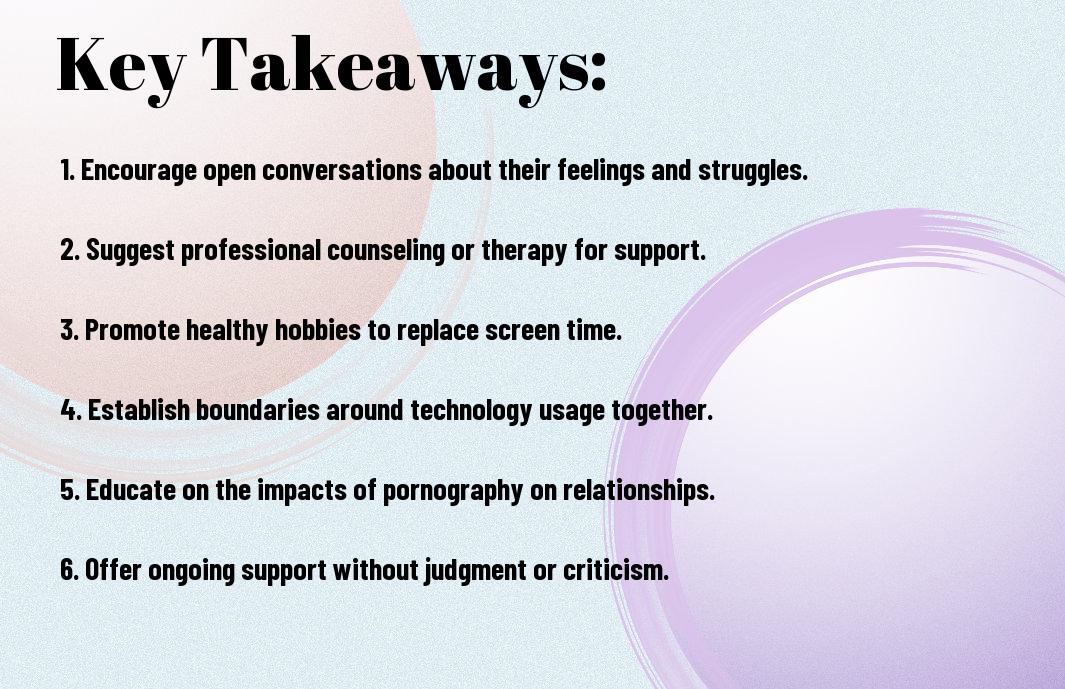
    Key Takeaways:

    • Approach the topic with empathy and understanding to create a safe environment for open dialogue.
    • Encourage seeking professional help, such as therapy or support groups, to address underlying issues and develop coping strategies.
    • Assist in establishing healthy habits that can replace the time and energy spent on pornography, like exercise or new hobbies.
    • Promote open communication about triggers and feelings to help the individual navigate their addiction more effectively.
    • Be patient and provide ongoing support, emphasizing that recovery is a journey that may involve setbacks.

    Understanding Porn Addiction

    The impact of porn addiction can be significant, affecting many aspects of your life, including relationships, work, and mental health. This addiction often develops when an individual becomes reliant on pornography for arousal and gratification, leading to compulsive use despite negative consequences. Recognizing and addressing this pattern is imperative for regaining control over one’s life and fostering healthier relationships.

    Defining Porn Addiction

    Above all, porn addiction is characterized by an overwhelming preoccupation with and compulsive consumption of pornographic material, often to the detriment of personal relationships and daily functioning. You may find yourself spending excessive amounts of time seeking out, viewing, or recovering from pornography, which can interfere with your responsibilities and overall well-being.

    Signs and Symptoms

    Symptoms of porn addiction can manifest in various ways, impacting your mental and emotional state. You might notice an increase in anxiety, irritability, or depression when unable to access pornography. Additionally, a growing need for more explicit content to achieve the same level of arousal can be a red flag, as well as neglecting other important aspects of life, such as work, social interactions, or hobbies.

    Further signs may include withdrawal from social activities, relationship strain, and difficulty concentrating on tasks. You could also experience feelings of guilt or shame after viewing porn, but continue to engage in the behavior nonetheless. Recognizing these symptoms is the first step towards understanding your relationship with pornography and seeking help if needed.

    Approaching the Subject

    Any discussion about porn addiction can be sensitive and potentially uncomfortable. It’s imperative to approach the subject with empathy and understanding. Begin by expressing your genuine concern for their well-being, ensuring that your intentions are clear. Use language that emphasizes support rather than judgment, and be prepared to listen actively, allowing them to articulate their feelings and experiences. This can help lay the groundwork for a productive conversation that fosters trust and openness.

    Creating a Safe Space for Conversation

    On your journey to help someone with a porn addiction, establishing a safe space for conversation is vital. This means choosing an environment that feels comfortable and private, where your loved one feels secure enough to share their feelings without fear of embarrassment or judgment. Ensure that your body language is open and approachable, and provide them with your full attention while they speak. Let them know that it’s okay to express themselves freely and that you value their thoughts and emotions.

    Choosing the Right Time to Discuss

    Creating the right moment to discuss their porn addiction greatly impacts the conversation’s outcome. Timing is significant; avoid initiating this dialogue during stressful or chaotic situations. Instead, seek out moments of calm when both you and your loved one can engage fully. Ideally, choose a time when they are relaxed and open to discussing deeper topics, allowing for a two-way exchange where they feel supported to explore their emotions and struggles.

    Safe conversations require a well-planned approach. Consider their schedule and mental state; picking a time when they aren’t preoccupied or anxious can lead to a more productive dialogue. This shows respect for their emotional state and highlights your commitment to discussing a challenging issue. Be patient and flexible, as they might not be ready to talk immediately. Look for cues that indicate they are open to having this discussion, and be ready to listen without rushing the conversation.

    Encouraging Professional Help

    After recognizing that a loved one is struggling with a porn addiction, it’s important to encourage them to seek professional help. Professional support can make a significant difference in their recovery journey, as trained therapists can provide tailored strategies and coping mechanisms. Your supportive approach can help them feel understood and motivate them to take that imperative step toward healing.

    Types of Therapy Available

    There are several effective therapy options for porn addiction:

    • Individual counseling
    • Group therapy
    • Couples therapy
    • Cognitive Behavioral Therapy (CBT)
    • 12-step programs

    Assume that specialized therapy can provide guidance and accountability, which are integral to overcoming addiction.

    Finding a Qualified Specialist

    Against the backdrop of seeking help, it’s important to find a qualified specialist in treating porn addiction. The right professional can make a significant difference in your loved one’s recovery process, offering guidance and support tailored to their unique challenges.

    Due to the sensitive nature of porn addiction, finding a specialist requires careful research. Look for mental health professionals with experience in treating sexual addictions, as they will be familiar with the complexities and emotions involved. Check their credentials, read reviews, and consider scheduling a consultation to ensure they are a good fit for your loved one’s needs. This step increases the likelihood of a successful recovery journey.

    Supporting Healthy Lifestyle Changes

    Unlike many quick fixes, developing a healthy lifestyle can create lasting change for someone struggling with a porn addiction. To effectively support this journey, you can encourage shifts in diet, exercise, and daily routines. These changes not only improve physical health but also promote mental well-being, making it easier for individuals to navigate their recovery process. By incorporating these habits into daily life, you help create a solid foundation for sustaining the progress made against addiction.

    Promoting Physical Activity

    On your journey to supporting someone with a porn addiction, promoting physical activity can be a game changer. Exercise serves as a powerful method to boost mood and reduce stress, both of which are vital during the recovery process. By encouraging regular physical activities, such as walking, jogging, or yoga, you help them channel energy towards something constructive, while also providing a sense of accomplishment and increased self-esteem.

    Encouraging Mindfulness Practices

    Promoting mindfulness practices can significantly enhance the recovery journey for someone battling porn addiction. Techniques such as meditation, deep breathing exercises, or journaling can aid in reducing anxiety and enhancing self-awareness. These practices foster an environment of introspection, allowing individuals to understand their triggers and emotions better.

    Due to the often overwhelming nature of addiction, mindfulness serves as an vital tool for developing coping mechanisms. By integrating practices like meditation into your support, you encourage them to cultivate a sense of calm and focus. This not only aids in managing cravings but also empowers them to build a more fulfilling life, free from reliance on pornography. Supporting their mindfulness journey can be a vital aspect of their recovery, reinforcing positive thought patterns while promoting emotional resilience.

    Building a Supportive Environment

    All individuals struggling with a porn addiction need a nurturing and understanding environment. By encouraging open communication, you can foster a safe space where they feel comfortable discussing their feelings and challenges. Being patient and offering non-judgmental support are vital parts of this process. Surround them with positivity and remind them of the progress they are making, however small. Your involvement can make a significant difference in their journey toward recovery.

    Identifying Triggers

    Beside providing emotional support, it’s important to help them identify the triggers that lead to their addiction. Work together to recognize patterns or situations that may provoke the urge to engage in pornographic behaviors. Keeping a journal to document these triggers can assist them in understanding their responses and finding healthier coping mechanisms.

    Strengthening Relationships

    At this stage, it is vital to focus on strengthening your relationship with the individual. Building trust and connection can create a firm foundation for their recovery. Spend quality time with them, engage in shared activities, and communicate openly about your feelings and experiences. Your unwavering support will not only help reduce feelings of isolation but also encourage them to replace unhealthy habits with fulfilling relational experiences.

    Another effective way to strengthen relationships is by engaging in activities that promote bonding, such as hobbies or outings. These shared experiences enable you to create cherished memories while also redirecting focus from negative habits. Encourage them to participate in group activities or therapy sessions that emphasize connection and support. As they strengthen their relationships with you and others, they will find it easier to rely on healthy connections instead of reverting to porn as a coping mechanism.

    Final Words

    Hence, supporting someone with a porn addiction requires patience, understanding, and the application of effective strategies. You can encourage them to seek professional help, engage in open conversations, and remove triggers from their environment. Helping them replace unwanted habits with healthier ones is important. Additionally, exploring resources such as How to Stop Watching Porn 5 Proven Methods to Overcome can provide valuable insights. Your compassionate approach can make a significant difference in their recovery journey.

    FAQ

    Q: What are the common signs of porn addiction?

    A: Common signs of porn addiction may include excessive time spent watching porn, neglecting responsibilities or relationships due to porn use, experiencing cravings for porn, and feeling guilty or ashamed after watching it. Individuals may also find themselves being unable to cut back on their consumption, leading to a negative impact on their daily life.

    Q: How can I approach a friend or loved one about their porn addiction?

    A: Approach the conversation with empathy and support. It’s important to create a safe space for your loved one to share their feelings. Choose a time when neither of you is busy, and express your concerns without being judgmental. Use “I” statements, such as “I care about you and I’ve noticed you’re struggling,” to open up a dialogue that encourages honesty.

    Q: What are some proven methods to help someone with a porn addiction?

    A: Some proven methods include encouraging them to seek professional help, facilitating open conversations about their addiction, helping them develop healthier coping mechanisms, exploring alternative activities together to reduce screen time, and supporting their goals to quit or moderate their porn usage.

    Q: Can therapy really make a difference for someone struggling with porn addiction?

    A: Yes, therapy can be highly effective. A trained therapist can provide guidance and support, helping the individual understand the underlying causes of their addiction. They may use cognitive-behavioral therapy (CBT) techniques to change harmful thought patterns and develop healthier behaviors.

    Q: How can I support someone in developing healthier coping mechanisms?

    A: You can support someone in developing healthier coping mechanisms by encouraging them to engage in activities that promote well-being, such as exercise, hobbies, or socializing with friends. Offer to join them in these activities, making it less daunting and more enjoyable. Additionally, suggest resources or workshops focused on self-care and emotional well-being.

    Q: Is it important for the person with a porn addiction to set specific goals?

    A: Yes, setting specific, achievable goals can significantly aid in recovery. It provides a clear direction and measurable milestones for both the individual and their support system. Goals could include reducing the amount of time spent watching porn, finding a healthier alternative, or attending support group meetings regularly.

    Q: How can I help maintain a supportive environment for someone recovering from porn addiction?

    A: You can help maintain a supportive environment by being understanding and non-judgmental. Encourage open communication and be available for discussions. Avoid enabling behaviors, and instead, promote accountability. Celebrate small victories together to reinforce their progress, and suggest activities that strengthen your relationship outside of the addiction.

Quit a Porn Addiction Skip to content